English
 Türkçe

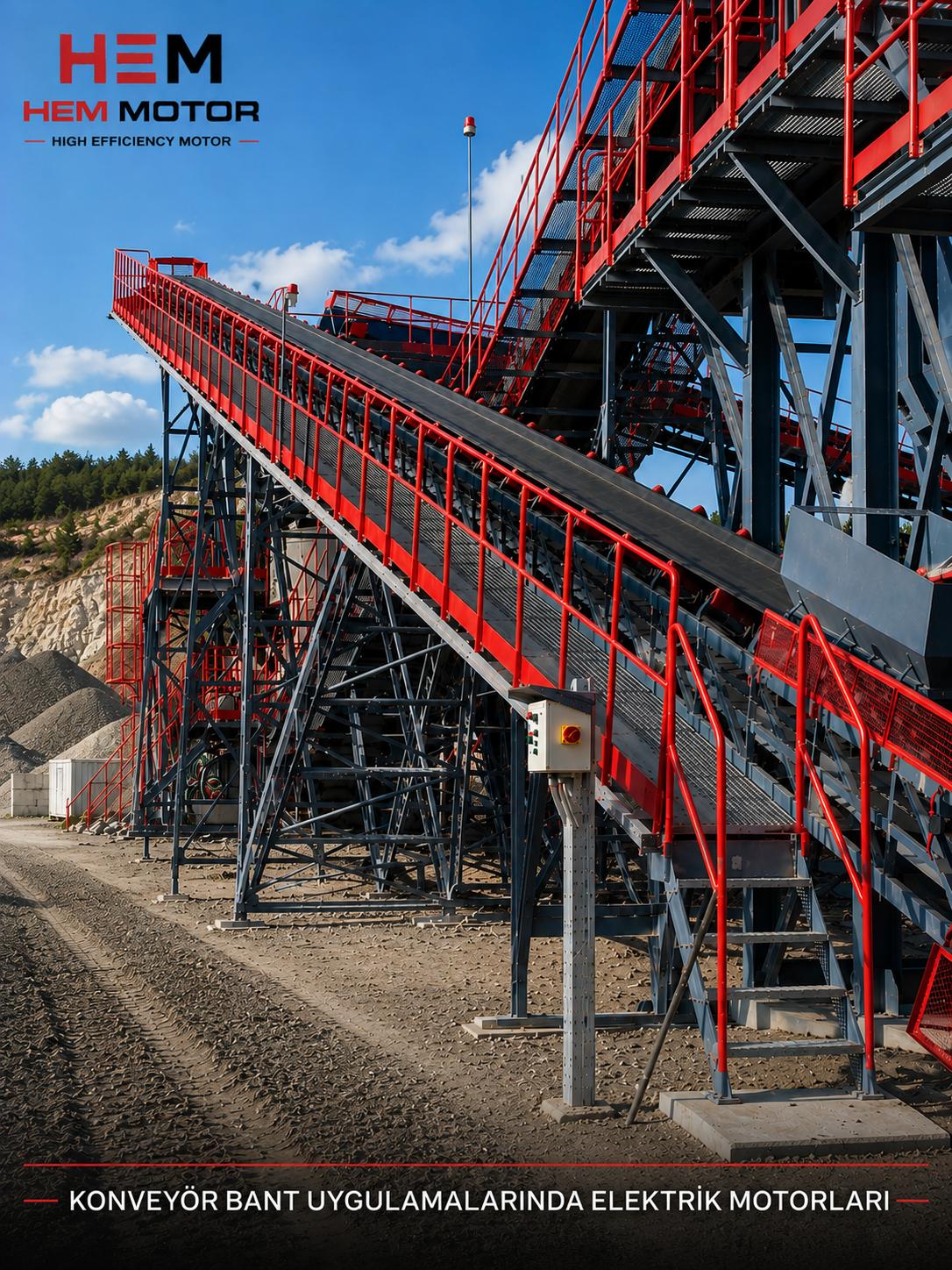

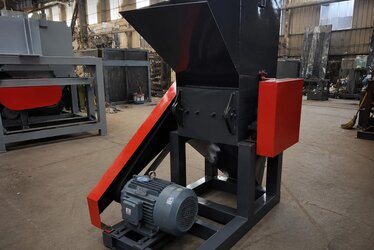
A crusher (stone-crushing) motor embodies one of industry's toughest starting problems: getting a high-inertia crusher flywheel moving with enough torque while keeping the inrush current from shaking the grid. A crusher drive usually has very high inertia (GD²/J) due to the large flywheel and crusher mass; this means a long starting time and a high current draw throughout that time. Star-delta starting often falls short here, because it lowers the starting torque along with the inrush, and the heavy crusher cannot get past its breakaway point. This is where the autotransformer (compensated) starter comes in: a solution that, while reducing inrush, preserves torque far better than star-delta and enables a stepped start. This guide explains the autotransformer starter's operating principle, the torque-current relationship by tap percentage, its advantage over star-delta, its comparison with slip-ring (rotor-resistance / liquid-resistance) starting, and the correct starting choice for a high-inertia crusher, with technical tables.
Why Is Starting a Crusher So Difficult?
The difficulty of a crusher drive comes from two main factors: high inertia and variable load. The crusher rotor and flywheel demand a large torque to start moving; moreover, because this mass accelerates slowly, the starting time is long. Throughout the start the motor draws high current and heats up; if inertia is very high, the thermal protection may trip before the motor finishes accelerating. In addition, a crusher usually does not start loaded (full of stone), but sudden shock loads arrive during operation. So the starting method must both limit the inrush and accelerate the heavy mass with enough torque to overcome the breakaway moment.
- High inertia (GD²/J): the flywheel and crusher mass create a long starting time.
- Long start = heating: the motor heats up under high current throughout the start.
- Torque need: enough starting torque is essential to accelerate the heavy mass.
- Shock load: sudden load changes during operation demand speed stability.
For the inertia and starting-time relationship, our starting time and inertia moment (J), and for motor selection under shock load our flywheel, inertia and crusher drive articles are detailed resources.
How Does an Autotransformer (Compensated) Starter Work?
An autotransformer starter applies a reduced voltage to the motor at start; this voltage is taken from the taps of an autotransformer (compensating transformer). When the voltage is reduced, the current the motor draws falls; but the autotransformer's most important advantage is that, while reducing the voltage, it reduces the current drawn from the grid proportionally even more. The key point here is that motor torque is proportional to the square of the applied voltage: if the voltage drops to 65%, torque falls to about 42%; yet the current drawn from the grid is even less thanks to the autotransformer's transformation ratio. When the start reaches a certain speed, the starter transitions the motor to full line voltage in steps (usually via the Korndörfer connection, without a current interruption).
- Reduced voltage: a low voltage from a transformer tap is applied at start.
- Torque ~ voltage²: torque falls with the square of voltage; the tap choice sets torque.
- Grid current advantage: the autotransformer reduces the drawn grid current proportionally more.
- Korndörfer transition: the change to full voltage is stepped, without current interruption.

Autotransformer Tap Percentage - Torque and Current Relationship
| Tap (voltage ratio) | Voltage at Motor Terminals | Motor Torque (vs DOL) | Motor Current (vs DOL) | Grid Current (vs DOL) |
|---|---|---|---|---|
| 50% tap | ~50% | ~25% | ~50% | ~25% |
| 65% tap | ~65% | ~42% | ~65% | ~42% |
| 80% tap | ~80% | ~64% | ~80% | ~64% |
| 100% (DOL) | 100% | 100% | 100% | 100% |
Note: values are approximate and vary with motor characteristics. The key point to notice is that with an autotransformer the current drawn from the grid is lower than the motor current; this is the fundamental advantage separating the autotransformer from star-delta. For a crusher, a 65% or 80% tap is usually chosen to preserve torque.
Advantage over Star-Delta: Lowering Current While Preserving Torque
In star-delta starting the motor is connected in star at start; this means phase-to-neutral voltage (about 58%) is applied to the motor terminals. As a result both current and torque drop to about one third (33%) of DOL. The current drop is good, but since torque also falls to 33%, it is often insufficient to start a high-inertia, high-resistance crusher; the crusher cannot pass the breakaway moment or accelerates very slowly. In an autotransformer starter, by choosing a tap (for example 80%) the torque can be kept much higher (around 64%), while the current drawn from the grid stays close to or below that of star-delta. This is exactly why, for a hard-starting crusher, the autotransformer holds a clear advantage over star-delta.
- Star-delta: torque and current ~33%; simple and cheap but low torque.
- Autotransformer: torque kept high via the tap; current still limited.
- Transition: the open transition in star-delta creates a current surge; the autotransformer transitions smoothly via Korndörfer.
For a general comparison of starting methods, our starting a crusher motor and star-delta vs soft starter articles are useful. For the nature of inrush, see our inrush (LRA) reduction article.
Comparison with Slip-Ring (Rotor-Resistance / Liquid-Resistance) Starting
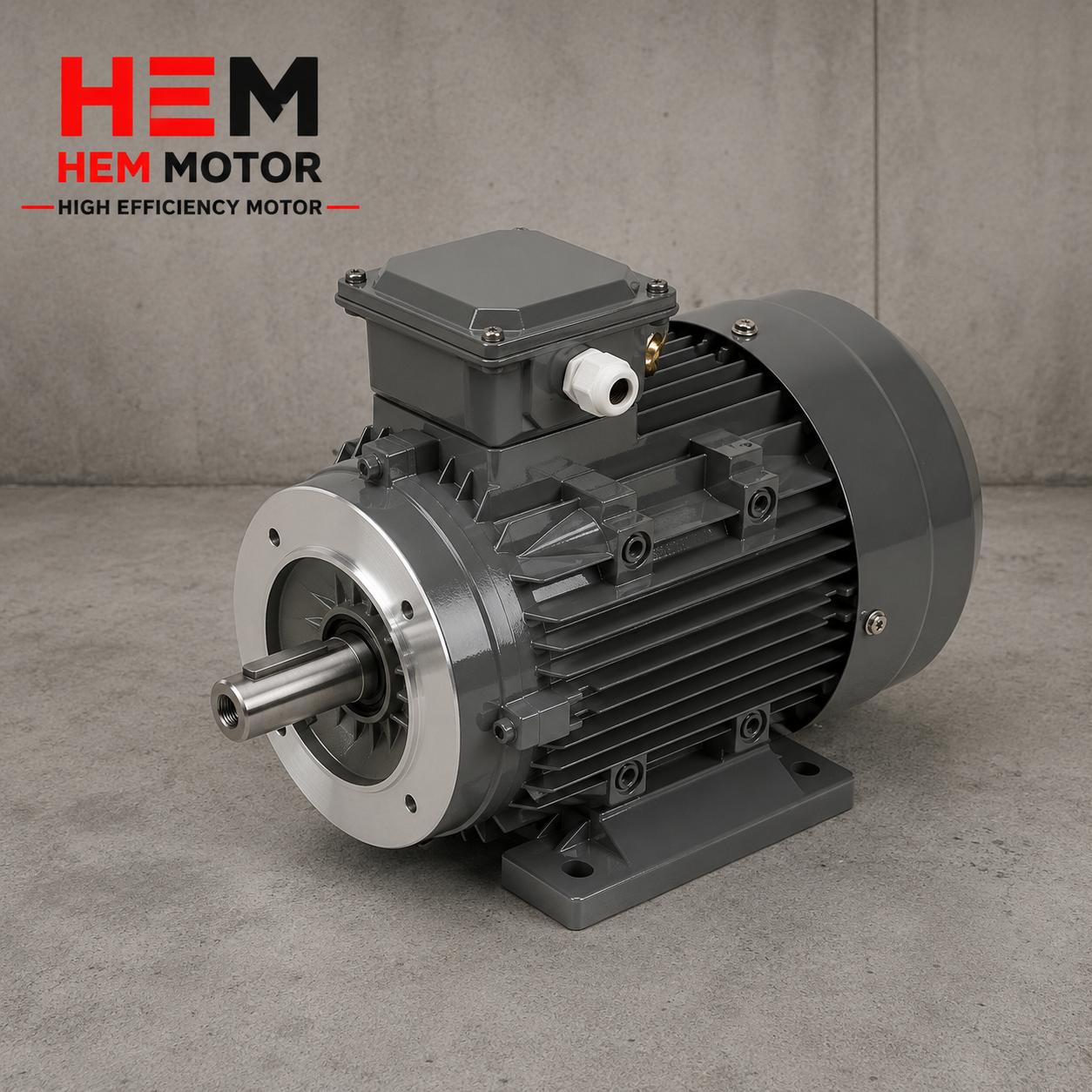
For very hard-starting crushers a traditional solution is a slip-ring (wound-rotor) motor with a rotor-resistance starter or a liquid-resistance (liquid) starter. In a slip-ring motor the rotor winding is connected to external resistances; during start these resistances are reduced in steps, yielding very high starting torque with low inrush. In a liquid-resistance starter the resistance is varied continuously by the position of electrodes in an electrolyte, giving a very smooth, high-torque start. These methods deliver the highest starting torque, but the slip-ring motor and rotor-resistance system are more complex and require maintenance. The autotransformer starter, by contrast, works with a standard squirrel-cage motor, is simpler, and reliably provides sufficient torque for many crushers.
| Method | Starting Torque | Inrush Current | Motor Type | Complexity / Maintenance |
|---|---|---|---|---|
| Star-delta | Low (~33%) | Low (~33%) | Squirrel cage | Simple, low |
| Autotransformer (compensated) | Medium-high (via tap) | Low-medium | Squirrel cage | Medium |
| Soft starter | Adjustable | Adjustable | Squirrel cage | Medium, electronic |
| Rotor / liquid resistance | Very high | Very low | Slip-ring (wound rotor) | High, periodic maintenance |
For the difference between squirrel-cage and slip-ring motors, our squirrel-cage vs slip-ring motor, and for torque classes our torque classes (Design N/H) articles deepen the topic.
Stepped Start and Grid-Friendly Design
One of the autotransformer starter's biggest gains is protecting the grid by limiting the inrush. Crushers usually run in stone quarries or sites with a weak grid; there, the large current surge of a DOL start causes voltage dip, affects other equipment, and if running on a generator, overstresses the generator. The autotransformer limits this surge with a stepped, controlled start; thanks to the Korndörfer connection, no current interruption (and thus no second surge) occurs at the transition to full voltage. This means a smoother start for both the grid and the motor's mechanical assembly.
- Weak grid: a DOL surge in a quarry causes voltage dip; the autotransformer limits it.
- Generator operation: the autotransformer reduces generator stress from the start surge.
- Mechanical protection: a soft start protects belts, couplings and gear systems.
For motor protection in a quarry, our dust, moisture and impact protection, and to reduce downtime cost our failure and downtime cost articles are related resources.
The Motor Side: Torque Class, Inertia and Thermal Endurance
As much as the starting method, the crusher motor's own characteristics must be chosen correctly. In hard-starting applications, having a motor in a torque class that gives high starting torque (for example Design H) makes it easier for the autotransformer to produce enough torque even at reduced voltage. The motor's maximum allowed starting time and the number of consecutive starts in hot/cold condition also matter; because the start takes long in a high-inertia crusher, the manufacturer's "allowed starting time" and "starts per hour" limits must not be exceeded. The rotor bar material and design directly affect starting torque too; a quality rotor delivers both high torque and lower starting loss under a hard start.
- Torque class: high starting torque (e.g. Design H) is preferred for hard starts.
- Allowed starting time: the long start under high inertia must not exceed the limit.
- Starts per hour: the thermal limit is considered under frequent start-stop.
- Rotor quality: the rotor design sets starting torque and loss.
For the effect of rotor bar material on starting torque, our rotor bar material, and for the starts-per-hour limit our starts per hour articles are important resources.
Choosing the Right Starting Method: Decision Steps
- Determine the crusher's inertia moment (GD²/J) and required starting torque.
- Evaluate the grid power and the maximum allowed inrush current.
- If star-delta torque is insufficient, consider the autotransformer (compensated) starter.
- Select a suitable tap (65%/80%) on the autotransformer to preserve torque.
- If the start is very hard, consider a slip-ring motor + rotor/liquid resistance.
- Plan the Korndörfer (no current interruption) transition and thermal protection.
- Choose the motor's torque class (Design) and insulation class per the load.
Frequently Asked Questions
Why is an autotransformer preferred over star-delta on a crusher?
Because star-delta lowers both current and torque to about one third of DOL; when torque drops to 33%, a high-inertia, high-resistance crusher often cannot pass the breakaway moment or starts very slowly. In an autotransformer starter, by choosing a tap (for example 80%) the torque can be kept much higher while the current drawn from the grid stays limited. In other words, the autotransformer preserves torque while reducing current; for a hard-starting crusher this is a decisive advantage.
Which tap should be chosen on an autotransformer?
The tap is chosen per the crusher's required starting torque and the current the grid can handle. Since torque is proportional to the square of voltage, a higher tap (for example 80%) gives higher torque but draws a little more current; a lower tap (for example 65%) limits current more but lowers torque. On a hard-starting crusher, an 80% tap is usually the starting point; if torque is sufficient and the grid is suitable, that tap is chosen. The right tap is determined together with the inertia and grid data.
Can a soft starter or VFD be used instead of an autotransformer starter?
Yes, in modern applications soft starters and variable frequency drives (VFD) are also common options. A soft starter electronically ramps the inrush and torque; a VFD provides both a soft start and speed control and manages very high-inertia starting in the most controlled way. The autotransformer starter, as a simple, robust, electronics-independent solution, is still preferred especially in harsh site conditions. The choice is made per inertia, grid, budget and the need for speed control.
Let us set up the right starting strategy for your crusher together. We will evaluate your crusher's inertia moment, required starting torque and your site's grid conditions, and clarify which of an autotransformer (compensated) starter, a soft starter or a rotor-resistance solution fits best. To request a quote for the right crusher motor and starting solution with manufacturer stock and fast delivery, contact HEM Motor.