English
 Türkçe

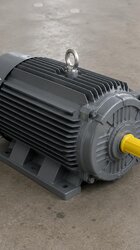
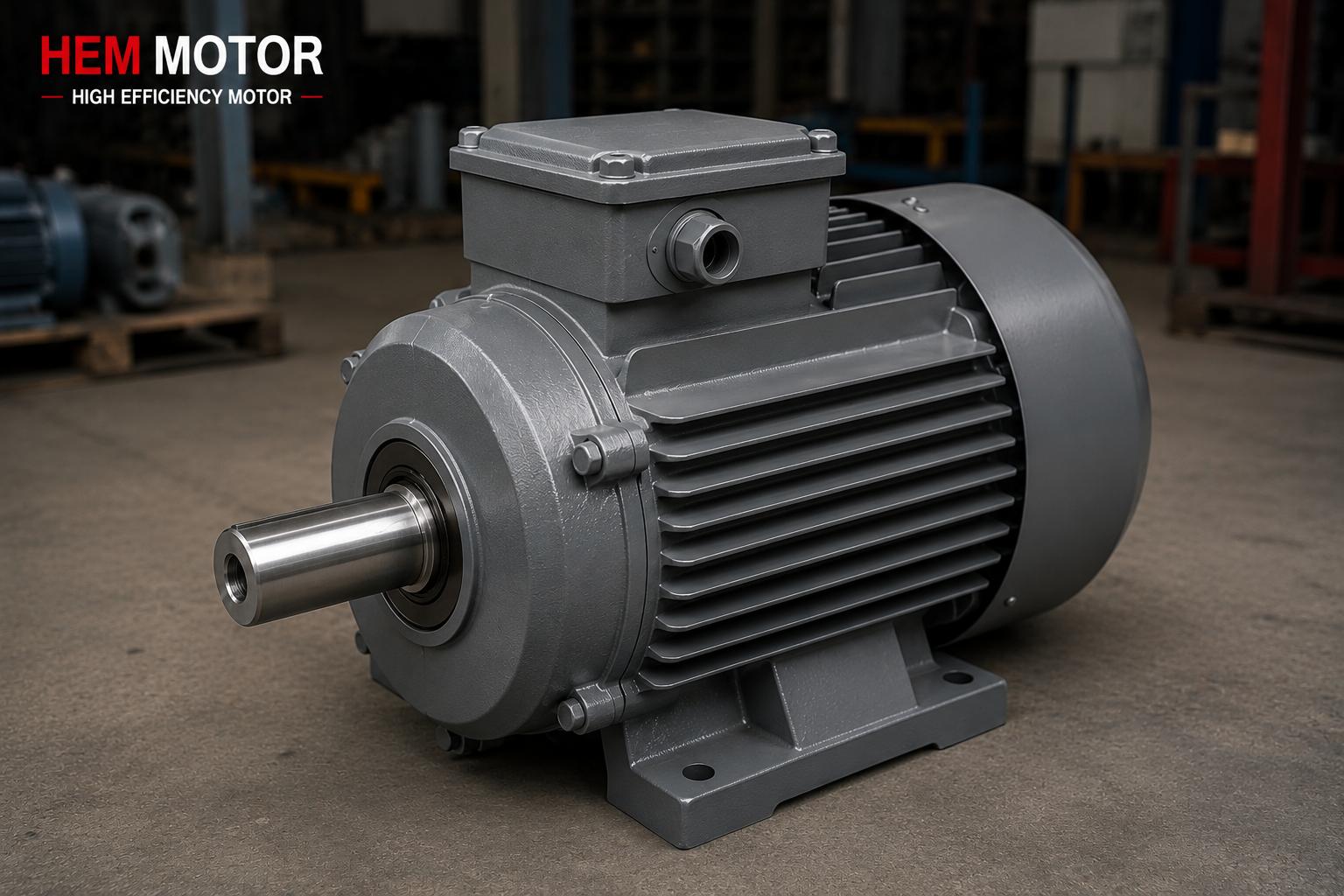

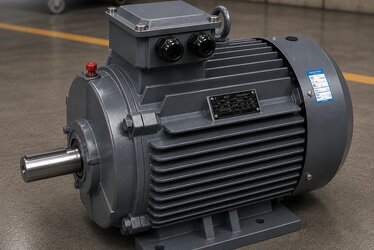
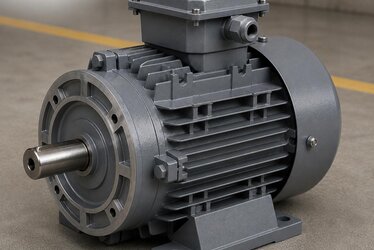
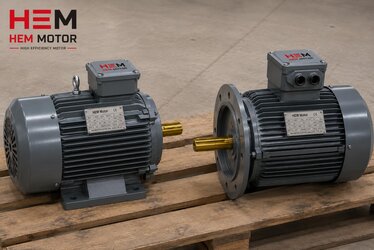
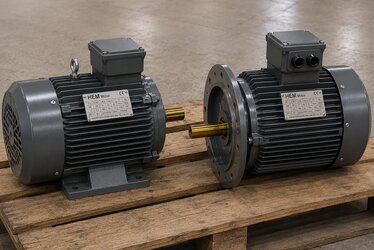
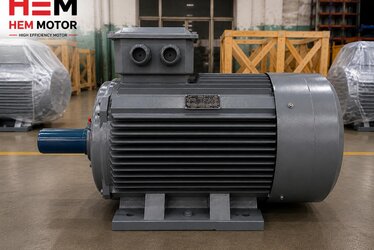
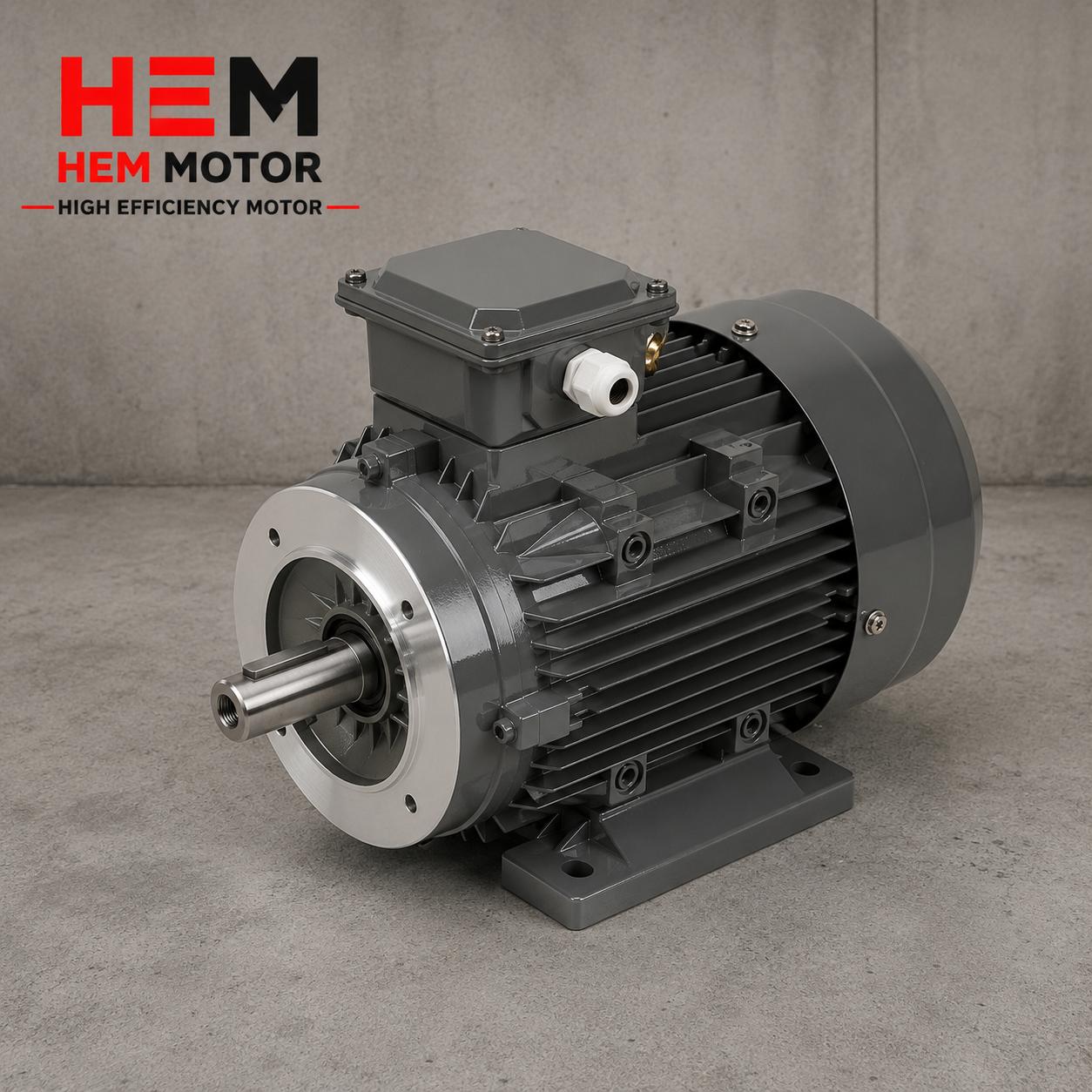
11 kW and 15 kW are the most sought-after medium-power electric motors in Turkish industry; from pumps to conveyors, from fans to compressors, these two powers appear in countless machines. Precisely for this reason, the most critical issue in buying an 11 or 15 kW motor is not technical complexity but getting the motor at the right speed, in the right mounting type and with fast stock delivery. This guide explains, from a buyer's point of view, the 2/4/6-pole speed options on 11 and 15 kW motors, which speed is preferred in which application, the advantage of stock delivery, and what you should send us for a fast, accurate quote. As HEM Motor, we supply 11 and 15 kW motors from stock in IE3 and IE4 efficiency classes, with B3/B5/B35 mounting options, cast iron bodies and IP55 protection.
Why Are 11 and 15 kW the Most Sought-After Medium Powers?
11 kW and 15 kW fall within the operating range of the vast majority of industrial machines. These powers concentrate around the IEC 160 frame class and are common in both cast iron and aluminium bodies. Because many machine manufacturers and end users consume these two powers as a standard, at the right supplier these powers are usually delivered from stock; they can be shipped within hours without waiting for a production order. This is the biggest advantage for businesses that want to get a machine stopped by a failure back up as quickly as possible. We covered spare stock planning for medium-power motors in our article on the critical spare motor list for facilities.
Speed and Pole Selection: 2, 4 and 6 Pole
The most frequent critical choice when buying an 11 or 15 kW motor is the pole count, that is, the speed. The same kW does a completely different job at different speeds; this is why keeping the existing machine's speed is essential.
2-Pole (~2900 rpm)
Used in applications requiring high speed: high-pressure pumps, compressors, some fan and blower applications. At 11 and 15 kW, 2-pole motors are compact and high-speed.
4-Pole (~1450 rpm)
The most preferred speed in industry. 4-pole is standard in conveyors, gearbox drives, general machinery, mixers and many pump-fan applications. At 11 and 15 kW the widest stock is usually found in 4-pole motors.
6-Pole (~960 rpm)
Used in applications requiring higher torque and lower speed: heavy-starting conveyors, some mill and mixer applications. At 11 and 15 kW, 6-pole motors provide high torque at low speed.
If you want to examine in depth which pole count suits which job, our article on the asynchronous motor buying guide: which of 2, 4, 6 poles for which job? offers a clear decision table. You can find how the speed-power combination is determined in pumps, fans and conveyors in our article on motor power calculation: required kW for pumps, fans and conveyors.
Application Areas: Where Are 11 and 15 kW Used?
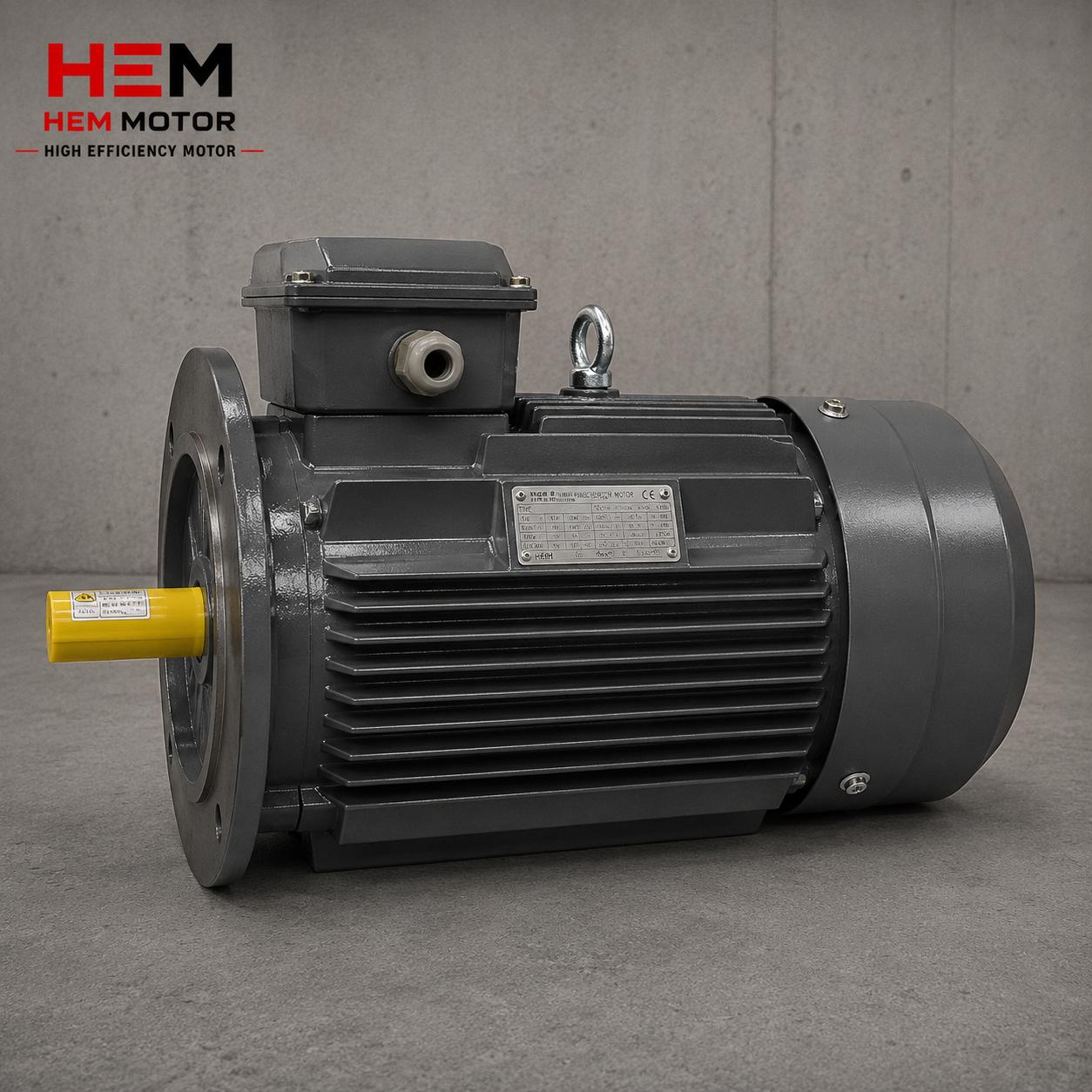
These two powers cover a very wide range of applications:
- Pump systems: Medium-flow centrifugal pumps, booster sets, irrigation pumps.
- Fan and blower: Ventilation fans, dust collection and aspiration systems.
- Conveyor and belt: Belt drives with 4 and 6-pole motors, geared conveyor systems.
- Compressor: Medium-capacity screw and piston compressors.
- General machinery: Mixers, agitators, crushing-grinding and industrial machines.
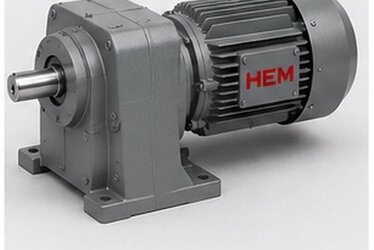
11 and 15 kW motors are often used with a gearbox. We explained matching the right motor to a gearbox with IEC frame and flange dimensions in our article on which electric motor fits a worm gear or NMRV reducer? For the gearbox side at these powers, you can review our helical worm gear reducers and worm gear reducers product pages.
Stock Delivery, Price and Correct Buying
For the most consumed medium powers like 11 and 15 kW, stock delivery means shipment within hours without waiting for a production order. We detailed the lead-time difference between stock delivery and a production order in our article on stock delivery or production order? electric motor lead times. On the price side, the cost at these powers varies by factors such as efficiency class (IE3/IE4), body material, mounting type and quantity. For a current and clear price, we always recommend requesting a quote; our article on factors affecting electric motor prices guides your budget planning.
You can review our 11 and 15 kW motor product family on the IE3 electric motor, IE4 electric motor and high-efficiency electric motors pages. You can reach all our articles on power and speed options via our power and speed options category, and the whole product range via the HEM Motor homepage. On understanding power correctly and avoiding order mistakes, our article on HP or kW? understanding electric motor power and ordering correctly is helpful.
Frequently Asked Questions
Is it a problem to fit a 15 kW motor instead of 11 kW?
Increasing power alone does not create an electrical problem if your machine's mechanical connection, frame size and shaft diameter match; however, an unnecessarily large motor is both more expensive and loses efficiency and power factor at low load. Also, since 11 and 15 kW may be in different frame sizes, the foot, flange and shaft dimensions may change. The best approach is to choose the power suited to your machine's actual power need; if unsure, send us the existing motor's nameplate and we will recommend the exact equivalent.
Which speed should I choose for an 11 or 15 kW motor?
Speed selection is determined by your machine. If you are replacing an existing motor, keeping the nameplate speed (pole count) exactly is essential: 2-pole ~2900 rpm, 4-pole ~1450 rpm, 6-pole ~960 rpm. In a new application, the most common 4-pole (1450 rpm) is the right choice for most conveyors, pumps and general machinery. If unsure about speed, describe the application to us and we will determine the right pole count together.
Are 11 and 15 kW motors delivered from stock?
Yes. Because 11 and 15 kW are the most consumed medium powers, they are usually delivered from stock in common speeds and mounting types and shipped quickly without waiting for a production order. This is a major advantage for getting a machine stopped by a failure running again as quickly as possible. Send us the exact configuration you need and we will share the current stock status.
Get a Quote
Do you need an 11 or 15 kW motor? Send us the speed (pole count), mounting type (B3/B5/B35) and efficiency class, or a nameplate photo of the existing motor, and we will quickly quote the right motor along with stock availability. Call now: +90 (532) 345 49 86 or reach us via our contact page. We offer project-based pricing for quantity purchases.