English
 Türkçe


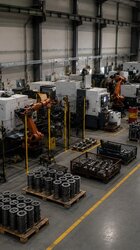
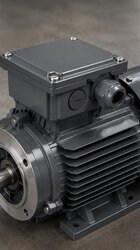
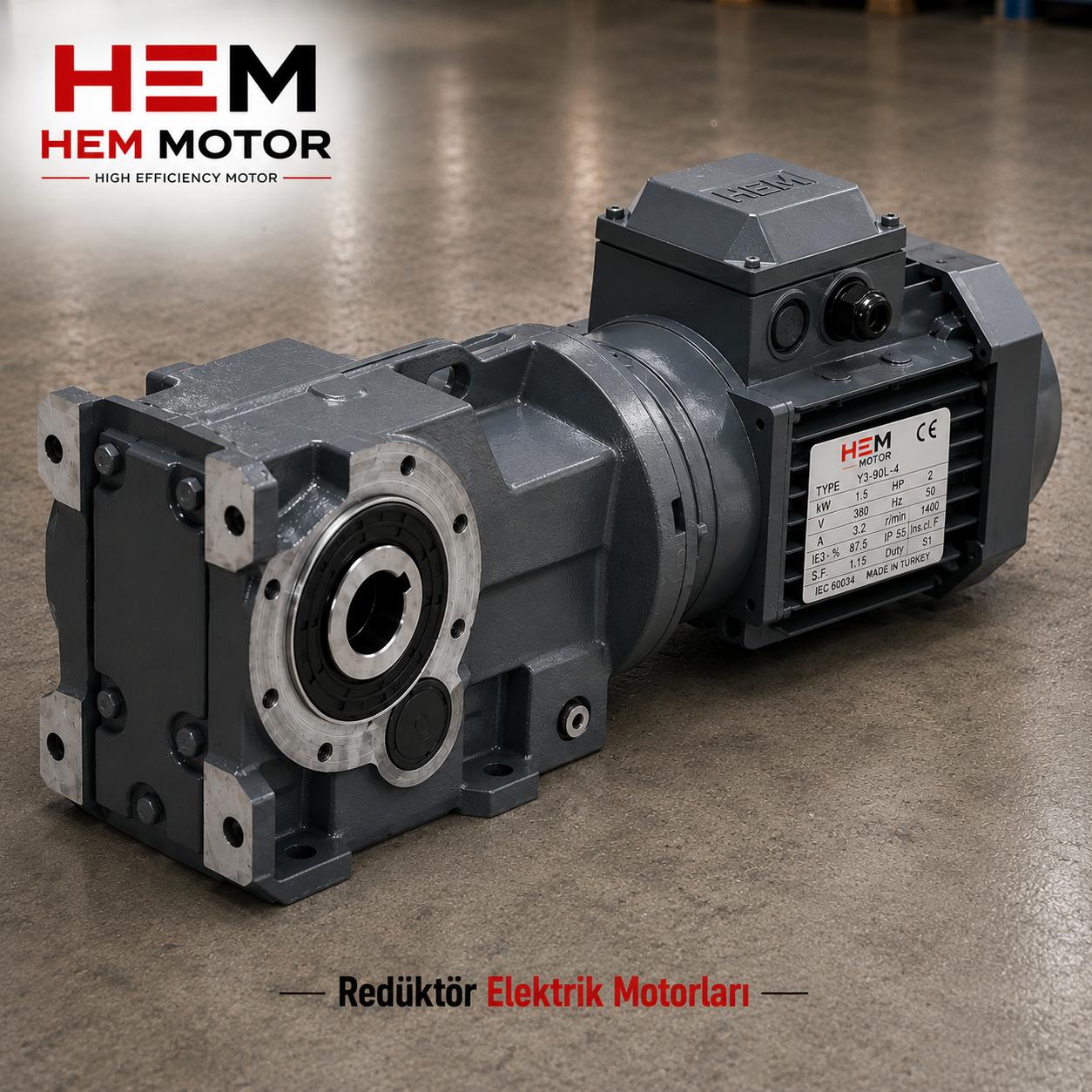

Rolling mills and foundry plants create one of the harshest environments an electric motor can encounter: high ambient temperature, constant dust, heavy mechanical load and high starting torque are all in play at once. Under these conditions, a standard motor loses its winding to heat, its bearings wear out from dust and it struggles at start-up. This guide has been prepared for purchasing and maintenance teams who renew motors or set up new lines in rolling mills, foundries, hot-forming and metalworking plants. To supply a motor suited to your facility's heavy-duty conditions with the right insulation and cooling, you can reach us through our contact page.
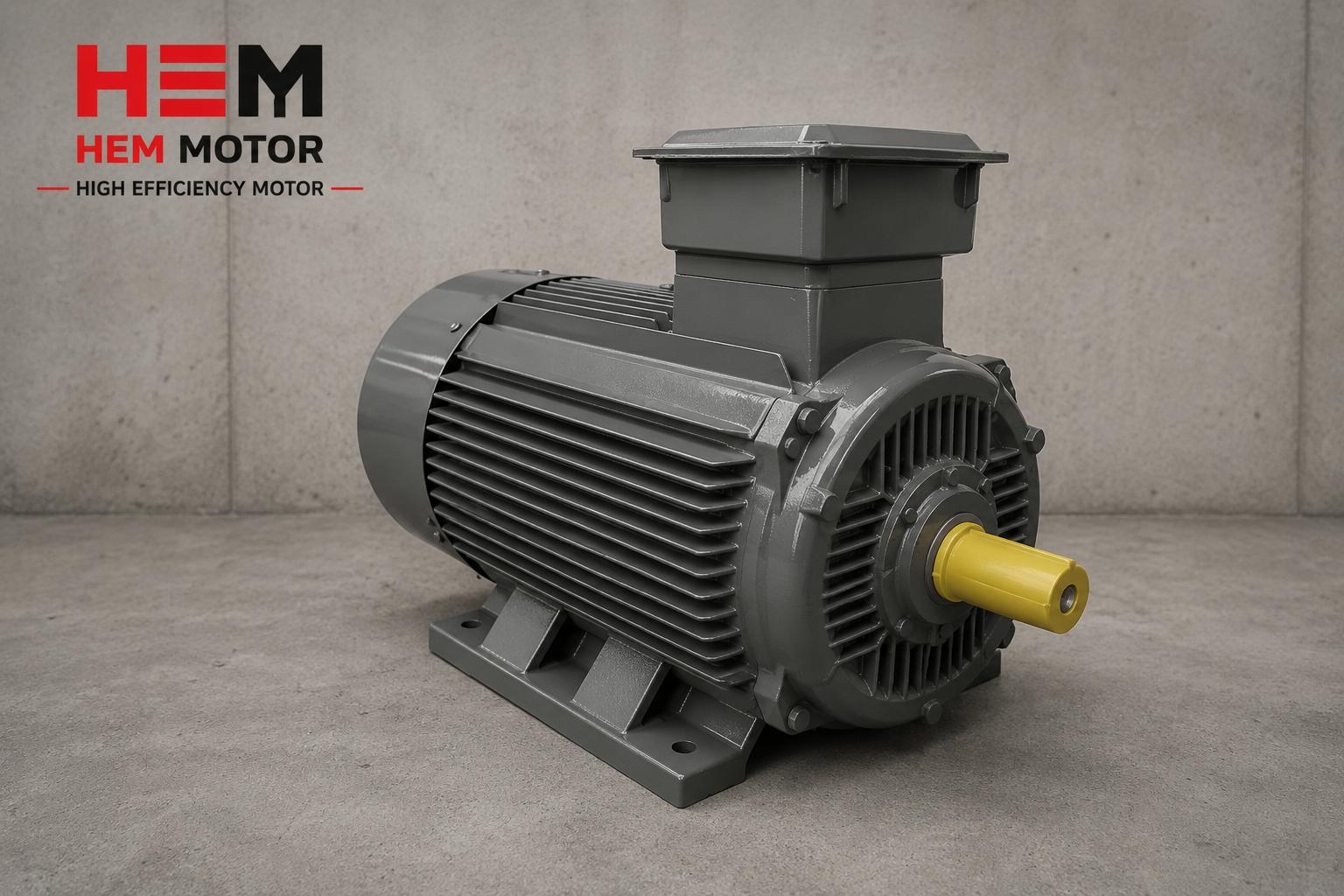
The Effect of a Hot Environment on the Motor: Insulation and Derating
In rolling mills and foundry plants, the ambient temperature is often far above the 40 °C reference that standard motor design assumes. As temperature rises, the motor's cooling capacity falls and the power it can deliver decreases; this is called power reduction (derating). For this reason, in a hot environment, the motor must be sized according to the actual ambient temperature rather than the "kW value on paper". We explained the derating calculation in a hot environment in detail in our article on hot environment and derating.
The insulation class is decisive at this point. Although standard Class F insulation is sufficient in many hot applications, in the hottest points such as foundries and rolling mills, Class H insulation provides a clear safety margin. Because Class H withstands a higher winding temperature, it extends service life in a hot environment. We examined the effect of insulation class on service life in our article on insulation class in hot and dusty environments.
Dust, Impact and Heavy Duty
In a foundry and rolling-mill environment, the metal dust, sand and slag particles in the air are among the motor's greatest enemies. These particles stick to the motor's cooling fins and impede cooling, enter the bearing and accelerate wear, and can seep into the terminal box. For this reason, in heavy-duty motors, a cast-iron frame and high IP protection (IP55, IP65/IP66 at critical points) are important. We covered the topic of dust sealing in our article on dust sealing and IP65/IP66.
Another effect of dust accumulation is that it prevents the motor from breathing; clogged fins and a dirty fan cover make it harder for the motor to expel its heat and quietly raise the winding temperature. For this reason, in a dusty environment, regular cleaning is a layer of protection as important as the insulation class. Just as important as preventing dust from entering the motor, keeping the external cooling surfaces clean directly affects service life.
Mechanically, rolling-mill motors draw very heavy loads; rollers, shears and handling systems require high torque. The cast-iron frame is far more stable than an aluminium frame under this impact and vibration load. Bearing life is also a critical quality marker in this environment; we explained bearing selection under impact, dust and high temperature in our article on bearing life: impact, dust and lubrication.
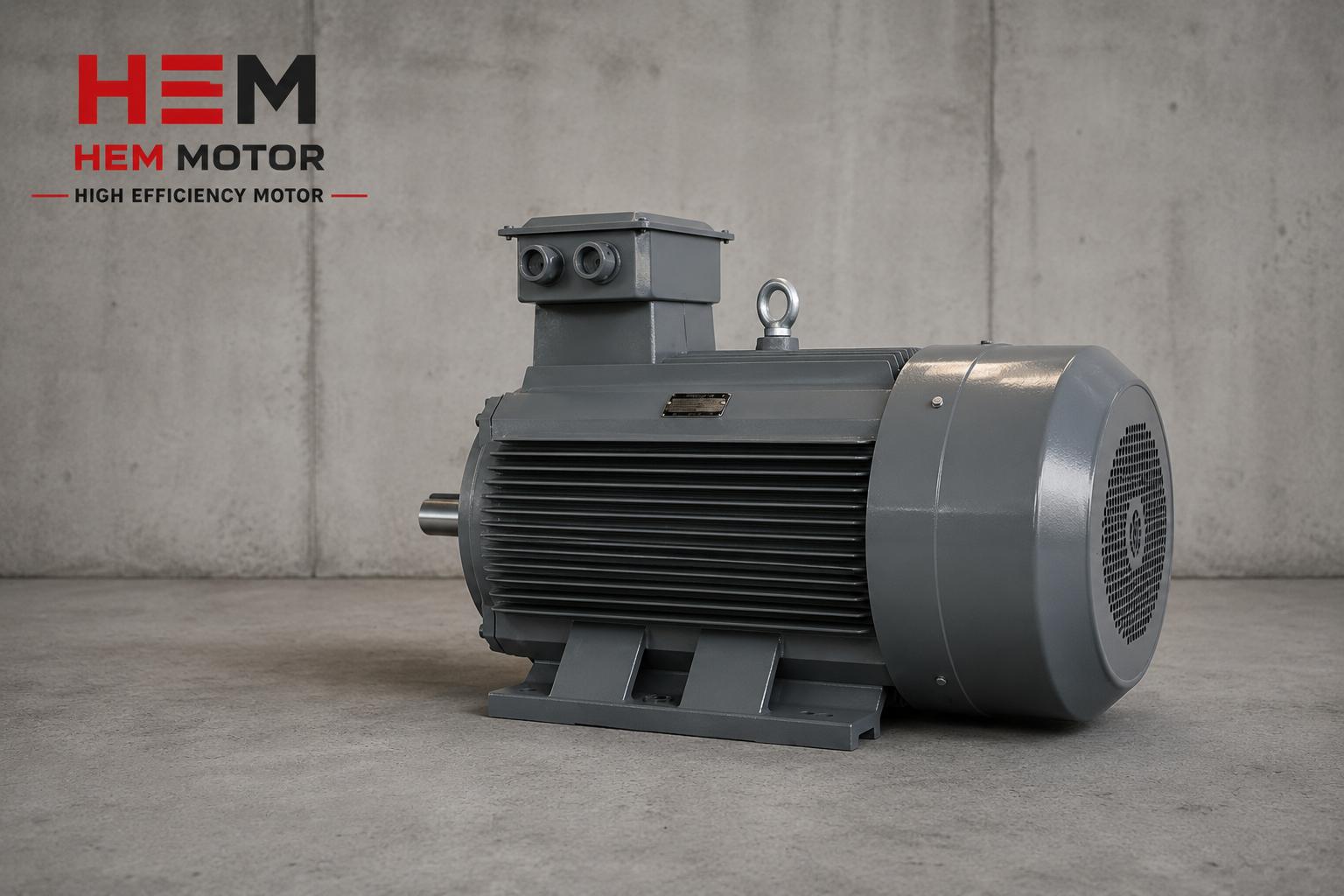
High Starting Torque and Starting Methods
In heavy-duty applications, the motor must produce sufficient torque not only at full load but also at the moment of start-up, because heavy loads with high inertia are the moment that strains the motor most at start-up. A motor with insufficient starting torque cannot get the load moving, draws high current for a long time and overheats. For this reason, in rolling-mill and foundry applications, matching the motor's torque-speed curve to the load is as important as the right kW. Clarifying this compatibility before ordering prevents start-up problems and premature failures in the field.
Rolling-mill rollers, heavy conveyors and large fans have high inertia; getting these loads moving requires high starting torque. If the motor is not selected in the correct torque class (usually Design H, high starting torque), it struggles at start-up, draws current and overheats. In high-power heavy-duty motors, a soft starter or star-delta is preferred over direct-on-line starting. We compared the starting methods in our article on soft starter, star-delta and direct-on-line starting.
Cooling: Forced and Water Cooling
Standard motors are cooled by a fan attached to their own shaft (IC411). However, in heavy-duty motors that run continuously at low speed or in very hot environments, this cooling may be insufficient. In these cases, independent (forced) fan cooling (IC416) is used; a separate fan motor provides continuous cooling independently of the main motor's speed. In the most demanding applications, a water-cooled frame is also considered. We explained the cooling methods in detail in our article on IC411 and IC416 cooling methods.
Forced cooling is essential especially in rolling-mill motors that run at low speed with a frequency drive (VFD), because when the motor turns slowly its own fan does not move enough air. For this reason, independent fan cooling must be clarified before ordering for heavy-duty motors that will run at low speed with a VFD.
Supply and Downtime Cost
In rolling mills and foundry plants, the failure of a main drive motor can halt the entire line for hours or even days. In facilities processing hot metal, unplanned downtime also disrupts the process. For this reason, in heavy-duty motors both correct supply and critical redundancy are vital. We covered the lead-time, transport and commissioning planning of high-power motors in our article on supply of high-power motors above 90 kW.
Keeping a spare in the most commonly used heavy-duty motor power ratings reduces downtime to minutes in the event of a failure. To draw up your facility's main and auxiliary motor inventory and create a critical spare list, you can work with the HEM Motor supply team. For a sectoral heavy-duty perspective, our article on high torque and heavy-duty supply is also complementary.
Vibration, Alignment and Bearing Protection
In rolling mills and foundry plants, motors operate under intense vibration. Rollers, shears and heavy conveyors produce vibration by their very nature; this vibration is transmitted directly to the motor's bearings and winding. A poorly aligned coupling or an over-tensioned belt multiplies the vibration and shortens bearing life. For this reason, in heavy-duty motors, correct alignment and balanced mounting are critical for the motor to reach its expected service life.
The use of insulated bearings in a vibrating environment prevents premature failure due to bearing currents, especially in large motors running with a frequency drive. We covered the topic of bearing type and life in our article on bearing type and life: insulated bearings. Regular greasing and correct lubrication also noticeably extend bearing life under dust and temperature; for this reason, the maintenance interval must be planned according to ambient conditions.
Duty Type and Continuous Full Load
Rolling-mill main drive motors mostly run close to continuous full load; this requires a motor in the S1 duty type that is thermally comfortable. In some applications, however, the motor experiences frequent reversing or frequent start-stop; in that case the duty type shifts to an intermittent profile such as S4-S5, and the motor must be selected accordingly. The wrong duty type selection results in a motor that overheats under continuous load and burns out prematurely. We explained duty type selection in our article on duty type (S1-S6) selection.
In motors running at continuous full load, the adequacy of cooling is as important as the duty type. Evaluating the power the motor can deliver together with the ambient temperature and cooling method guarantees the expected performance in the field.
Efficiency and Operating Cost
Rolling mills and foundry plants house very high-power, continuously running motors; this means that electricity consumption is a major item in the facility's cost. At this scale, even a small efficiency difference corresponds to a considerable amount on an annual basis. For this reason, in heavy-duty applications, high-efficiency motors and IE4 super premium motors become a choice that quickly pays back the investment. From a regulatory standpoint as well, IE3 is mandatory for high-power DOL motors and IE4 is mandatory at certain power levels.
When switching to high-efficiency motors, drawing up and prioritising the facility's entire motor inventory provides scalable savings, starting with the motors that run the most and consume the most. We covered the process of preparing for an energy efficiency audit and drawing up a motor inventory in our article on energy efficiency audit and motor inventory.
Terminal Box, Cable and Sealing
In a hot and dusty environment, the motor's terminal box is a critical point that is often overlooked. If dust, metal particles and moisture seep into this box, short circuits and corrosion begin at the connection points. For this reason, in heavy-duty motors, the terminal box must be high-IP protected and sealed shut with the correct gland. We covered the correct execution of the terminal box and cable connection in our article on terminal box and cable connection.
Cable selection is also important in a hot environment; using high-temperature-resistant cable and the correct gland prevents the connection from deteriorating over time. In addition, the motor's earthing must not be neglected in heavy-duty applications, both for safety and as protection against bearing currents. We explained earthing and electrical safety in our article on earthing and electrical safety.
Lead Time and Transport in High-Power Motors
The main drive motors in rolling mills and foundry plants are mostly high-power and heavy; this requires that transport, crane unloading and installation be planned in advance. Transporting a motor exceeding several hundred kilograms to the site and putting it in place is not ordinary logistics. For this reason, in the supply of high-power motors, clarifying the lead-time, transport and commissioning plan from the start ensures there are no surprises in the field.
We covered the weight and transport requirements of cast-iron motors according to frame size in our article on frame sizes (IEC 56-355): weight and transport. When planning your facility's main motor renewal, we can also plan the transport and installation logistics together from the start.
Auxiliary Motors and Plant-Wide Supply
In a rolling mill and foundry plant, not only the main drive motors but also numerous auxiliary motors are running: conveyors, fans, exhausters, pumps and cooling systems. Although each of these auxiliary motors is not critical on its own, together they make the operation of the facility possible. The failure of a stack fan motor can lead to the process stopping. For this reason, plant-wide motor supply should not be limited to the main motors alone; the auxiliary motors must also be included in the inventory.
Because auxiliary motors are mostly in standard power ratings, fast delivery from stock and high-efficiency motor selection provide a great advantage in these. For continuously running fan and pump motors, high-efficiency motors lower energy costs, while redundancy at critical points prevents unplanned downtime. Gathering all of your facility's main and auxiliary motor needs in a single inventory makes both supply and budgeting easier.
Cooling Maintenance Against Dust and Heat
In a foundry and rolling-mill environment, the motor's cooling performance declines over time, because the dust and metal particles in the air stick to the cooling fins and fan cover. This accumulation prevents the motor from expelling the heat it generates and raises the winding temperature. For this reason, in heavy-duty motors, regular fin cleaning is one of the simplest but most effective forms of maintenance that extends service life. We covered the effect of dirt accumulation on the cooling fins on efficiency in our article on cooling fins and dirt accumulation.
Regular cleaning and a correct maintenance interval enable the motor to reach its expected service life in a hot and dusty environment. By planning the maintenance schedule according to ambient conditions, you both extend the motor's service life and minimise unexpected downtime.
In heavy-duty motors, neglecting maintenance produces results much faster than in ordinary environments, because temperature, dust and vibration strain the motor together. For this reason, in rolling mills and foundry plants, maintenance is not an optional improvement but a fundamental part of continuity. When winding temperature monitoring, regular bearing greasing, fin cleaning and vibration monitoring are applied together, a heavy-duty motor both reaches its expected service life and minimises unplanned downtime. We can plan this maintenance routine together for your facility's main and auxiliary motors and offer a redundancy recommendation at the most strained points.
Frequently Asked Questions
Which insulation class motor is needed in a hot environment?
In many hot applications, Class F insulation is sufficient; however, in the hottest points such as foundries and rolling mills, Class H insulation provides a clear safety margin. Because Class H withstands a higher winding temperature, it extends the motor's service life in a hot environment. In addition, at high ambient temperature, the motor must be selected one power class up with a power reduction (derating) calculation.
When is forced cooling essential in a rolling-mill motor?
If the motor runs continuously at low speed or turns slowly with a frequency drive (VFD), the fan attached to its own shaft cannot provide enough cooling. In these cases, independent (forced) fan cooling (IC416) is essential; a separate fan motor provides continuous cooling independently of the main motor's speed. In the most demanding applications, a water-cooled solution can also be considered.
How do I protect the motor against dust and metal particles?
A cast-iron frame and high IP protection (IP55, IP65/IP66 at critical points) prevent dust from entering the motor. In addition, regular cleaning of the cooling fins prevents the dust sticking to the fins from impeding cooling. On the bearing side, selecting insulated and correctly lubricated bearings noticeably extends service life under dust.
Get a Quote
Contact us to supply the main drive, roller, conveyor and fan motors of your rolling mill or foundry plant with the correct insulation class, cooling and heavy-duty durability. Share your ambient temperature, load type and existing motor nameplates; we will quickly quote the right motor along with a derating calculation. Phone: +90 (532) 345 49 86 or you can get in touch with us through our contact page.