English
 Türkçe

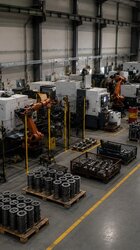
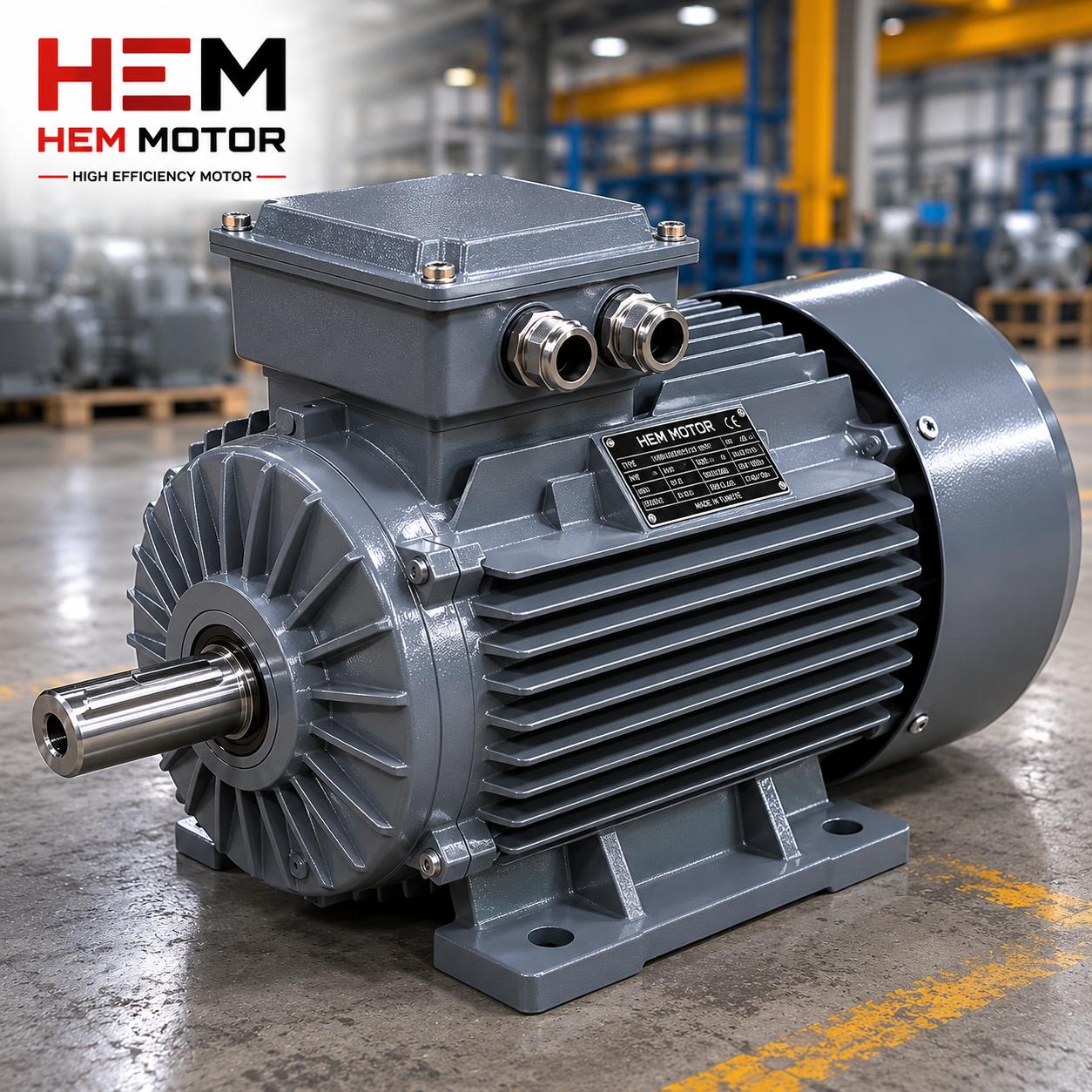

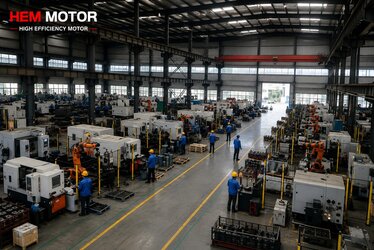
In automotive supply manufacturing, a production line is a complex whole where machines that have nothing in common run side by side under the same roof, often at the same shift tempo. A press, a CNC machining center, a robot welding line, conveyors, hydraulic units and cooling fans all stand together in a single facility, yet none of them shares the same electric motor requirement. That is why motor supply for automotive suppliers is not a simple purchase that begins and ends with "how many kilowatts do I need?" It demands a supply logic that correctly reads each machine group's load profile, duty type and commissioning conditions, then meets those needs from strong stock with fast shipment. When a supplier backed by manufacturer assurance can complete the critical motor that stopped your line in hours rather than days, the real difference becomes clear.
There Is No Single Standard Motor in Automotive Supply
The most common supply mistake in the automotive supplier industry is assuming that all machines can be fed by one type of standard induction motor. Yet within the same facility, each machine group needs a different load profile and a different duty type. The motor needs of a press and a CNC spindle sit at almost opposite poles. One is dominated by sudden impact and high peak torque, while the other depends on micron-level speed stability. Between these two extremes lie conveyor, pump, fan and robot axis motors, each imposing its own rule.
The first step toward correct supply is grouping machines not by power rating but by load character, before any purchasing decision is made. Does it run continuously, start and stop repeatedly, pulsate, or demand precise speed? A motor list drawn up without this classification may look correct on paper but reveals itself in the field with thermal tripping, burnt windings or lost machining precision.
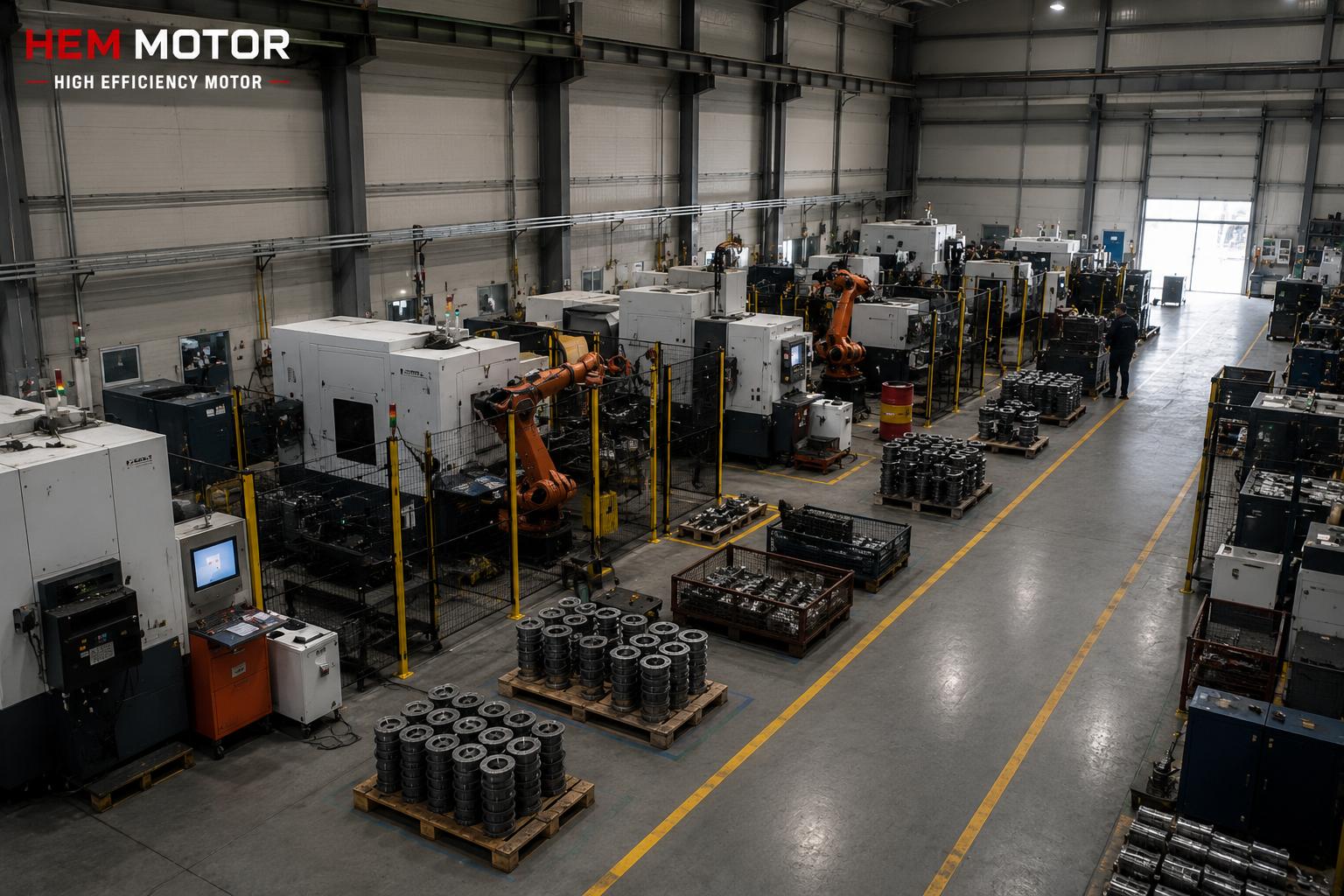
Grouping Machines by Load Character
In practice, automotive supplier machines fall into four main load groups, and each is supplied with a different motor philosophy:
- Impact and high-inertia group: Presses, shears, drop hammers. Demands very high instantaneous peak torque and the starting ability to turn flywheel inertia.
- Precise and stable speed group: CNC spindles, machining center axes. Speed must stay constant under varying load and run without vibration.
- Continuous constant-load group: Hydraulic units, cooling pumps, air compressors. S1 continuous duty type, heat-resistant motors are required.
- Repetitive motion group: Conveyors, palletizing robots, transfer lines. Frequent start-stop and braking demand a structure resistant to high cycle counts.
Press Line Motors: Pulsating Load and High Peak Torque
The press is the automotive supplier's most demanding motor application. By the nature of the work, the motor draws high instantaneous torque to turn the flywheel and the moving die mass; the load peaks at the moment of pressing and nearly drops to idle between strokes. This pulsating load profile makes it misleading to select the motor by average power. Even if the average looks low, the peak values stress the motor, and an undersized motor stops the line with thermal tripping in the first weeks.
Press motors generally favor frames with strong starting torque that can turn high inertia. In flywheel presses, the motor is sized to gradually accelerate the flywheel and store energy mechanically; the flywheel absorbs the press stroke and the motor only makes up the losses. Therefore the correct press motor selection must be done together with the flywheel inertia and stroke frequency data provided by the machine builder. Cast iron IE3 motors are a safe choice in this pulsating environment for both mechanical strength and heat dissipation.
CNC and Machining Center Motors: Precise and Stable Speed
On the CNC side, the game changes completely. Here the goal is not power but speed stability and precision. In a machining center, the spindle motor must hold its speed even as cut depth and material hardness change, and must not produce vibration that would spoil surface quality. That is why CNC axis and spindle applications are usually fed by motors that deliver stable torque across a wide speed range, driven by frequency inverters (VFD) or servo drives.
On the auxiliary axes, hydraulic and lubrication units of machining centers, standard induction motors take over. What is critical here is to separate the duty types of the main spindle and auxiliary motors and supply each according to its own requirement. Even within a single machine, different motor classes coexist; properly separating them rather than ordering them as one item improves both performance and stock management. When comparing electric motor prices and delivery times, working with a supplier who makes this distinction is a major advantage.
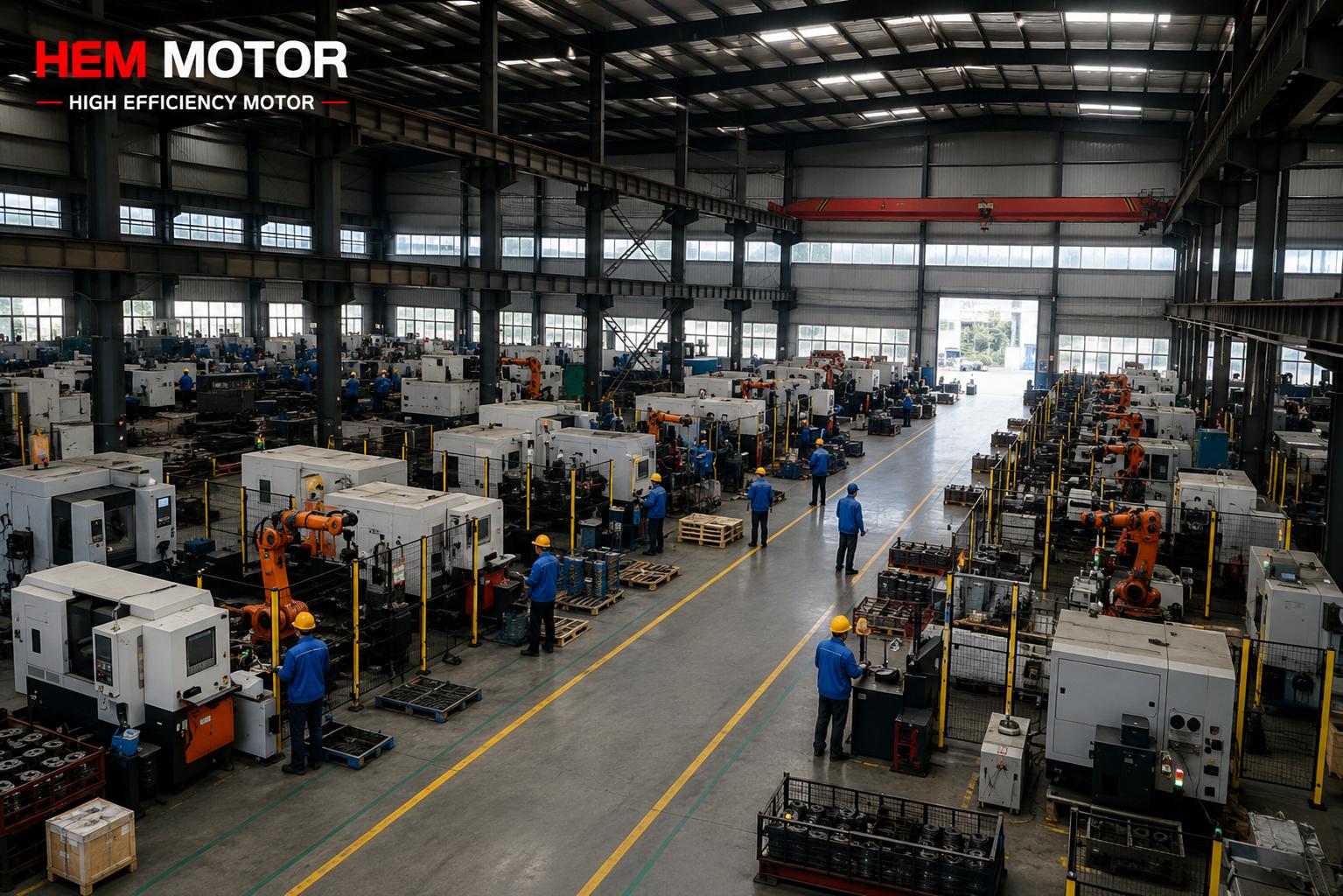
Robot Line and Transfer System Motors
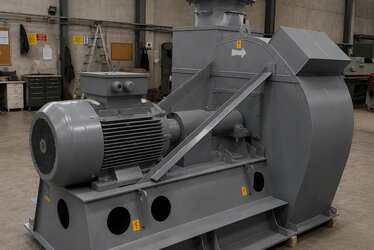
Robot welding and assembly lines are the most dynamic motor group in automotive supply. Here axis motors run in a constant accelerate-decelerate cycle, change direction frequently and brake. This repetitive duty profile foregrounds heat management and cycle endurance far more than raw power. On transfer lines and palletizing stations, conveyor and geared motors are selected to withstand frequent start-stop and variable load.
- Robot axis drives: Servo construction for precise positioning and rapid direction changes.
- Transfer conveyor motors: Geared, durable construction with high starting torque.
- Palletizing and feeding: Motors with strong heat management suited to repetitive duty type.
Fast Supply From Stock: Never Keep the Line-Stopping Motor Waiting
In automotive supply, the most expensive thing is a stopped line. When the motor feeding a press burns out, the problem is not the cost of the motor; it is that every hour the line stands still risks the delivery commitment given to the main manufacturer. That is why choosing the right supplier is measured not only by product quality but by stock depth and fast shipment capability. A manufacturer holding a wide frame range in stock, from 0.55 kW up to high powers, completes the critical motor without delay.
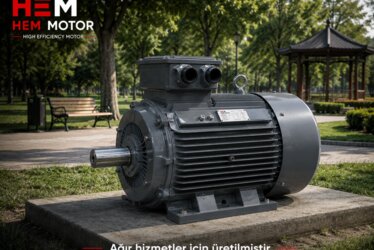
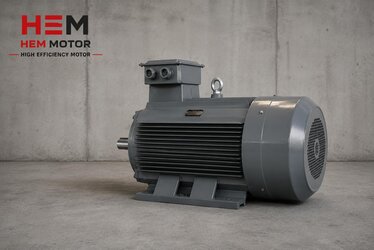
HEM Motor answers this diversity of automotive supply with strong stock and manufacturer assurance. Sourcing different load groups through a single supply channel, from impact-resistant frames for presses to precise-speed structures for CNC and repetitive-duty motors for robot lines, simplifies the work on both the engineering and purchasing sides. When fast delivery from stock, project-specific quotation and commissioning support are offered together, production continuity is secured. For different power and frame options you can quickly request a quote from the electric motor prices page.
Practical Checklist for Correct Supply
- Did you group each machine by load character rather than kW?
- Do you have flywheel inertia and stroke frequency data for press motors?
- Is the speed range and drive compatibility clear for CNC spindles and axes?
- Was the repetitive duty type considered for robot and transfer lines?
- Is access to spare motors from stock planned for critical machines?
Frequently Asked Questions
Can a single type of motor be used for all machines in automotive supply?
No. A press draws pulsating high peak torque while a CNC spindle demands precise stable speed; these two requirements are opposite. Machines must be grouped by load character and each group fed with a motor suited to its own duty type.
Which data is most critical when selecting a press motor?
Flywheel inertia and stroke (press) frequency are the most critical data. Because the press draws a pulsating load, average power is misleading; the motor's peak torque and ability to turn high inertia are decisive.
How quickly can a line-stopping motor be supplied?
With a supplier holding strong stock and backed by manufacturer assurance, motors in common powers and frames are completed from stock with fast shipment. Planning spares in advance for critical machines keeps the line from ever stopping.