English
 Türkçe

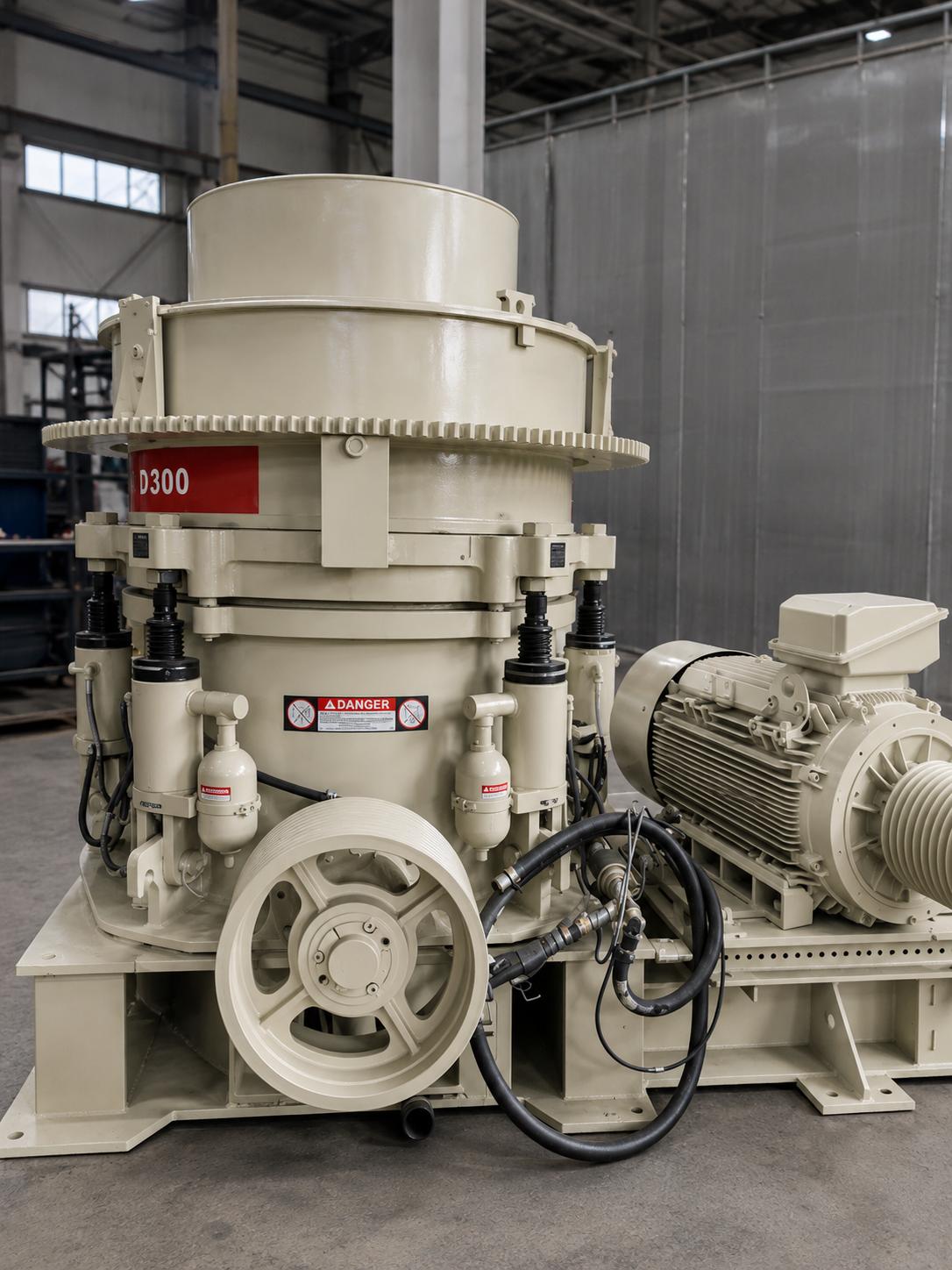

When selecting a motor to operate in an explosive atmosphere, the type of protection matters as much as the efficiency class. While IE5 synchronous reluctance technology stands out as the motor of the future with its ultra-high efficiency and magnet-free rotor, sending such a motor into an environment with a risk of gas or dust explosion requires choosing the correct explosion-protection type. In this article we examine the Ex e (increased safety) protection type on IE5 synchronous reluctance motors: the spark-free design logic, the surface temperature limit and temperature (T) classes, Zone 1 and Zone 2 gas zones, the tE time, the subtleties of drive-fed (VFD) Ex operation, certification, and in which application Ex e is the right choice, all with technical tables. Our goal is to help you define the right motor that meets both safety and efficiency targets at the same time.
Selecting a motor for an explosive atmosphere is never something to be approximated; the wrong protection type creates both legal non-compliance and a real risk to life and property. That is why, when choosing a protection type like Ex e, the zone classification of the environment, the ignition temperature of the gas present, and the motor's surface temperature are evaluated together. At HEM Motor we supply IE5 synchronous reluctance motors with Ex protection types and certification options suited to the application; this article is a guide to clarifying the right protection type before ordering.
What Is Ex e (Increased Safety)?
Motors used in explosive atmospheres are built with different protection types; the most common are Ex d (flameproof enclosure), Ex e (increased safety) and Ex nA/Ex ec (non-sparking) types. The Ex e protection type rests on a design philosophy in which additional measures are taken to prevent sparks, arcs or dangerous temperatures from arising in normal operation. That is, instead of confining a possible explosion within an enclosure as in Ex d, Ex e aims to prevent the ignition source that would start the explosion from arising in the first place.
This philosophy translates into concrete design measures on the motor: increased insulation distances (creepage and clearance), higher-quality winding insulation, robust and non-loosening terminal connections, strict temperature limits and a safe tE time. The magnet-free and cageless rotor of the synchronous reluctance motor is naturally suited to this philosophy; there is no risk of contact that could produce sparks or of permanent-magnet-induced heating in the rotor.
| Protection Type | Logic | Typical Zone | Feature |
|---|---|---|---|
| Ex d (flameproof) | Confines explosion within enclosure | Zone 1 | Heavy, thick body |
| Ex e (increased safety) | Prevents an ignition source from arising | Zone 1 / Zone 2 | Spark-free, strict temperature limit |
| Ex ec / Ex nA (non-sparking) | No spark in normal operation | Zone 2 | More economical, lower-risk zone |
| Ex tb / tc (dust) | Limits dust ingress and temperature | Zone 21 / 22 | Dust explosion environment |
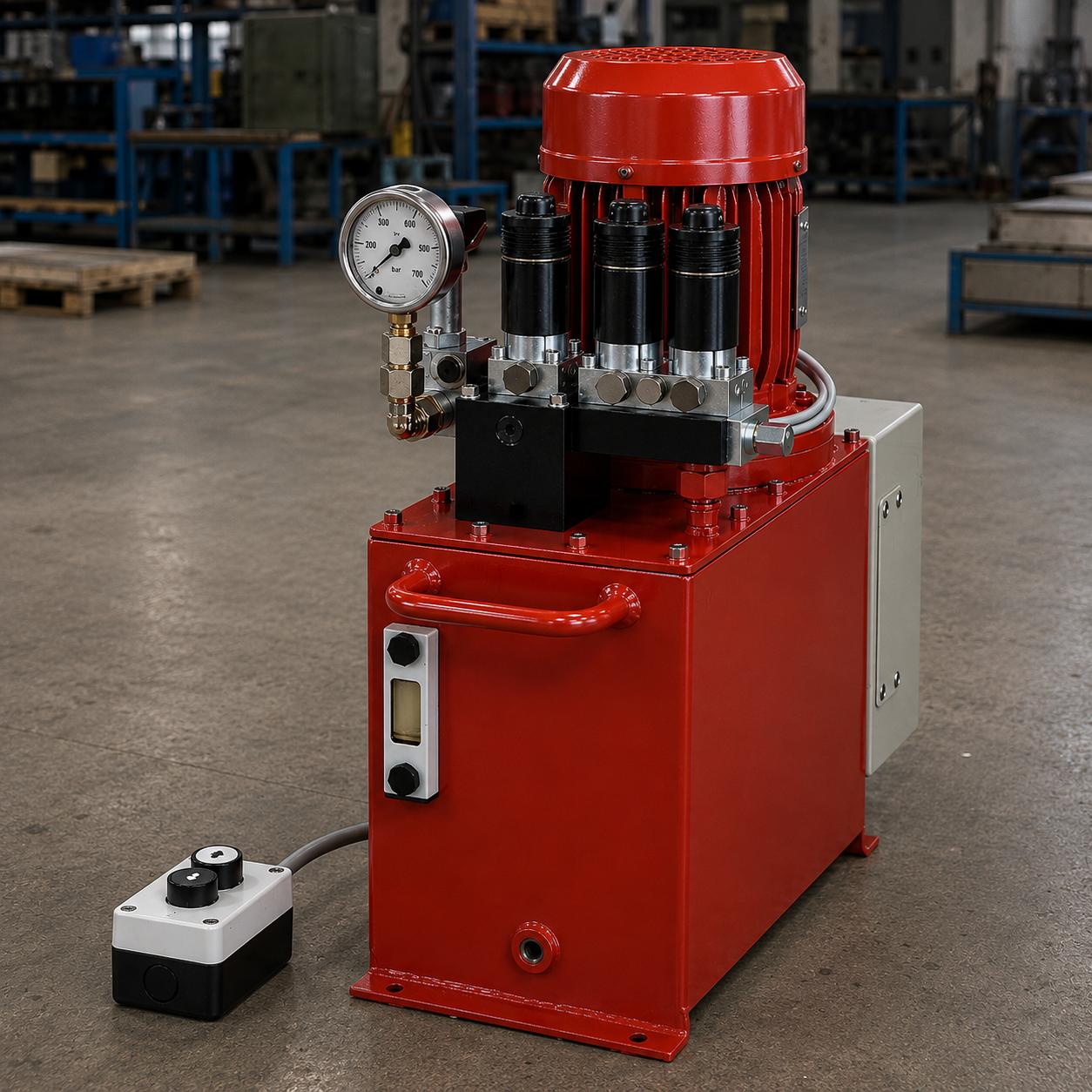
Zone Classification and Gas Groups
Explosive atmospheres are divided into zones according to how often the explosive atmosphere is present. For gas environments Zone 0, Zone 1 and Zone 2 are used; for dust environments Zone 20, Zone 21 and Zone 22. Which protection type the motor must have depends directly on the zone where it will be installed:
- Zone 0: The zone where an explosive atmosphere is present continuously or for long periods; a motor is not installed directly.
- Zone 1: The zone where an explosive atmosphere may occur from time to time in normal operation; an Ex d or a suitably certified Ex e motor is used.
- Zone 2: The zone where an explosive atmosphere does not normally occur, or only for a short time if it does; an Ex e or Ex ec/nA motor may suffice.
Alongside the zone, the gas group matters too; groups IIA (propane-like), IIB (ethylene-like) and IIC (hydrogen, acetylene) show increasing difficulty according to how easily the gas ignites. The motor's certificate must suit both the zone and the gas group. In dust environments, groups IIIA/IIIB/IIIC are used. The correct order defines the zone and gas/dust group together.
Surface Temperature Limit and T Classes
Perhaps the most critical parameter of Ex protection is the motor's maximum surface temperature. Even if a motor produces no spark, if its surface reaches the ignition temperature of the gas in the environment it can start an explosion. That is why Ex motors are divided into T classes according to their maximum surface temperature. The motor's T class must be chosen so that it is lower than the ignition temperature of the gas in the environment.
| T Class | Max. Surface Temp. | Example Gas (Ignition Temp.) | Suitability |
|---|---|---|---|
| T1 | 450 °C | Methane (~537 °C) | Widest gas range |
| T2 | 300 °C | Ethanol, acetone | Broad application |
| T3 | 200 °C | Gasoline, hexane | Common hydrocarbons |
| T4 | 135 °C | Acetaldehyde, diethyl ether | Strict temperature limit |
| T5 | 100 °C | Special applications | Very low surface temperature |
| T6 | 85 °C | Carbon disulfide | Strictest limit |
Most industrial applications require the T3 or T4 class. The low losses of the IE5 synchronous reluctance motor are an advantage here: a motor that produces less heat reaches a lower surface temperature, which can make it easier to meet stricter T classes. However, it must be remembered that the T class of an Ex e motor is determined by both the motor's own heating and the maximum temperature it can reach within the tE time.
tE Time: The Key to Increased Safety
One of the most critical concepts in Ex e protection is the tE time. tE is the time from the moment the rated current is drawn in a locked-rotor condition (for example a fault where the motor cannot start or has jammed) until the winding reaches its maximum permissible temperature. Within this time the protection device (usually a special overload relay) must disconnect the motor. The longer the tE, the more comfortably the protection operates; the shorter the tE, the faster the protection must be.
The tE time and the locked-rotor current ratio (IA/IN) are stated on the nameplate of an Ex e motor; the protection relay is selected and set according to these values. A wrongly set overload relay undermines the foundation of Ex e protection, because the entire logic of increased safety rests on protecting the winding before the tE time expires. That is why, when buying an Ex e motor, the correct protection device must be selected together with the motor.
Drive-Fed (VFD) Ex e Operation
IE5 synchronous reluctance motors run with a drive (VFD) by design. Drive-fed operation in an explosive atmosphere requires additional care, because the drive creates extra heating and variable operating conditions in the motor. The certification of a drive-fed Ex e motor may require the motor to have been tested with a specific drive or under specific conditions (frequency range, cooling). Especially in applications requiring continuous torque at low speed, since the motor's own fan cannot cool it sufficiently, external (forced) cooling may be needed; this is evaluated as part of the Ex certification.
The safest approach here is to supply the motor and drive as a package, with Ex compliance verified together. Given that a synchronous reluctance motor cannot run without a drive, it becomes important that the Ex certificate covers the motor-drive combination. The drive is also placed in the non-hazardous area (the panel); the motor is in the explosive atmosphere while the drive is in the clean area.
Certification and Reading the Ex Label
The safety of an Ex motor is documented by the certificate and label information on it. Under the European ATEX directive and the international IECEx scheme, the motor's protection type, gas/dust group, temperature class and equipment protection level (EPL) are present on the label in coded form. Reading this code correctly is the first step to understanding whether the motor really suits the environment it is going to. For example, a marking on the label expresses together the protection type (Ex e), the gas group (IIB), the temperature class (T4) and the equipment protection level.
| Marking Element | Meaning | Example |
|---|---|---|
| Ex | Explosive-atmosphere equipment | Ex |
| Protection type | Explosion-protection method | e (increased safety) |
| Gas group | Ease of gas ignition | IIB |
| Temperature class | Max. surface temperature | T4 |
| Equipment protection level (EPL) | Suitability for the zone | Gb (Zone 1) |
The information on the label must match exactly the requirements defined in the plant's explosion-protection document (for example the zone classification report). A motor's label saying Ex e is not sufficient on its own; that motor's gas group and T class must meet the requirement of the zone where it will be installed. A mismatch leads even a certified motor to be used in the wrong place and thus to a safety gap. That is why, at the order stage, sharing the plant's zone classification information completely is the key to supplying the right motor.
Certification also binds the motor's maintenance and repair. Ex motors can lose their protective property through unauthorized intervention; for example a wrong winding repair or an unsuitable gasket can invalidate the motor's Ex compliance. For this reason the maintenance of Ex motors must be performed in accordance with the requirements of the protection type and recorded. Working with the right supplier makes it easier to preserve this compliance both at the initial purchase and in lifetime maintenance.
In Which Application Is Ex e the Right Choice?
With its philosophy of preventing an ignition source from arising, Ex e protection is a practical and economical solution in most Zone 1 and Zone 2 gas environments. While it generally offers a lighter and more economical body than Ex d, it provides high safety with its spark-free design. The right choice becomes clear with the environment's zone, gas group and required T class:
- Petrochemicals, refineries, fuel loading: typical Zone 1/2, IIA-IIB gas, T3 class common.
- Paint, varnish and solvent plants: Ex e is often preferred due to solvent vapor.
- Pharmaceutical and chemical processes: Ex e or Ex d is chosen according to the gas group.
- Grain, flour, sugar (dust): for dust explosion, Ex tb/tc is a separate protection type.
In plants with high efficiency targets, combining IE5 synchronous reluctance with Ex e is a powerful combination providing both energy savings and explosion safety. However, in every case the final protection type and T class must be determined according to the official zone classification of the environment and the certification requirements.
Frequently Asked Questions
What is the fundamental difference between Ex e and Ex d?
Ex d (flameproof) prevents a possible explosion from spreading outward by confining it within a thick enclosure; it requires a heavy and robust body. Ex e (increased safety), on the other hand, aims to prevent the ignition source that would start the explosion from arising in the first place; it works with a spark-free design, strict temperature limits and a safe tE time. The two are different philosophies, chosen according to zone, gas group and application; in some cases combined protection types are also used.
Why is the IE5 synchronous reluctance motor suitable for Ex e?
The rotor of the synchronous reluctance motor is magnet-free and cageless; there is no contact that could produce sparks or uncontrolled heating from permanent magnets in the rotor. It also produces less heat thanks to its low losses, which by keeping the surface temperature low can make T-class compliance easier. These features make the motor naturally close to the increased-safety philosophy.
Can I run an Ex e motor without a drive?
IE5 synchronous reluctance motors run with a drive by design; you cannot start them directly from the grid without a drive. For this reason you must ensure that the Ex certification covers the motor-drive combination and the required cooling conditions. The correct approach is to supply the motor and drive as a package with Ex compliance verified together.
Let us determine the right protection type together for your IE5 synchronous reluctance motor that will operate in an explosive atmosphere. Share with us the environment's zone class, the gas or dust group and the required T class; HEM Motor offers a quote to help you define the right motor with an application-suitable Ex protection type, certification and drive compatibility. Safety and efficiency are achieved together in a correctly defined motor.