English
 Türkçe

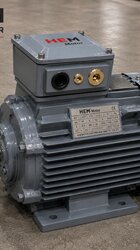
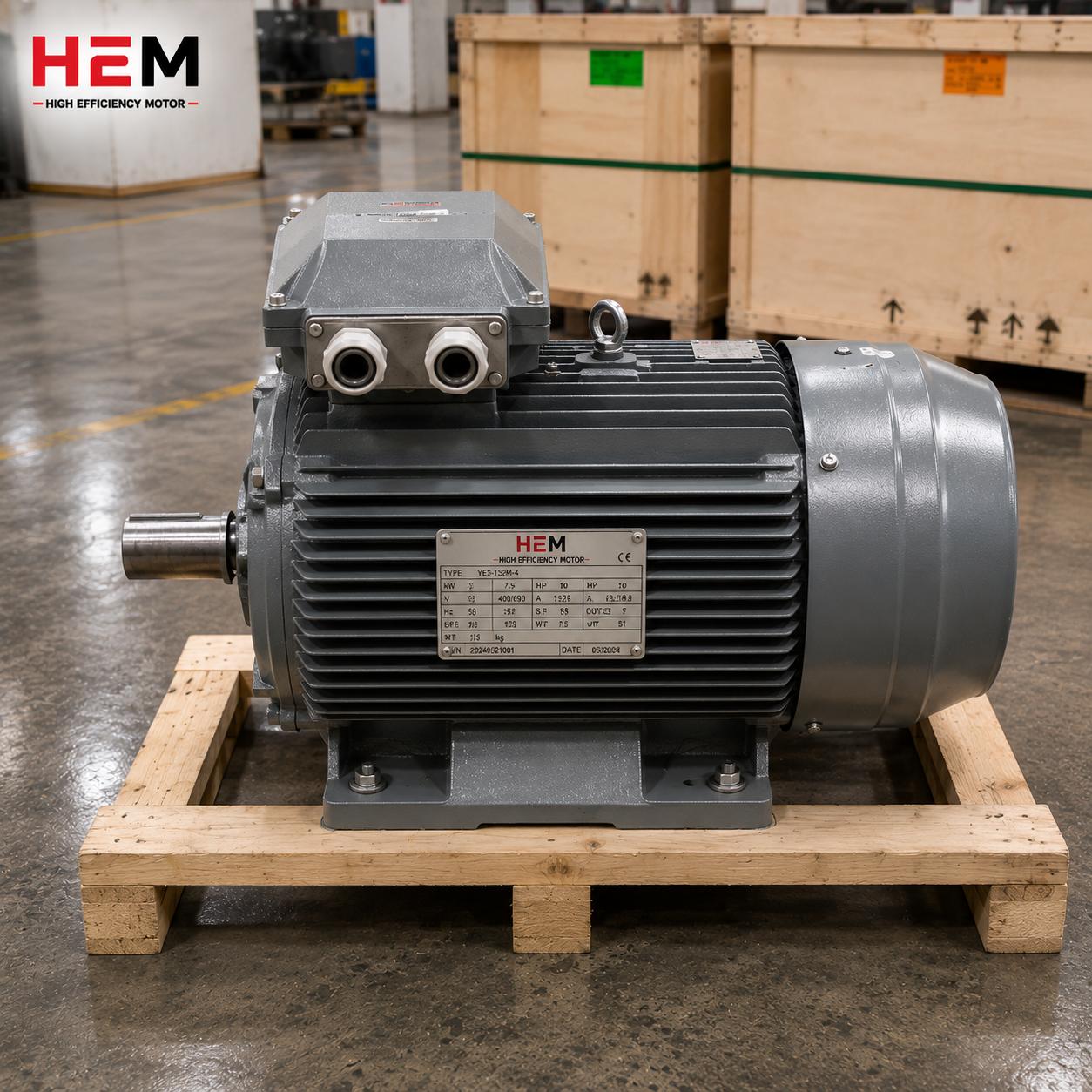

The marine environment is one of the most demanding operating conditions in the world for an electric motor. Continuous vibration, the ship's inclination and roll motions, salty humidity, condensation, limited maintenance opportunity and the requirement for uninterrupted operation all come together. For shipowners who want both ultra high efficiency and classification society approval under these conditions, the IE5 synchronous reluctance (SynRM) marine type motor is one of the most notable solutions of recent years. The IE5 ultra premium efficiency class markedly reduces the energy consumption and fuel or generator load on the ship, while marine type approval ensures the motor is documented as compliant with the marine rules of a classification society such as DNV. At HEM Motor, supplying ship type, type-approved IE5 synchronous reluctance motors with the right protection class, the right vibration-inclination resistance and the right documentation is the most critical step in marine projects. This article covers the SynRM advantage on board, vibration and humidity-salt protection, what the type approval certificate means, protection requirements such as IP56/W, and what the right choice is in each marine application, all focused on the purchasing decision.
Why Is the IE5 Synchronous Reluctance Motor Advantageous on Board?
The synchronous reluctance motor is a motor type with no magnets or windings on its rotor, producing torque purely from the reluctance (magnetic resistance) difference of a specially shaped iron pack. Because there is no copper loss or magnet in the rotor, efficiency is very high and reaches the IE5 ultra premium class. On board, this superior efficiency feeds directly into fuel and generator load: a significant part of the ship's electrical energy is consumed in pump, fan and crane motors, and every efficiency point of these motors means power produced by the generator and therefore fuel consumption. When losses drop with an IE5 motor, fuel is saved and motor heating is reduced, which is an important advantage in a hot engine room.
Another major advantage of the SynRM motor for ships is that there is no magnet in its rotor. In permanent magnet motors the magnets carry a risk of demagnetisation at high temperature and corrosion in salty humidity; the SynRM rotor is a solid iron pack and is unaffected by these risks. We covered the supply and cost advantage of the magnet-free rotor in our IE5 magnet-free rotor supply advantage article, and the basis of the technology in our IE5 and synchronous reluctance motors article. It should also be remembered that the SynRM motor does not run without a drive and must always be used as a package with a suitable drive.
The importance of efficiency on board is far greater than on shore. On shore a motor is fed from the grid and efficiency feeds directly into the electricity bill; on a ship, electricity is produced from the fuel the ship's generators burn. So every loss in the motor means the generator burns more fuel. Moreover, cooling capacity on board is limited; the excess heat produced by low-efficiency motors increases the ventilation and cooling load of the engine room. When losses fall with an IE5 SynRM motor, this double gain appears: direct fuel saving, and less load on the cooling system thanks to less waste heat. On continuously running pumps and fans, this gain turns into a significant total saving over the life of the ship.
Another practical superiority of the synchronous reluctance motor is its part-load efficiency behaviour. Many auxiliary drives on board rarely run at full load; pumps and fans usually turn at variable load and partial capacity. Because the SynRM motor holds its efficiency well at part load, it provides a clear advantage over its asynchronous counterpart in this operating profile. Considered together with this part-load behaviour, it becomes clearer why the IE5 SynRM choice is sensible in variable-load environments such as ships.
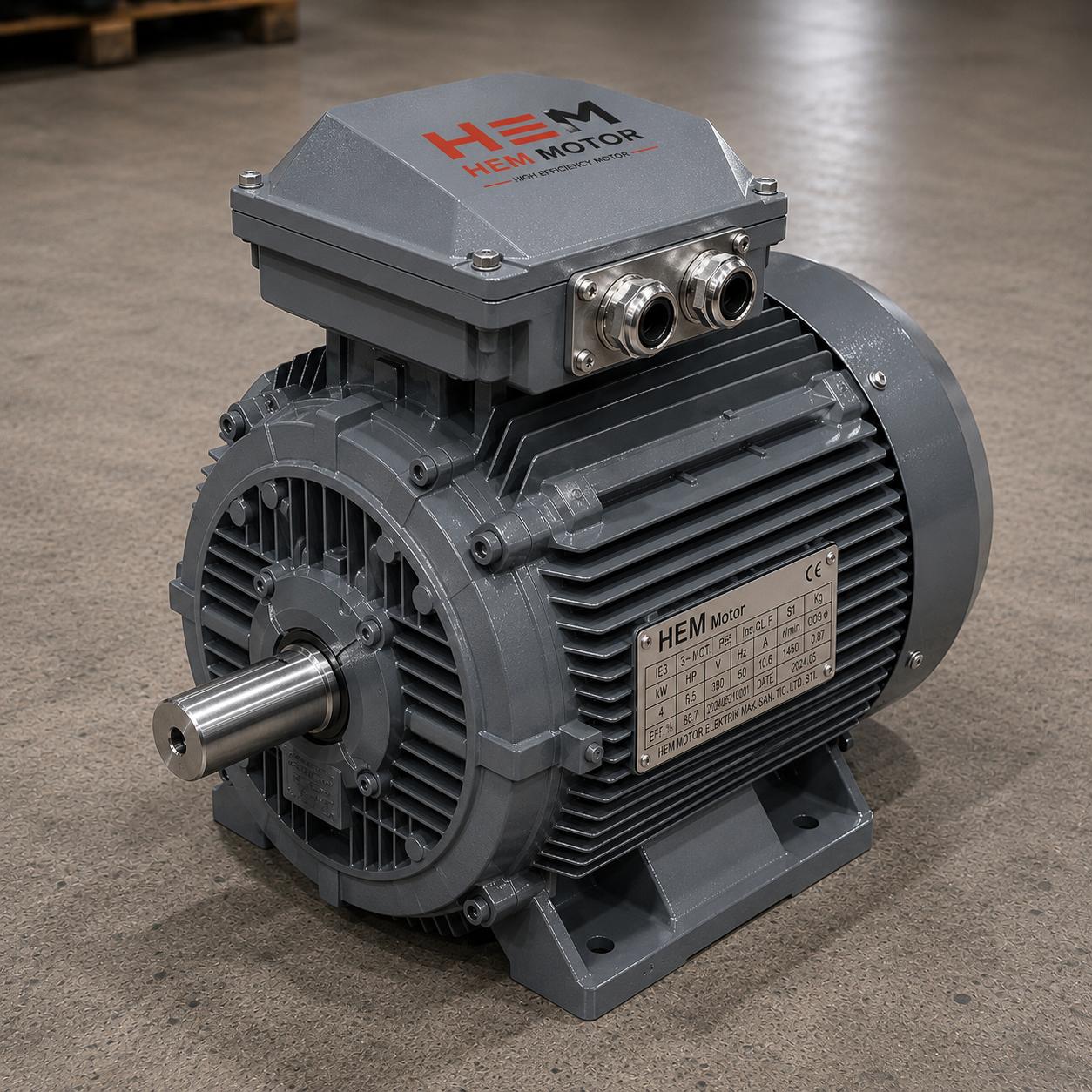
What Is Type Approval and Why Is It Mandatory on Board?
In shipping, for equipment to be installed on a vessel a classification society's type approval is usually required. Classification societies are independent organisations that audit the compliance of the ship and its equipment with marine rules. A motor's type approval is a certificate documenting that the motor model has passed certain tests (such as vibration, inclination, damp heat, dry heat and salt mist) and will withstand marine conditions. This document shows the motor is approved on a model/type basis rather than unit by unit; motors produced from that type can then be installed on board.
Type approval is not just a piece of paper; there are real test requirements behind it. The motor is expected to keep its lubrication and cooling at the inclination angles caused by ship motions (static inclination and dynamic roll), withstand certain vibration amplitudes and frequencies, and protect its winding insulation in high humidity and salt mist. So a marine type-approved motor is designed differently from a standard industrial motor: it includes reinforced bearings, tropicalised winding, an additional protective coating and suitable mounting details.
The importance of the type approval certificate for the project is significant. During a shipbuilding or maintenance project, when the classification society surveyor inspects the equipment they want to see the type approval certificate of every critical motor. A motor without a certificate, however good its performance, cannot be installed on board as approved and causes delays in the project. So it is not enough for the motor to be technically suitable; the relevant type must hold a valid type approval certificate and this document must be added to the project file. At HEM Motor, planning the motor together with this document prevents surprises in marine projects.
| Marine Requirement | Typical Expectation | Equivalent in the Motor |
|---|---|---|
| Static inclination | ~15-22.5 degrees | Lubrication and bearing work at this angle |
| Dynamic roll | ~22.5-30 degrees | Oil and cooling maintain continuity |
| Vibration resistance | Wide frequency band, increased amplitude | Reinforced frame and bearing |
| Humidity and salt protection | High humidity, salt mist | Tropicalised winding, extra coating |
| Protection class | Usually IP55 and above | Sealed terminal box, gasket |
| Insulation thermal class | F or H | High temperature margin |
How Are Vibration, Inclination and Humidity-Salt Protection Achieved?
A marine motor's resistance to the harsh environment is achieved through three main design measures. First, mechanical strength: the ship vibrates and inclines continuously; the motor's frame, bearings and fasteners are reinforced to carry these loads. Second, humidity and condensation protection: the ship environment is highly humid and condensation forms inside the motor with temperature changes; tropicalisation (coating the winding with additional impregnation and protective varnish) and, where needed, an anti-condensation heater manage this condensation. Third, corrosion protection: salty sea air corrodes metals quickly; special paint systems, stainless or coated fasteners and a sealed terminal box slow corrosion.
Humidity and condensation management is especially critical in marine use; our tropicalisation and humidity protection article, which we treat in depth, also explains how the anti-condensation heater is selected. For protection class selection, our IP protection class selection article clarifies which IP level is needed in a ship application.
IP56/W and Marine Protection Details
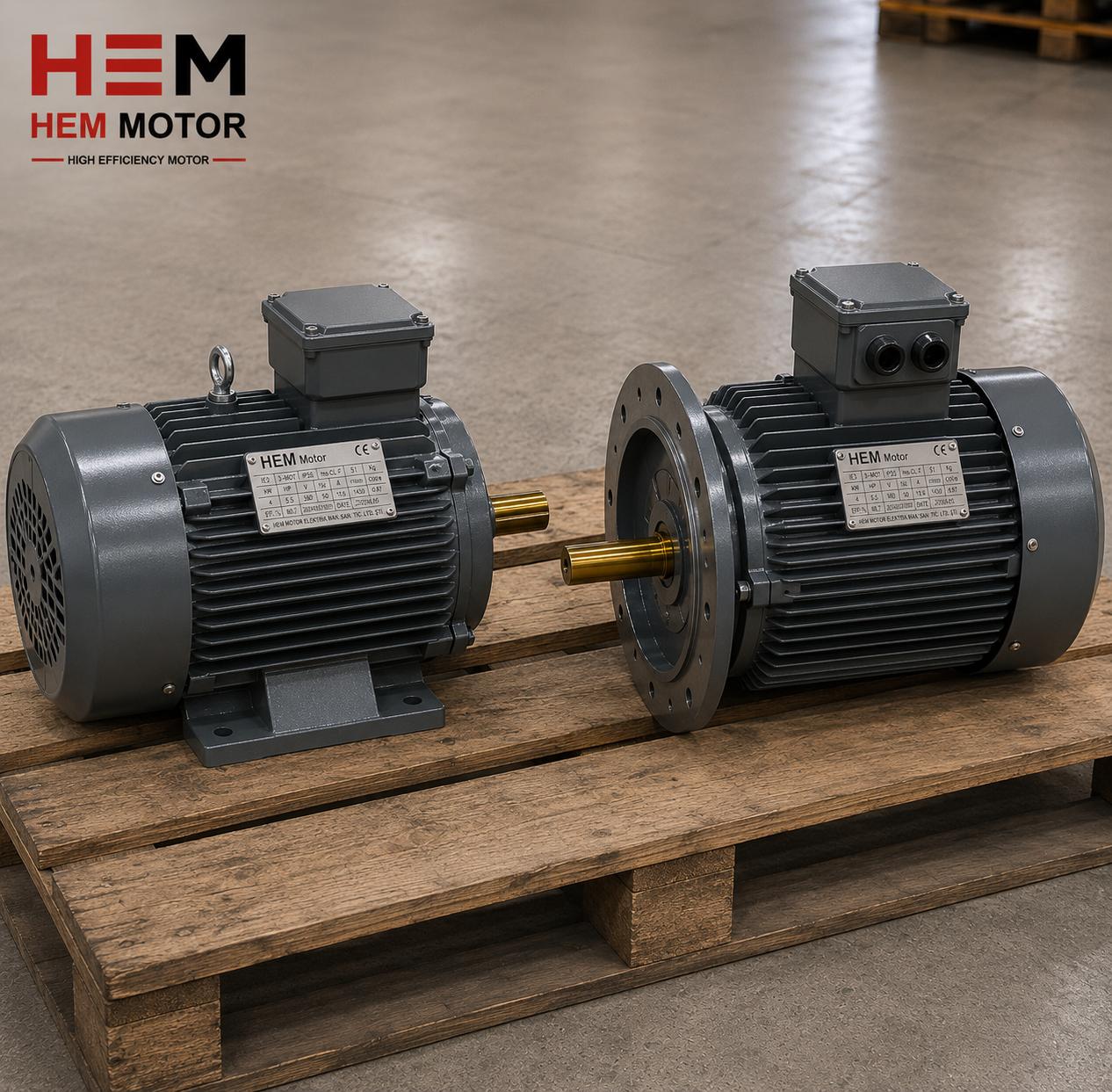
In ship applications the protection class is determined by whether the environment is on the open deck or in the engine room. While IP55 may often be sufficient in closed but humid environments such as the engine room, higher protection is wanted in above-deck applications with water spray and wave risk. Classes such as IP56 provide protection against strong wave splash; on some motors an additional weather protection applied to the frame is marked "W" (weather protected). The right IP and weather protection selection must be made according to the motor's location on the ship.
- Engine room (enclosed, humid): IP55 and tropicalised winding are often sufficient.
- Above deck (wave, water spray): IP56 and additional weather protection are recommended.
- High salt/corrosion zone: Reinforced paint system and stainless fasteners.
- Long standstill/idle: Condensation is prevented with an anti-condensation heater.
Because the SynRM motor runs with a drive, the drive-motor compatibility and commissioning on board must also be planned according to marine conditions. We detailed the drive compatibility and commissioning checklist in our drive and installation compatibility for IE5 article, and bearing current protection in drive operation in our IE5 shaft grounding and bearing current article.
Which Marine Application Is the Right Choice?
Many auxiliary drives on board are suitable for the IE5 synchronous reluctance marine motor. The most common applications are:
- Pumps: Ballast, fire, cooling water, bilge and transfer pumps; because they run continuously, the efficiency gain is highest here.
- Fans and blowers: Engine room ventilation, cargo hold fans; big savings with variable speed.
- Cranes and winches: Load lifting, rope winches; where precise control and torque are needed.
- Compressors: Air and refrigeration compressors; efficiency advantage under continuous load.
When selecting the right motor for these applications, alongside power, speed and frame size, the protection class, type approval requirement and drive package must be determined together. You can evaluate the IE5 SynRM frame-power match with our IE5 frame-power table article, and the stock range with our IE5 stock range article. In projects requiring type approval, the motor must hold the relevant classification society approval on a model basis and the certificate must be added to the project documentation.
Frequently Asked Questions
Is marine type approval mandatory for every ship motor?
It varies by the ship's flag, classification society and the criticality of the equipment. For drives critical to life and safety such as fire pumps and ballast pumps, type approval is generally mandatory. For some less critical auxiliary drives the requirement may differ. The best approach is to clarify at the start of the project, according to the rules of the relevant classification society, which motors must be type-approved; we then supply the motor documented to this requirement.
Why is the IE5 synchronous reluctance motor preferred over a magnet motor on board?
Because the SynRM rotor has no magnet. While the magnets in permanent magnet motors carry a risk of demagnetisation at high temperature and corrosion in salty humidity, the SynRM rotor is a solid iron pack and is unaffected by these risks. There is also no dependence on the magnet supply chain. At the same IE5 efficiency class, SynRM is advantageous in terms of durability to marine conditions.
Does the SynRM marine motor run without a drive?
No. The synchronous reluctance motor cannot be started directly from the grid; it always runs as a package with a suitable frequency drive. In a ship application the drive and motor must be planned together, and the drive must also be in a panel suitable for marine conditions and at the correct protection class. The right drive-motor match determines both efficiency and reliability.
At HEM Motor, for your marine projects we supply ship type, type-approved IE5 synchronous reluctance motors with the right protection class (including IP56/W), tropicalised winding, an anti-condensation heater option and a suitable drive package. For the pump, fan, crane and compressor drives on your ship, we plan the most suitable IE5 SynRM configuration documented to classification society requirements and provide a fast delivery from stock option. Share your project's application, power, speed and class requirements; request a quote for the right motor configuration for ultra efficiency at sea.