English
 Türkçe

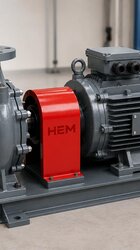
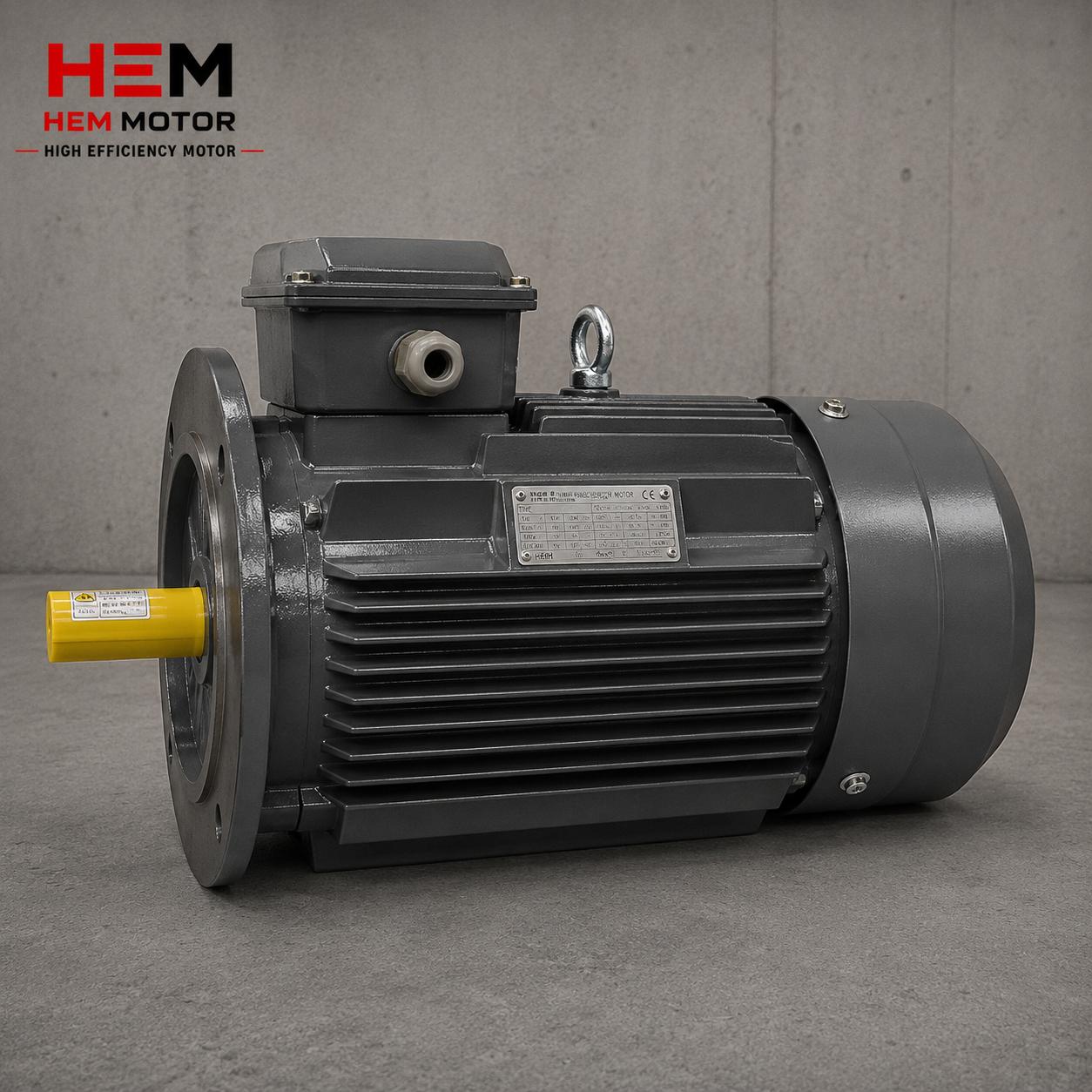

Using a standard electric motor in environments containing explosive gas, vapour or dust is not just a non-compliance but a direct risk to life and property. In such environments, the use of an explosion-proof (ATEX certified) motor is often a legal obligation. However, the "explosion-proof motor for every hazardous environment" approach is also wrong; choosing an unnecessarily high protection class inflates the budget, while insufficient protection creates a fatal risk. This guide clearly explains, for plant managers, procurement and project engineers, when an explosion-proof motor is mandatory, the zone classification, the protection types and the information needed for correct supply. The goal is to source the exactly suitable motor for your environment with the right certificate.
What Does an Explosion-Proof (ATEX) Motor Mean?
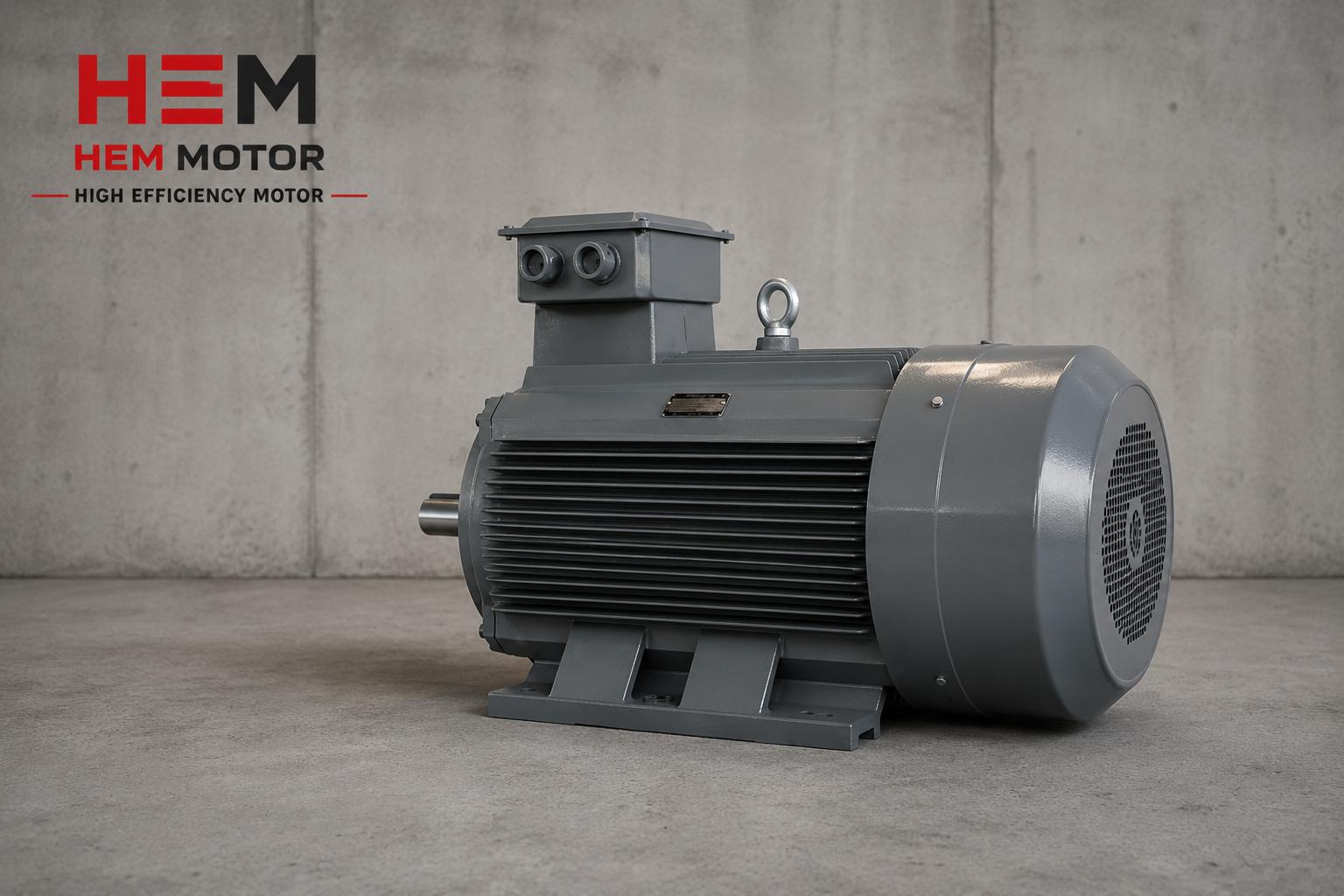
An explosion-proof motor is a certified electric motor designed so that it does not ignite the explosive atmosphere around it. ATEX is the name of the European Union directive for equipment used in explosive environments; it is the abbreviation of "Atmosphères Explosibles". For a motor to be explosion-proof, it must either confine the spark inside a fully enclosed housing (flameproof construction) or never create an ignition source in any way (increased safety).
A standard IP55 motor is protected against dust and water, but the terminal spark, winding heating or bearing friction inside it can ignite an explosive atmosphere. Therefore, the IP protection class alone is not sufficient in an explosive environment. To clarify the difference between IP protection and explosion-proof, you can review our IP protection class selection article.
How Are Explosive Environment Zones Classified?
The basis of explosion-proof motor selection is the zone classification of the environment in which it will operate. ATEX divides the environment into zones according to the frequency of formation of the explosive atmosphere. Zones 0, 1 and 2 are defined for gases and vapours; Zones 20, 21 and 22 are defined for dusts.
Gas and Vapour Zones (Zone 0, 1, 2)
Zone 0: The explosive atmosphere is present continuously or for long periods (for example inside tanks). Motors are generally not placed in this zone. Zone 1: The explosive atmosphere forms occasionally during normal operation (pump stations, filling lines). Zone 2: The explosive atmosphere does not form during normal operation and, if it forms, remains for a short time (fault or leak condition). Different protection types and therefore different motor costs apply to Zone 1 and Zone 2.
Dust Zones (Zone 20, 21, 22)
Zone 20: A combustible dust cloud is continuously present. Zone 21: The dust cloud forms occasionally during normal operation. Zone 22: The dust cloud does not form during normal operation and forms rarely and for a short time. Flour mills, feed factories, sugar and starch plants are environments that typically carry dust explosion risk. For motor selection in dusty environments, our feed factory and mill motors selection article provides complementary information.
Protection Types: Ex d, Ex e and Others
Explosion-proof motors are produced according to different protection principles. The two most common types are: Ex d (flameproof): even if an explosion occurs inside the motor, the flameproof housing does not let this flame out and does not ignite the explosive atmosphere. It has a heavy and durable housing. Ex e (increased safety): the motor is designed with additional safety measures so that it does not create sparks or dangerous temperatures during normal operation.
In practice, Ex d or an Ex de combination is generally preferred for Zone 1, while Ex e or Ex nA (non-sparking) solutions are preferred for Zone 2. The correct protection type must be determined together with the zone classification, both to ensure safety and to avoid unnecessary cost. We discuss the choice between a standard asynchronous motor and an explosion-proof motor in detail in our explosion-proof vs standard asynchronous motor article.
Gas Group and Temperature Class (T1-T6)
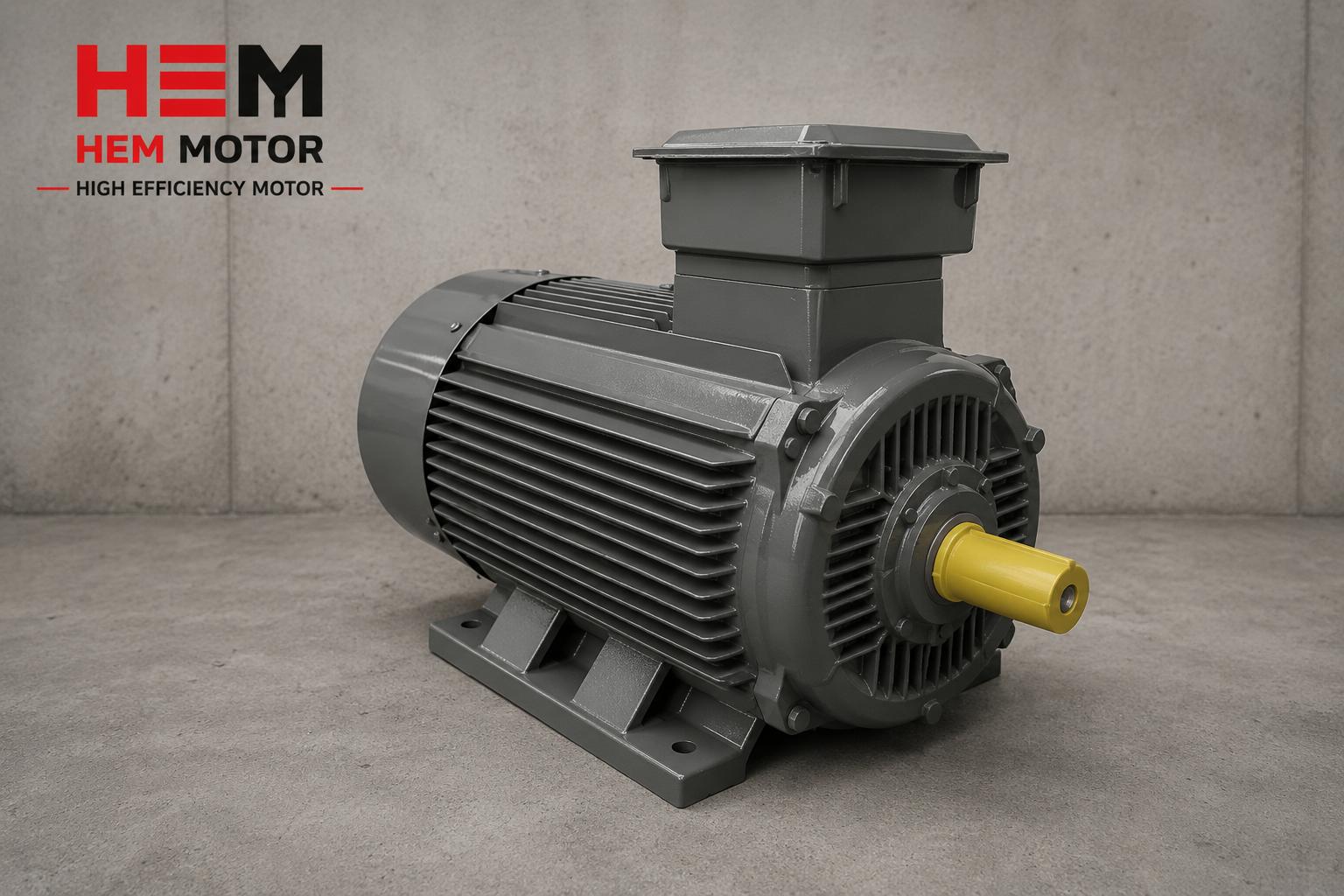
There are two more parameters as important as the zone in explosion-proof motor selection: the gas group and the temperature class. The gas group indicates how easily the explosive substance in the environment ignites. For above-ground applications, groups IIA (propane), IIB (ethylene) and IIC (hydrogen, acetylene) are defined; IIC represents the most difficult condition and requires the highest protection.
The temperature class (T1-T6) limits the maximum temperature that the outer surface of the motor can reach. While T1 (450°C) is the highest permitted surface temperature, T6 (85°C) is the lowest; the ignition temperature of the explosive substance in the environment must be higher than the surface temperature of the motor. For example, if there is a solvent vapour with a low ignition temperature, the T class of the motor must be selected accordingly (for example T4 or T5). These values must always be stated at the supply stage.
When Is an Explosion-Proof Motor Mandatory?
An explosion-proof motor is mandatory in environments such as oil and gas facilities, fuel filling and storage, paint and solvent production, chemical and petrochemical plants, flour and feed factories, sugar and starch plants, workshops producing wood dust, and mine and waste facilities carrying methane risk. If there is a possibility of gas, vapour or a combustible dust cloud forming in your working environment and the environment is classified as a hazardous zone, placing a standard motor in that zone is against regulations.
What is decisive here is the plant's explosion protection document and zone map. If this classification does not exist, the environment must be assessed before starting motor procurement. We also cover the risks brought by incorrect motor selection in our mistakes made when buying an electric motor article.
Certificate and Marking: What to Check When Ordering?
You can tell that an explosion-proof motor is genuinely certified from the Ex mark and certificate number on its nameplate. A typical marking reads as "Ex d IIB T4 Gb" — here Ex d indicates the protection type, IIB the gas group, T4 the temperature class, and Gb the equipment protection level. This marking must be exactly compatible with the zone classification of your facility.
When buying, it is important to check the validity of the certificate, the match between the label on the product and the document, and the required annexes. A missing or incompatible certificate creates problems in terms of both safety and inspection. To obtain an accurate and complete quote, we recommend our information required when requesting a quote list.
The Cost Difference Between Explosion-Proof and Standard Motors
Explosion-proof motors are significantly more costly than a standard motor of the same power due to the flameproof housing, special terminal box, certification and tight manufacturing tolerances. This cost difference varies according to the protection type and gas group; an Ex d motor for Zone 1 is more expensive than an Ex e or Ex nA motor for Zone 2. Therefore, the basic question in the purchasing decision should be "which zone does my environment really fall into?". Instead of equipping the entire facility to a single high protection class, classifying zone by zone provides serious savings.
For example, in a facility only the filling point may be Zone 1, while the rest of the area is a non-hazardous zone. In this case not all motors need to be explosion-proof; only the motors in the hazardous zone are certified, while the others remain standard. This approach both maintains safety and avoids unnecessary cost. You can review the general factors that determine motor prices in our factors affecting electric motor prices article. Instead of a fixed price, we recommend that you contact us for the correct quote specific to your environment.
Equipment Category and Protection Level (Gb, Db)
In ATEX marking, besides the zone and protection type, the equipment protection level (EPL) is also included. For gas environments the levels Ga, Gb, Gc are used; for dust environments Da, Db, Dc. These letters summarise which zone the motor is suitable for: the Gb level corresponds to Zone 1, Gc to Zone 2, Db to Zone 21, and Dc to Zone 22. Therefore, the expression "Gb" on a motor's nameplate indicates that the motor can be used in Zone 1 and Zone 2.
When ordering, establishing this match correctly is critical both to pass safety inspections smoothly and to avoid delays caused by incorrect motor supply. We discuss in detail the ways to prevent the wrong motor from arriving in our avoid the wrong motor delivery article. To clarify the gas or dust group of your environment, you need to refer to your facility's explosion protection document.
Considerations in Explosion-Proof Motor Supply
Explosion-proof motors may require longer delivery times than standard motors, because they are often supplied specifically for the zone, gas group and temperature class. Therefore, clarifying the lead time at an early stage when planning your project reduces the risk of downtime. In addition, the connection and installation of an explosion-proof motor are subject to special rules; the terminal connection, cable glands and grounding must be made in accordance with the explosion-proof standard.
When replacing an existing explosion-proof motor, the new motor must be identical or higher in protection not only in power and speed but also in protection type, gas group and temperature class. For our standard motor range and product categories, you can review our product page, and for efficient motor options our high-efficiency electric motors and IE3 electric motor ranges. You can reach all our electric motors guides from our blog page.
Frequently Asked Questions
Can a standard IP55 motor be used in an explosive environment?
No. IP55 provides protection against dust and water, but it does not prevent ignition of an explosive atmosphere. In an environment classified as a hazardous zone, only an ATEX certified explosion-proof motor can be used. Placing a standard motor is both a safety risk and a regulatory non-compliance.
What information should I provide when selecting an explosion-proof motor?
For the correct explosion-proof motor, you need to state the zone class of the environment (Zone 1/2/21/22), the gas or dust group, the required temperature class (T1-T6), the motor power, speed and mounting type. A photo of the existing motor nameplate and the plant's explosion protection document, if available, speed up the process.
Can I use a Zone 1 motor for Zone 2?
Yes, a motor with a higher protection level (certified for Zone 1) can be used in a lower-risk zone (Zone 2); the reverse is not valid. However, buying a Zone 1 motor for Zone 2 may create unnecessary cost; selecting the right protection for the right zone is both safe and economical.
Get a Quote
We supply certified explosion-proof (ATEX) and standard electric motors in the correct zone, gas group and temperature class with suitable solutions for your explosive environments. To safely select the exactly suitable motor for your environment, request a quote from our expert team: call +90 (532) 345 49 86 or send your request through our contact page.