English
 Türkçe

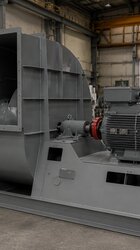
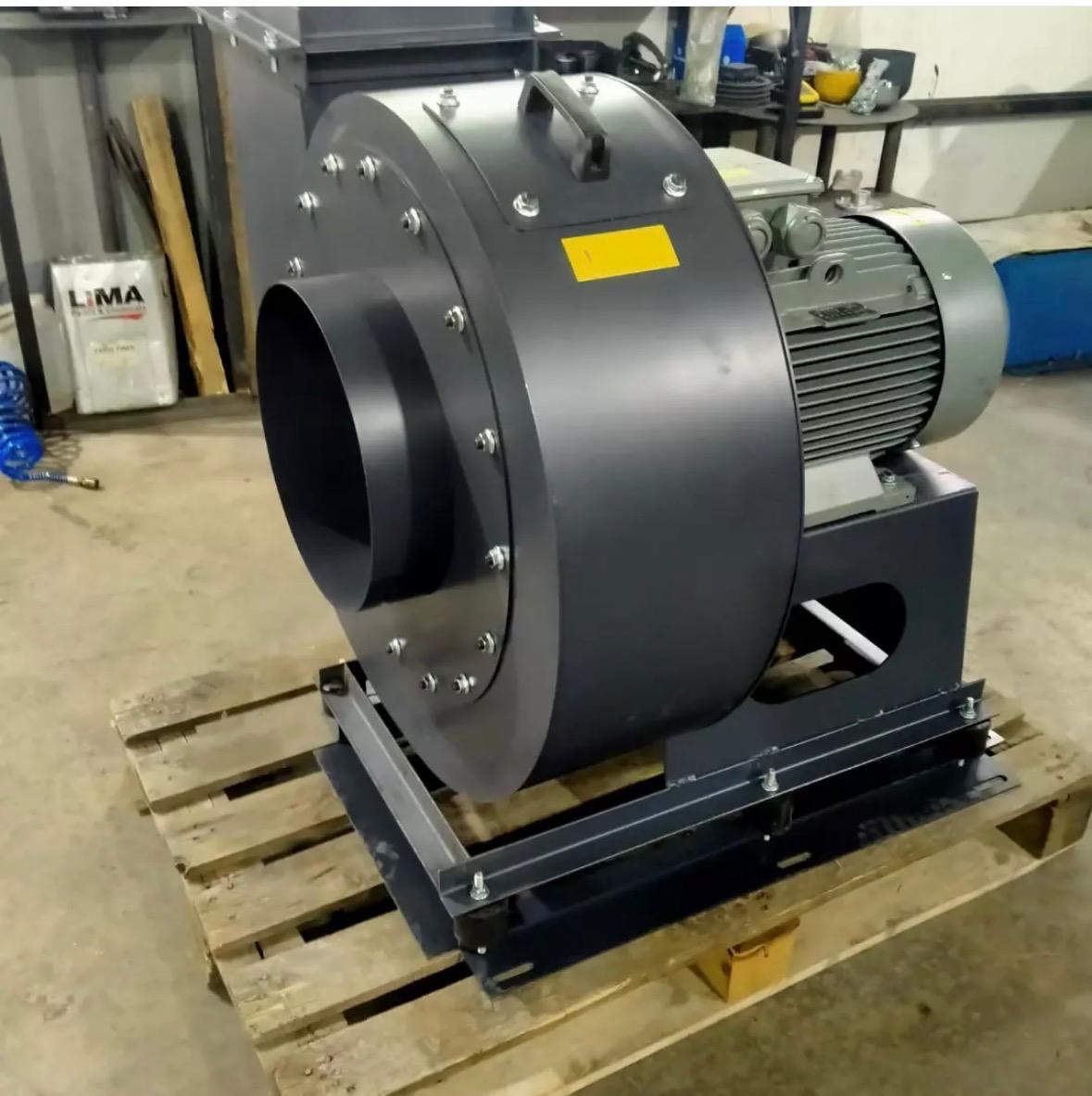

Tunnel, metro and highway jet fan systems provide air circulation and exhaust gas dilution under normal conditions; in the event of a fire, they take on a critical life-safety role by exhausting smoke in a controlled manner. For this reason, jet fan motors have a completely different requirement set from an ordinary fan motor: withstanding high temperature for a defined period (F300/F400), operating in both directions, and protection against outdoor conditions. In this guide we cover tunnel, metro and highway jet fan motors requirement by requirement, explaining what the F300 and F400 temperature classes mean, why reversible operation is essential, and how to plan project-based supply.
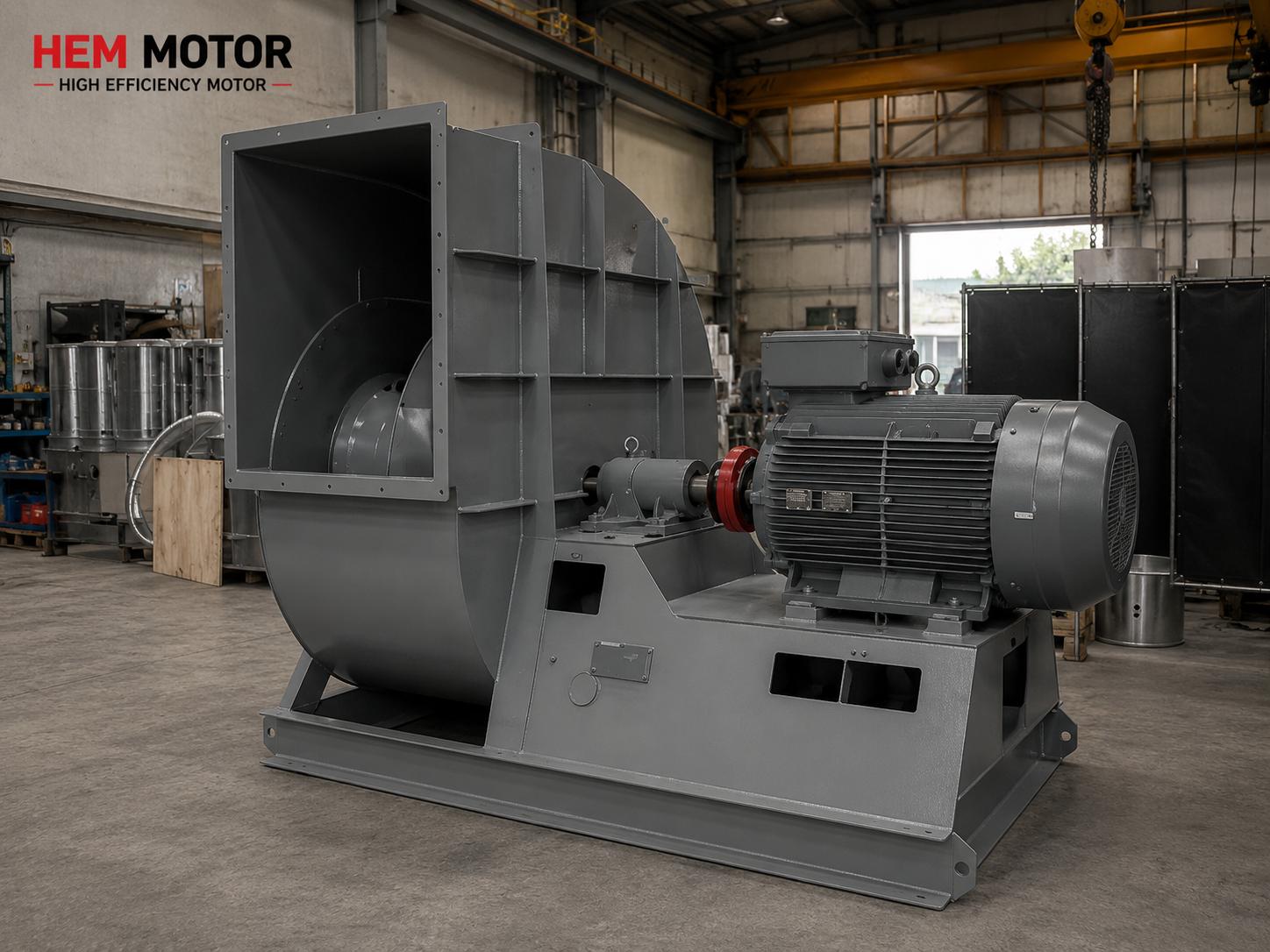
The Two Roles of a Jet Fan Motor: Ventilation and Smoke Exhaust
Jet fan motors are dual-role systems. The first role is to keep the air inside the tunnel clean and dilute exhaust gases during normal operation; in this role the fan runs at low or medium speed for long hours. The second and vital role is to engage during a fire to exhaust smoke toward a defined direction of the tunnel and keep the evacuation route clear. This second role makes it mandatory for the motor to keep running at high temperature for a defined period.
The same logic applies to smoke exhaust systems in shopping malls, car parks and enclosed spaces; we addressed the supply logic of these systems in detail in our smoke exhaust fan motor supply guide. The jet fan application is the adaptation of these principles to long, enclosed geometries such as tunnels and metros.
F300 and F400: What Do the High-Temperature Classes Mean?
The most critical technical value in smoke exhaust motors is the high-temperature endurance class. This class expresses how long the motor can keep running at a given temperature:
- F300: The motor can keep running at 300 degrees for 2 hours.
- F400: The motor can keep running at 400 degrees for 2 hours.
Which class is required is determined by the project fire scenario and the relevant regulation. In longer, high-traffic tunnels, F400 is generally required due to the high fire load; for shorter passages F300 may be sufficient. To provide this high-temperature endurance, the motor insulation class, winding and bearing selection differ from a standard motor. We addressed the effect of insulation class on life in a hot environment in our insulation class in hot and dusty environments article.
Continuous Operation Efficiency and Temperature Class Distinction
An important point: the F300/F400 class expresses only emergency endurance; the motor continuous operation in normal service is a separate duty profile. Since the fan runs for long hours in the normal ventilation role, an efficient class lowers energy cost. Therefore, in jet fan motors, normal operation efficiency is evaluated alongside emergency temperature endurance; our high-efficiency electric motors and IE3 motors range is suitable for striking this balance.
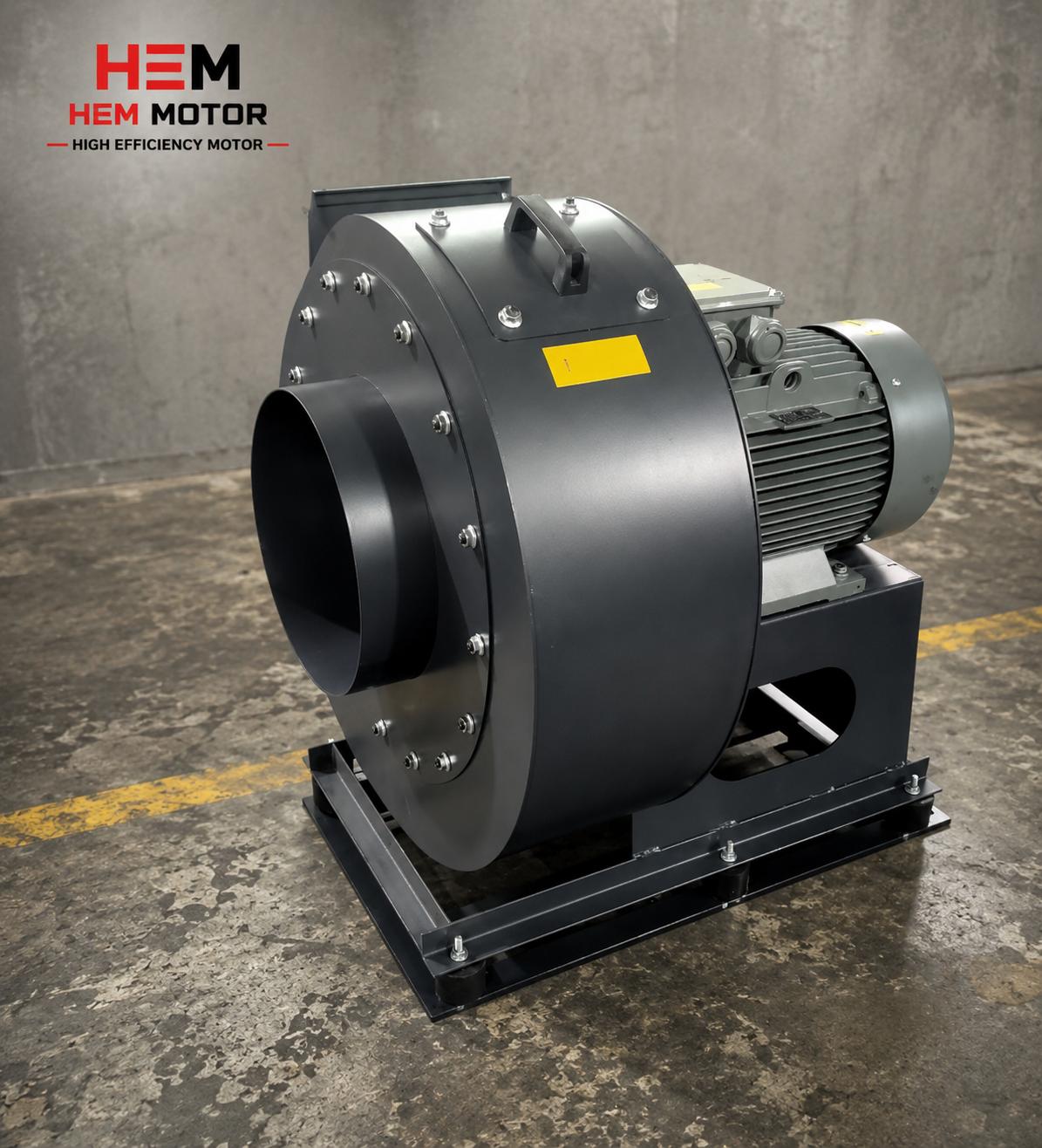
Reversible Operation
Most jet fans must be able to run in both directions with the same performance in order to exhaust smoke toward the direction of the tunnel determined by the scenario. This is called reversible operation. Depending on where in the tunnel the fire event starts, the control system sets the rotation direction of the fans to direct smoke toward the safest exhaust direction. Therefore the rotation direction and phase sequence design is critical in jet fan motors; we addressed the topic in our rotation direction and phase sequence article. In fans that will run in both directions, the blade design is selected symmetrically so that the thrust force is balanced in both directions.
IP Protection and Outdoor Endurance
The tunnel and metro environment is a harsh one containing exhaust soot, moisture, dust and wash water. Therefore jet fan motors must have at least IP55 protection. Since exhaust dirt can accumulate on the motor cooling surfaces and cause heating, periodic cleaning must be planned alongside the protection class. At points open to the outdoors, such as tunnel entrances, additional surface protection can be considered as the corrosion and moisture load is higher; you can find the difference between IP protection classes in our IP protection class selection article.
Our cooling tower and chiller fan motors article, where we cover our IP and endurance approach in outdoor fan motors more broadly, is a complementary resource for jet fan projects. We explained power selection by the centrifugal and axial fan distinction in our centrifugal and axial fan motor article; jet fans are typically of axial design.
Project-Based Supply and Commissioning
Tunnel, metro and highway projects require many jet fan motors to be supplied at the same time. In such projects, bulk purchasing, equivalent selection and lead-time planning are important; we addressed our approach to project-based fan motor supply in our fan motor supply in HVAC projects article. During commissioning, the rotation direction of each fan, its compatibility with the control system and the emergency scenario test must be verified individually. Keeping spare motors is also critical in these vital systems; you can find which powers to keep as spares in our critical spare motor list article.
As HEM Motor, we supply tunnel, metro and highway jet fan projects on a project basis with high-temperature rated (F300/F400), reversible-capable, at least IP55 protected, 100% copper wound, efficient-class motors.
Frequently Asked Questions
What is the difference between an F300 and F400 motor?
The difference is the motor high-temperature endurance period. An F300 motor can keep running at 300 degrees for 2 hours, and an F400 motor at 400 degrees for 2 hours. Which is required is determined by the project fire scenario and the relevant regulation. F400 is generally required in longer, high-traffic tunnels with high fire load; F300 may be sufficient for shorter passages. The correct class must be selected according to the project fire calculation.
Why must jet fan motors run in both directions?
In the event of a fire, depending on where in the tunnel the smoke forms, the control system changes the rotation direction of the fans to direct smoke toward the safest exhaust direction. For this reason jet fan motors are designed to be reversible, giving the same thrust performance in both directions; the blade structure is selected symmetrically. Reversible operation allows the life-safety scenario to be managed flexibly.
What IP protection class is required in a jet fan motor?
Since the tunnel and metro environment contains exhaust soot, moisture, dust and wash water, jet fan motors must have at least IP55 protection. When exhaust dirt accumulates on the cooling surfaces the motor can heat up, so regular cleaning must be planned alongside the protection class. At points open to the outdoors with high moisture, such as tunnel entrances, additional surface protection can be considered.
Get a Quote
If you want to supply high-temperature rated (F300/F400), reversible-capable jet fan motors for your tunnel, metro or highway project on a project basis, contact us with your project fan list and technical specification information. Let us offer motors matched with the correct temperature class, power, speed and IP protection at a suitable lead time and price. Call now on +90 (532) 345 49 86 or send your quote request through our contact page.