English
 Türkçe

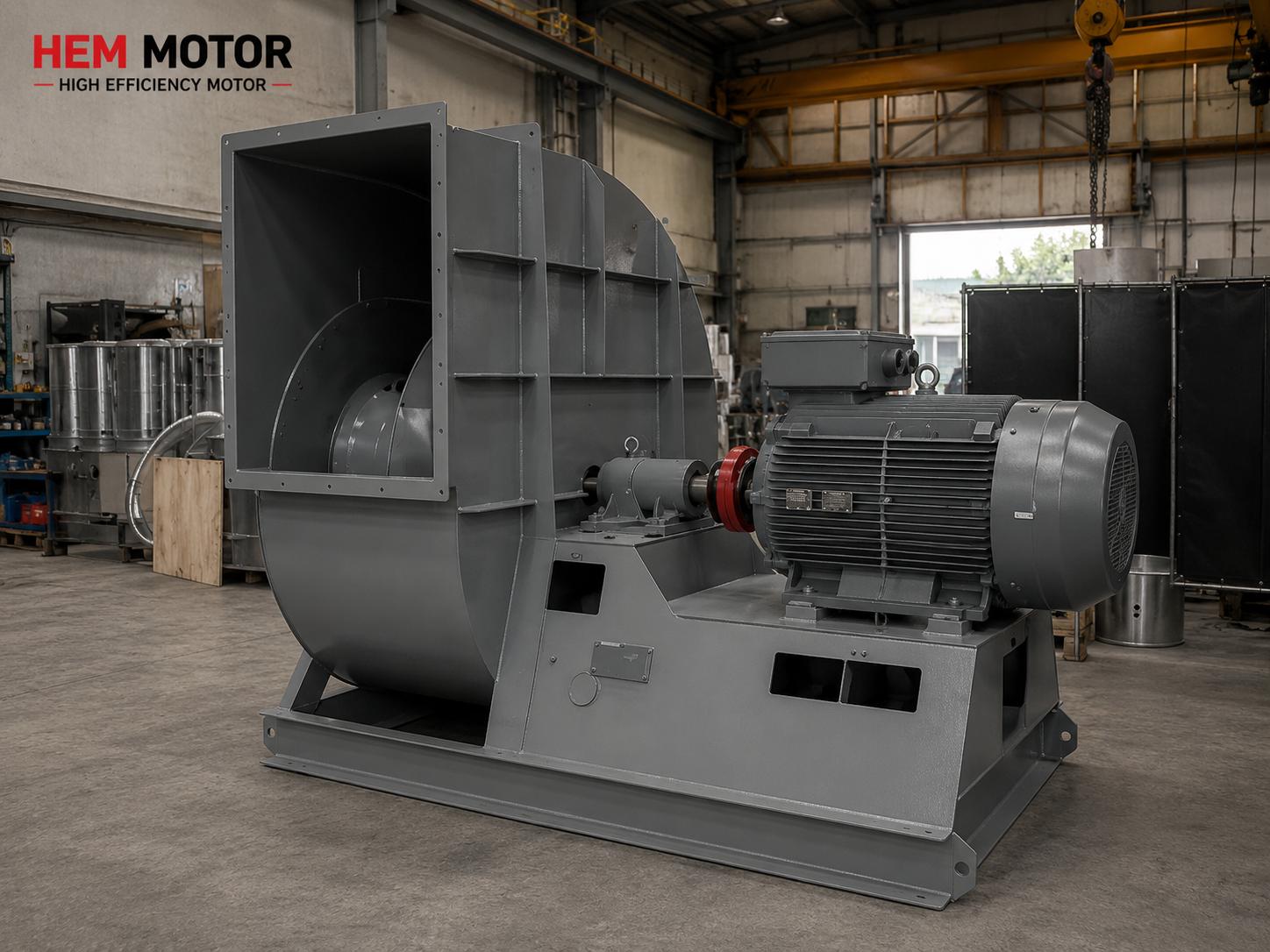

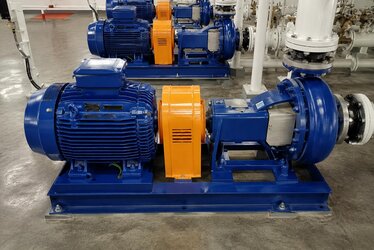
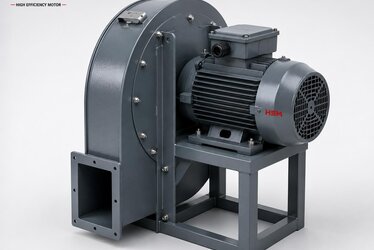
A smoke exhaust fan motor is not an ordinary ventilation motor; it is a safety item examined directly by life-safety regulation and building inspection. During a fire, evacuating the smoke that builds up in an enclosed car park or shopping mall is vital so that people can see escape routes and firefighters can intervene. The heart of this system is the fan motor. Even if the fan blade is manufactured to withstand high temperatures, if the motor stops at fire temperatures the entire system is nullified. In this guide we cover the questions mechanical contractors and fan manufacturers should ask when supplying a smoke exhaust fan motor for malls, enclosed car parks and similar projects, the critical certifications, and the practices that speed up the process.
Our aim is to enable the engineer running the project to create the correct smoke exhaust fan motor specification clearly on the first attempt and to reach a regulation-compliant solution without losing time during supply.
Why Won't an Ordinary Fan Motor Do?
In enclosed car parks and shopping malls above a certain size, mechanical smoke exhaust is structurally mandatory. The motor used in these systems differs from a normal ventilation motor in two fundamental respects: high temperature resistance and regulation-compliant certification. A standard asynchronous motor is designed for an ambient temperature around 40°C, whereas a smoke exhaust motor must continue running at fire temperatures such as 250°C, 300°C or even 400°C for a defined period (for example, 60 minutes at 300°C in class F300, or 120 minutes at 400°C in class F400).
- Temperature class (F class): Classes such as F200, F300, F400 indicate at what temperature and for how long the motor will run. The class required in the project specification must always be confirmed.
- Special winding insulation: High-temperature-resistant insulation materials and special bearing greases are used.
- Certification: The motor being certified to the relevant standards (fire endurance tests) is essential for building inspection.
For this reason, saying "the fan blade withstands it" is not enough. The real bottleneck of the system is the motor; if the motor stops, smoke cannot be exhausted and the system is deemed invalid before the regulation.
Regulation, Building Inspection and Liability
A smoke exhaust fan motor is not just an engineering choice but a legal obligation. In enclosed car parks, shopping malls, hospitals and high-rise buildings above a certain size, mechanical smoke exhaust is mandatory under the building fire code. The design, installation and commissioning of these systems are reviewed by building inspection; a missing or uncertified motor can cause delay or refusal of the occupancy permit. Therefore the documentation of the motor is as critical as its technical suitability.
The mechanical contractor's responsibility does not end with supplying the right product; it is also necessary to confirm that the supplied motor's certificates match the project specification exactly. A system that fails to run during a fire is both a disaster for life safety and a heavy consequence in terms of legal liability. Therefore certification should be evaluated on measurable test results, not brand.
- Documentation: Reports showing the motor passed fire endurance tests must be in the file.
- Specification compliance: The supplied product must fully match the class in the project mechanical specification.
- Traceability: Matching of serial number, production date and test report may be requested during inspection.
Critical Questions to Ask in Supply
The mechanical contractor or fan manufacturer must clearly answer the following questions when procuring the motor. These questions ensure both that the right product arrives and that building inspection approval passes smoothly.
1. Which Temperature Class Is Required?
The project mechanical specification usually requests an F300 or F400 class motor. Choosing the wrong class means both a safety gap and approval refusal. Therefore the first question to ask is the temperature-time class.
2. Will the Motor Be Direct- or Belt-Driven?
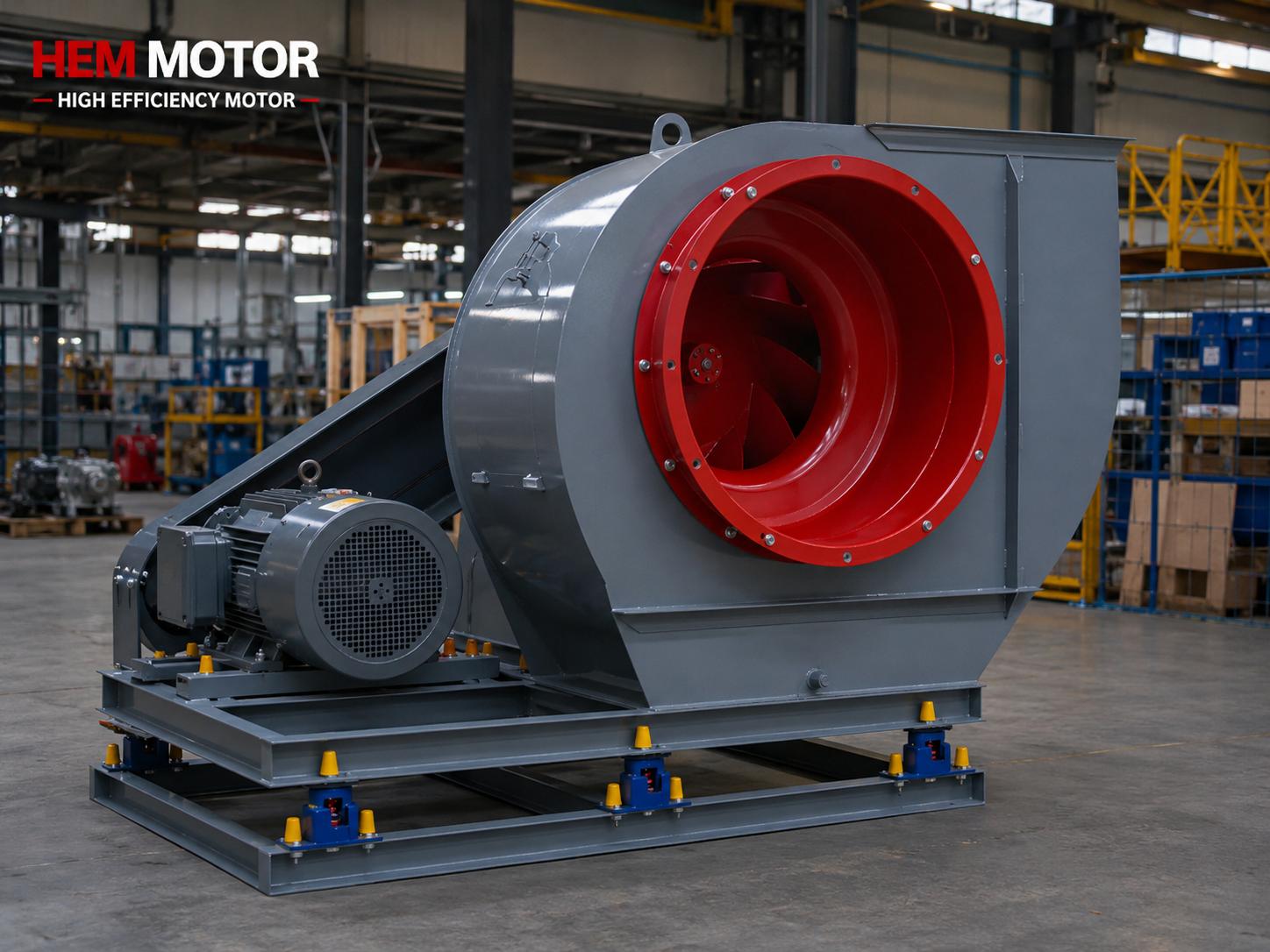
In axial smoke exhaust fans the motor usually sits in the air stream and is directly attached to the blade; in this case the motor itself is exposed to hot gas. In radial (centrifugal) fans the motor is sometimes positioned outside the flow. The drive method determines the required motor type and temperature resistance.
3. Power, Speed and Electrical Values
According to the flow and pressure calculated from the fan curve, motor power (kW), speed (number of poles), voltage (400V three-phase) and frequency must be clarified. Smoke exhaust systems are often designed to run at two speeds (for example, low speed for daily ventilation, high speed during a fire); in this case a two-speed (Dahlander or two-winding) motor may be required.
Two-Speed Operation and Daily Ventilation
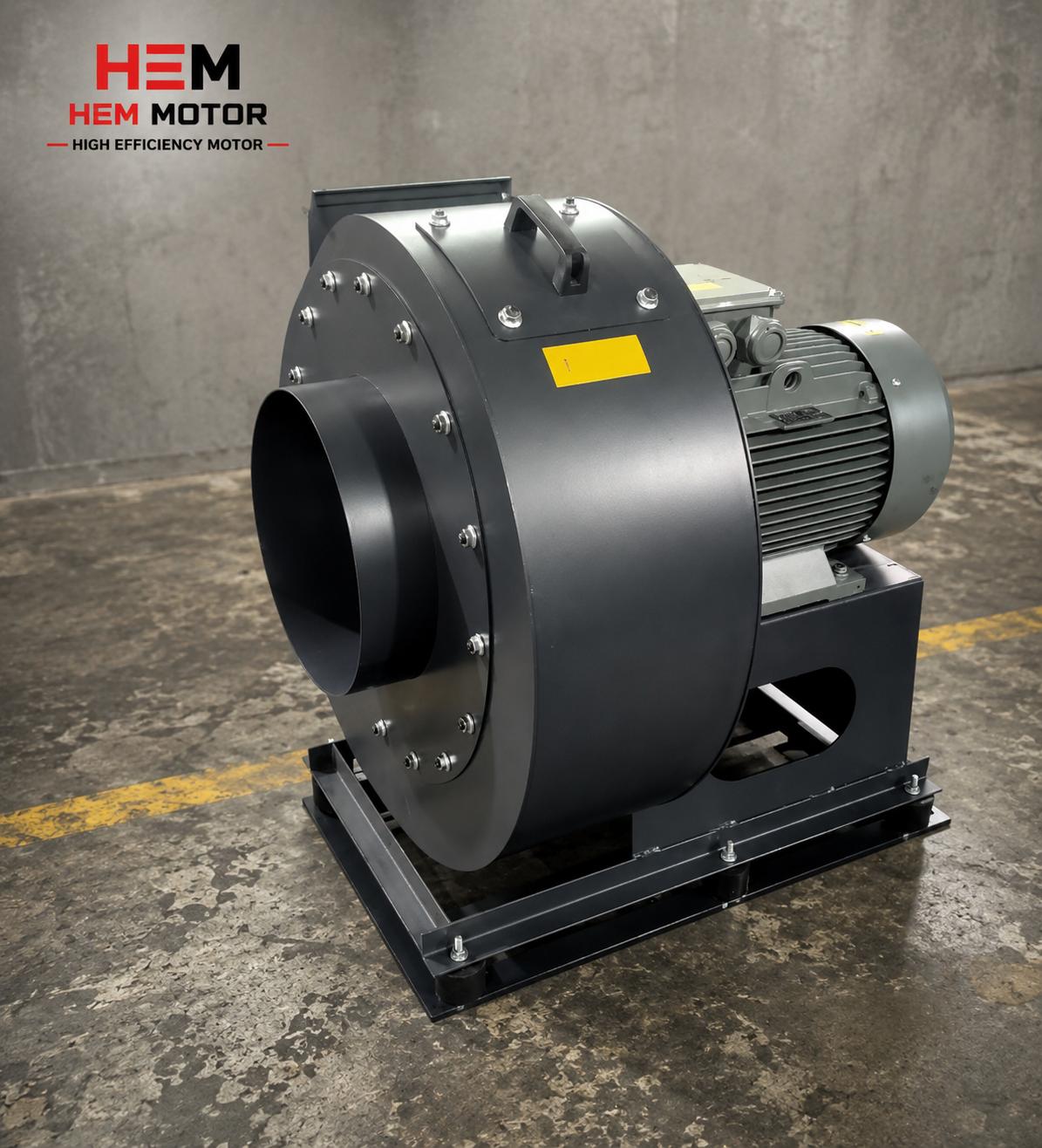
In enclosed car parks the same fan system is used both for daily exhaust ventilation (removing vehicle exhaust gases) and for smoke exhaust during a fire. For this reason the motor usually runs at two speeds: quiet, energy-efficient daily ventilation at low speed, and smoke exhaust at maximum flow at high speed. When selecting a two-speed three-phase electric motor, you must ensure that both speed steps provide flow and pressure suited to the fan curve.
- The low-speed step works integrated with CO sensors, providing energy savings.
- The high-speed step engages at full capacity in the fire scenario.
- The control panel must integrate with the fire detection system (fire alarm panel) and automatically switch the motor to high speed.
Evaluating the Motor and Fan Curve Together
The real performance of the smoke exhaust system depends on correctly calculating the operating point of the motor and fan. The flow-pressure (Q-H) curve provided by the fan manufacturer gives the real operating point where it intersects the system resistance curve. A motor selected without accounting for the resistance in car park ventilation ducts (duct length, elbows, jet fans, grille losses) either provides insufficient flow or, if oversized, wastes energy and cost. The flow required in the fire scenario is determined by the car park volume and the number of air changes per hour stipulated by regulation.
Another critical point is that the motor must not be overloaded while turning the fan at full capacity at high speed. Since hot gas has lower density than cold air, the power drawn by the fan may change during a fire; therefore motor power must be selected considering the worst-case scenario. A correctly calculated system provides both energy efficiency in daily ventilation and reliable full-capacity performance during a fire.
- System resistance: Duct, grille and damper losses determine the total pressure requirement.
- Air change rate: Regulation usually stipulates a certain number of air changes per hour for car parks; flow is selected accordingly.
- Hot gas density: During a fire, low-density hot gas affects the fan load and motor current.
Practices That Speed Up Supply
In smoke exhaust projects, the delivery time is often on the critical path; the occupancy permit may depend on this system. To speed up the supply process, the specification must be prepared completely from the outset. In terms of stock and supply, when the required temperature class and power values are clarified at the start of the project, waiting time on critical delivery dates is eliminated. For up-to-date electric motor prices and stock availability, the healthiest approach is to clarify your technical specifications and request a quote.
The request sent to the supplier should include: temperature-time class (F300/F400), nominal power (kW), speed/number of poles, single or two-speed, voltage and frequency, mounting type, protection class (IP) and the requested certifications. For a wider product range you may also evaluate the high-temperature motor and two-speed electric motor options.
Commissioning, Maintenance and Periodic Testing
A smoke exhaust motor may wait for years without ever experiencing a fire; yet it must work flawlessly when needed. For this reason periodic tests are mandatory by regulation. The motor's bearings, winding insulation resistance and control panel connections must be checked regularly. In two-speed motors, testing both speed steps guarantees that the fire scenario will actually work.
During commissioning the motor's direction of rotation must be checked; a reverse-connected axial fan pushes air in the wrong direction and disperses smoke instead of exhausting it. Phase sequence, current values and vibration at high speed must be measured and recorded. These records serve as a reference both in building inspection approval and in subsequent periodic tests.
- Rotation direction check: In axial fans, reverse rotation renders the system useless.
- Insulation resistance measurement: In motors that have waited a long time, insulation may drop due to moisture; a megger test should be performed.
- Periodic function test: Automatic triggering of the fire scenario must be tested at regular intervals.
Frequently Asked Questions
Can I use a standard ventilation motor for smoke exhaust?
No. Standard motors do not have the high-temperature insulation and certification required. They stop during a fire and the system is deemed invalid before regulation. A motor certified to the required F class (F300/F400) must be used.
What is the difference between F300 and F400, and which should I choose?
F300 guarantees operation at 300°C for 60 minutes; F400 at 400°C for 120 minutes. Which class is required is determined by the project's fire scenario and mechanical specification. In case of doubt it should be confirmed with the project author and building inspection.
Why is a two-speed motor preferred?
When the same fan is used for both daily exhaust ventilation and smoke exhaust during a fire, low speed provides energy savings while high speed delivers maximum flow during a fire. For this reason two-speed motors are common in enclosed car park systems.