English
 Türkçe

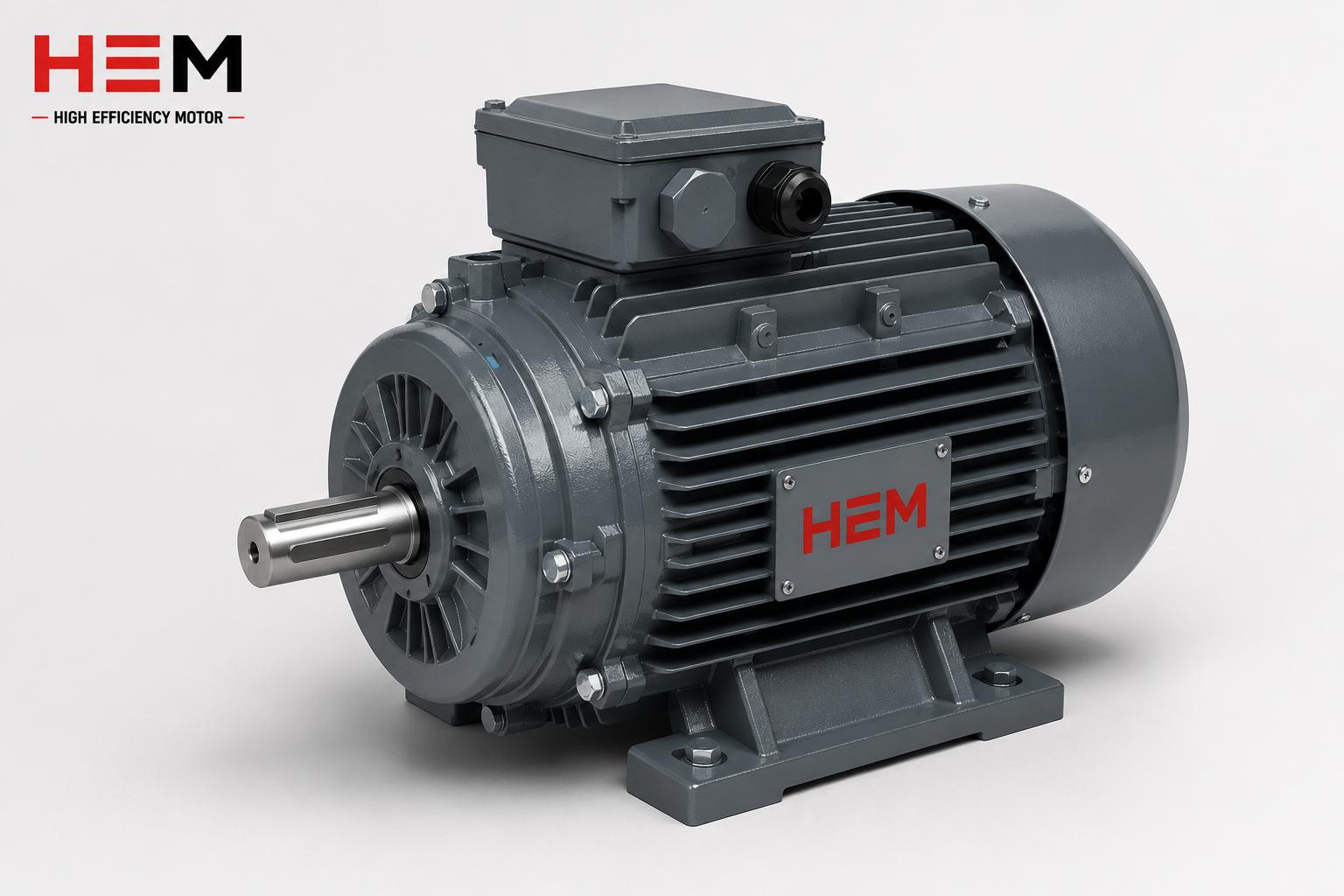

The failure of a critical IE3 motor in an industrial facility often leads to unplanned downtime lasting hours or even days. The cost of this downtime far exceeds the price of the motor; production loss, labour and emergency supply costs accumulate rapidly. One of the most effective ways to manage this risk is consignment stock and a well-structured dealer supply model. Consignment stock means the manufacturer or seller keeps motors ready at or near the customer site without invoicing; the motor is invoiced when it is used. In this guide we examine fast delivery, spare motor holding and correct stock planning for IE3 motors from a manufacturer and seller point of view; the aim is to help the buyer understand a supply structure that minimizes downtime risk.
What Is Consignment Stock and Why Is It Important for IE3 Motors?
Consignment stock differs from classic purchasing. In the classic model the customer buys the motor, keeps it in the warehouse and ties up capital in stock. In the consignment model the motors physically stand ready at the customer site or at a regional dealer, but ownership and invoicing occur when the motor is actually used. This is valuable for IE3 motors in several respects:
- Since IE3 motors are mandatory by regulation in three-phase applications of 0.75 kW and above, most industrial facilities use this class; demand is continuous.
- The most-used power and speed combinations are known, which makes it predictable which motors to keep on consignment.
- In the failure of a critical motor, a spare standing ready on site cuts downtime from hours to minutes.
- The customer gains the assurance of spare holding without tying up capital in stock.
Our IE3 motor stock guide, showing the most demanded power and speed combinations, offers a concrete starting point for which motors to prioritize in a consignment plan.
Fast Delivery: The Real Factor That Lowers Downtime Cost
In a motor failure, the most critical variable is how quickly the new motor can be put into service. While the delivery time of a motor supplied by production order can take weeks, delivery from stock can be possible the same day or the next day. Consignment stock shortens this time even further, because the motor is already on site. The contribution of fast delivery to the business can be summarized as:
- Unplanned downtime is shortened; production loss is minimized.
- Extra costs paid for emergency supply (express freight, overtime labour) are eliminated.
- Since the correct equivalent motor is predetermined, the risk of supplying the wrong motor during a crisis disappears.
Our content on dispatch from stock and fast delivery commitment details how the stock dispatch and fast delivery process is structured and explains how lead-time assurance is provided in urgent need.
Spare Motor Holding: Which Motors Are Critical?
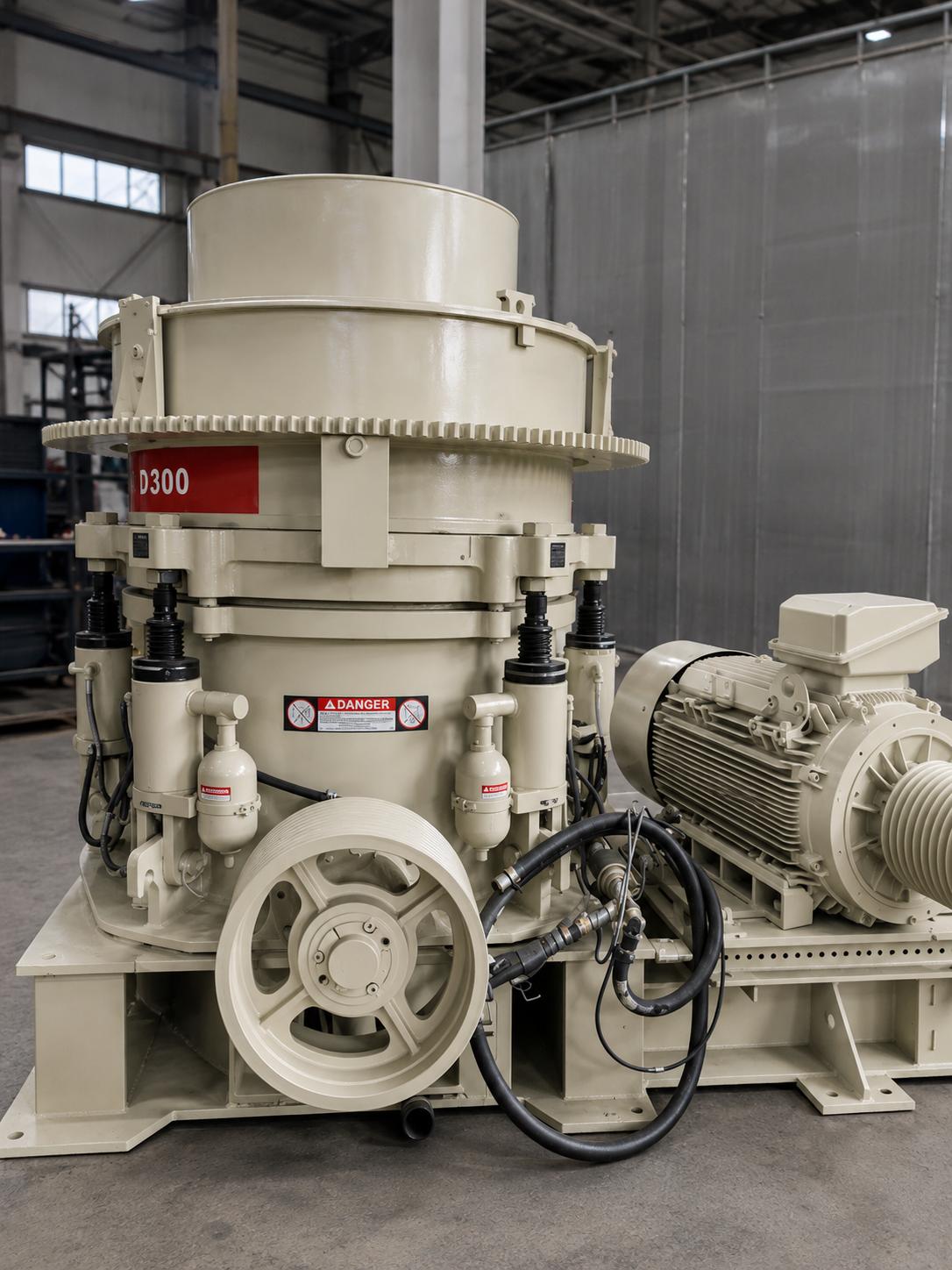
Keeping every motor on consignment is neither necessary nor economical. The correct approach is to classify the motors in the facility by their criticality level. Criticality analysis asks these questions: If this motor fails, does production stop? Can a fast equivalent be found? What is the lead time? According to this analysis, motors are generally divided into three groups:
- Critical motors: Special or high-power motors whose failure stops the entire line. Spare holding is essential for these.
- Important motors: Standard motors whose failure causes partial downtime but which can be supplied quickly from stock. Consignment or regional dealer stock is sufficient for these.
- Standard motors: Easily supplied motors with low downtime impact. Special stock is not needed for these.
Our content on the contracted consignment critical spare motor stock agreement addresses how the critical spare motor stock agreement is secured by contract and draws the framework of the supply assurance that prevents downtime.
Dealer Supply Model and Regional Stock
Consignment stock does not always have to be at the customer site; the authorized dealer in the region can also act as a supply base. In the dealer supply model, the most-used IE3 motors are stocked regionally and dispatched quickly to surrounding industrial facilities. This model is advantageous especially for businesses with multiple facilities or spread over a wide geography:
- The regional dealer acts like a common spare pool for all surrounding customers; the burden of one customer holding all spares alone is removed.
- Knowing the motor inventory in the field and past failure data, the dealer determines the correct stock level.
- Since the authorized dealer is directly connected to the manufacturer, the fast supply chain is in place when a non-stock motor is needed.
Our content on electric motor authorized dealership and distributorship addresses in detail how the authorized dealership and distributorship model is established, along with stock support and regional advantages.
Correct Stock Planning: A Data-Driven Process
The success of consignment and dealer stock depends on correct planning. Keeping too many motors in stock ties up unnecessary capital; keeping too few recreates downtime risk. The right balance is established with data. The main factors considered in stock planning:
- Past failure and replacement frequency: Which power and speed motors are replaced how often?
- Motor criticality: Which motors create the highest downtime cost when they fail?
- Lead time: How long does the supply of a non-stock motor take?
- Standardization: By reducing the variety of motors used in the facility, many points can be backed up with a small number of standard motors.
Standardization is especially powerful: if a facility uses IE3 motors of the same power, speed and mounting type as much as possible, a single spare motor can cover multiple points. This both lowers stock cost and simplifies spare motor planning. As a manufacturer and seller, we examine the facility motor inventory and offer planning support on standardization and the correct spare level. For the current product range and electric motor prices, you can contact us with your motor inventory.
Supply Continuity with Manufacturer Assurance
The greatest value of the consignment and dealer model emerges when combined with manufacturer assurance. The motors in stock being of the same quality, the same equivalence and continuously available ensures the reliability of the planning. As a manufacturer and seller, by continuously keeping the most-used IE3 power and speed combinations in stock, we feed both consignment agreements and regional dealer stocks. This way:
- The place of a used consignment motor is quickly refilled with new stock; the spare pool stays continuously full.
- Equivalence is guaranteed in the re-supply of the same type of motor; no compatibility problem with the machine occurs.
- The IE3 efficiency class is continuously maintained; regulatory compliance is provided without interruption.
For project-based bulk supply and commitment processes, our content on project-based bulk electric motor supply offers a complementary process guide for engineering and contracting firms.
The Practical Operation of a Consignment Agreement
A consignment stock agreement becomes predictable for both parties when clarified by contract. In practice the operation is usually established in these steps: first the facility motor inventory and critical points are determined, then it is decided which power and speed motors will be kept on consignment, and finally the stock replenishment and invoicing rules are set in the contract. This structure ensures it is known in advance who will do what during a crisis.
A well-structured consignment agreement usually includes these elements:
- Stock list: How many IE3 motors of which power, speed and mounting type will be held is clearly defined.
- Replenishment rule: When a motor is used, how quickly a new motor will be placed in its stead is determined; this keeps the spare pool continuously full.
- Invoicing condition: Whether the invoice will be issued when the motor is used or in certain periods is written clearly.
- Responsibility and storage: How the consignment motors will be stored on site (a dry environment protected against moisture and dust) and who holds responsibility are clarified.
Securing these rules by contract aligns the expectations of both the customer and the supplier and makes the process sustainable.
Storage and Commissioning of Consignment Motors
Since motors in consignment stock stand in wait for a while, their correct storage is of great importance. The biggest enemy of a waiting motor is moisture and condensation; these lower the winding insulation resistance and can cause corrosion in the bearing. Therefore, consignment motors should be stored in a dry, stable-temperature and vibration-free environment, in their original packaging if possible. In motors that will wait a long time, the shaft is periodically rotated by hand to preserve grease distribution in the bearing and prevent false brinelling (vibration-induced rolling marks).
The checks to be done before commissioning a consignment motor are:
- Measuring the insulation resistance (with a Megger); catching moisture-induced drops early, especially in motors that have waited a while.
- Checking that the bearing turns freely and quietly by rotating it by hand.
- Confirming that the nameplate information (kW, speed, voltage, mounting type) matches the machine.
- Checking the correctness of the rotation direction and terminal connection.
Our content on long-term storage and stock waiting in IE3 motors offers a detailed checklist for consignment motors to wait without damage. As a manufacturer and seller, we also plan the correct storage conditions of motors in consignment stock within the agreement; this way the motor is as sound as on the first day on the day it will be used.
Frequently Asked Questions
When is payment made for a motor in consignment stock?
In the consignment model the motor stands ready on site or at the regional dealer, but invoicing occurs when the motor is actually used. That is, the customer does not tie up capital in stock from the start; they only pay for the motor they use. The place of the used motor is then refilled with new stock by the manufacturer/seller.
Which IE3 motors should I keep as spares?
The spare holding decision is made according to the criticality of the motor. Critical motors whose failure stops the entire line, along with special or high-power motors with long lead times, should be prioritized for spares. Special stock is not needed for standard, easily supplied motors. The facility failure history and downtime cost determine the correct spare list.
Are consignment and dealer stock suitable for small businesses too?
Yes. For small businesses, regional dealer stock removes the burden of holding spares on their own. The dealer functions as a common spare pool for many surrounding customers; this way a small business also benefits from the fast delivery advantage without filling its own warehouse.