English
 Türkçe

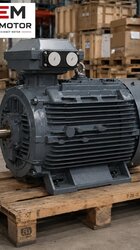
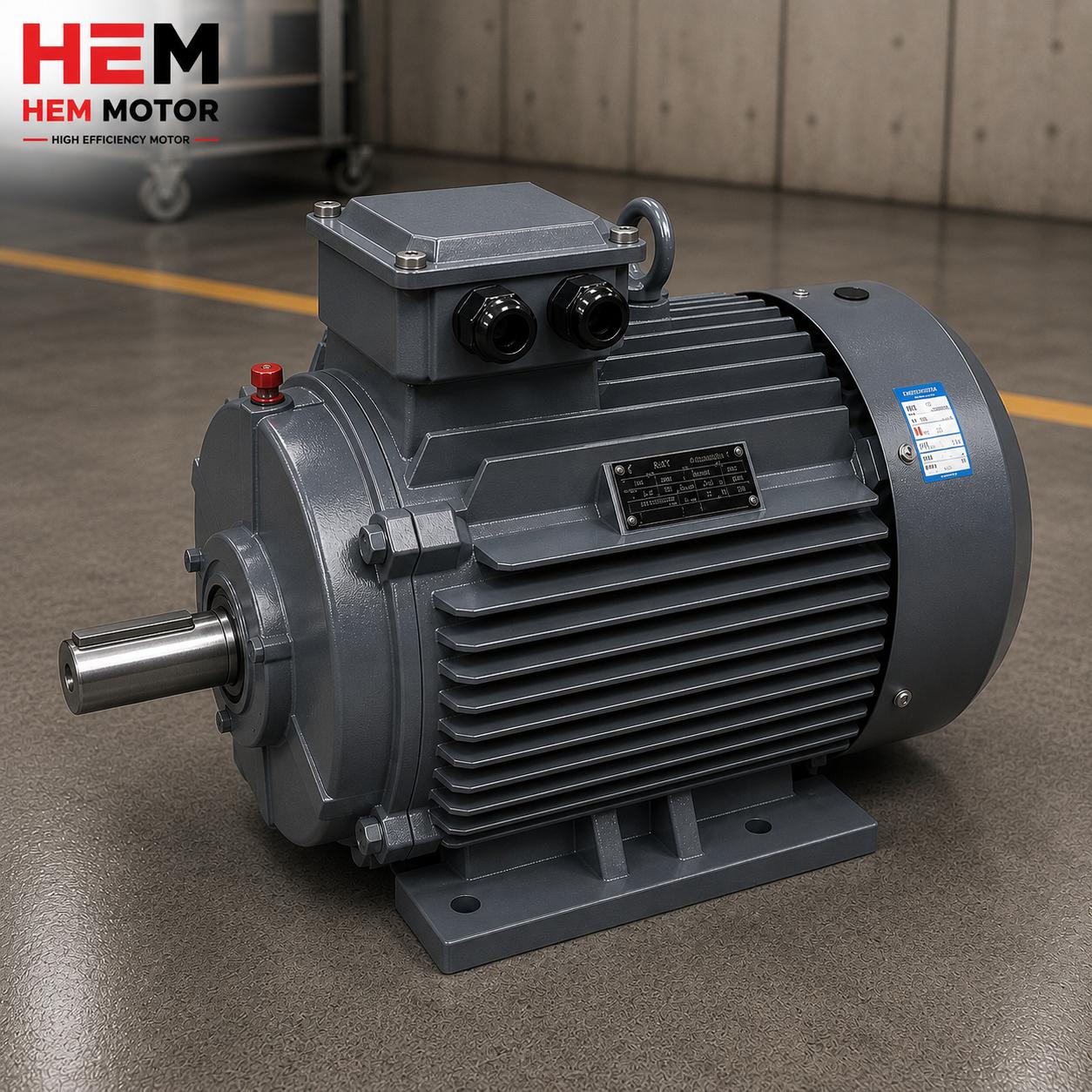

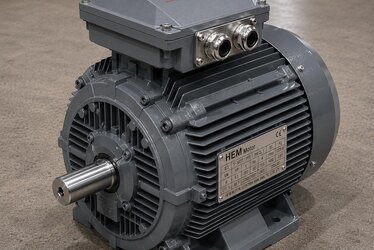
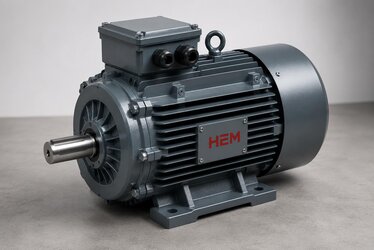
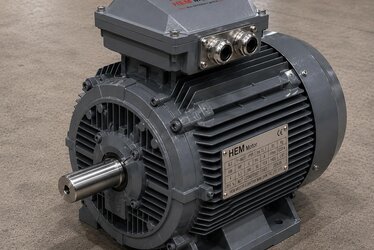
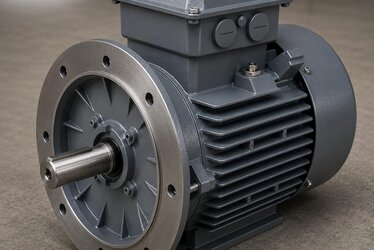
In industrial facilities, the 22 and 30 kW power band is a critical range where main drive motors are concentrated. Motors in these powers are frequently used in pump stations, large fans, compressors, conveyor systems and mill drives. Choosing the right motor in this power band is not just about looking at the power value; the IE3 efficiency class, speed (pole count), frame size and, most importantly, stock status must be evaluated together. Because motors at this power are large and heavy; the wrong choice can lead to both mechanical incompatibility and long lead times.
As HEM Motor, with our identity as both manufacturer and seller, we have compiled the points where buyers most often get stuck in 22 and 30 kW IE3 motor purchasing and the right supply approach in this guide. We address speed-pole matching, frame size, mounting type, the advantage of supply from stock and transport-commissioning planning for large power motors. For current electric motor prices and warehouse stock status, you can review our product pages.
Why IE3? The Efficiency Mandate at 22 and 30 kW
22 and 30 kW are right in the middle of the power band where the IE3 Premium efficiency class is mandatory by regulation. At this power, three-phase asynchronous motors running directly from the grid (DOL) are expected to be at least IE3 class. IE3 motors do the same job with lower losses, providing noticeable savings in annual energy cost in continuously running large power motors.
To learn which efficiency class is mandatory at which power from which date, our article on the IE3 and IE4 efficiency mandate regulation offers detailed information. You can find which class is required at which power in our article on the IE3 efficiency class mandate: which class is required at which power.
The efficiency advantage of an IE3 motor is especially meaningful in this power band. Large power motors such as 22 and 30 kW mostly run long hours per day and throughout the year. Even a small improvement in efficiency, when multiplied by these operating hours, turns into a significant saving in the annual energy bill. For this reason, in the large power band the efficiency class is not just a compliance matter but a decision that directly concerns operating cost. The copper winding quality, optimized magnetic circuit and low-loss design of the IE3 motor form the basis of this saving.
Speed and Pole Count: Selection at 22 and 30 kW
In this power band, the most critical decision is determining the right speed. At the same 22 or 30 kW power, 2, 4 and 6-pole variants exist, each offering a different speed-torque characteristic.
2-Pole (~3000 rpm)
High speed, low torque. Preferred in high-pressure centrifugal pumps, high-speed fans and compressors. At this power, 2-pole motors require a balanced rotor and quality bearings due to the high speed.
4-Pole (~1500 rpm)
The most common speed of industry. It is the most demanded variant at 22 and 30 kW in general pump-fan drives, conveyors, reducer inputs and many process machines. For this reason, 4-pole variants are usually the fastest-supplied options from stock.
6-Pole (~1000 rpm)
Low speed, high torque. Preferred in mills, mixers and heavy-starting machines. At the same power, a 6-pole motor is in a larger frame.
To see the effect of pole choice on the application in detail, our article on which pole count is for which job offers a comprehensive comparison.
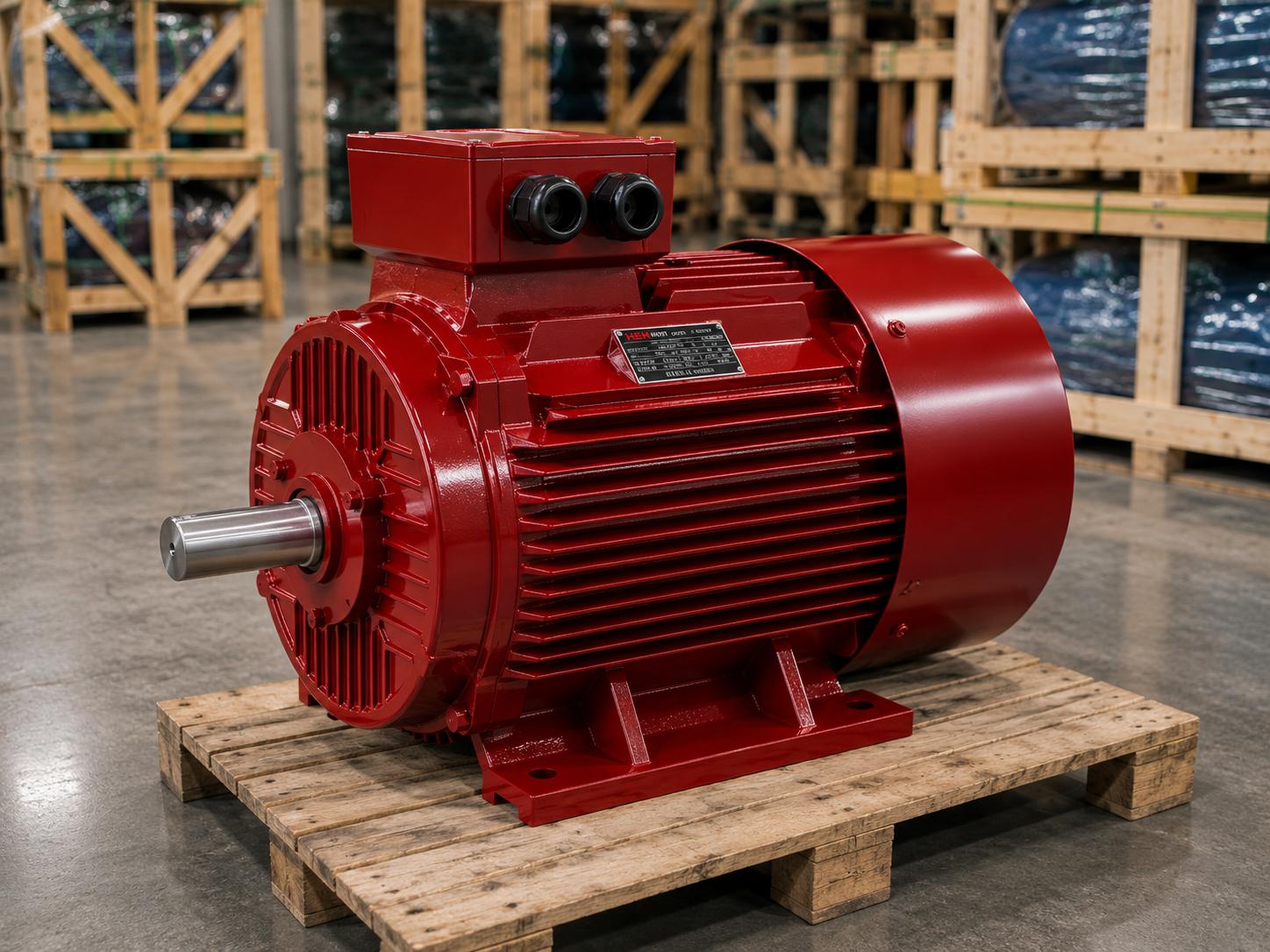
Frame Size and Mechanical Compatibility
22 and 30 kW motors are produced in specific frame sizes according to IEC standards. The frame size determines the motor's shaft height, foot hole pattern and shaft diameter. Since motors at this power are heavy, when replacing an existing motor, the frame size being exactly the same is critical for mounting and alignment.
- Shaft height: Directly affects coupling or belt-pulley alignment.
- Foot hole pattern: The holes must match exactly when mounting on the existing base.
- Shaft diameter and key: Must match the coupling or reducer input.
- Weight and handling: Motors at this power are heavy; lifting and mounting planning must be done in advance.
For weight and handling planning in large frame motors, our article on cast iron motor frame sizes (IEC 56-355): weight and handling is a useful resource.
Mounting Type: B3, B5, B35
How 22 and 30 kW motors connect to the machine determines the mounting type. The most common options at this power are:
- B3 (foot-mounted): Connected to the base by its feet; common in belt-pulley and coupled systems.
- B5 (large flange): Connected directly to a pump, reducer or machine body via the front flange.
- B35 (foot + flange): Provides mounting flexibility by offering both foot and flange connection.
To compare mounting types, you can review our B3 foot-mounted electric motors page.
IE3 or IE4?
In the 22 and 30 kW power band, IE3 is a standard and compliant choice. However, in facilities running continuously and for long hours, the additional initial investment of a higher-efficiency IE4 motor can pay back over time through energy savings. Making this decision correctly depends on the motor's annual operating hours, electricity cost and load profile. For a motor running a short time per year or intermittently, IE3 is usually the most sensible choice; for a main drive motor running almost without interruption, IE4's payback calculation is worth evaluating. On this topic, our article on staying with IE3 or moving to IE4: which case is sensible clarifies the decision process. For a more comprehensive payback analysis, our article on IE3 or IE4? The right electric motor investment is useful.
Duty Type, Protection and Insulation Class
22 and 30 kW motors are usually used in continuously running main drive applications. For this reason, the S1 continuous duty profile is almost standard in this power band. In a large power motor running continuously at full load, ensuring correct insulation and cooling directly determines its life.
The protection class is selected according to the environment in which the motor will run. The IP55 protection class provides adequate protection against dust and low-pressure water jets in an industrial environment and is offered as standard in this power band. In very dusty, humid or wash-down environments, higher protection levels may be requested. Class F insulation leaves a safe temperature margin at continuous full load; class H may be preferred in hotter environments. For insulation and body selection in hot and dusty environments, our article on motor insulation class and cast iron body in hot and dusty environments is useful.
Service Factor and Overload Capacity
In large power motors, especially in applications where the load profile fluctuates, the service factor (SF) is an important criterion. The service factor shows how much overload above its rated power the motor can withstand for a short time. A motor with a high service factor continues to run without stalling during sudden load increases or temporary overloads. This offers a valuable assurance for production continuity in main drive motors such as 22 and 30 kW. For correct selection of service factor and overload capacity, our article on service factor (SF) and overload capacity in IE3 motors offers detailed information.
Stock Status: The Advantage of Fast Delivery from the Warehouse
In large power motors such as 22 and 30 kW, the biggest uncertainty is whether the correct combination is in stock. Since motors at this power are large and valuable products, common variants that can be delivered from stock provide a great advantage in terms of time and cost. As HEM Motor, we aim to provide fast delivery by keeping the most sought-after power-speed-frame combinations in the warehouse.
- Common variants: 4-pole, B3/B5 mounting and IE3 class are usually delivered from stock.
- Special variants: Requests for a specific frame, special flange, high protection class or special shaft dimension may require lead time.
- Spare motor stock: Keeping a spare motor in facilities with critical production minimizes downtime in case of failure.
In the large power band, when a motor must be supplied urgently, the correct combination being ready in the warehouse directly prevents production loss. For this reason, in highly demanded powers such as 22 and 30 kW, having the most common speed-frame-mounting combinations in stock is one of the most important advantages for the buyer. For facilities running critical processes, redundancy and critical stock assurance lower the cost of unplanned downtime; on this topic, our article on mining motor supply contracts: redundancy and critical stock assurance offers an example perspective on stock strategy for large facilities.
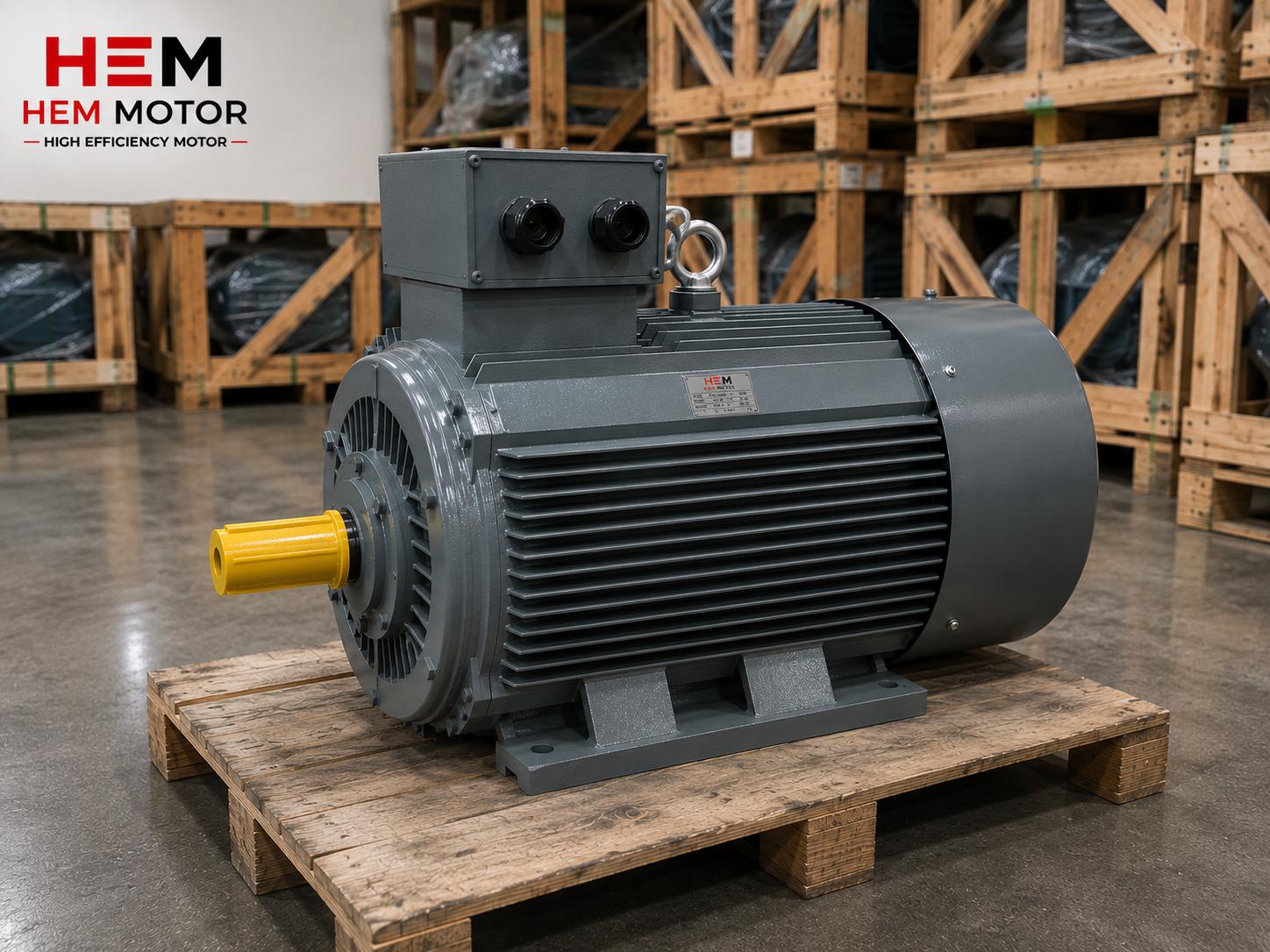
Transport and Commissioning in Large Power Motors
Since motors in this power band are heavy, the ordering process does not end with just selecting the right motor; transport, lifting, mounting and commissioning must also be planned. Correct logistics planning ensures the motor reaches the field on time and undamaged.
- Transport: The motor's weight and size require suitable handling and lifting equipment.
- Mounting: Placement on the base, alignment and coupling connection must be done carefully.
- Starting: Motors at this power are usually started with star-delta or soft starter; direct starting can stress the grid.
- Commissioning: Insulation resistance check, rotation direction and phase sequence verification must be done.
For lead time, transport and commissioning planning in large power motor supply, our article on large power motor supply above 90 kW: lead time, transport and commissioning plan offers a comprehensive view. To choose the starting method correctly at this power, our article on starting AC asynchronous motors: star-delta or soft starter helps.
Typical Application Areas of 22 and 30 kW
The 22 and 30 kW power band covers a large portion of industry's main drive needs. Motors at this power run medium-large scale machines and systems. The most common applications include:
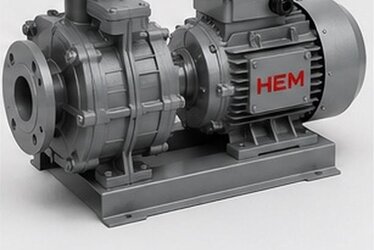
- Pump stations: 22 and 30 kW are commonly encountered powers in high-flow water transfer, fire pump and booster systems.
- Large fans and exhausters: These powers are preferred in ventilation, dust collection and flue gas systems.
- Compressors: Common as a main drive motor in screw and piston compressors.
- Conveyor and conveying systems: Used matched with a reducer in long and loaded belt systems.
- Mill and crushing: Low-speed variants are usually selected for high torque in grinding and crushing applications.
Correctly calculating the required power according to the application ensures that neither an oversized nor an undersized motor is selected. For required kW calculation in pumps, fans and conveyors, our article on motor power calculation is useful.
22 and 30 kW IE3 Motor Selection Checklist
- Determine the speed the application requires and select the pole count (2/4/6).
- Verify the frame size to fit the existing machine or base.
- Check the mounting type (B3/B5/B35) and shaft-flange compatibility.
- Confirm the IE3 efficiency class compliance with regulations.
- Check the suitability of the duty type (S1) and protection class (IP55) to the application.
- Learn the stock status and lead time in advance.
- Clarify the transport, mounting and starting plan before ordering.
- Evaluate spare motor stock and service factor in critical facilities.
Frequently Asked Questions
Is IE3 mandatory at 22 and 30 kW, can I buy IE2?
In this power band, three-phase asynchronous motors running directly from the grid are expected to be at least IE3 efficiency class. IE2 class motors are not compliant at this power from a regulatory standpoint and also have higher energy cost. In continuously running large power motors, IE3 is the right choice in terms of both legal compliance and operating cost.
Should I buy 22 kW or 30 kW, is there an intermediate value?
Motor powers are produced in standard steps, and 22 and 30 kW are two of these standard steps. The correct power is determined according to the actual power demand of the driven machine. If the demand is between two steps, it is usually rounded up to the next standard power; this prevents the motor from continuously running in overload. Selecting the right step by basing it on the application's actual shaft power is the soundest method.
How do I find the same one to replace my existing 22 or 30 kW motor?
Note the power (kW), speed (rpm), frame size (IEC), mounting type (B3/B5/B35) and efficiency class on the old motor's nameplate. When you select a one-to-one replacement motor with this information, both the speed and the mechanical connection match seamlessly. In large power motors, it is also important to do weight and mounting planning in advance. For warehouse stock status, you can confirm the suitable model on our product pages.