English
 Türkçe

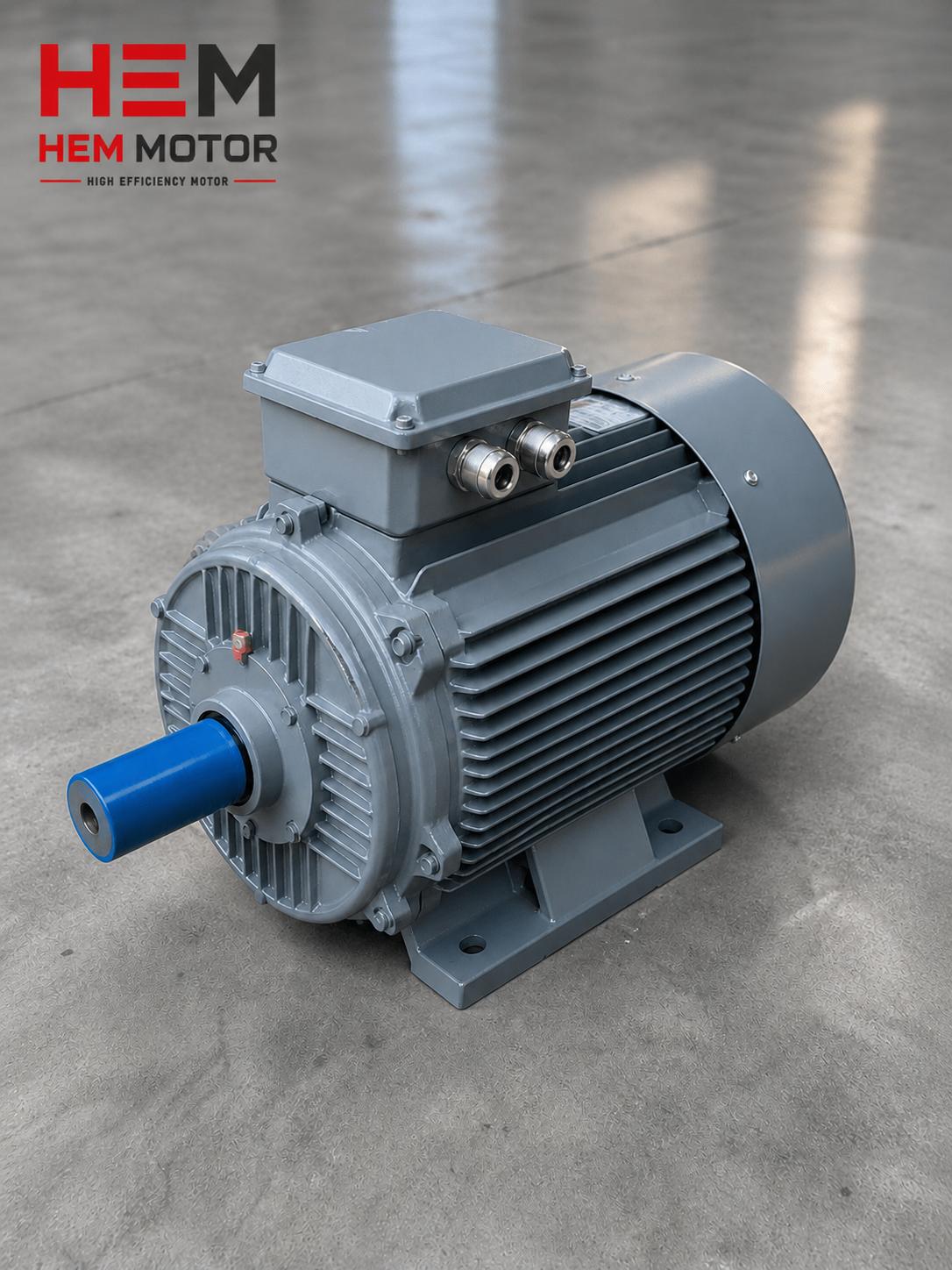

IE5 class synchronous reluctance (SynRM) motors are becoming increasingly common in industry thanks to their magnet-free rotor design and ultra-premium efficiency. But the operating logic of these motors differs from classic induction motors: there is no cage on the rotor, and starting is never direct from the line but always through a drive (VFD). This difference becomes critical at the moment of first start, especially in cold environments. At low ambient temperature the grease viscosity rises, bearing friction increases, and the starting torque the drive must provide to move the rotor goes up. If the drive settings and grease selection are not made for cold starting, the motor can struggle at first movement, rotor position may not be detected correctly and the start can fail.
In this article we cover cold first starting in IE5 synchronous reluctance motors from a practitioner's view: the effect of grease viscosity at low temperature on friction and starting torque, rotor position determination and open-loop starting in the drive, the use of a space heater, low-temperature grease selection and correct drive settings. The aim is to ensure your IE5 motor runs up smoothly on first start in cold stores, outdoor sites and low-temperature processes.
Why Is Cold Starting Especially Important in IE5 SynRM?
A classic induction motor can produce a high starting current and torque directly from the line even in a cold environment; the rotor cage moves the motor, however laboured. The situation is different in a synchronous reluctance motor. There is no cage on the rotor; the motor turns only in synchronism with the rotating field produced by the drive. At start, the drive must determine a position where the rotor can "lock on" magnetically and apply torque gradually. The friction torque that rises in the cold as the bearing grease stiffens increases the starting torque the drive must supply; if the drive has not anticipated this extra torque the rotor cannot "break away" and the start attempt faults.
This does not mean the motor is faulty; usually the problem is that the drive parameters have not been set for the ambient temperature. With the right grease, the right pre-heating and the right drive settings, IE5 SynRM motors start safely even at very low temperatures. The key is to plan these three elements together from the start.
Relationship Between Grease Viscosity, Friction and Starting Torque
Bearing grease changes its viscosity with temperature. As the temperature falls the grease stiffens, its fluidity drops and the bearing's turning resistance rises. A standard mineral-based grease stiffens markedly below about -20 degrees and can multiply the starting friction torque several times. This increased torque adds directly to the starting torque the drive must overcome. The table below summarises approximate grease behaviour versus ambient temperature and its effect on starting.
| Ambient temperature | Standard grease behaviour | Starting friction torque | Recommendation |
|---|---|---|---|
| +20 °C and above | Normal fluidity | Low | Standard settings adequate |
| Around 0 °C | Slightly thicker | Somewhat higher | Extend the start ramp |
| -20 °C | Marked stiffening | High | Low-temperature grease advised |
| -30 °C and below | Solidifying | Very high | Low-temp grease + space heater |
As the table shows, the basic solution to cold-start trouble is correct grease selection and, where needed, pre-heating. These two measures keep the starting torque the drive must supply at a reasonable level.
Rotor Position and Open-Loop Starting in the Drive
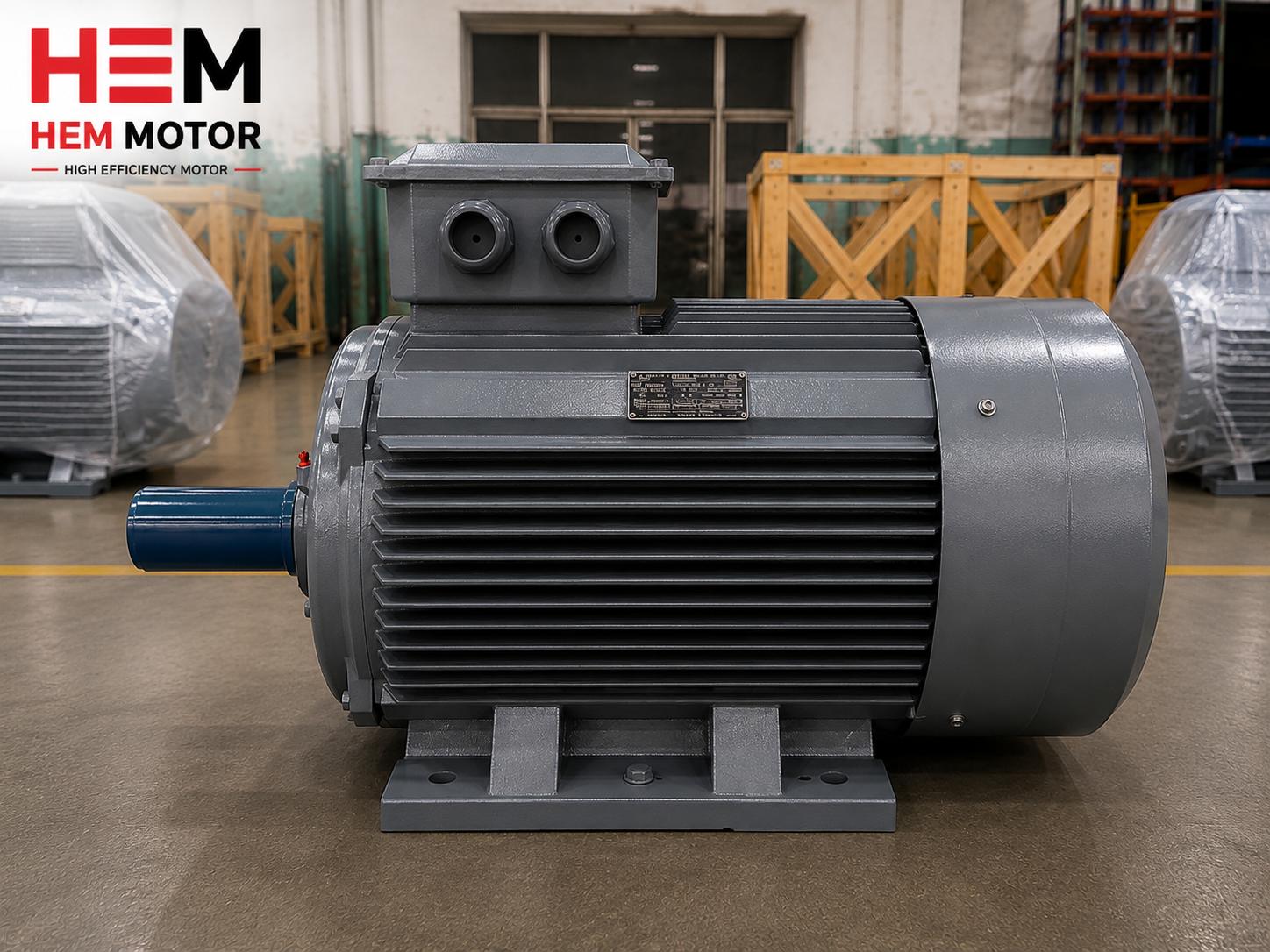
At the start of a synchronous reluctance motor, the drive's most critical task is to determine the rotor's initial position correctly. There are two basic methods:
- Rotor position detection (sensorless, open-loop): At start the drive applies special current pulses to the rotor or aligns it with a predicted initial angle. In this open-loop start, the friction torque that rises in the cold can make it harder for the rotor to align as expected; so the starting current limit and ramp time must be set for the cold.
- Encoder (closed-loop) starting: Rotor position is monitored in real time by an encoder; this method is far more reliable in cold starting because the drive knows the rotor's actual position and applies torque accordingly.
In cold, critical applications, encoder starting offers a clear advantage. In sensorless systems, optimising the drive's start parameters (initial current, alignment time, ramp slope) for low temperature is essential.
Pre-heating with a Space Heater
A space heater is a heating element that keeps the winding and frame a few degrees above ambient when the motor is stopped. Although its main purpose is to prevent condensation, it provides a second benefit in cold starting: by warming the motor frame and indirectly the bearing grease, it lowers the first-start friction. In very low-temperature applications the space heater brings the grease fluidity to an adequate level before starting and reduces the starting torque the drive must supply.
- The space heater should be wired through a contactor so it energises as soon as the motor stops.
- In very cold stores, starting the heating a set time before start gives the bearing grease time to soften.
- Since the space heater also prevents condensation, it protects the winding insulation through cold-warm cycles.
Low-Temperature Grease Selection and Correct Drive Settings
For IE5 SynRM motors that will run in cold environments, two basic measures should be planned together:
- Low-temperature grease: Synthetic-based greases with a wide temperature range keep their fluidity even at low temperature. The grease type suited to the lowest temperature the motor will see should be requested from the manufacturer; this markedly reduces starting friction and bearing wear.
- Drive start parameters: The starting current limit should be set to provide adequate torque, the ramp time extended for the cold and, where possible, the "soft start" / alignment time increased. The drive correctly identifying the motor parameters (auto-tuning) is critical to cold-start success.
These two measures, supported by a space heater where needed, ensure the IE5 synchronous reluctance motor runs up on the first attempt even at very low temperatures. The key is to see cold starting not as a fault but as an operating condition to be planned from the start.
Frequently Asked Questions
Why does an IE5 synchronous reluctance motor start hard in the cold?
Because there is no cage on the rotor and starting depends entirely on the drive. In the cold the grease stiffens, the bearing friction torque rises and the starting torque the drive must supply increases. If the drive has not anticipated this extra torque the rotor cannot move. With the right grease, pre-heating and drive settings this problem disappears.
Is an encoder essential for cold starting?
Not essential but advantageous. In encoder (closed-loop) starting the drive knows the rotor's actual position and so starts far more reliably in the cold. In sensorless systems the start parameters must be carefully optimised for low temperature.
Is a space heater needed on every IE5 motor?
No. It is not needed in temperate environments. But in very cold stores, outdoor sites and freeze-risk applications a space heater both prevents condensation and reduces cold-start friction, giving a two-fold benefit.
Cold first starting in IE5 synchronous reluctance motors ceases to be a problem when planned correctly. With low-temperature grease, space heater pre-heating where needed and drive start parameters optimised for the cold applied together, the motor runs up safely even at the lowest temperatures. HEM Motor supplies IE5 synchronous reluctance motors together with drive compatibility and low-temperature options; share your cold-environment application and let us determine the right combination of grease, heater and drive settings together and prepare a tailored quotation.
Commissioning Steps in a Cold Environment
When first commissioning an IE5 synchronous reluctance motor in a cold facility, following a practical sequence prevents many start problems from the outset. First, determine the lowest temperature at which the motor will run and use this value as the reference both for grease selection and for the drive parameters. Then, in very cold environments, energise the space heater before starting to give the frame and bearing grease time to soften; a pre-heat of a few tens of minutes markedly improves grease fluidity. Run the drive once at ambient temperature so it can learn the motor parameters and complete the auto-tuning.
On the first start, try the motor with no load or light load; verify that the rotor aligns properly and reaches synchronous speed. If the start faults, gradually increase the drive's initial current limit and alignment time and soften the ramp slope. During these trials, monitor bearing and winding temperatures and note any abnormal heating. Once the right setting is found, record these parameters and use them as a reference for other motors of the same type. This systematic approach bases cold starting on measurement and a repeatable procedure rather than on guesswork.
Cold Behaviour of Synchronous Reluctance vs Induction Motors
Cold-start behaviour differs markedly with motor technology. In an induction motor the rotor cage draws a high starting current directly from the line and turns the motor, however forcibly; so an induction motor can start in the cold by "brute force", but this start is uncontrolled and high in current. A synchronous reluctance motor always starts under drive control; this means the start is controlled, low in current and gentle on the motor, but in return it requires the drive to be set correctly. This difference is in fact not a drawback but a control advantage. Drive-controlled starting protects the motor from excess current and mechanical shock; the friction torque that rises in the cold is overcome gradually and in a controlled way by the drive. When set up correctly, the IE5 SynRM motor runs up in a cold environment with far lower starting current and far less mechanical stress than its induction counterpart, which extends the life of both the motor and the machine it drives.
Sector Applications and Practical Notes
Typical areas where IE5 synchronous reluctance motors are used in cold environments include cold stores, frozen-food plants, outdoor pump and fan stations, northern-climate open-air applications and low-temperature process lines. In these applications the motor's high efficiency lowers energy cost while correct planning of cold starting secures operational continuity. For example, the blower motor of a cold store starts at low temperature every time it cycles on; here low-temperature grease and a suitable drive ramp ensure reliable starting for years. The most common mistakes in practice are: ordering the motor with standard grease and sending it to a cold environment, setting the drive parameters at room temperature and not adjusting them on the cold site, and not wiring the space heater or not arranging it to energise when the motor stops. Avoiding these three mistakes removes most cold-start problems. Another important point is the case where the motor stops for a long time and is restarted; during a long stop the grease can migrate under gravity and the first start can be harder, so pre-heating and a soft ramp are especially important after long standstills. Finally, not only the starting but also the continuous running of a cold-environment motor should be considered; at very low temperature the frame stays cold, which is usually favourable for the winding insulation, but condensation risk rises during temperature cycles. The space heater therefore provides two-way value by both easing cold starting and preventing condensation, and the right combination of grease, drive and heating secures both safe starting and long life of the IE5 motor in cold environments.
Related reading: why SynRM does not run without a drive and package selection, drive and installation compatibility commissioning list, SynRM thermal behaviour and cooling, bearing greasing, grease type and NLGI and preventing condensation with a space heater.