English
 Türkçe

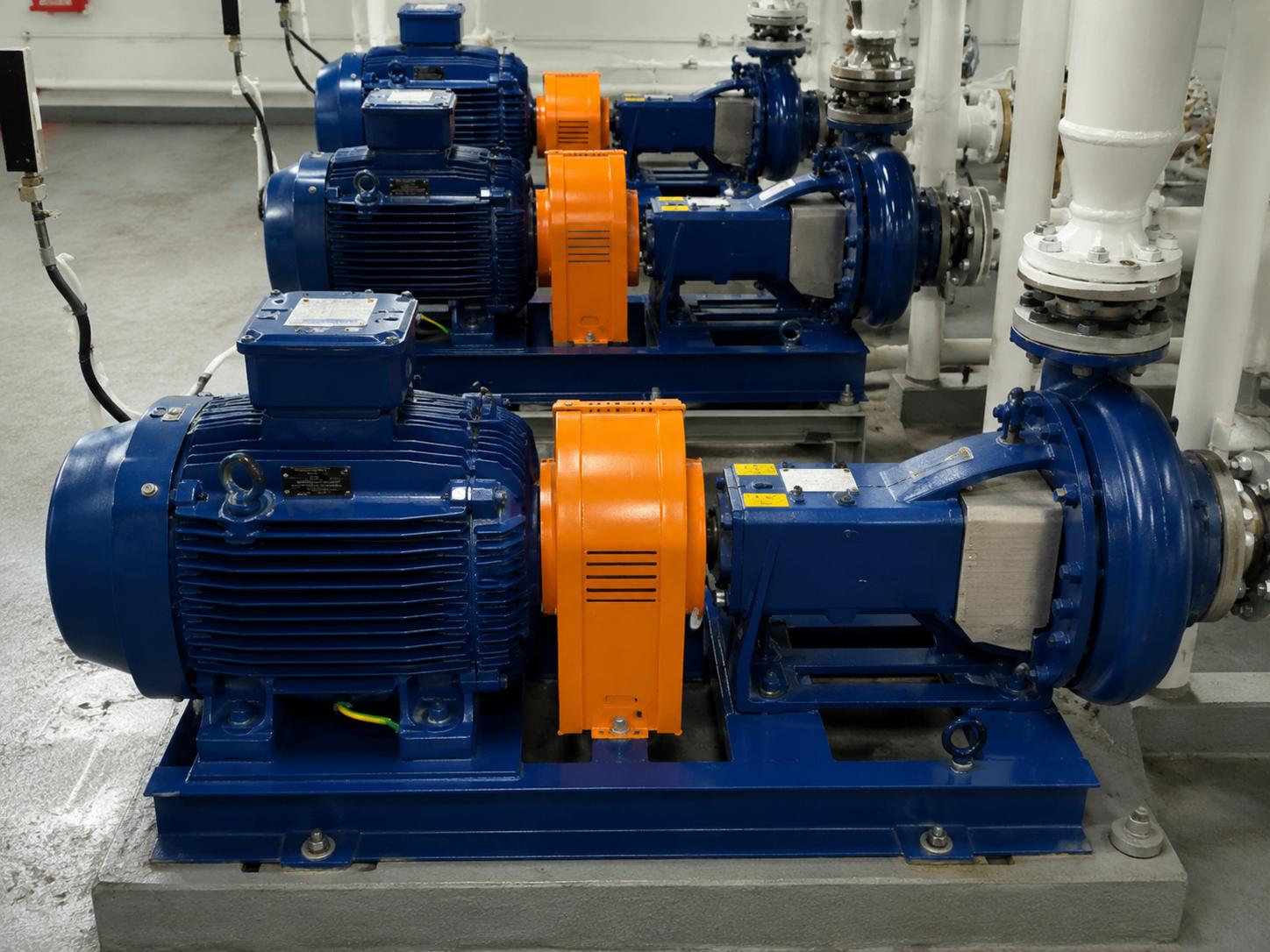

As soon as a foundation excavation is completed on a construction site, the first technical problem that comes to mind is controlling the groundwater. In a rainy season or on a site with a high water table, the water filling the bottom of the excavation must be discharged continuously; otherwise foundation concrete cannot be poured, formwork cannot be installed, and slope safety is jeopardized. This is exactly where the choice of a wellpoint pump motor becomes a critical decision that directly affects the progress of the project. The heart of a system that continuously pumps muddy, abrasive water under continuous duty (S1) is an electric motor selected with the correct power and the correct protection class. As an electric motor manufacturer and supplier, our priority is to match motors that genuinely withstand site conditions, can be kept as spares and can be supplied quickly.
In this guide, we explain step by step how to select the pump motors used in construction and foundation dewatering: the continuous-duty requirement, how muddy water and solid content affect the motor, how to determine the correct power, and how to plan stock and redundancy on site. Our goal is to clarify exactly what the site supervisor, project manager or purchasing officer should ask and check when requesting a quotation.
The Role of the Motor in a Wellpoint and Dewatering System
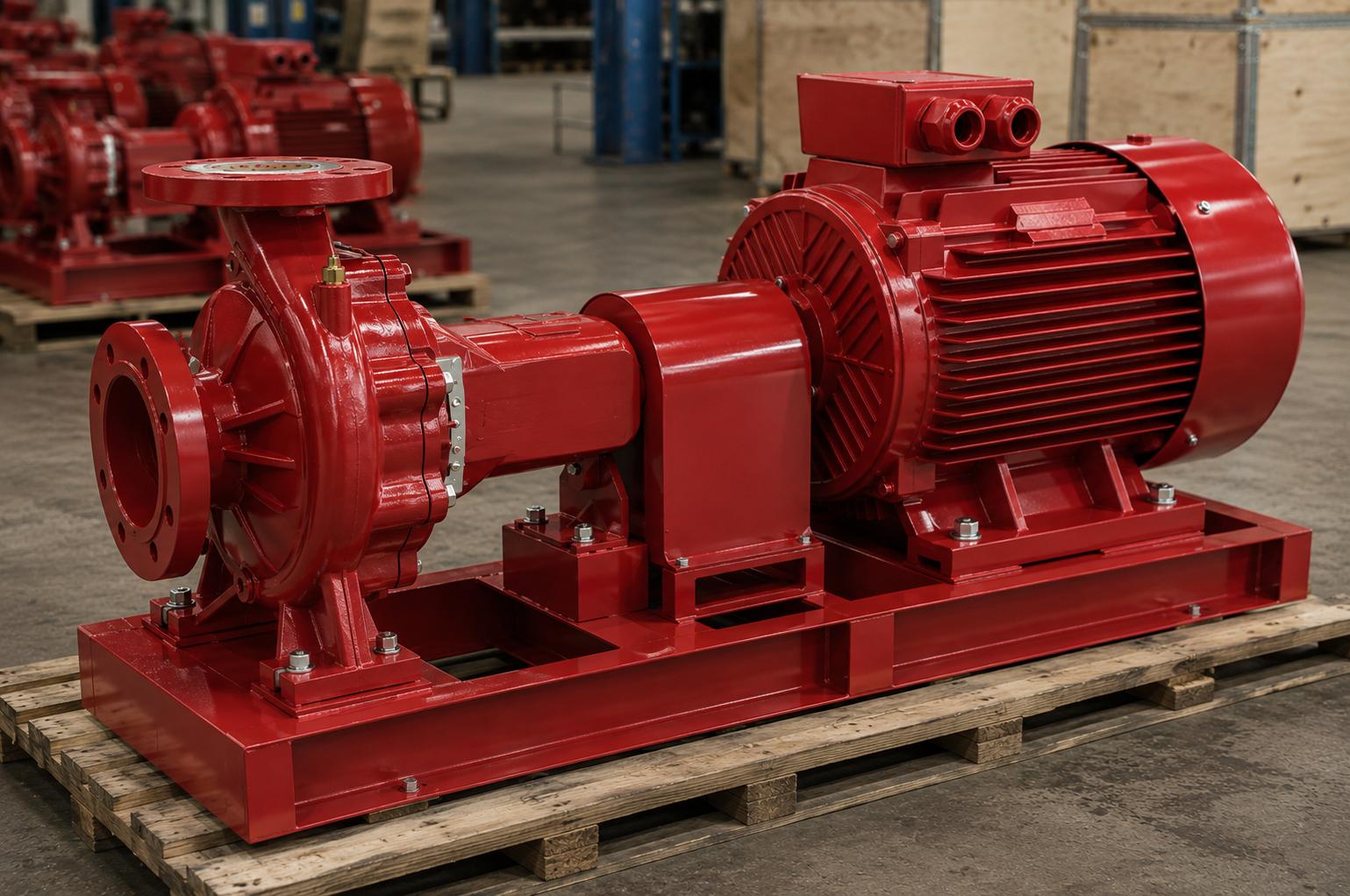
A wellpoint system is based on the principle of driving numerous suction tubes into the ground around the excavation at set intervals, connecting them to a common header, and drawing this header with a powerful vacuum/pump unit. The water level is lowered below the bottom of the excavation so that foundation work can be carried out in a dry environment. The efficiency of the system depends directly on the stability of the electric motor that drives the pump. Here, the motor must run not for minutes but for days, even weeks, without interruption. For this reason, the selected motor must be of continuous duty (S1) class, of heat-resistant F insulation class, and of at least IP55 protection class suitable for the dusty, humid environment of the site.
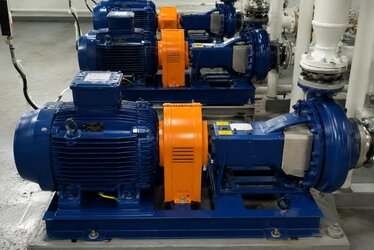
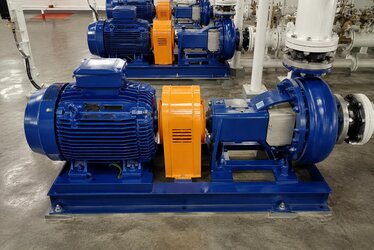
Dewatering applications can be grouped under three main headings: horizontal-shaft centrifugal pumps for surface drainage, deep-well/submersible solutions for deep water levels, and wellpoint header systems. The motor's task differs in each, but the common point is the same: uninterrupted, reliable and redundant drive power. Our article on centrifugal pump motor flow and head selection is a good starting point for understanding the basis of the power calculation.
Continuous Duty (S1): Why Is It So Important?
On site, dewatering usually runs 24/7. The foundation must stay dry before concrete pouring, the water level must remain stable during formwork removal, and the water must not rise again while the basement retaining walls cure. This makes continuous operation of the motor mandatory. Motors that are not designed for continuous duty, i.e. light-duty (short-time S2 or intermittent S3) motors, heat up quickly in this application, fatigue the winding insulation and fail prematurely.
- S1 continuous duty: The motor is thermally sized to run indefinitely at rated power. This is the fundamental requirement for dewatering.
- F insulation class: Provides high temperature endurance, leaving a safe thermal margin for a motor running outdoors in summer.
- 100% copper winding: Means lower resistance, less heating and longer life. The difference is significant under continuous load.
- Cast iron body: Withstands mechanical impact, vibration and the punishing conditions of site transport.
The continuous-duty requirement is related not only to the motor's nominal power but also to its cooling and body material. You can find the critical points regarding cooling and sealing of motors running under continuous load in our continuous-duty vacuum and blower motor sealing content.
Muddy and Abrasive Water: Effects on the Motor Side
The water drawn in foundation dewatering is rarely clean. It contains fine sand, silt, clay and sometimes small gravel. This solid content essentially wears the impeller and volute of the pump; but it also affects the motor indirectly. A worn and unbalanced impeller imposes additional vibration and variable load on the motor. In this case, the motor's bearing structure must be strong, the shaft of sufficient diameter, and the bearing system resistant to vibration.
The Right Motor Approach for Muddy Water
- A reinforced bearing structure and a bearing system with high vibration endurance should be preferred.
- The terminal box and cable entries should be of high IP protection class against water splash; IP65/IP66 sealing is valuable on a dusty site.
- The shaft seal and oil seal structure of the motor should be protected against moisture and dust ingress.
- An adequate service factor margin should be left so that the motor is not overloaded even when impeller wear occurs on the pump side.
Choosing the correct protection class in dusty and humid open-field conditions can double the motor's life. Our article on IP55, IP65 and IP66 protection class selection, in which we examine this subject in depth, makes it easier to make the right decision for your site.
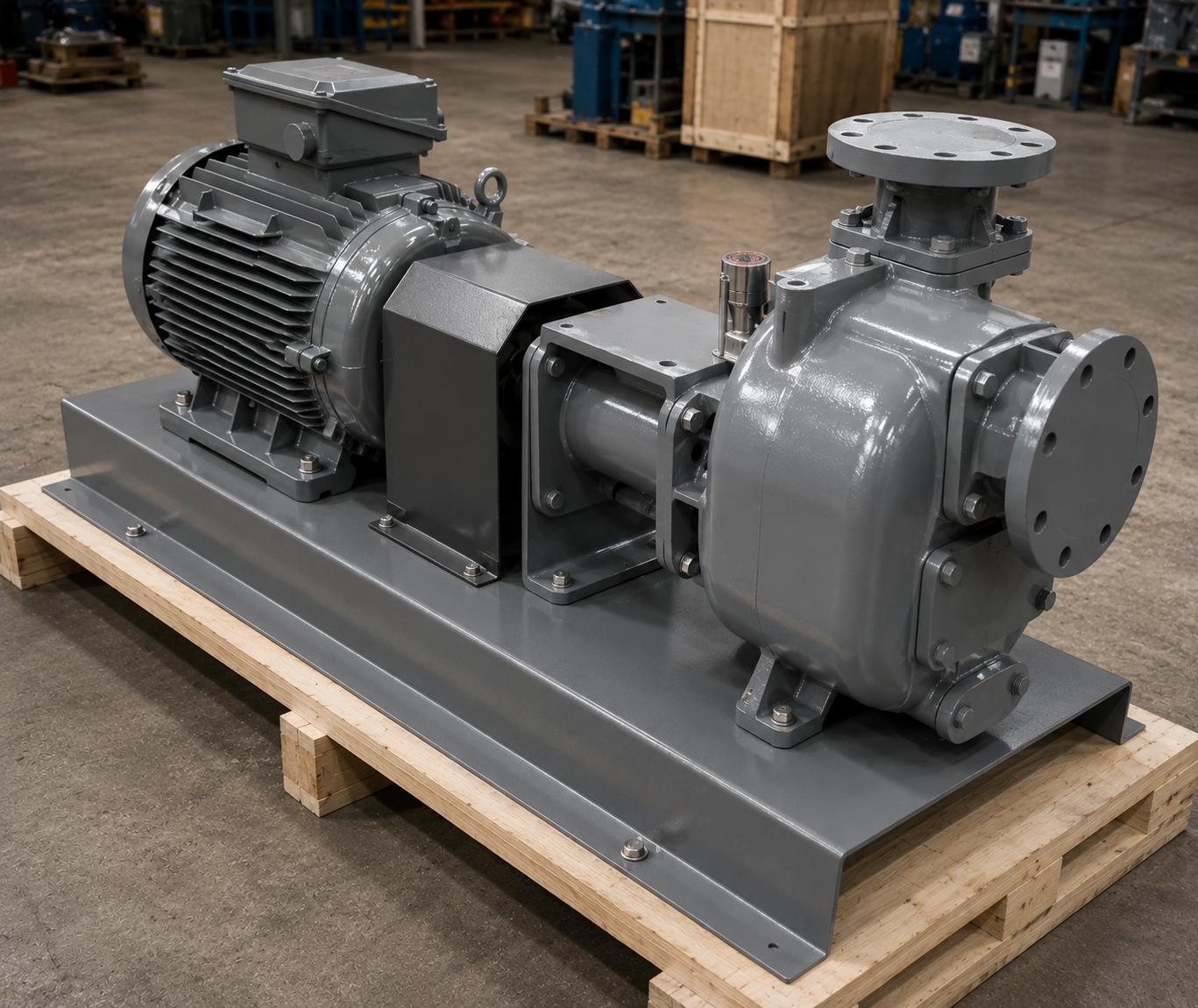
Determining the Correct Power: Flow, Head and Margin
The power of a dewatering pump motor is calculated from the flow rate the pump must carry and the total head. In wellpoint systems, the head usually increases with suction losses on the vacuum side, header resistance and the length of the discharge line. Therefore, not only the well depth but all line losses should be taken into account in the power calculation.
In practice, the most common mistake on site is sizing the power at the limit. When the mud load increases, the impeller wears, or the discharge line lengthens, a motor sized at the limit becomes overloaded. For this reason, leaving an appropriate power margin (service factor) is almost mandatory in a continuous-duty application. Our guide on motor load ratio and correct sizing, in which we discuss at what load ratio a motor should run, helps you quantify this decision.
Speed (Pole) Selection
Speed selection is critical in pump applications. While 2-pole (approximately 3000 rpm) motors are generally preferred in wellpoint header applications requiring high pressure, 4-pole (approximately 1500 rpm) motors are used in surface drainage where high flow and quieter, more balanced operation are desired. Wrong speed selection shifts the pump's operating point and reduces both efficiency and motor life. Finding the right point on the curve where the pump and motor work together depends on correct pole selection.
Mounting Type and Mechanical Matching
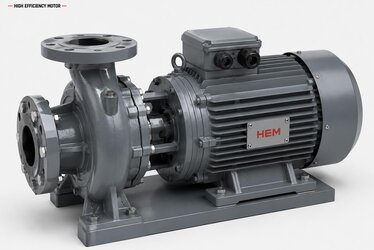
In dewatering pumps, the motor is usually connected to the pump with a coupling (B3 foot-mounted) or directly by flange (B5/B35). Foot-mounted B3 motors are common in coupled horizontal pump sets; flanged connection is preferred in close-coupled pumps. The motor's shaft diameter, key size and flange holes matching the pump exactly eliminate time loss and incompatibility risk on site. If a new motor is to be fitted to an old pump, the frame size, shaft diameter and mounting code on the existing motor's nameplate must be written into the quotation.
- B3 (foot-mounted): In coupled horizontal pump sets and belt-pulley drives.
- B5 (large flange): In close-coupled pumps with direct flange connection.
- B35 (foot + flange): In robust applications requiring both floor fixing and flange connection to the pump body.
If you hesitate about mounting type selection, our article on B5 vs B14 motor mounting type selection prepared for machine manufacturers clarifies the flange decision.
Stock, Redundancy and Fast Supply on Site
The stoppage of a dewatering pump on a construction site can set the reinforced-concrete schedule back by days; if the foundation floods, both cost and safety risks arise. Therefore, redundancy in dewatering motors is not a luxury but a necessity. Keeping a spare motor ready on site on a critical dewatering line allows the line to be put back into service within minutes in the event of a failure.
- At least one spare motor of the most-used power and speed combination should be kept on site.
- The spare motor should have exactly the same frame, shaft and mounting dimensions as the main motor so that no compatibility problem arises during replacement.
- The supplier's stock depth and fast shipping capacity are as important as price in the purchasing decision.
To plan which powers should be kept in stock, you can review our critical spare motor list and stock planning content. When you contact us for current electric motor prices and stock status according to your site's needs, we quickly match the right motor in the correct power, speed and protection class for your project.
Electrical Supply and Starting in the Open Field
On construction sites, the power supply is often provided from a generator or temporary transformer. This directly affects the starting method of the dewatering motor. In direct-on-line (DOL) starting, the motor's initial starting current rises to several times the rated current; this high current can cause a voltage dip on the generator and affect other equipment. In continuous-duty pumps, the starting method must be chosen correctly to protect both the motor and the supply source.
- Star-delta starting: Reduces starting current; a common solution at medium and high powers on generator-fed sites.
- Soft starter: Reduces both current and mechanical shock with a soft start; preferred in frequently switched pumps.
- Variable frequency drive (VFD): Ideal when flow needs to be adjusted according to the changing water level and energy savings are desired.
Our article on motor selection on generator-powered sites, in which we discuss the starting-current problem and its solutions in detail, guides you in supply planning. The correct starting method protects both the motor winding and the mechanical components of the pump for many years.
Maintenance, Monitoring and Commissioning Checks
When a dewatering motor arrives on site, a few basic checks before first start prevent failures that may occur later. Winding insulation resistance measurement (megger), rotation direction check, terminal tightness and grounding connection must be checked before commissioning. If the winding temperature and vibration level are monitored periodically on a continuous-duty motor, bearing wear and winding fatigue are noticed early.
- Insulation resistance should be measured before first start; the value may have dropped due to moisture in a motor that has been in stock for a long time.
- Pump rotation direction should be checked by phase sequence; reverse rotation reduces flow and strains the impeller.
- On a motor running under continuous load, terminal box temperature and body temperature should be monitored regularly.
- Site dust can block the fan cowl grilles and impair cooling; periodic cleaning is essential.
For the full list of commissioning steps, our motor commissioning and first-start checklist content is a practical check tool for a fast and error-free start on site. These small steps significantly extend the life of a motor running under continuous duty.
Common Mistakes in Site Pump Motors
- Choosing a light-duty motor: Fitting an S2/S3 motor on a line requiring continuous duty is the most common cause of early failure.
- Underestimating the protection class: Protection below IP55 should not be accepted on a motor exposed to water splash and dust in the open field.
- Sizing the power at the limit: If mud and wear load are not taken into account, the motor runs continuously overloaded.
- Not keeping a spare: A dewatering line dependent on a single motor risks the entire foundation schedule in case of failure.
- Wrong speed/pole: A speed incompatible with the pump's operating point reduces both efficiency and life.
Frequently Asked Questions
Which duty type motor is needed for a wellpoint dewatering system?
Since dewatering usually runs uninterrupted for days, a continuous-duty (S1) class motor is required. F insulation class, 100% copper winding and at least IP55 protection are basic requirements for reliable operation in the open field. Motors designed for intermittent duty (S2/S3) heat up quickly in this application and fail prematurely.
How do I protect the motor when pumping muddy water?
The motor itself does not contact the water; however, mud and wear unbalance the pump impeller, imposing vibration and variable load on the motor. A reinforced bearing structure, a vibration-resistant bearing system, a high IP protection class (IP65/IP66 on a dusty site) and an appropriate service factor margin protect the motor from these indirect effects.
How many poles should the motor have for a site dewatering pump?
2-pole (approximately 3000 rpm) motors are generally preferred in wellpoint header systems requiring high pressure and vacuum; 4-pole (approximately 1500 rpm) motors are preferred in surface drainage where high flow and quieter, more balanced operation are desired. The right choice is made according to the design point on the pump's operating curve; when in doubt, you can share the pump flow-head values and get the correct pole recommendation from us.