English
 Türkçe


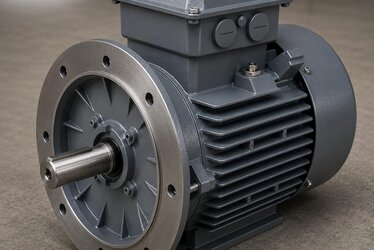
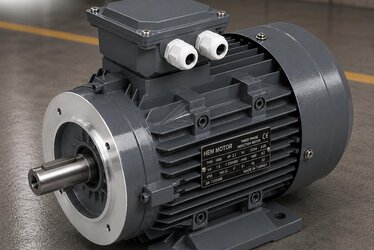
As IE3 efficient motors move up to larger powers, the high starting current that appears during direct-on-line (DOL) starting becomes a problem. While the classic methods of reducing this current are star-delta and the soft starter, there is another, less well-known but very effective method for certain applications: part-winding starting. In this method the motor is divided into two separate parallel winding groups and the start is performed in two stages; first only one winding group is energised, and shortly afterwards the second group is connected in parallel as well. As a result there are 12 leads in the terminal box and the connection is made accordingly. This article covers how part-winding 12-lead starting works in IE3 motors, how it lowers the starting current, the drop in starting torque, its comparison with star-delta and the soft starter, the 12-lead terminal connection and in which application it is correct, from a HEM Motor engineering perspective. By clearly setting out the method's strengths as well as its limitations, we aim to make concrete in which motor-and-load combination part-winding is truly the right choice.
The decision to reduce the starting current is an engineering matter that concerns not only the electrical panel but the motor's winding structure, the load's character and the commissioning process together. When the wrong method is chosen, the motor either struggles and overheats or money is wasted on an unnecessarily expensive solution. For this reason it is best to assess part-winding together with the other methods, around the real need.
How Does Part-Winding Starting Work?
The part-winding method requires the motor's stator winding to be designed so that it can be divided into two equal parallel groups. In normal operation these two groups are connected in parallel and carry the full current together. In part-winding starting, only the first winding group is connected to the grid at the moment of start. With a single group in circuit the motor's effective impedance is higher, so the starting current drawn drops markedly compared with the full winding. After the motor has accelerated somewhat (usually within a few hundred milliseconds), the second winding group is also brought into circuit in parallel and the motor moves to normal operation with the full winding.
Unlike the star-delta method, this approach does not change the winding connection type (star or delta); it only changes the amount of winding in circuit. The transition between the two stages is provided by a contactor group and a time relay. In the first stage a single contactor is closed; in the second stage both contactors are closed. For this reason the part-winding panel is relatively simple; it requires neither a special transition contactor nor the complex three-contactor logic of star-delta.
Reducing the Starting Current
The basic purpose of part-winding starting is to limit the starting current. With a single winding group in circuit, the first-stage current drawn typically falls to about half compared with full-winding direct starting (DOL); it is usually around 3.5-4.5 times the rated current (in DOL this can be 6-7 times). This reduces the voltage dip that would occur on the grid and eases the momentary stress on the transformer and supply lines. Especially on generator-fed sites or weak grids, halving the starting current can make commissioning possible.
This reduction in starting current, however, is not free. With a single winding in circuit the magnetic field the motor produces, and therefore the starting torque, also drops. This is the most critical limitation of the part-winding method: as the current falls, the torque falls too.
The Drop in Starting Torque and Limitations
In part-winding starting, since only half of the winding is in circuit in the first stage, the starting torque typically falls to about half compared with full-winding DOL torque. This makes the method suitable only for loads that require low torque at start. Centrifugal drives such as pumps and fans, where the load torque at the moment of start is low (and does not rise rapidly), are ideal for this method, because the low starting torque can easily set these loads in motion.
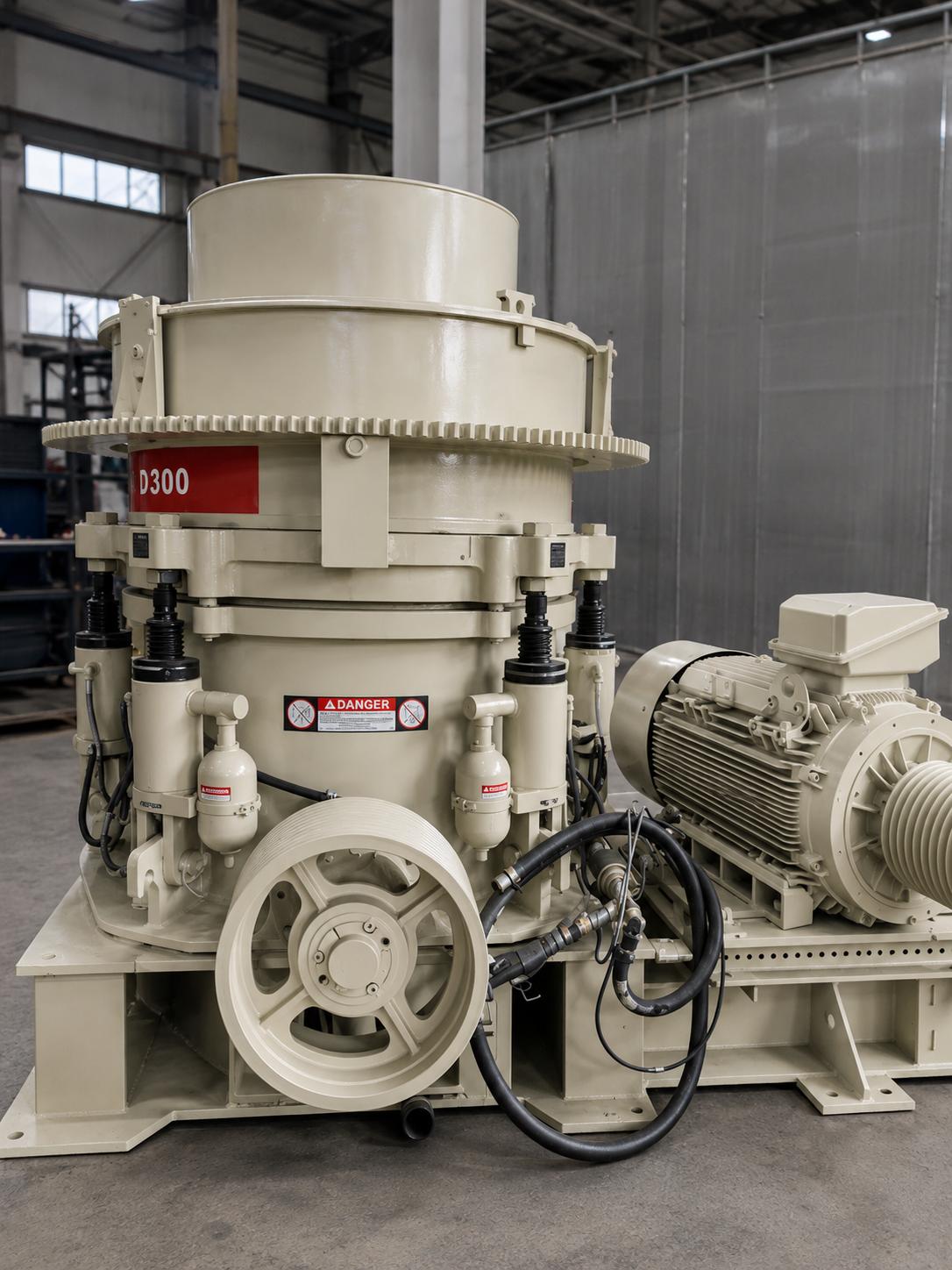
By contrast, in loads requiring high torque at start such as conveyors, crushers and compressors, part-winding can be insufficient; the motor may not start to turn in the first stage or accelerates very slowly, which leads to overheating of the winding. Another limitation is the requirement to time the transition between the two stages correctly. If the transition is made too early there is a current surge in the second stage; if made too late, the single winding is loaded for a long time and heats up. This timing must be set with the time relay according to the application.
Comparison with Star-Delta and the Soft Starter
The three common methods of reducing the starting current are part-winding, star-delta and the soft starter. Which is correct depends on the load, the panel and the motor's winding structure. The table below compares the basic properties of these three methods.
| Property | Part-winding | Star-delta | Soft starter |
|---|---|---|---|
| Starting current (x rated) | ~3.5-4.5 | ~2-3 | Adjustable (2-4) |
| Starting torque (vs DOL) | ~40-50% | ~25-33% | Adjustable |
| Number of terminal leads | 12 leads (special winding) | 6 leads | 3/6 leads |
| Panel complexity | Medium (2 contactors) | Medium (3 contactors) | Electronic device |
| Transition type | Winding stage | Connection change | Stepless (soft) |
| Typical application | Low-start-torque pump/fan | Medium-start general load | Any load, controlled start |
As shown, part-winding offers a higher starting torque than star-delta but also reduces the starting current less. The soft starter, by making both values adjustable, is the most flexible method; it does, however, require an additional electronic device and cost. The case where part-winding is strongest is in applications where the motor is already produced with a 12-lead winding and the load requires low starting torque.
The 12-Lead Terminal Connection
In a standard three-phase motor the terminal box has 6 leads (U1-V1-W1 and U2-V2-W2). In a part-winding motor, since there are two separate winding groups per phase, a total of 12 leads come out; these are typically marked as 1U1-1V1-1W1 / 1U2-1V2-1W2 (first group) and 2U1-2V1-2W1 / 2U2-2V2-2W2 (second group). When making the connection, the first winding group is connected to the main contactor and the second group to the auxiliary contactor; the star or delta bridging within each group is done as in the manufacturer's diagram according to the motor's rated voltage. For this reason, in a 12-lead motor the terminal connection must always be made according to the manufacturer's connection diagram; mismatching the leads leads to winding imbalance and failure.
- Match the terminal leads to the manufacturer's connection diagram; marking is critical in 12-lead motors.
- Verify that the two winding groups are connected to produce a magnetic field in the same direction.
- Connect the first- and second-stage contactors to the correct winding group.
- Set the transition time (time relay) according to the application to prevent overheating.
- Install winding thermal protection (PTC/PT100) so that it protects both groups.
For Which Application Is It the Right Choice?
Part-winding starting is not suitable for every motor and every load; first the motor must be produced with a 12-lead winding suited to this method. Part-winding cannot be applied to a standard 6-lead motor. Second, the load must require low torque at start. When these two conditions are met, part-winding becomes an effective way of lowering the starting current with a simple panel and relatively low cost. Typical suitable applications are centrifugal pumps, fans and blowers.
If the load's starting torque is high or variable, a soft starter or VFD is a safer choice, because they control starting current and torque together, steplessly. If speed control is also needed, a VFD becomes mandatory anyway and no separate starting method is required. In short, part-winding is simple and effective when the right motor and the right load come together, and insufficient when applied incorrectly. The correct decision comes from assessing the motor's winding structure and the load's starting curve together.
Panel Design and Commissioning
Correct operation of the part-winding system in the field depends on careful panel design and commissioning steps. The panel contains two contactors, one feeding the main winding group and the other the auxiliary winding group, and a time relay that manages their sequence. The contactors must be sized to carry the high instantaneous current at start, according to the motor's rated current and starting characteristic; a contactor chosen too small carries the risk of contact welding and early failure. The transition time of the time relay is set to coincide with the moment the motor has accelerated enough in the first stage; this time is usually very short, but it is correct to fine-tune it with a field trial according to the load.
In commissioning, an insulation resistance (megger) measurement should first be made, then it must be confirmed that both winding groups are connected correctly and produce the same direction of rotation. On the first run, it should be observed that the motor starts to turn in the first stage and reaches full speed smoothly when the second stage comes into circuit. If the motor struggles or does not turn at all in the first stage, this shows that the load's starting torque is too high for part-winding; in that case a soft starter or VFD should be used. Under first load, the winding and bearing temperatures are monitored to verify that the system runs thermally safe. Neglecting these steps is the source of the most common part-winding problems in the field.
The Relationship Between IE3 Efficiency and Part-Winding
IE3 class motors, because of their lower-loss designs, have lower-resistance and more optimised windings at the same power. This also affects the starting-current behaviour: IE3 motors, by design, often tend to draw a high instantaneous current at DOL start, because the low winding resistance can increase the starting current. For this reason the need for controlled starting on large-power IE3 motors can be more pronounced than on old low-efficiency motors. Part-winding, at this point, offers a way to limit the starting current without sacrificing the IE3 motor's efficiency advantage, because since the method brings the full winding into circuit in normal operation, it creates no loss in the motor's rated efficiency.
Another important point is that the part-winding winding does not affect the motor's rated performance. As the two winding groups are in parallel in normal operation, the motor runs at full IE3 efficiency, full torque and full power factor. Part-winding only changes the starting process; in steady state the motor behaves exactly like a standard IE3 motor. This makes part-winding an attractive option for plants wishing to manage the starting current without compromising efficiency, provided that the load requires low starting torque and the motor is produced with a 12-lead winding.
Winding Heating and Thermal Protection
One of the most important things to watch in part-winding starting is winding heating in the first stage. In the first stage all the starting current passes through only one winding group; since this group carries the normally shared current alone, it is under an intense thermal load, even if briefly. If the transition is delayed or the motor cannot accelerate enough in the first stage, this winding group can overheat and the insulation can be damaged. For this reason a correct setting of the time relay and a robust thermal protection are essential in part-winding panels.
It is important that the thermal protection covers both winding groups. PTC or PT100 sensors placed inside the winding monitor each group's temperature and stop the motor on overheating. In addition, selecting the main and auxiliary contactors according to the correct current ratings is necessary so they can safely carry the high instantaneous current in the first stage. If these details are overlooked, the method chosen to reduce the starting current can turn into a risk that shortens winding life. A correctly designed part-winding system, on the other hand, runs both safely and durably.
Frequently Asked Questions
Can part-winding starting be applied to a standard 6-lead motor?
No. The part-winding method requires two separate parallel winding groups in the stator and therefore a 12-lead terminal. A standard 6-lead motor does not have this structure, so part-winding cannot be applied. If you want to use this method, you must order the motor with a part-winding (12-lead) winding structure from the start. Otherwise star-delta or a soft starter should be preferred.
Is part-winding or star-delta better?
Which is better depends on the application. Part-winding offers a higher starting torque than star-delta but reduces the starting current a little less and requires a special 12-lead winding. Star-delta is more common and can be applied on standard 6-lead motors, but its starting torque is lower and there is a risk of a current surge at the moment of transition. Both are suitable for low-start-torque loads; the decision is made according to the motor's winding and the load's requirement.
Why is the transition time important?
If the transition between the two stages is made too early, the second winding comes into circuit before the motor has accelerated enough and a current surge occurs; if made too late, the single winding is loaded for a long time and overheats. For this reason the transition time of the time relay must be set carefully according to the motor's starting time and the load's inertia. A correct setting prevents both the current surge and winding overheating.
Part-winding starting in IE3 motors is an effective solution that lowers the starting current with a simple panel when the right motor and the right load come together. The drop in starting torque and the requirement for a 12-lead winding must, however, be kept in mind. For more information and assessment:
- IE3 Motor Soft Starter Compatibility
- IE3 Motor Winding Connection (Star/Delta) and Voltage Selection
- IE3 Motor Rated Torque and Starting Torque (DOL)
- Starting AC Asynchronous Motors: Star-Delta or Soft Starter?
- Starting Current: What Is LRA and How Is It Reduced?
To determine the correct starting method including part-winding in IE3 motors and to evaluate the 12-lead winding option, contact us and request a quotation tailored to your project with stock availability and fast delivery.