English
 Türkçe

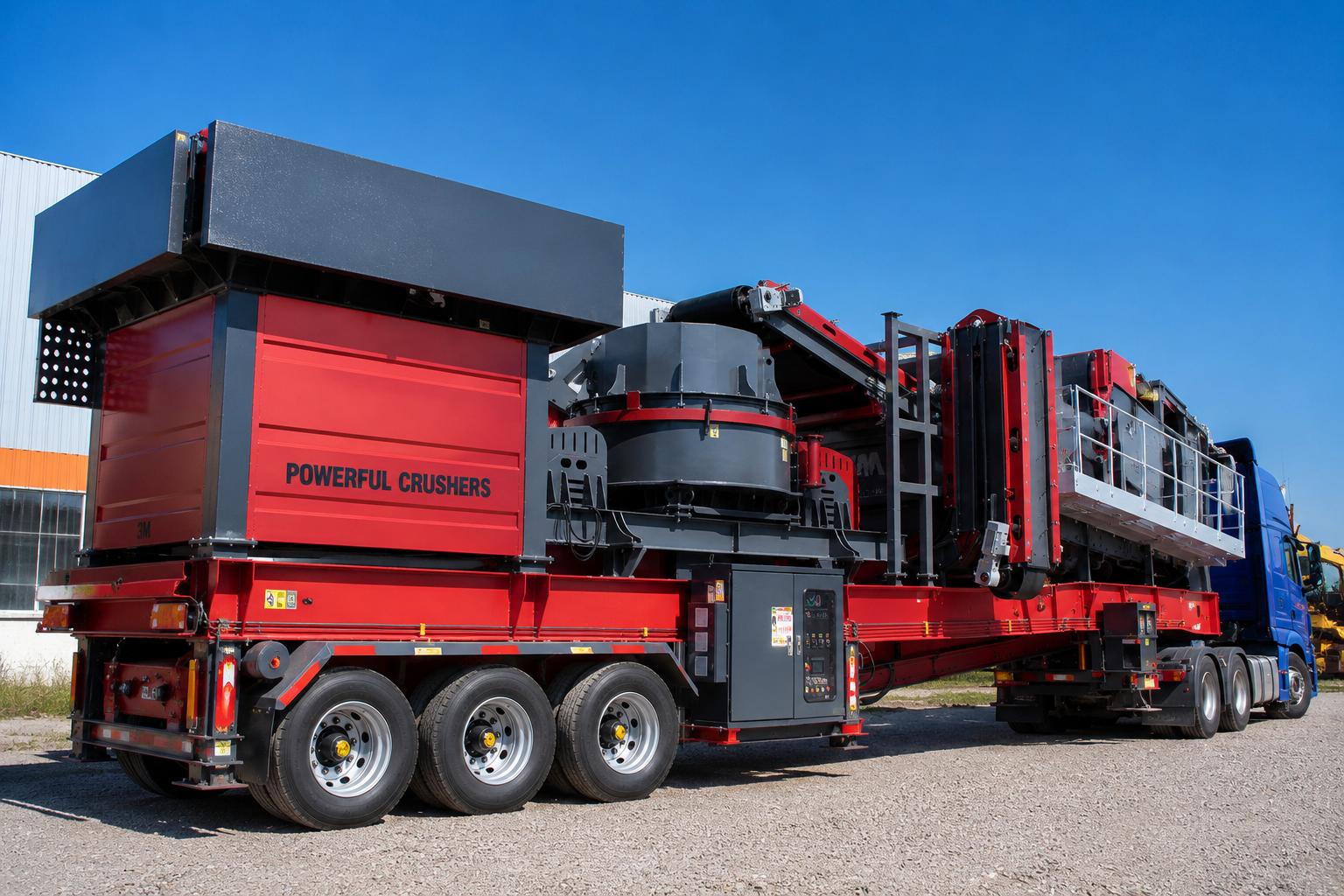

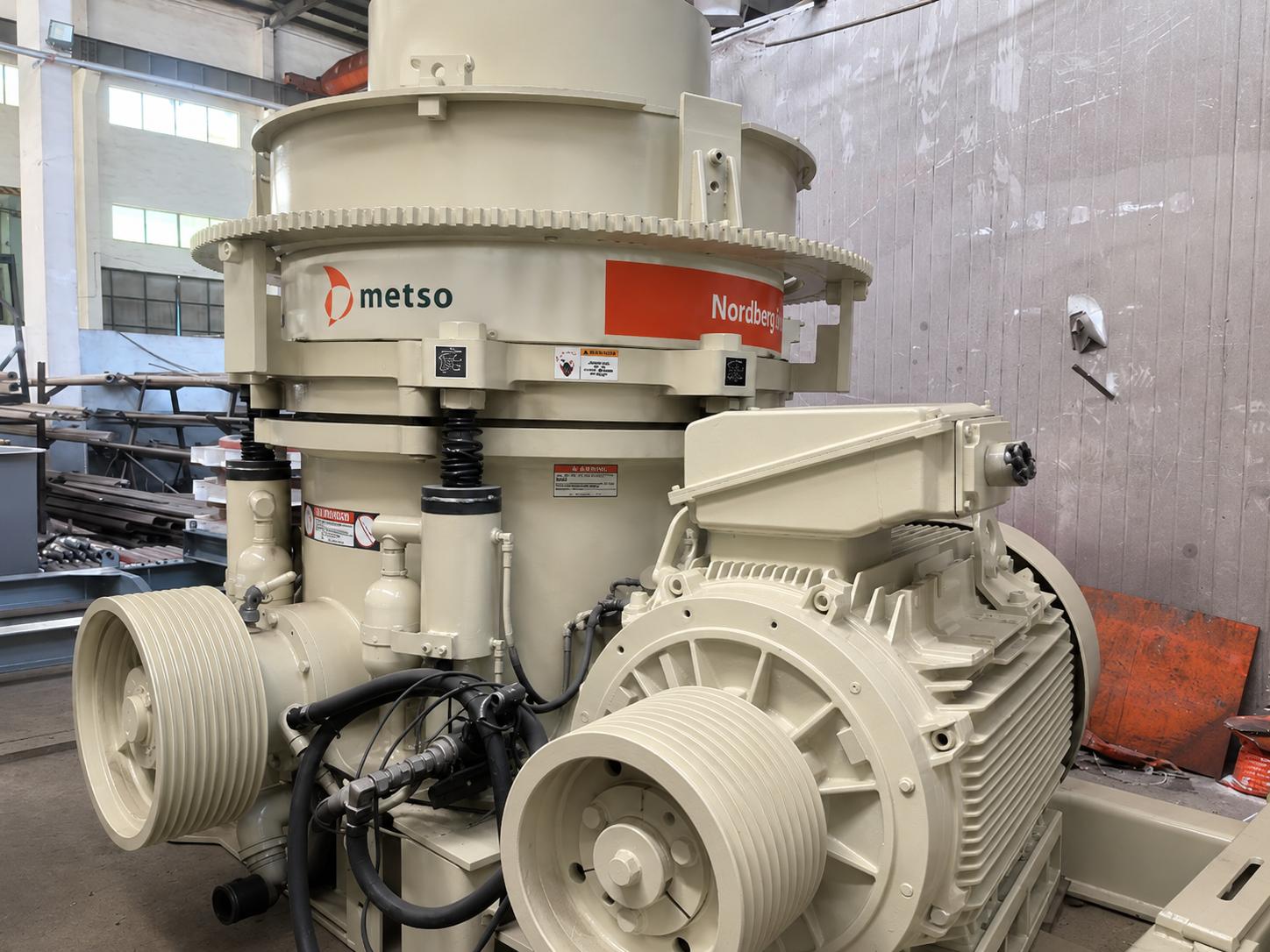
In mine and ore laboratories, a sample must first be reduced to a suitable size so it can be analyzed correctly. The sample crusher and pulverizer devices that do this work are the laboratory-scale counterparts of the large crushers and mills in the field. Jaw sample crushers, ring pulverizers, ball mills and disc mills demand precise and repeatable size reduction while preparing the ore for analysis. At the heart of this precision is a correctly chosen electric motor driving the device. A motor selected with the wrong power or the wrong protection class both degrades grinding quality and, in the heavy dust environment, fails prematurely, halting the laboratory's analysis flow.
As HEM Motor, with our identity as both manufacturer and seller, we know that motor selection in mine laboratory sample preparation devices requires different criteria from heavy machines in the field. In this guide we cover precise size reduction, resistance to the dust environment, shock load characteristics and correct power sizing in a way that simplifies your purchasing decision. For current electric motor prices and stock status, you can review our product pages.
The Job of the Sample Crusher and Pulverizer Motor
Laboratory sample preparation devices share the same basic principle as field crushers and mills: reducing material to a smaller size with mechanical force. However, at the laboratory scale, this process must be much more precise and repeatable, because grinding quality directly affects the analysis result. In this process, the motor provides the torque needed by the crushing or grinding element in a stable and continuous manner.
Precise and Repeatable Size
The aim in sample preparation is to reduce each sample under the same conditions and to the same size distribution. This means the motor maintains speed stability under load. Speed fluctuation can change the grinding time and therefore the size distribution. For this reason, it is important for the motor to have sufficient torque reserve and a stable operating characteristic.
Shock and Variable Load
Especially in jaw sample crushers, the load is shock-like; when a hard ore piece enters the jaws, the motor faces a sudden torque demand. For this reason, the motor must have sufficient starting torque and overload capacity. To see the effect of the shock load characteristic on motor selection in detail, our article on motor selection under shock load: flywheel, inertia and crusher drive is a useful resource.
Resistance to the Dust Environment: Protection Class
In mine laboratories, sample crushing and grinding produce intense fine dust. This dust is one of the motor's biggest enemies: it can coat the cooling fins causing overheating, enter the terminal box causing electrical problems, and reach the bearings causing wear. For this reason, the motor's protection class is a critical criterion in the laboratory environment.
- IP55 protection class: Provides protection against dust and low-pressure water jets; common in standard laboratory use.
- Higher protection: In environments with very fine and dense dust, higher protection levels with better dust sealing may be requested.
- Cast iron body: Offers mechanical strength and better heat dissipation; durable in dusty and vibrating environments.
- Class F insulation: Leaves a safe margin against dust-induced heating with its high temperature resistance.
For dust sealing and protection level selection in a dusty environment, our article on dust sealing and IP65/IP66 protection in crusher motors offers principles that can also be adapted to the laboratory scale.
Correct Power (kW) and Speed Selection
Sample crusher and pulverizer devices are usually driven by motors in the low-medium power band. The correct power depends on the hardness of the material the device will process, the feed size and the desired grinding fineness. The device manufacturer usually specifies the recommended motor power and speed; this value is taken as the basis in motor selection and a safety margin is left for the shock load.
Speed and Pole Count
- 2-pole (~3000 rpm): Preferred in some disc and ring pulverizers requiring high speed.
- 4-pole (~1500 rpm): Offers balanced speed-torque in jaw crushers and many pulverizers; the most common choice.
- 6-pole (~1000 rpm): Used in heavy grinding applications requiring high torque and low speed.
For the basic logic of power selection in crusher and mill motors, our article on crusher motor kW selection: power by jaw, impact and cone crusher offers a perspective that also sheds light on the laboratory scale.
Bearing Life and Vibration Resistance
Sample crushing and grinding devices operate with vibration by their nature. This vibration and shock load stress the motor's bearings. Combined with the dust environment, bearing life becomes a critical issue in laboratory motors. Quality bearings, correct lubrication and dust sealing allow the motor to complete its expected life.
- Reinforced bearing: A bearing structure resistant to shock and vibration extends life.
- Dust seal: Sealing elements that prevent dust from entering the bearing are important.
- Lubrication: Regular greasing directly affects bearing life.
- Balanced rotor: A well-balanced rotor reduces vibration, lowering the load on the bearing.
For bearing life, shock and dust in crushing and grinding applications, our article on bearing life in crusher and mill motors: shock, dust and lubrication offers detailed information.
Motor by Sample Preparation Device Type
Sample preparation in a mine laboratory is usually a multi-stage process, and at each stage a different device, and therefore a different motor characteristic, comes into play. To choose the right motor, you must understand the device type and its load profile.
Jaw Sample Crushers
Jaw crushers, which reduce coarse-piece ore to a smaller size in the first stage, have a shock-like and variable load profile. When a hard piece enters the jaws, the motor faces a sudden torque demand. For this reason, sufficient starting torque and overload capacity are a priority; usually 4-pole, continuous-duty and robustly built motors are preferred.
Ring and Disc Pulverizers
These devices, which reduce the crushed sample to the fine size needed for analysis, offer a more stable but still vibrating load. Speed stability is critical for the repeatability of grinding fineness. In these devices, the motor maintaining its speed under load ensures each sample is prepared under the same conditions.
Ball Mills
These devices, which grind the sample with balls, run with relatively long operating times and the continuous duty (S1) profile is important. Motors producing stable torque at low-medium speed are preferred. At the laboratory scale, the motor selection logic in ball mill and similar grinding applications rests on the same basis as the industrial scale; our article on ball mill and press motor selection explains these principles.
Duty Type and Continuous Operation
In mine laboratories, sample preparation devices can process many samples in succession during the day. Especially in devices requiring long grinding times, such as ball mills, it is important for the motor to suit the S1 continuous duty profile. A continuously running motor reaching thermal equilibrium and staying within safe limits is possible with correct insulation and cooling. Keeping the cooling fins clean in the dust environment prevents the motor from overheating. For cooling and overheating management in crushing-grinding motors running continuously at full load, our article on motor cooling and overheating in a crusher plant offers principles that can also be adapted to the laboratory scale.
Mounting Type and Mechanical Compatibility
In sample crusher and pulverizer devices, the motor is usually connected to the drive element by belt-pulley or direct coupling. The mounting type is determined accordingly. A B3 foot-mounted motor is preferred in belt-pulley systems, while B5 flanged or B35 combined mounting is preferred in directly coupled systems. A motor suitable for the mounting type and shaft diameter specified by the device manufacturer should be selected.
To compare mounting types, you can review our B3 foot-mounted electric motors page. For the general criteria of motor selection in the mining sector, our mining sector electric motor page is also useful.
In mechanical compatibility, the shaft diameter and key dimension are a critical detail for the motor to connect to the device's drive element seamlessly. The shaft diameter specified by the device manufacturer must be exactly compatible with the motor's shaft; otherwise the coupling will not seat or the pulley cannot be mounted. In belt-pulley driven systems, pulley alignment and belt tension also affect the life of the motor and the device. A misaligned pulley imposes extra load on the motor's bearings, leading to early failure. For this reason, both shaft-coupling compatibility and alignment must be done carefully during installation.
Sample Contamination and the Motor's Role
One of the most critical points of sample preparation in mine laboratories is preventing contamination. A sample mixing with material left over from a previous one degrades the analysis result. For this reason, the cleanliness and stable operation of the devices are very important. The motor's role here is indirect but important: speed stability and vibration control ensure the repeatability of the grinding process. A motor that vibrates excessively or has fluctuating speed negatively affects both grinding quality and the mechanical stability of the device. A balanced rotor, quality bearings and correct mounting keep vibration to a minimum, supporting the reliability of both the device and the analysis process.
Understanding the sources of motor-induced vibration and noise helps diagnose problems early; on this topic, our article on noise sources in asynchronous motors: magnetic, mechanical and aerodynamic is a useful reference.
Efficiency Class and Operating Cost
Although sample crusher and pulverizer motors are in a relatively low power band, they run frequently throughout the day in a laboratory doing intensive analysis. For this reason, the motor's efficiency class is reflected in operating cost in the long term. IE3 Premium and higher-efficiency motors do the same job with lower losses, providing both energy savings and less heat generation. Less heat also reduces the cooling burden in the dust environment. From a regulatory standpoint, a high efficiency class is mandatory in certain power bands; to learn which class is required at which power, see our article on the IE3 efficiency class mandate: which class is required at which power.
Stock Status and Fast Supply
In mine laboratories, the continuity of sample analysis is important; a device motor failing can halt the analysis flow and delay project deliveries. For this reason, motors that can be supplied quickly from stock and have common power-speed-frame combinations provide a great advantage. As HEM Motor, we aim to minimize laboratory downtime by keeping the most sought-after power and speed bands in stock.
- Common combinations: Low-medium power 4-pole, B3/B5 mounting are usually delivered from stock.
- Spare motor: Keeping a spare motor in laboratories doing critical analysis prevents interruption in case of failure.
- Replacement from nameplate: When replacing an existing motor, a one-to-one substitute can be selected using the nameplate information.
Sample Crusher and Pulverizer Motor Selection Checklist
- Base it on the power and speed recommended by the device manufacturer, leaving a safety margin for the shock load.
- For heavy dust, prefer a high protection class (at least IP55) and a cast iron body.
- Ensure sufficient torque reserve and starting torque for speed stability.
- Check for a reinforced bearing and dust seal for vibration and dust.
- Match the mounting type (B3/B5/B35) and shaft diameter to the device.
- Confirm the suitability of the duty type (S1) and insulation class (F) to the application.
- Learn the stock and lead time status in advance.
- Confirm any special requirements (special shaft, flange, protection) specified by the device manufacturer.
Frequently Asked Questions
Is a laboratory sample crusher motor selected differently from a field crusher motor?
The basic principles are the same: in both, shock load resistance, dust protection and stable torque are important. However, at the laboratory scale, motors are in a much lower power band and precise, repeatable grinding is the priority. While raw power and heavy-duty endurance stand out in a field crusher, speed stability and dust sealing are more critical criteria in a laboratory device.
Which protection class is sufficient in a sample pulverizer motor?
In standard laboratory use, the IP55 protection class provides adequate protection against dust and low-pressure water splashes. However, in pulverizers producing very fine and dense dust, higher sealing levels against dust may be requested. A cast iron body and correct terminal box sealing prevent dust from entering the motor, extending its life.
My existing sample crusher motor failed; how do I find the same one?
Note the power (kW), speed (rpm), frame size (IEC) and mounting type (B3/B5/B35) on the old motor's nameplate. When you select a one-to-one replacement motor with this information, the device's grinding characteristic is preserved and the mechanical connection matches seamlessly. If the device manufacturer specified special requirements, take those into account as well. For fast supply from stock, you can confirm the suitable model on our product pages.