English
 Türkçe

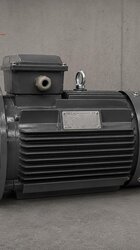
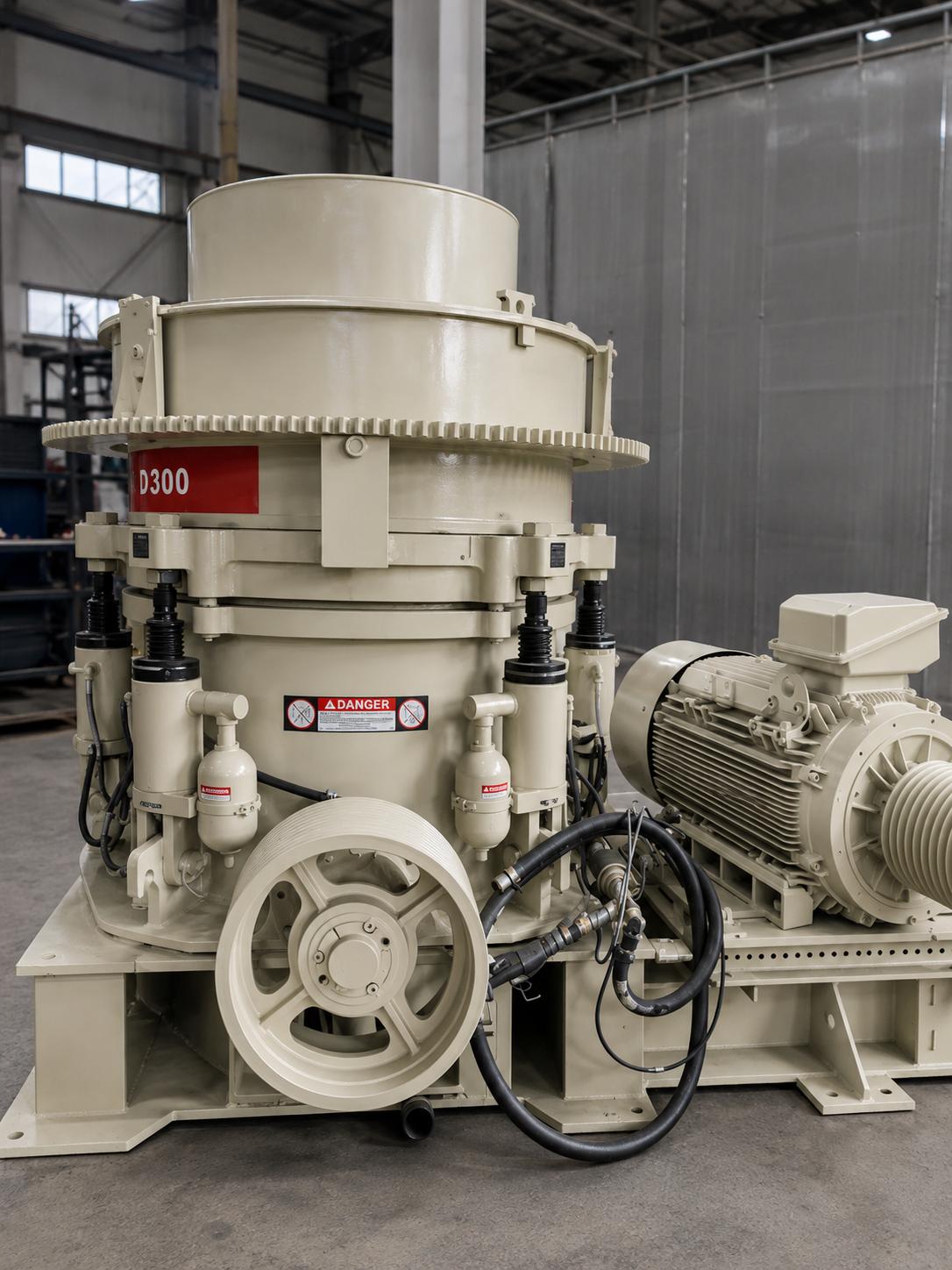

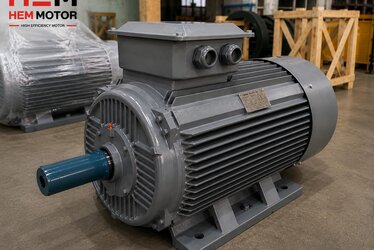
In applications that require precise speed and torque control of asynchronous motors, the control method of the frequency inverters (VFD) that manage speed and torque is of great importance. One of these methods, DTC (Direct Torque Control), controls the motor's torque and magnetic flux directly, without intermediate conversions, offering an extremely fast torque response. Thanks to this feature, it elevates motor performance in applications with sudden load changes and, in many cases, provides high precision even without an encoder (feedback device).
As HEM Motor, with our identity as both manufacturer and seller, we want to help buyers clarify what DTC control is, in which applications it makes a difference and what to pay attention to in an asynchronous motor that will run with this method. In this guide we cover the working logic of DTC, its advantages, encoderless precision and correct motor supply. For motor selection compatible with an inverter and current electric motor prices, you can review our product pages.
What Is DTC (Direct Torque Control)?
DTC is one of the methods by which a frequency inverter controls an asynchronous motor. Classic scalar (V/f) control only supplies voltage and frequency to the motor; it does not directly manage the motor's actual torque. Vector control, on the other hand, controls the motor by decoupling its current and flux. DTC goes a step further, controlling the motor's torque and magnetic flux directly and at a very high computation speed.
In DTC, the inverter continuously estimates the motor's instantaneous torque and flux values and, comparing them with the target values, triggers the power switches directly. This way, without the need for an intermediate modulation layer, the delay between the torque command and the actual torque is minimized. The result is an extremely fast torque response and sudden adaptation to load changes.
The practical meaning of this approach is as follows: the torque the motor produces settles almost without delay to the value the control system requests. When the load suddenly increases, classic control methods experience a delay in raising the torque, whereas DTC completes this transition much faster. This difference means that the machine's speed remains constant under load and process quality is preserved. Especially on lines where product quality depends on speed stability, this response speed is directly reflected in production quality.
Scalar, Vector and DTC Control Comparison
- Scalar (V/f) control: Simple and economical; sufficient for variable torque loads such as pumps and fans. Torque precision is low.
- Vector (field-oriented) control: Provides precise control by decoupling torque and flux; common in conveyor, lifting and winding applications.
- DTC (direct torque control): Offers the fastest torque response; stands out in applications requiring sudden load changes and high torque at low speed.
To learn the basic logic of a frequency inverter and when it is needed, our article on a frequency inverter (VFD) with an asynchronous motor is a good starting point.
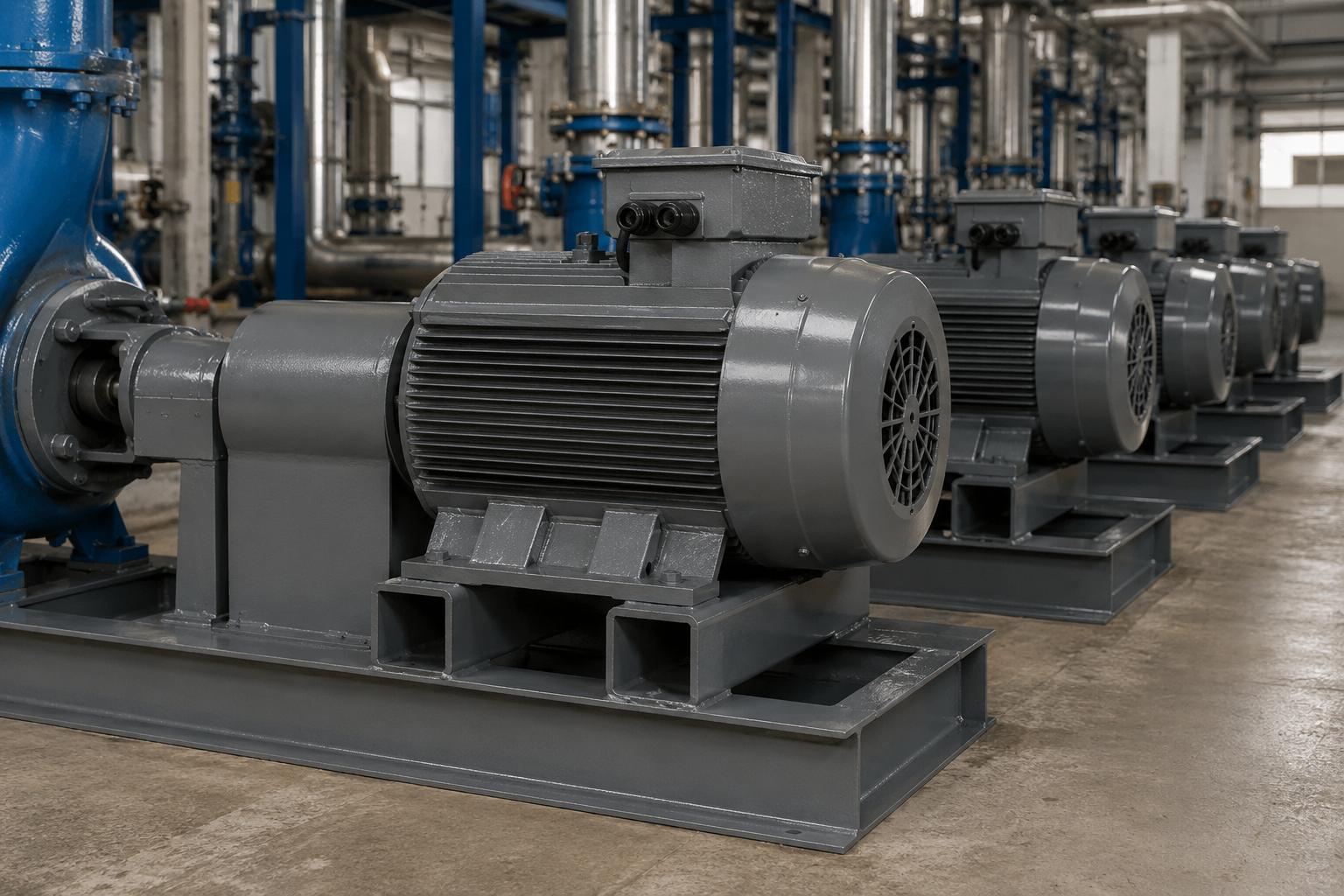
Advantages Provided by DTC
DTC control significantly improves motor performance in the right application. These advantages reveal the value of the inverter-motor package in the purchasing decision.
Fast Torque Response
The most distinctive feature of DTC is that it responds almost instantly to a torque command. This minimizes speed drop during sudden load increases and ensures stable machine operation. In applications where the load profile changes suddenly, such as crushers, mixers, winding and lifting, this response speed is a critical advantage.
High Torque at Low Speed
DTC allows the motor to produce high and stable torque even at very low speeds. This is important for applications that require high torque at startup and precise positioning at low speed.
Encoderless Precision
An important advantage of DTC is that it can offer high torque and speed precision without an encoder (feedback device) in many applications. Since the inverter estimates the motor's behavior through an internal model, satisfactory control is achieved even without additional feedback hardware. This is an advantage in terms of both cost and ease of installation. In special applications requiring much higher positioning precision, an encoder can still be added.
Protection Against Mechanical Stress
DTC's smooth and controlled torque production is not only an electrical advantage but also a mechanical protection. Reducing sudden torque shocks lowers the load on transmission elements such as couplings, belts, gears and bearings. This means less frequent maintenance and longer-lived transmission elements. In systems operating under shock loads, this protection lowers the total cost of ownership of both the motor and the connected machine.
What to Watch for in an Asynchronous Motor That Will Run with DTC?
Although DTC control is a method on the inverter side, the motor being compatible with this form of control directly affects performance and life. There are several technical points to watch for in inverter-fed motors.
- Insulation strength: Inverter-fed motors are exposed to high voltage surges caused by switching. Class F insulation or reinforced winding insulation provides resistance against these surges.
- Cooling: While producing high torque at low speed, the motor's own fan may not blow enough air. In this case, an external (forced) cooling fan may be needed.
- Bearing protection: In inverter-fed systems, shaft voltages can cause electrical damage in the bearings; an insulated bearing or grounding brush reduces this risk.
- Efficiency class: IE3 and IE4 efficient motors run with lower losses together with the inverter, reducing energy cost.
- Terminal box and cable: In inverter feed, shielded cable and correct grounding are important for electromagnetic compatibility.
For bearing selection and life in inverter-fed motors, our article on bearing types and life in asynchronous motors: insulated bearing offers detailed information.
DTC and the Structure of the Asynchronous Motor
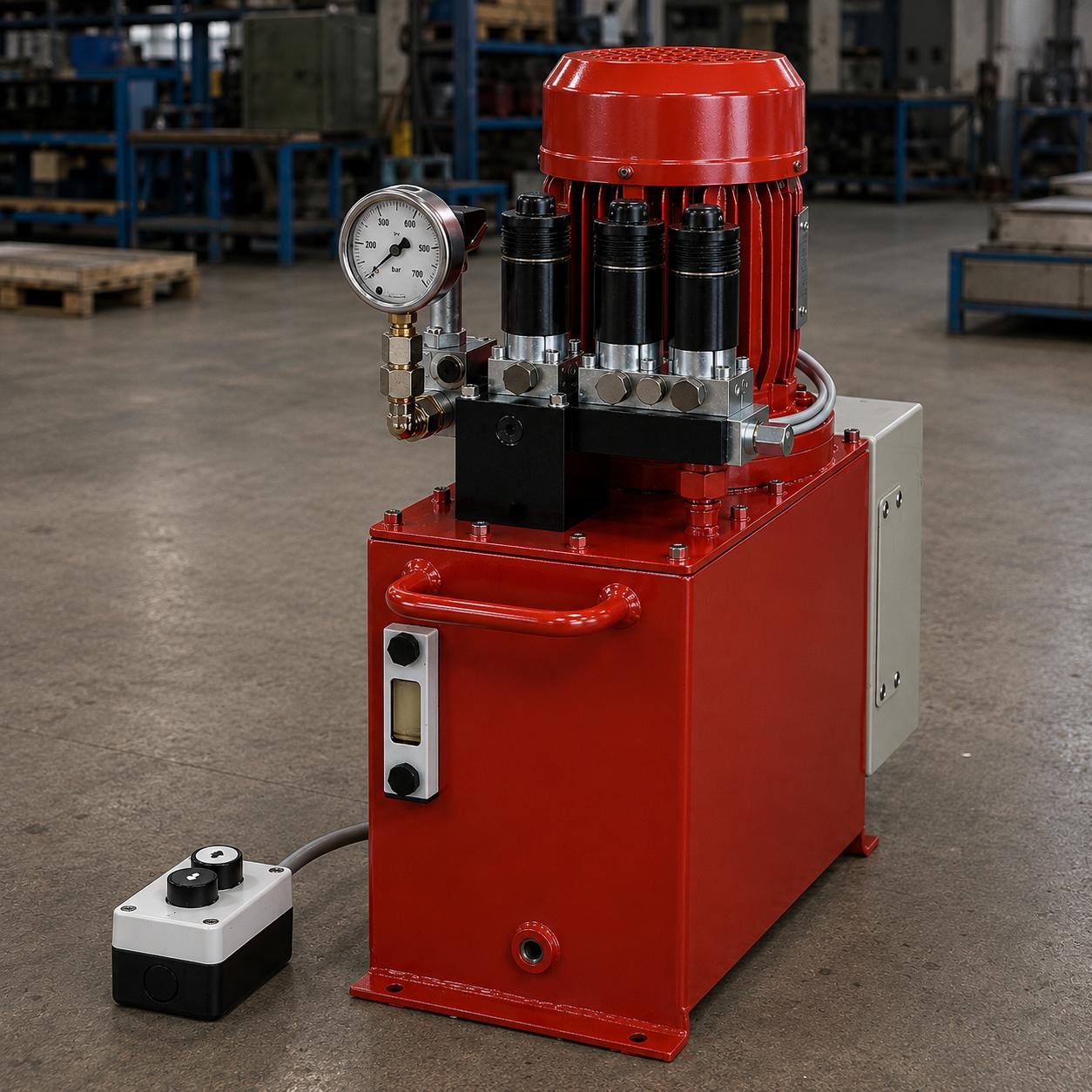
To understand why DTC control is so effective in asynchronous motors, one must look at the motor's basic structure. The vast majority of standard industrial motors are of the squirrel-cage asynchronous motor type; it has a robust, low-maintenance and economical structure. The DTC inverter manages this robust and common motor type with an advanced control algorithm, enabling high performance without the need for more expensive and complex motor types.
By the nature of the asynchronous motor, its actual speed under load is slightly below the synchronous speed; this difference is called slip. DTC control manages the motor's actual behavior by continuously monitoring slip and the torque production related to it. For this reason, speed stability under load is much higher compared to scalar control. For the slip and actual speed relationship, our article on slip and actual speed in asynchronous motors explains the topic. To learn which is suitable at which load for squirrel-cage and slip-ring motors, our article on the difference between squirrel-cage and slip-ring asynchronous motors is useful.
In Which Applications Is DTC Preferred?
DTC's fast torque response and high torque at low speed provide clear benefit in certain application families. Applications where the load profile changes suddenly, where precise torque control is important or where operation over a wide speed range is required are suitable for DTC.
- Crushing and grinding: Adapts quickly to sudden torque increases in systems operating under shock load, such as crushers and mills.
- Lifting and crane: Stands out in lifting applications requiring high torque and precise control at low speed.
- Winding and tensioning: Precise torque management is important in winding applications requiring constant tension.
- Mixer and extruder: Provides stable speed in process machines where load changes suddenly.
In variable-speed applications, correctly evaluating whether it is constant torque or variable torque affects motor selection; on this topic, our article on motor selection in variable-speed applications: constant torque or variable torque is useful.
DTC and Starting: How Does the Inverter Manage Inrush Current?
In traditional direct-on-line (DOL) starting, an asynchronous motor draws a high inrush current at the moment of startup; this both stresses the grid and creates a sudden torque shock in the mechanical transmission elements. Methods such as star-delta or soft starter are used to limit this current. A DTC-controlled inverter, on the other hand, already manages the start in a controlled manner: it slowly accelerates the motor from zero speed with the desired torque profile, so neither high inrush current nor sudden mechanical shock occurs. This means longer life for both the motor and the driven machine.
For a comparison of starting methods, our article on starting AC asynchronous motors: star-delta or soft starter addresses the topic in detail. In an inverter-fed motor, the suitability of the starting torque class (Design N/H) to the application should also be evaluated; on this topic, our article on asynchronous motor torque classes (Design N/H) and starting torque helps.
Energy Efficiency and Inverter Synergy
A DTC-controlled inverter can offer significant energy savings by ensuring the motor runs only at the needed speed and load. Especially in variable-load applications such as pumps and fans, reducing the speed according to load demand creates noticeable savings compared to running at constant speed. The motor's efficiency class also comes into play here: IE3 Premium and IE4 Super Premium motors raise the total system efficiency when used together with the inverter. For the savings that a high-efficiency motor and frequency inverter provide together, our article on high-efficiency motor + frequency inverter: energy savings in pumps and fans offers a concrete perspective.
To learn which efficiency class is mandatory at which power from which date, see our article on the IE3 and IE4 efficiency mandate regulation.
The Right Motor-Inverter Package and Supply
To get full benefit from DTC, the motor and inverter must be selected compatibly. While the motor's power, speed, frame size and efficiency class are determined according to the application, the inverter must also have control capability compatible with this motor. As HEM Motor, we supply motors with suitable insulation and protection classes for inverter-fed applications.
- Power and speed matching: A power-pole selection suitable for the torque and speed range the application requires is made.
- Inverter-compatible insulation: Winding insulation resistant to switching surges is preferred.
- Stock and lead time: The most sought-after power-speed combinations are supplied quickly from stock.
When buying a motor that will run with an inverter, it is important to evaluate not only the motor's power value but also its insulation suitable for inverter feed, the necessary cooling support and bearing protection together. This holistic approach ensures that the high performance offered by DTC is preserved throughout the motor's life.
Commissioning Checks for Motor-Inverter Compatibility
Whether a DTC-controlled system delivers the expected performance in the field depends on correct commissioning as much as correct motor selection. The inverter works by recognizing the electrical parameters of the motor it controls (winding resistance, leakage inductance, magnetic flux characteristic). For this reason, the auto-tune step performed during commissioning so the inverter "recognizes" the motor is important. If this step is not done correctly, even the best motor will not deliver the expected torque response.
- Motor nameplate: The power, voltage, current, speed and cosφ values entered into the inverter must match the motor nameplate exactly.
- Auto-tune: The inverter increases the accuracy of torque estimation by learning the motor parameters.
- Rotation direction and phase sequence: The rotation direction must be checked during commissioning and the phase sequence corrected if necessary.
- Thermal protection: Connecting the motor to the inverter with a PTC thermistor or thermal protection protects the winding under overload.
Correct reading of the motor nameplate is the basic data for inverter settings; for how to interpret nameplate information, our article on reading the IE3 motor nameplate: kW, speed, cosφ and efficiency is useful. You can find why rotation direction and phase sequence matter in ordering and commissioning in our article on motor rotation direction and phase sequence.
Frequently Asked Questions
Do I need to buy a special motor for DTC?
DTC is an inverter control method and can work with a standard asynchronous motor. However, as in all inverter-fed systems, insulation resistant to switching surges, external cooling when necessary and suitable bearing protection extend the motor's life. For this reason, it is best to select a motor you know will run with an inverter in a way that meets these criteria.
Is precise control really possible with DTC without an encoder?
Yes, one of DTC's strongest aspects is that it can offer high torque and speed precision without an encoder in many applications. The inverter reduces the need for a feedback device by estimating the motor's behavior through an internal model. An additional encoder is recommended only in special applications requiring very high positioning precision.
Is DTC necessary for every application?
No. For variable torque loads such as pumps and fans, simple scalar (V/f) control is usually sufficient. DTC's fast torque response and high torque at low speed mainly gain value in applications requiring sudden load changes, precise torque management and a wide speed range. The right control method should be selected according to the application's load profile.