English
 Türkçe


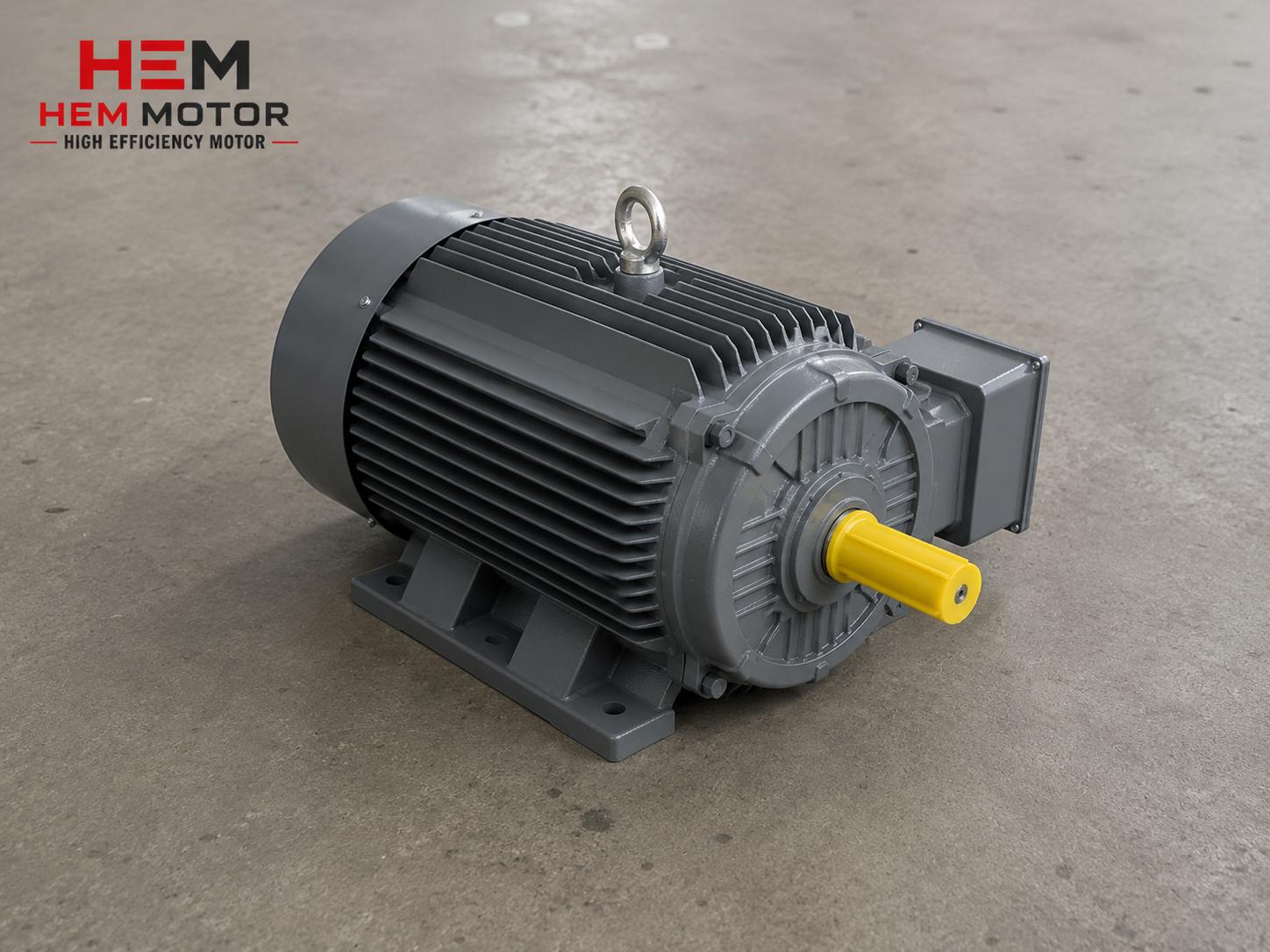

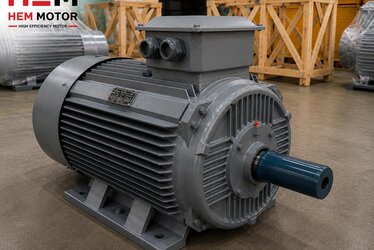
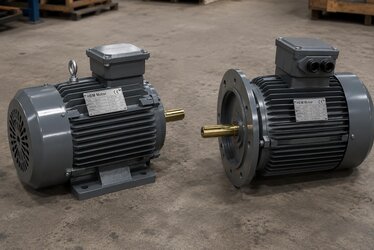
Weaving and knitting textile machines are precise, continuously running lines where production must not stop; a motor's vibration, overheating or unexpected stoppage turns directly into yarn breakage, fabric defects and order delays. Ring spinning machines, towel looms, warp preparation, weaving looms and circular/flat knitting machines all have a different drive profile, yet they meet in one common expectation: an uninterrupted, low-vibration and long-life motor. At this point, cast iron body motors stand out in textile lines thanks to the rigidity and mechanical stability they provide. This article is written for weaving and knitting facility owners, production and maintenance engineers and textile machine builders. It summarises cast iron motor selection in textile machines, the requirement for a continuous line and low vibration, and why balance and rigidity are critical, all within a framework of from-stock delivery and fast quoting that clarifies the purchasing decision.
Why a Cast Iron Body in Textile Machines?
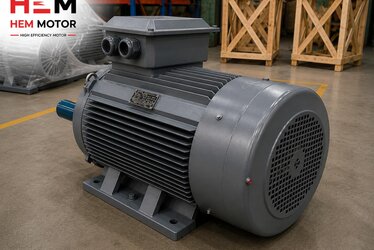
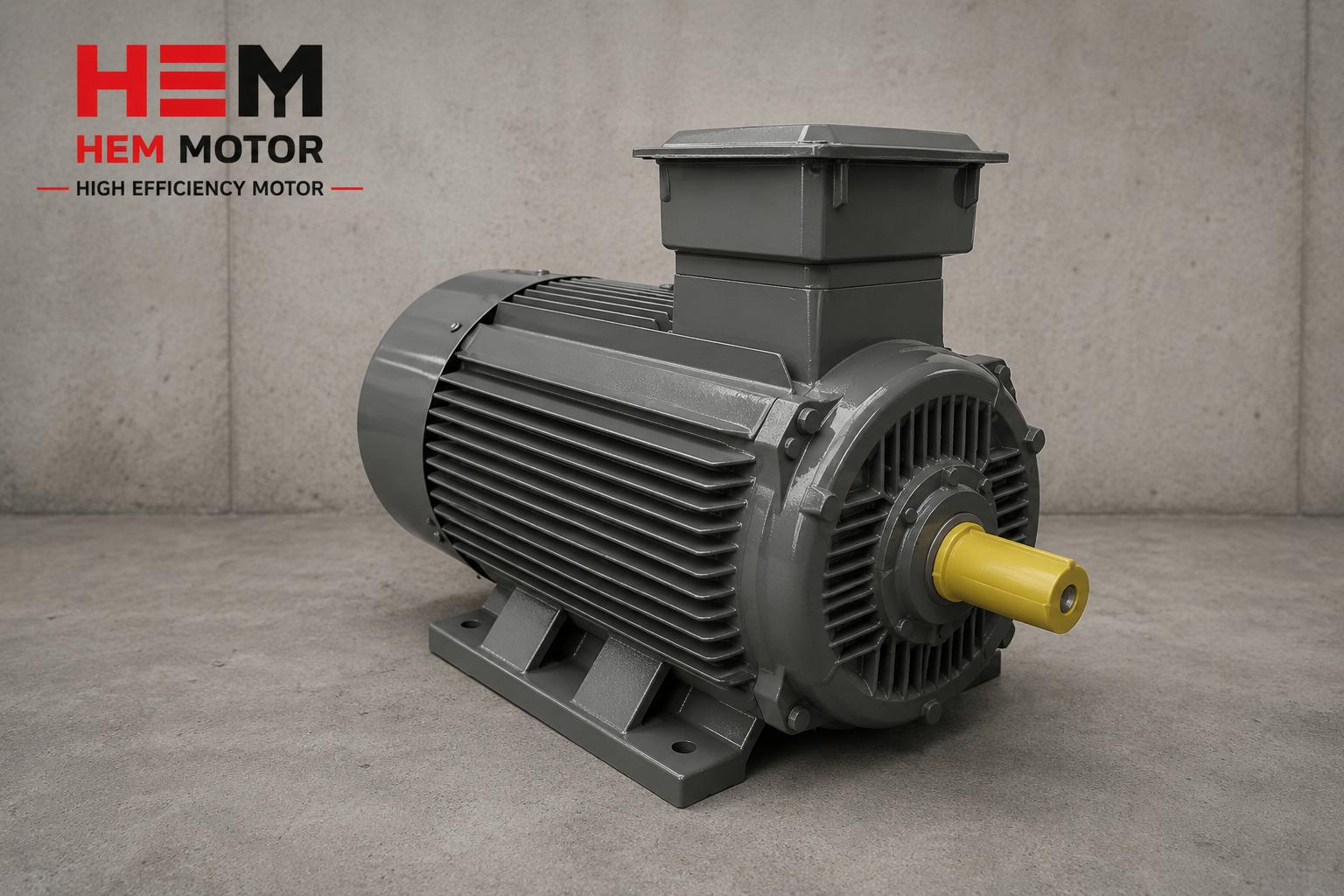
In textile lines, what determines motor life and production quality is not only power but mechanical stability. A cast iron body provides much higher rigidity and vibration damping than aluminium, which means a smooth, balanced drive in ring and knitting machines running at high speed. In a continuously running textile machine, the body's vibration damping directly affects both the yarn quality and the motor's bearing life. Our cast iron or aluminium body comparison, which weighs the difference with the environment and application conditions, is a basic resource when making the right body decision for a textile machine.
Textile facilities mostly work dusty (lint, fibre dust) and humid (humidity-controlled weaving environment), which makes the motor's protection and cooling important. A cast iron body provides an advantage in this demanding environment in terms of both mechanical durability and heat management. Our textile and spinning machines motor requirement list article, which covers motor needs machine by machine, is a related resource when planning motors across the facility.
Continuous Duty (S1) and Duty Type
Weaving and knitting machines mostly run three shifts, without interruption, so the motors must be selected for continuous duty (S1 duty type). A motor that heats up under continuous load must be supplied with F-class insulation and correct cooling; otherwise the winding temperature rises and the insulation life shortens. Our electric motor duty type (S1-S6) selection article, which covers the role of duty type in the purchasing decision, is a good starting point for continuously running textile lines. On a frequently starting and stopping line, the duty type must be evaluated differently.
Motor Selection by Machine Type
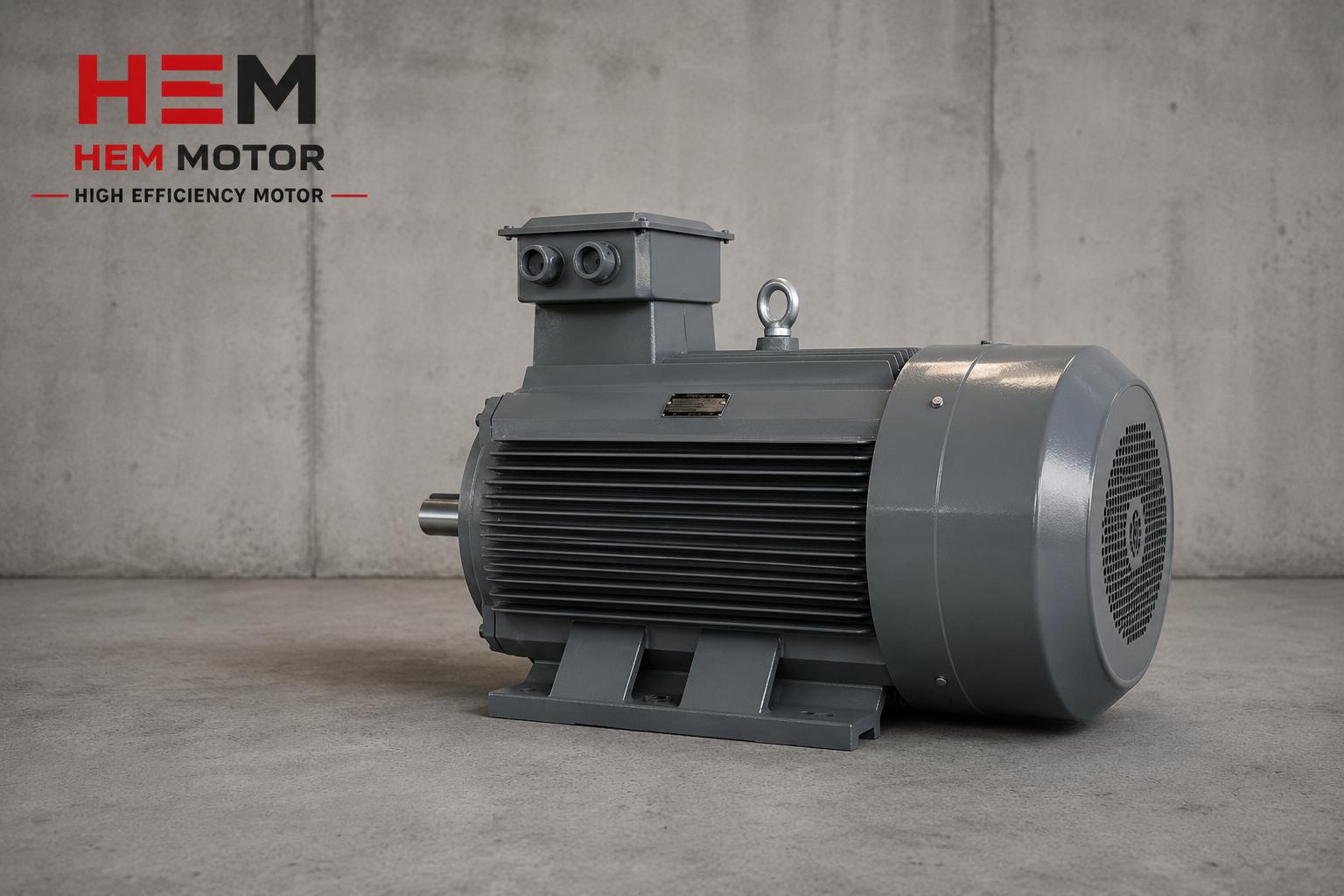
Each machine in a textile line requires a different speed and torque profile; to choose the right motor you must first clarify the machine type.
Ring Spinning Machine Motors
Ring spinning machines turn at high speed, and the stability of the spindle speed directly determines yarn quality; the smallest speed fluctuation or vibration causes irregularity and breakage in the yarn. That is why low-vibration, well-balanced motors, usually controlled by a variable frequency drive (VFD), are preferred in ring machines. The VFD softens the machine's acceleration and deceleration ramps, both reducing yarn breakage and saving energy. Our asynchronous motor with a variable frequency drive (VFD) article, which covers when a VFD is needed and how to select it, is a basic resource in ring machine drive. Our motor replacement in textile plants article, which covers the role of correct speed selection in reducing yarn breakage, also complements this point.
Towel, Warp and Weaving Loom Motors
Towel looms, warp preparation machines and weaving looms require a continuous and stable torque, because keeping the yarn tension constant is critical for fabric quality. These machines usually prefer 4-pole (1500 rpm) cast iron motors; the required output speed and torque are adjusted through a gearbox or pulley-belt. Because high torque and stable tension are required on the warp side, it is important that the motor provides sufficient torque even at low speed. Our motor speed and speed adjustment with pulley-belt article is useful in weaving loom drive design. In applications requiring a low output speed, drive together with a worm gear reducer or a helical worm gear reducer is common.
Circular and Flat Knitting Machine Motors
Circular and flat knitting machines require a stable, jolt-free rotation, because the synchronisation of the knitting needles can be disrupted by even the smallest vibration. Low-vibration, well-balanced cast iron motors are preferred in these machines, and a VFD is common for speed control. Quiet and vibration-free operation of the motor in a knitting machine directly affects both the knit quality and operator comfort. Our noise and vibration in electric motors article explains why mechanical balance must be taken seriously in a knitting machine motor.
Low Vibration and Balance: The Foundation of Textile Quality
In textile machines, vibration is not only a comfort problem but a parameter that directly affects production quality. An unbalanced motor puts an additional vibration load on the shaft and bearing; when this vibration is transmitted to the machine, it causes irregularity in the yarn, defects in the fabric and dropped stitches in the knit. That is why rotor balance, quality bearings and correct installation are critical in textile motors. The high rigidity of the cast iron body minimises these problems by damping the vibration. Our noise sources in asynchronous motors article, which covers magnetic, mechanical and aerodynamic sources, is a useful resource for understanding the origin of vibration and noise.
On the bearing side, because textile machines run continuously, bearing life becomes critical; quality bearings, correct greasing and regular lubrication prevent the unplanned stoppage of the motor. Bearing selection becomes important especially in pulley-belt driven machines because the radial load is high. Our bearing and bearing life in cast iron motors article helps you recognise quality signs in purchasing. In continuously running textile lines, planned maintenance greatly reduces unexpected stoppages.
Dust, Lint and Cooling Management
The textile environment is rich in airborne fibre dust (lint); this dust builds up between the motor's cooling fins and on the fan cover, preventing heat dissipation. Clogged fins raise the winding temperature and shorten the insulation life, so regular cleaning of the cooling fins of textile motors must be part of the maintenance plan. Our cooling fins and dirt build-up in cast iron motors article is useful when planning motor maintenance in a dusty textile environment. At very dusty points, good sealing of the terminal box and cable entry is also important; our motor terminal box and cable connection article focuses on correct IP protection and gland selection in a textile environment.
Efficiency, Power Selection and Supply
Because textile machines run three shifts, the annual operating hours of the motors are very high, which means the efficiency class is decisive in the energy cost. IE3 and IE4 efficiency class motors do the same work with less energy and provide clear savings in continuously running textile lines. Our IE4 threshold in pumps, fans and compressors article, which covers continuous loads such as pumps and fans, explains in which textile application an IE4 motor is justified. You can review our efficient electric motors product group for high efficiency.
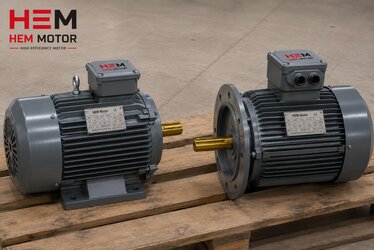
Buying an oversized motor is also wrong in power selection, because a motor running at low load loses efficiency. Correct sizing by calculating the real power need of the machine optimises both energy and investment cost. When replacing the motor of an existing textile machine, the power (kW), speed (rpm), frame size (IEC frame), mounting type (B3/B5/B35) and shaft diameter on the nameplate must be matched exactly; this both ensures the mechanical match and makes it easier to allocate the correct motor from stock. You can review our electric motor mounting types page to choose the right mounting type.
Motor Fleet Management and Emergency Replacement
In a weaving or knitting facility, dozens, sometimes hundreds of machines run at the same time, which means a large motor fleet. When the motor of one machine fails, production stops and the order is delayed, so keeping a spare motor in the most used motor powers is a critical precaution for textile businesses. Determining in advance the power-speed combinations that recur most in ring, knitting and weaving machines and keeping them in stock saves hours during a failure. Our critical spare motor list article offers a practical framework for planning which powers to keep in reserve.
In facilities running three shifts, the wear of the motors also accelerates, so a planned replacement schedule reduces unexpected stoppages. Our motor fleet management in three-shift facilities article, which covers managing the motor fleet and the replacement schedule, is a directly usable resource for a textile facility. Whether it is more sensible to rewind a motor or replace it with a new one is also a common decision in textile businesses; our rewind a motor or buy new article clarifies the cost decision in fleet management.
Humid and Air-Conditioned Weaving Environment
Many weaving facilities work in a humidity-controlled (air-conditioned) environment to protect yarn quality; the moisture in the air can cause condensation in the motor's terminal box and winding. That is why a well-sealing terminal box and suitable IP protection are important in motors working in a humid weaving environment. In machines that run intermittently or stop at the weekend, condensation inside the body is inevitable; our electric motor storage and long-term standstill article, which covers moisture and bearing management in motors kept for a long time or working in a humid environment, is a useful resource for protecting motor health in a humid weaving environment. An insulation resistance check before commissioning also applies to textile machines that have stood idle for a long time.
Frequently Asked Questions
Why is a cast iron body motor preferred for a textile machine?
A cast iron body provides much higher rigidity and vibration damping than aluminium, which means a smooth, balanced drive in ring and knitting machines running at high speed. Damping the vibration directly improves both the yarn and fabric quality and the motor's bearing life. In addition, in a dusty and humid textile environment, a cast iron body provides an advantage in terms of mechanical durability and heat management.
Is a VFD (variable frequency drive) mandatory in a ring and knitting machine?
A VFD is not mandatory, but it provides a great advantage in ring and knitting machines, because it reduces yarn breakage by softening the acceleration and deceleration ramps and saves energy through speed control. In applications requiring precise yarn quality and stable spindle speed, the VFD has become almost standard. In simple machines running at constant speed, solutions without a VFD may also make sense; the decision depends on the machine's need for precision and speed control.
How do I order a motor for my existing textile machine?
It is enough to provide the power (kW), speed (rpm), frame size (IEC frame), mounting type (B3/B5/B35) and shaft diameter from the existing motor nameplate. With this information both an exact mechanical match is achieved and the correct cast iron motor is allocated from stock. Sharing information such as the machine's vibration sensitivity and continuous operating regime also makes it easier for us to select the most suitable motor. Matching correctly from the nameplate is the safest way to avoid the wrong product and delays.
Get a Quote
For your weaving and knitting textile machines, we supply low-vibration cast iron body motors suitable for continuous duty, with the correct speed, mounting type and efficiency class, from stock and with fast delivery. Share your machine, operating regime and nameplate data and let us offer a price with the most suitable solution. Reach us now via our contact page or request a quote on +90 (532) 345 49 86.