English
 Türkçe

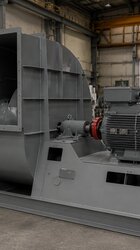
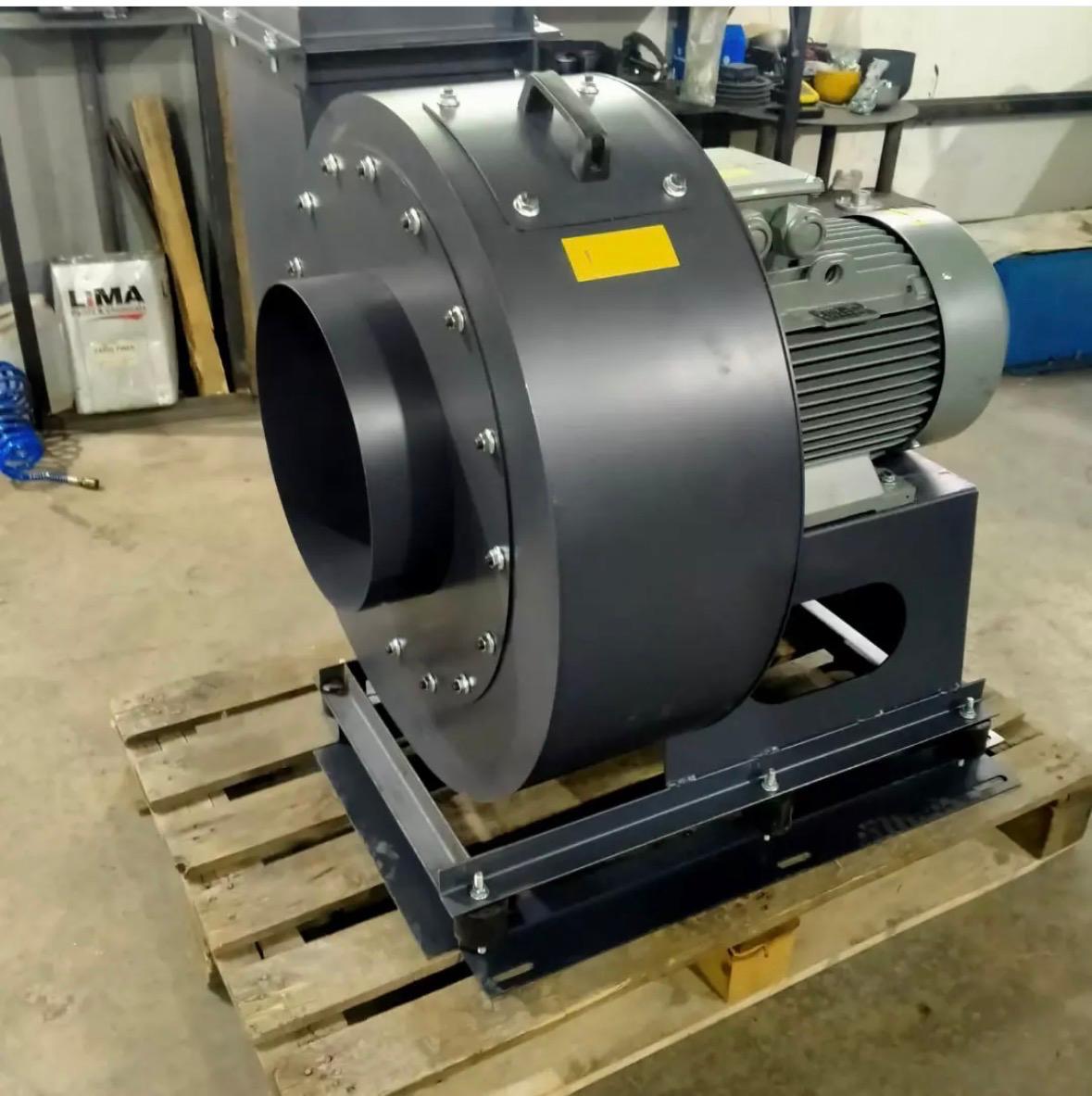

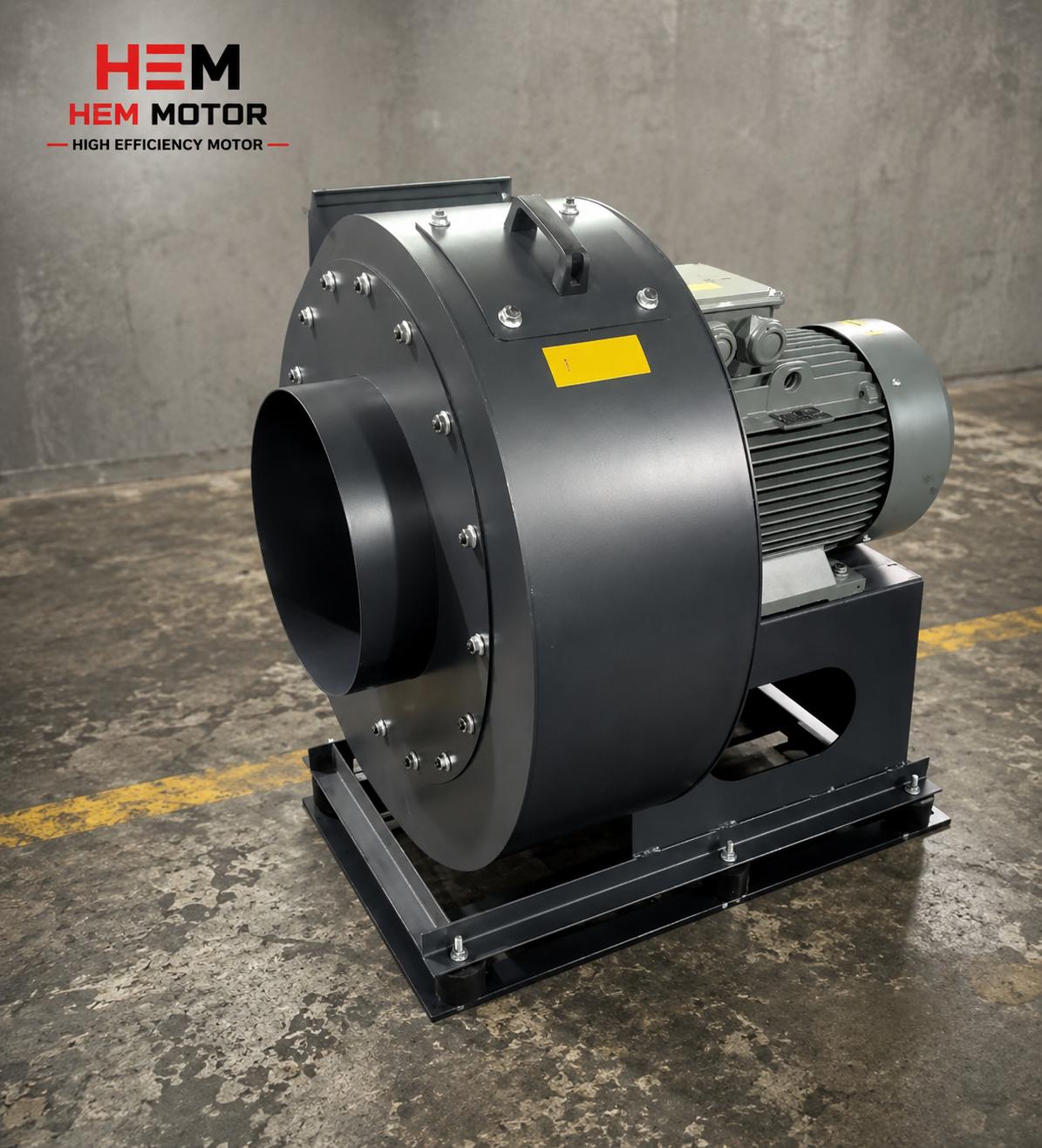
Cooling tower and chiller (water chiller unit) fan motors are among the most demanding outdoor applications in electric motor selection. These motors run outdoors under constant water vapor, humidity, rain, sun (UV) and seasonal changes; moreover, they sit at the top of the cooling tower, at the point closest to water splash and dripping. A wrongly selected fan motor here corrodes within a few seasons, its winding deteriorates from moisture and cooling performance drops, putting the entire facility's process cooling at risk. As both a manufacturer and supplier, HEM Motor supplies IE4 industrial fan motors with IP protection and coating options suited to outdoor conditions. In this article we cover, from a commercial buyer's perspective, the IP protection class, humidity/UV resistance, speed-flow balance and correct fan type when buying cooling tower and chiller fan motors. Choosing the right motor from the start is critical given the difficulty and cost of replacing a motor at the top of a tower.
Outdoor Conditions: Factors That Strain a Cooling Tower Motor
In a cooling tower, the fan creates intense airflow to cool the hot water, and this air is constantly loaded with water vapor. For the motor, this means constant high humidity. Added to this are outdoor rain, the UV effect of the sun, winter frost and high summer temperatures. In chiller outdoor units, the fan motor is similarly exposed directly to the outside air. These conditions are challenges that a standard motor running inside an enclosed factory never faces; therefore the selection criteria differ.
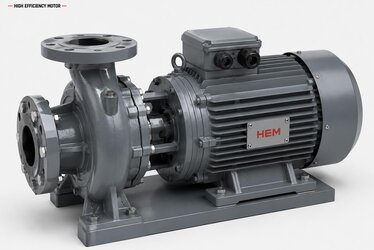
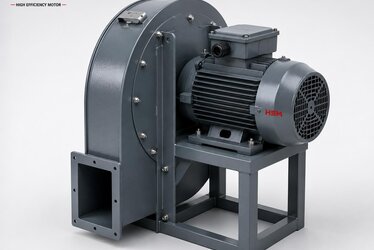
The industrial fan motors in the HEM Motor catalog are produced with a cast iron frame, IP55 protection and Class F insulation; for the most demanding applications such as cooling towers, IP65/IP66 protection and cataphoresis coating should be requested. On corrosion protection, the coating approach in our open-field cast iron motor corrosion protection article applies directly to motors at the tower top.
IP55, IP65 and IP66: Which Protection Class Is Needed?
The IP protection class indicates the motor's resistance to dust and water ingress. In cooling tower and chiller applications, the second digit (water protection) is decisive:
- IP55: Dust-protected, resistant to water jets from any direction. A basic level for covered fan applications or those partly sheltered from rain.
- IP65: Fully dust-tight, resistant to strong water jets. The recommended level for cooling tower fans exposed to constant water vapor and rain.
- IP66: Fully dust-tight, resistant to powerful water jets and flood-like conditions. The safest choice in heavy water splash and aggressive humidity.
To determine the right class, our IP protection class selection for electric motors (IP55, IP65, IP66) article offers a detailed comparison. The rule for a motor at the top of a cooling tower is simple: the heavier the water splash, the higher the IP class must be.
Humidity, UV and Corrosion: Internal and External Protection Together
An outdoor motor needs two separate protections together: corrosion coating of the outer frame surface and protection of the winding against moisture. In a motor exposed to constant water vapor, a tropicalized winding protects the insulation from moisture and mold from the inside. On the outside, cataphoresis coating and a UV-resistant topcoat prevent the sun and rain from wearing down the frame. Without this two-layer approach, even the highest IP class alone does not guarantee long life.
Condensation and Drain Holes
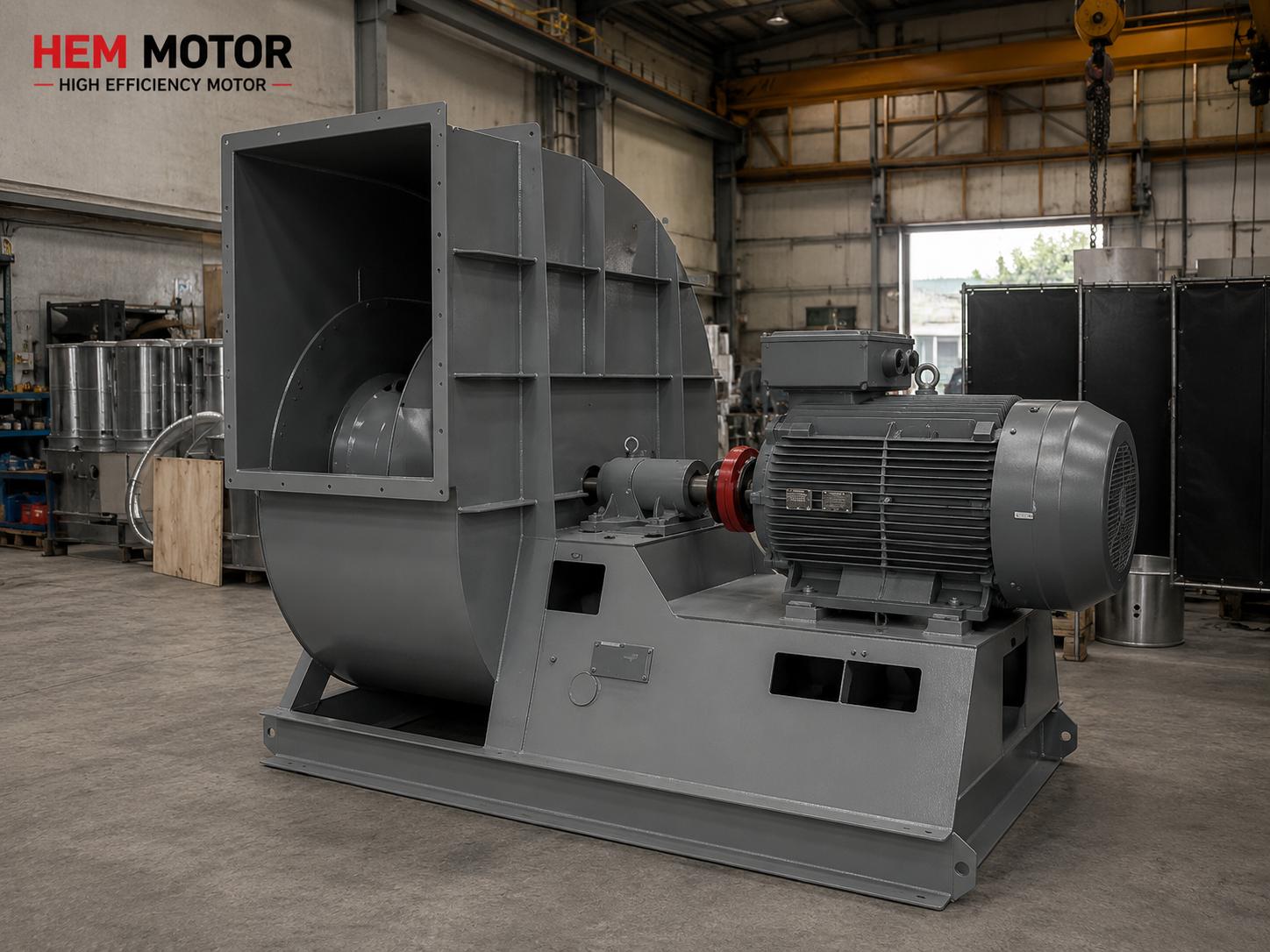
In outdoor motors subject to temperature changes, moisture can condense inside the motor (condensation). Accumulation of this water damages the winding. Therefore, correctly positioned drain holes should be requested in outdoor fan motors; accumulated moisture is expelled through these holes. Specifying the motor mounting position (vertical/horizontal) at the ordering stage is important so the drain holes are opened on the correct side. In a cooling tower, the motor usually runs with a vertical shaft (fan on top); in this position, drainage and sealing require special attention.
Low Speed, High Flow and Axial Fan
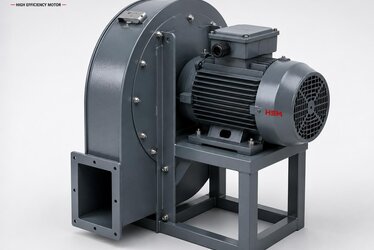
Cooling tower and large chiller fans move large volumes of air at low pressure; that is, they have a high-flow, low-speed characteristic. Therefore large-diameter axial fans are generally used, driven by low-speed motors (usually 1000 rpm / 6-pole, sometimes 750 rpm / 8-pole). Low speed both reduces noise and turns the large fan in balance. HEM Motor ventilation motors are offered at 1000 rpm for large-diameter fans and quiet operation, 1500 rpm for general ventilation, and 3000 rpm for high-speed compact applications.
To choose the right power-speed combination, you can use the method in our motor power calculation: required kW for pump, fan and conveyor article. For general fan motor selection criteria, our aspirator and dust collection fan motor selection article also provides guidance.
Stainless Fasteners and Protection Details
In an outdoor motor, no matter how good the frame coating is, rusting screws and fasteners create a weak point. In a constantly wet environment such as a cooling tower, stainless (inox) bolts, nuts and grounding fasteners should be requested. Terminal boxes and cable entries should also be sealed with high-IP cable glands; otherwise the weakest point becomes water ingress into the connection box rather than the motor. On this, the IP and gland selection steps in our motor terminal box and cable connection article should be followed.
Efficiency and Continuous Operation Cost
Cooling towers and chiller units often run 24/7, especially in summer. This continuous operation makes the fan motor's energy cost a significant expense item. Choosing a high-efficiency IE4 motor provides notable savings on the energy bill for continuously running fans. Adjusting fan speed to load with a frequency drive brings additional savings; our high-efficiency motor + frequency drive energy savings in pumps and fans article details this gain. Switching to high-efficiency electric motors is one of the fastest-amortizing investments in continuously running cooling applications.
Frequently Asked Questions
Which IP protection class is needed for a cooling tower fan motor?
Because the fan motor at the top of a cooling tower is constantly exposed to water vapor, rain and splash, at least IP65 is recommended; IP66 is safer in heavy water splash and aggressive humidity. IP55 is only a basic level for covered positions or those partly sheltered from rain. In addition, cataphoresis coating and a tropicalized winding should be requested together with IP protection; a high IP class alone does not fully prevent corrosion and moisture.
Why is a low-speed motor used on a cooling tower fan?
Cooling tower and large chiller fans move large volumes of air at low pressure; that is, they have a high-flow, low-speed characteristic. To turn a large-diameter axial fan in balance and quietly, a 1000 rpm (6-pole) or 750 rpm (8-pole) motor is generally preferred. Low speed both reduces noise and ensures vibration-free operation of the fan. The speed is determined by the fan diameter and required flow.
What should be done against humidity and condensation in an outdoor fan motor?
In motors with outdoor exposure and temperature changes, moisture can condense inside; to prevent water accumulation, correctly positioned drain holes should be requested. In addition, winding tropicalization protects the insulation from moisture and mold from the inside. Reporting the mounting position (vertical/horizontal) at the ordering stage is necessary so the drain holes are opened on the correct side. When these measures are applied together, the motor runs with long life in a constantly humid environment.
Get a Quote
Supply an outdoor-durable, high-IP-protected, humidity/UV-resistant fan motor for your cooling tower or chiller unit from HEM Motor. Share your fan diameter, required flow, speed and mounting position; we will quickly offer a stock or project solution including the right protection and efficiency package. Call now: +90 (532) 345 49 86 or request a quote from our contact page.