English
 Türkçe

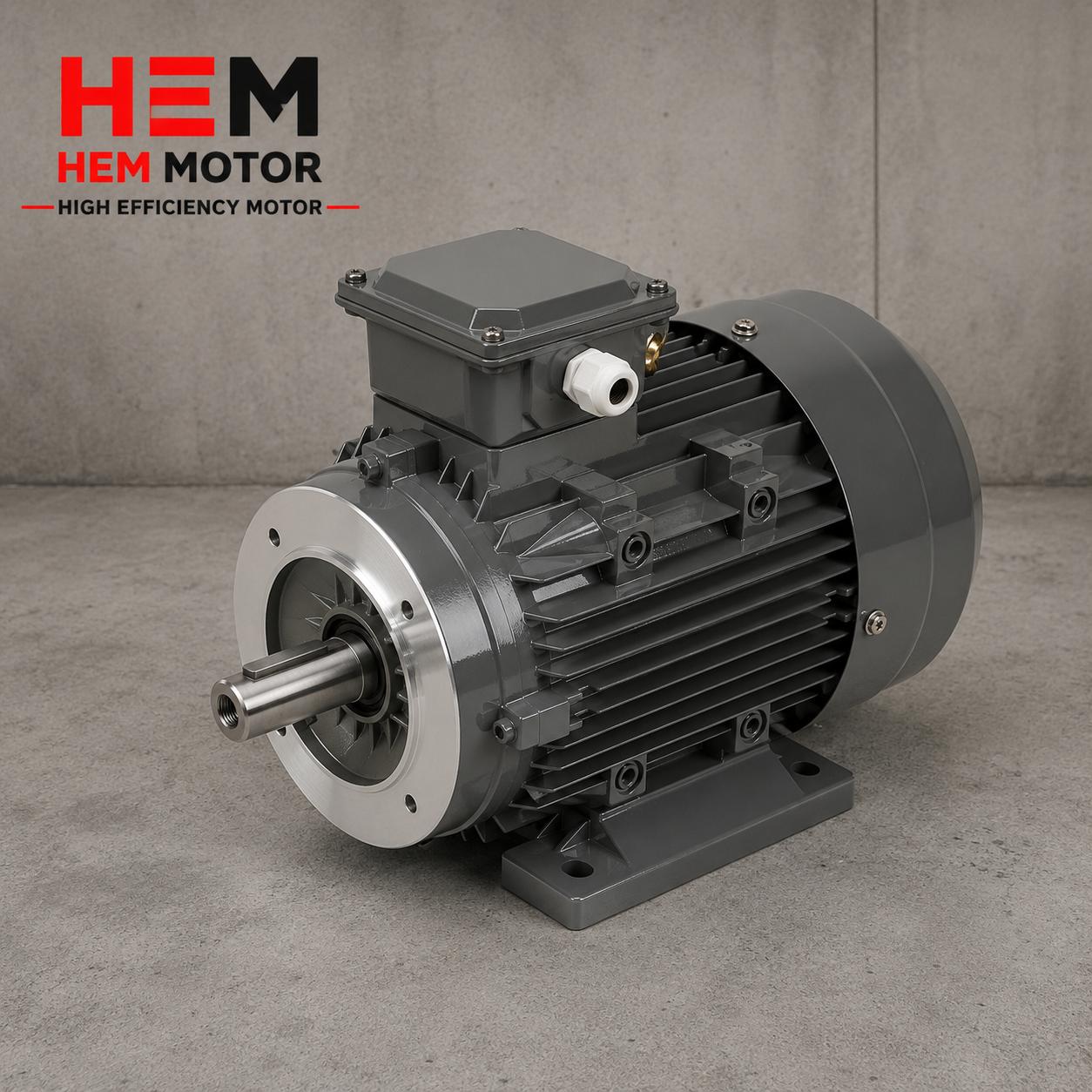

A new cost item has come onto the agenda for Turkish plants exporting to the European Union: the Carbon Border Adjustment Mechanism (CBAM). This mechanism aims to price the embedded carbon emissions arising in the production of goods imported into the EU, such as iron-steel, aluminum, cement, fertilizer, electricity and hydrogen. Its practical meaning is this: the more electricity your plant consumes while producing a product, and the more carbon-intensive that electricity is, the higher the carbon cost you will pay when exporting to the EU. This is exactly where electric motors become critical, because motors consume the largest share of industrial electricity. Switching to high-efficiency IE4 motors directly reduces CBAM cost by lowering both the energy bill and the embedded emissions per product. As both a manufacturer and supplier, HEM Motor supplies high-efficiency electric motors and IE4 super premium motors suited to the carbon reduction targets of exporting plants. In this article we cover why CBAM concerns motor selection, embedded emissions and the right investment decision from a buyer's perspective.
What Is CBAM (Carbon Border Adjustment Mechanism)?
CBAM is a carbon pricing mechanism introduced by the EU under its climate goals. While producers within the EU pay a carbon price for their emissions, unfair competition and "carbon leakage" arise if the same products imported from outside do not pay this price. To close this gap, CBAM prices the embedded carbon of imported products at the border. It started with reporting obligations in a transition period, and financial obligations come into effect in later stages. For Turkish plants producing in energy-intensive sectors such as iron-steel, aluminum and cement and exporting to the EU, this is directly a matter of competitiveness.
The important point is this: the CBAM obligation depends on the embedded emissions of the product. If your plant produces the same product with less energy and more cleanly, the embedded emissions per product fall and the carbon cost to be paid at the border decreases. Energy efficiency thus stops being merely a cost item and turns directly into an export competitive advantage.
Embedded Emissions and the Share of Electric Motors
The embedded emissions of a product are the total greenhouse gases released into the atmosphere throughout that product's production. In industry, the largest part of these emissions comes from energy consumption, and the largest part of energy consumption comes from electric motors. Motorized systems such as pumps, fans, compressors, conveyors, mills and line drives make up a significant portion of a factory's electricity consumption. Therefore, increasing the efficiency of motors directly reduces consumed electricity and its associated embedded emissions. We covered this logic in detail in our reducing your plant's carbon footprint with high-efficiency motors article; CBAM now turns this carbon reduction directly into a monetary advantage.
Carbon and Cost Reduction with High-Efficiency Motors
Switching from IE3 to IE4 means doing the same job with less electricity. As the efficiency class rises, the motor's losses (iron, copper, friction losses) decrease and the power drawn from the grid falls. In a motor running thousands of hours a year, this difference creates a visible reduction in both the annual energy bill and the embedded emissions per product. We explained where the efficiency losses decrease technically in our efficiency losses in IE4 motors: iron, copper and friction loss article.
For an exporting plant these two gains combine: lower energy cost and lower CBAM obligation. In other words, a high-efficiency motor investment pays back not only through electricity savings but also by reducing the carbon cost of exporting to the EU. This shortens the payback period of the investment.
The Right Decision with Total Cost of Ownership (TCO)
The real cost of a motor is not its purchase price but the energy it consumes over its lifetime. With CBAM, a carbon cost is added to this equation. Therefore, evaluating the motor investment decision with the total cost of ownership (TCO) method is now even more critical for exporting plants. We covered the gain of replacing an old standard motor with an IE4 in our replacing an old standard motor with IE4: payback period and incentives article; the CBAM obligation strengthens this payback calculation further in your favor.
Reporting and Plant Inventory
CBAM's transition period imposes an obligation on exporters to report the embedded emissions of their products. This reporting requires knowing the plant's energy consumption structure and the efficiency of motorized systems. Determining which motors are in which efficiency class plant-wide forms both the basis of reporting and the basis for setting improvement priorities. For this inventory work, our preparing for an energy efficiency audit: plant motor inventory and efficiency class determination article guides you step by step. Replacing low-efficiency, continuously running motors first provides both the fastest carbon reduction and the fastest CBAM cost decrease.
Which Plant Should Switch to IE4 First?
To get the highest impact with a limited budget, you should start with the motors that run the most and consume the most electricity. Continuously running pump, fan, compressor and line drive motors are the first priority. Our which plant should switch to IE4 super premium motor first article helps you decide in which plant and application to switch first. On export-intensive and energy-intensive production lines, switching to IE4 is the most sensible priority for both CBAM and regulatory reasons. You can find which power requires which class from which date in our IE3 and IE4 efficiency mandate article.
Frequently Asked Questions
Why does CBAM affect my electric motor selection?
CBAM prices the embedded carbon emissions of products exported to the EU at the border. Because motors consume the largest share of electricity in industry, motor efficiency directly determines embedded emissions per product. A plant that switches to high-efficiency IE4 motors produces the same product with less electricity; thus embedded emissions and the carbon cost paid at the border decrease. Therefore motor efficiency is now a matter of competition and cost for exporting plants.
How much does switching to high-efficiency motors reduce CBAM cost?
The reduction depends on the motor's operating hours, power and current efficiency class. Replacing a low-efficiency motor running thousands of hours a year with an IE4 markedly lowers both annual energy consumption and embedded emissions per product. When these two gains (energy savings + reduced CBAM obligation) combine, the investment's payback period shortens. Share your plant's consumption profile with us and let us evaluate together the gain achievable with the right motor selection.
What should I look at in the plant for CBAM reporting?
First you need to draw up the plant's motor inventory: which motor, how many kW, in which efficiency class and how many hours a year it runs. This inventory forms both the basis of embedded emissions reporting and the basis for setting improvement priorities. Low-efficiency, continuously running motors should be assessed first because they have the highest carbon and cost impact. This work also forms the roadmap for your subsequent IE4 transition plan.
Get a Quote
Supply high-efficiency IE4 motors that cut both CBAM carbon cost and the energy bill for your plant exporting to the EU from HEM Motor. Share the power, speed and operating hours of your existing motors; we will offer a stock or project solution that delivers the highest carbon and cost reduction. Call now: +90 (532) 345 49 86 or request a quote from our contact page.