English
 Türkçe

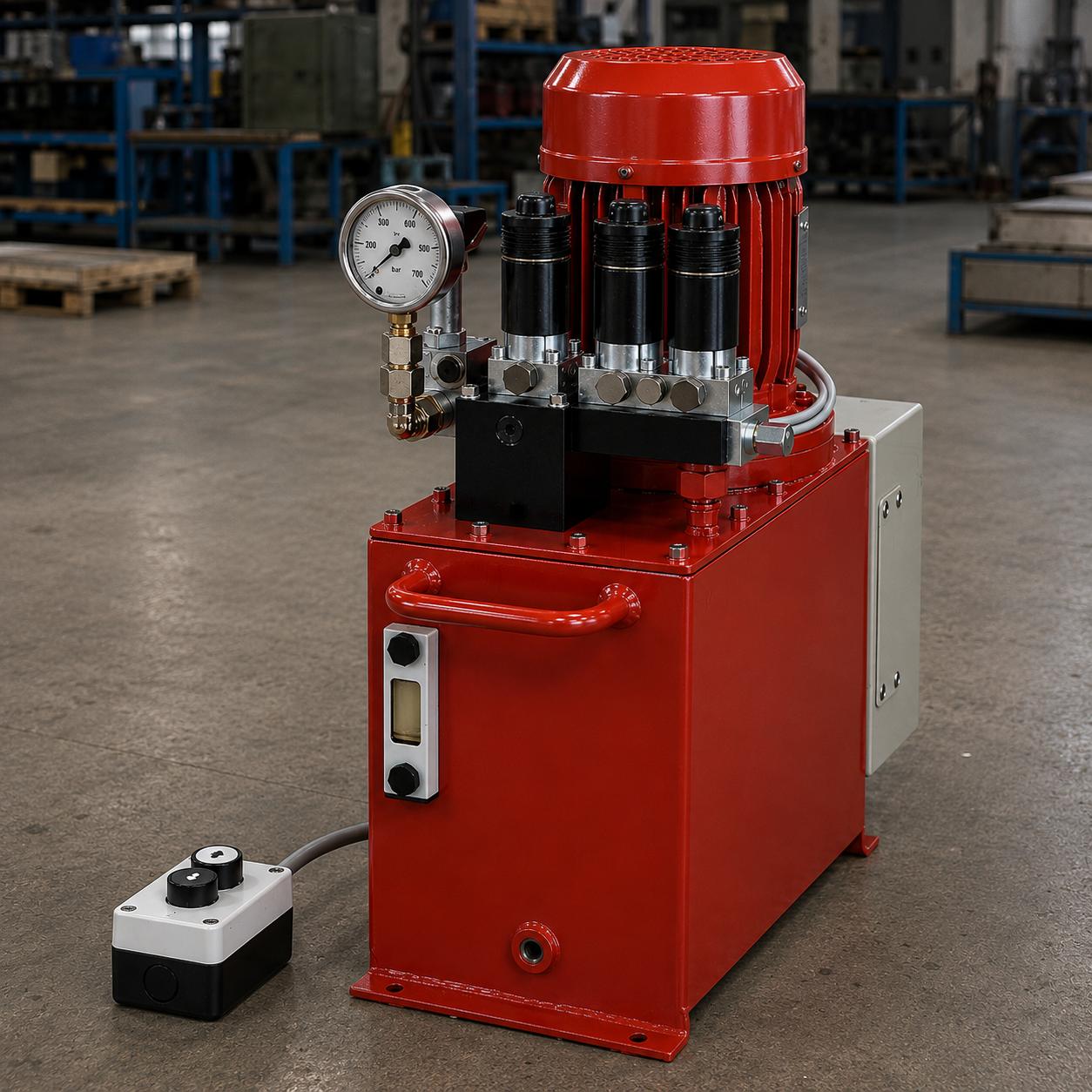

The 2-pole high-speed electric motor sits at the heart of pumps, fans, compressors and centrifugal systems wherever industry demands rotational speed. The most distinctive feature of these motors is that they reach a synchronous speed of approximately 3000 revolutions per minute on a 50 Hz supply. While high speed means a smaller, lighter motor for the same power output, it also makes balancing, bearing life, noise and vibration far more critical.
At HEM Motor, our IE3 Premium and IE4 Super Premium 3000 RPM 2-pole motors deliver long service life and quiet operation even at high speed, thanks to a cast iron body, 100% copper winding, Class F insulation and IP55 protection. In this article we explain in technical detail why a 2-pole motor runs at roughly 3000 rpm, the importance of dynamic balancing, bearing selection, noise sources, and how to source the right motor quickly from stock.
Our goal is to help you correctly define power and mounting parameters when making a purchase decision, while also understanding the mechanical requirements of a high-speed motor. A properly selected 2-pole motor lowers your energy bill and minimizes maintenance costs.
Why Does a 2-Pole Motor Run at Approximately 3000 RPM?
The synchronous speed of an asynchronous electric motor is determined by the number of poles and the supply frequency. The formula is simple: synchronous speed = (120 × frequency) / number of poles. For a 2-pole motor on a 50 Hz supply, this gives (120 × 50) / 2 = 3000 rpm. This is precisely why 2-pole motors are known as 3000 RPM motors.
However, the actual operating speed is not exactly 3000 rpm. In asynchronous motors, the rotor cannot keep up with the rotating magnetic field; a speed difference called slip develops between them. This slip induces current in the rotor windings and produces torque. Under typical load, slip is around 2-4 percent, which brings the real operating speed down to approximately 2900 rpm. At no load the speed approaches 3000 rpm, and at full load it drops.
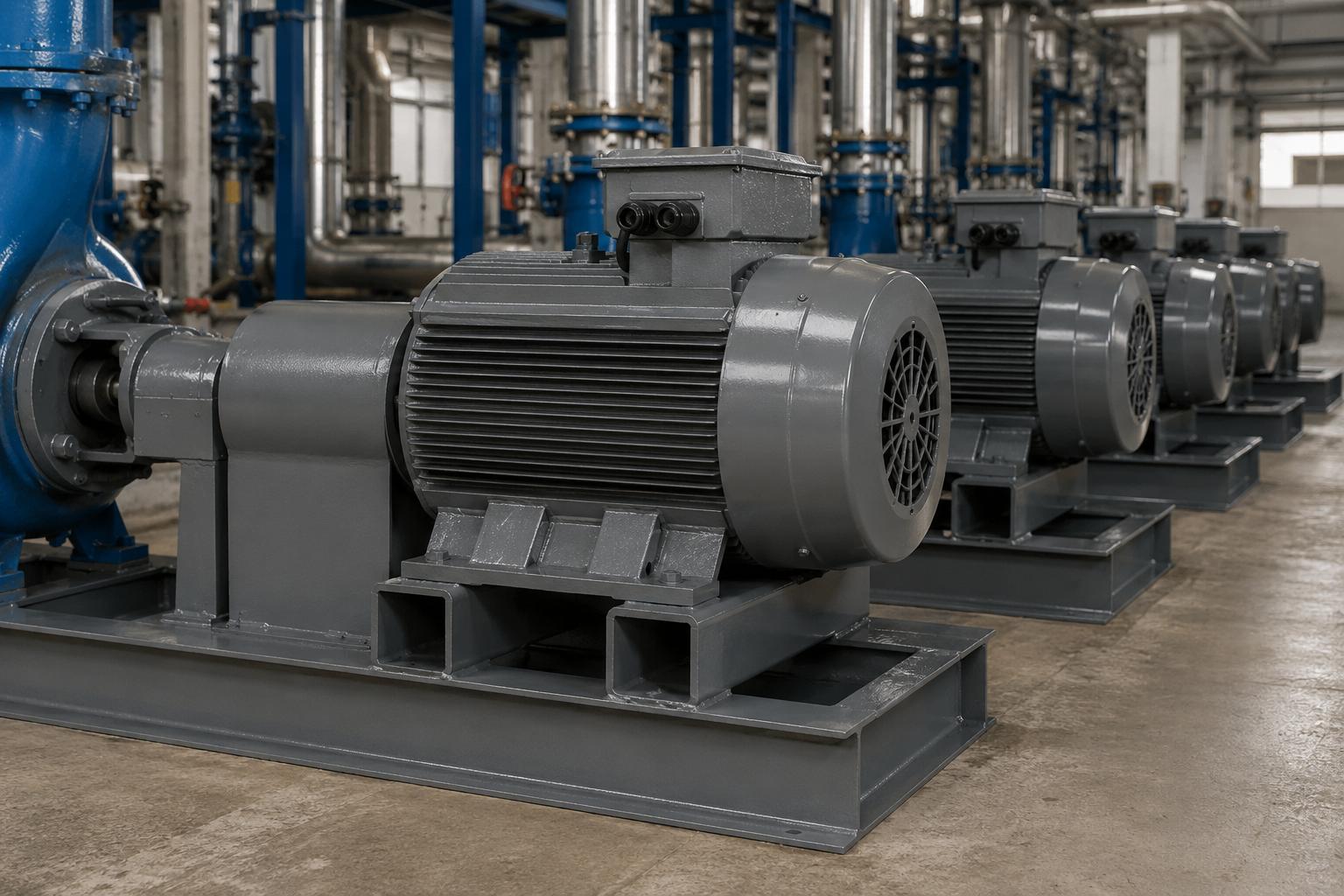
As pole count increases, speed decreases: a 4-pole motor runs at 1500 rpm synchronous, a 6-pole motor at 1000 rpm. The 2-pole configuration therefore offers the highest speed among line-fed motors. This speed advantage is especially important in applications where speed directly drives performance, such as centrifugal pumps and high-pressure fans.
Typical Applications of 3000 RPM 2-Pole Motors
High speed is ideal for applications that involve moving fluids. The most common uses of 2-pole motors include:
- Centrifugal pumps: impeller speed directly determines pressure when delivering water, wastewater and process fluids at high flow rates.
- High-pressure fans and blowers: high speed delivers efficiency in air circulation, dust collection and ventilation systems.
- Compressors: 3000 rpm enables compact designs in screw and piston compressors.
- High-speed grinding and cutting machines: high spindle speed is needed for surface quality.
- Centrifugal separators and decanters: separation efficiency increases with rotational speed.
Correct power selection is critical in these applications. Especially for pumps and fans, considering the IE4 2-pole 3000 RPM power selection criteria is decisive for both energy efficiency and avoiding motor overload. Correctly matching the system curve with the motor curve yields a long-lasting, economical solution.
Centrifugal Force at High Speed and the Importance of Dynamic Balancing
A rotor spinning at 3000 rpm is subjected to far higher centrifugal forces than one spinning at 1500 rpm. Centrifugal force increases in proportion to the square of the rotational speed. In other words, when speed doubles, the force from rotor unbalance quadruples. For this reason, dynamic rotor balancing is not a luxury in high-speed motors but a necessity.
Balance Quality Grades (G Value)
Rotor balance quality is expressed in G quality grades according to the ISO 1940 standard. At HEM Motor we target G2.5 balance quality in our high-speed 2-pole motors. The lower the G value, the smaller the residual unbalance and the lower the vibration level. The G2.5 grade is the accepted industry standard for electric motors, guaranteeing quiet and long-lasting operation.
An unbalanced rotor overloads the bearings, increases vibration, raises noise levels and causes fatigue in the housing and mounting bolts. At high speed these effects grow exponentially. Evaluating vibration measurement and acceptance values according to the vibration and balance ISO 10816 standard is the most reliable way to monitor motor health both after installation and during operation.
Bearing Selection and Bearing Life at High Speed
In high-speed motors, bearings are the most critical wear components. At 3000 rpm a bearing makes three thousand revolutions per minute, which means lubrication, heat management and bearing type selection are vitally important.
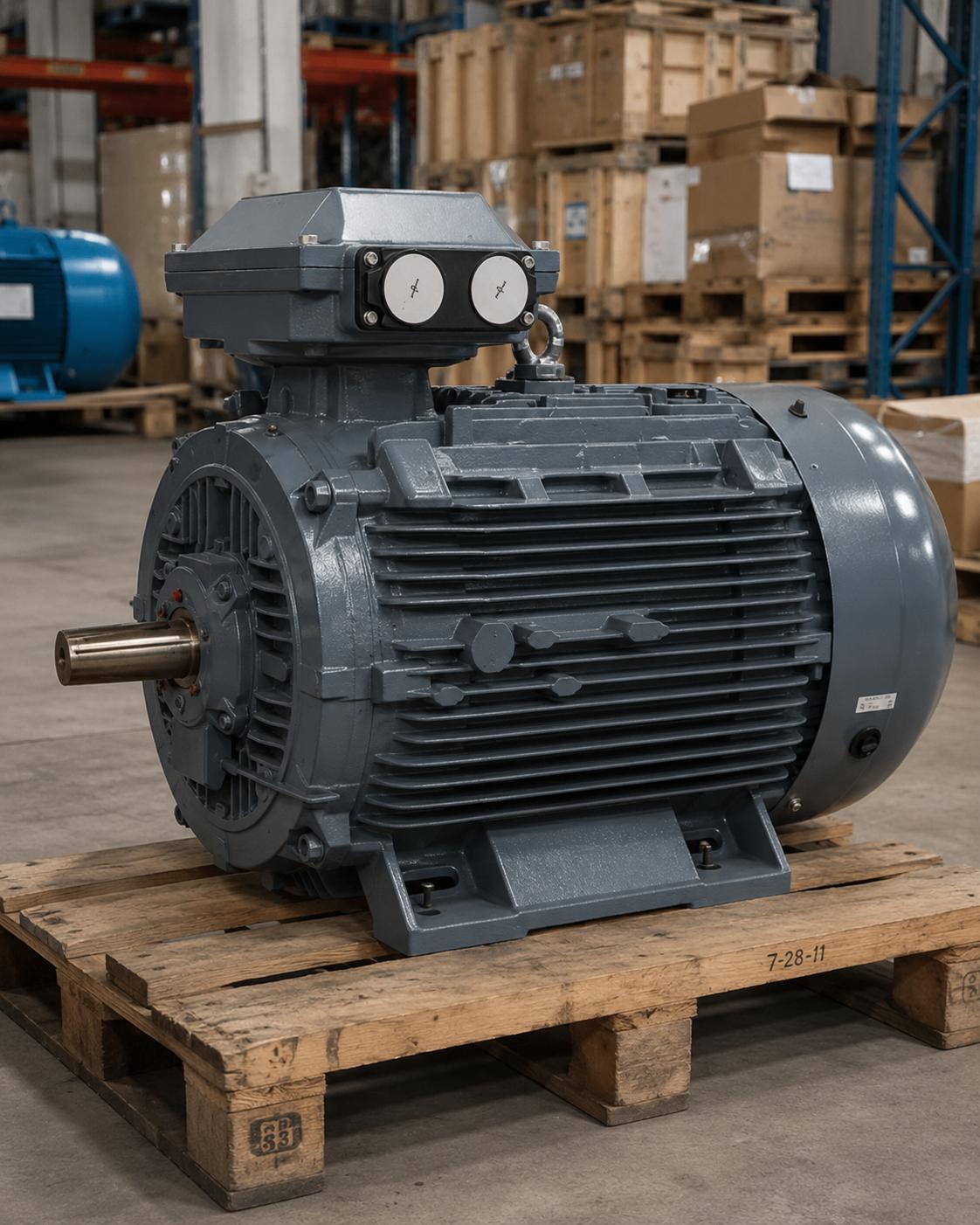
HEM Motor 2-pole series use reinforced bearings. Deep groove ball bearings are preferred at high speed because they offer low friction and high speed capacity. Bearing life is expressed by the manufacturer's L10 rating and is inversely proportional to speed; under the same load, the higher the speed, the shorter the bearing life. For this reason, bearing selection and lubrication strategy are carefully planned in high-speed motors.
Bearing type, clearance class (such as C3) and lubrication choice directly affect the expected life of the motor. For detailed information we recommend reviewing the bearing types and life topic. In motors driven by a frequency inverter, the use of insulated bearings becomes important to prevent erosion caused by shaft currents.
Lubrication and Regreasing Intervals at High Speed
An important point is that regreasing intervals for 2-pole motors are shorter than for lower-speed motors. At high speed, grease fatigues and heats up faster. Therefore:
- The regreasing interval for 3000 rpm motors is roughly halved compared with 1500 rpm motors.
- The amount of grease must not be excessive; too much grease causes heating and friction.
- For high-temperature applications, special high-temperature grease should be preferred.
- For high-power motors with a regreasable bearing system, a periodic maintenance plan should be established.
Noise and Vibration Sources, Solutions for Quiet Operation
At high speed, noise is an important criterion influencing the purchase decision. 2-pole motors inherently generate more aerodynamic noise. Noise sources can be grouped under three main headings: aerodynamic (cooling fan and airflow), mechanical (bearings and balance) and electromagnetic (from the magnetic field).
Aerodynamic noise is the most dominant component at 3000 rpm because the cooling fan spins very fast. At HEM Motor we apply aerodynamic optimization in the fan cover design to regulate airflow, reduce turbulence and therefore noise. In some high-speed models, a unidirectional fan or special blade profiles are used to noticeably lower the noise level.
The most effective way to reduce mechanical noise is the low-vibration dynamic balancing mentioned earlier. A well-balanced rotor both extends bearing life and minimizes noise. The damping property of the cast iron body also contributes to quiet operation by attenuating vibration.
Cooling Fan and Heat Management
High-speed motors operating in an S1 continuous duty regime generate heat constantly. Because the cooling fan in 2-pole motors spins at high speed, cooling capacity is high; this is an advantage. However, fan noise and fan drive losses also increase. Class F insulation allows the windings to withstand up to 155°C, providing a wide safety margin against the thermal load at high speed.
The IP55 protection class protects the motor against dust and water jets, which means it can be safely used in dusty fan and pump environments. The high thermal conductivity of the cast iron body helps transfer the heat generated inside quickly to the surrounding environment.
Correct Motor Selection Parameters
The key parameters to consider when selecting a 2-pole motor are:
- Power (kW): HEM Motor offers a wide power range from 0.55 kW to 355 kW. Selection should be based on the actual load demand of your application.
- Frame size: standard IEC frame dimensions are important for compatibility with the existing system.
- Mounting type: B3 (foot), B5 (flange), B14 (face flange) and B35 (foot + flange) options are chosen according to the application.
- Efficiency class: the choice between IE3 Premium and IE4 Super Premium affects energy savings and payback period.
- Protection and insulation: IP55 protection and Class F insulation are suitable for most industrial environments.
The mechanical strength of the cast iron body at high speed provides a clear advantage over sheet-metal alternatives. On this subject, our cast iron 2-pole high-speed mechanical strength content explains in detail the effect of body material on vibration damping and durability. For current electric motor prices and stock availability, you can review our product pages.
Stock Availability and Fast Supply
2-pole motors in common power ratings are among the most in-demand products in industry. At HEM Motor, starting from 0.55 kW, we aim to keep IE3 and IE4 2-pole motors in stock across common power steps. This allows fast replacement of a failed motor, minimizing production loss.
When replacing an existing motor, the nameplate information of the old motor (power, speed, frame, mounting type, efficiency class) is sufficient for correct supply. With this nameplate data, you can quickly source a fully compatible replacement motor and prevent system downtime. Choosing the right motor the first time saves both time and cost.
Frequently Asked Questions
Why does a 2-pole motor run at 2900 rather than exactly 3000 rpm?
Synchronous speed is 3000 rpm for 2 poles at 50 Hz, but in asynchronous motors the rotor must lag behind the rotating field in order to produce torque. This speed difference is called slip and is around 3 percent at full load. As a result, the actual operating speed is approximately 2900 rpm. This is completely normal and indicates the motor is working properly.
Why is bearing life shorter in high-speed motors?
Bearing life is expressed as L10 and is inversely proportional to rotational speed. At 3000 rpm a bearing makes twice as many revolutions in the same time as at 1500 rpm. In addition, grease fatigues and heats up faster at high speed. For this reason, the use of reinforced bearings, correct lubrication and shorter regreasing intervals are critical for long life in high-speed motors.
Can I drive a 3000 rpm motor with a frequency inverter?
Yes, our IE3 and IE4 motors can be driven with a frequency inverter. When using an inverter, choosing insulated bearings in particular prevents bearing erosion caused by shaft currents. Also, if the motor will run for long periods at low speed, external cooling should be considered, because its own fan cools less at low speed. We can determine the correct configuration together based on the application details.