English
 Türkçe

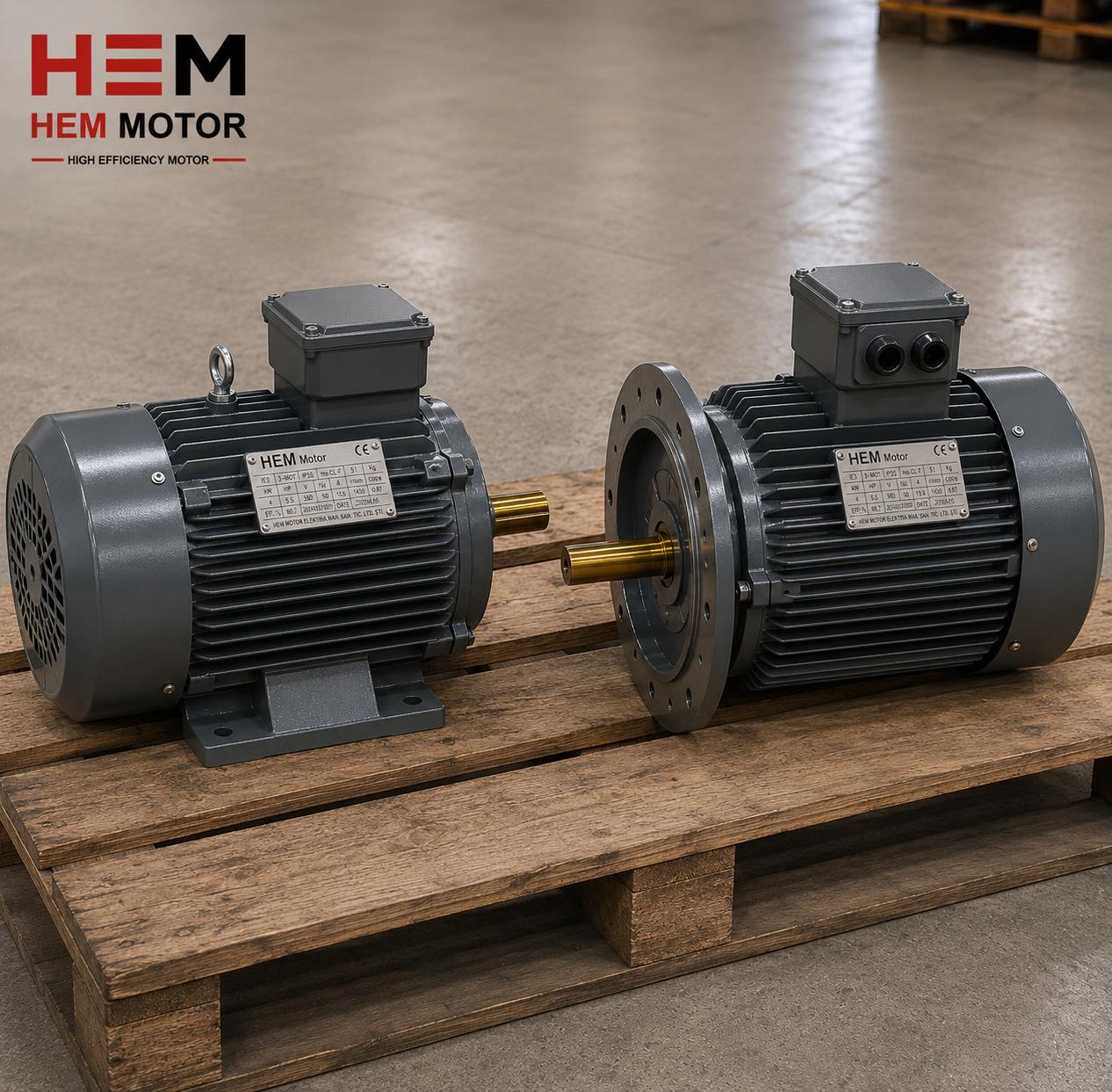

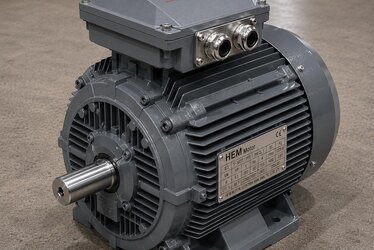
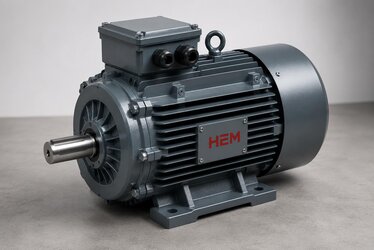
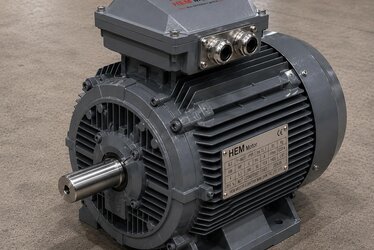
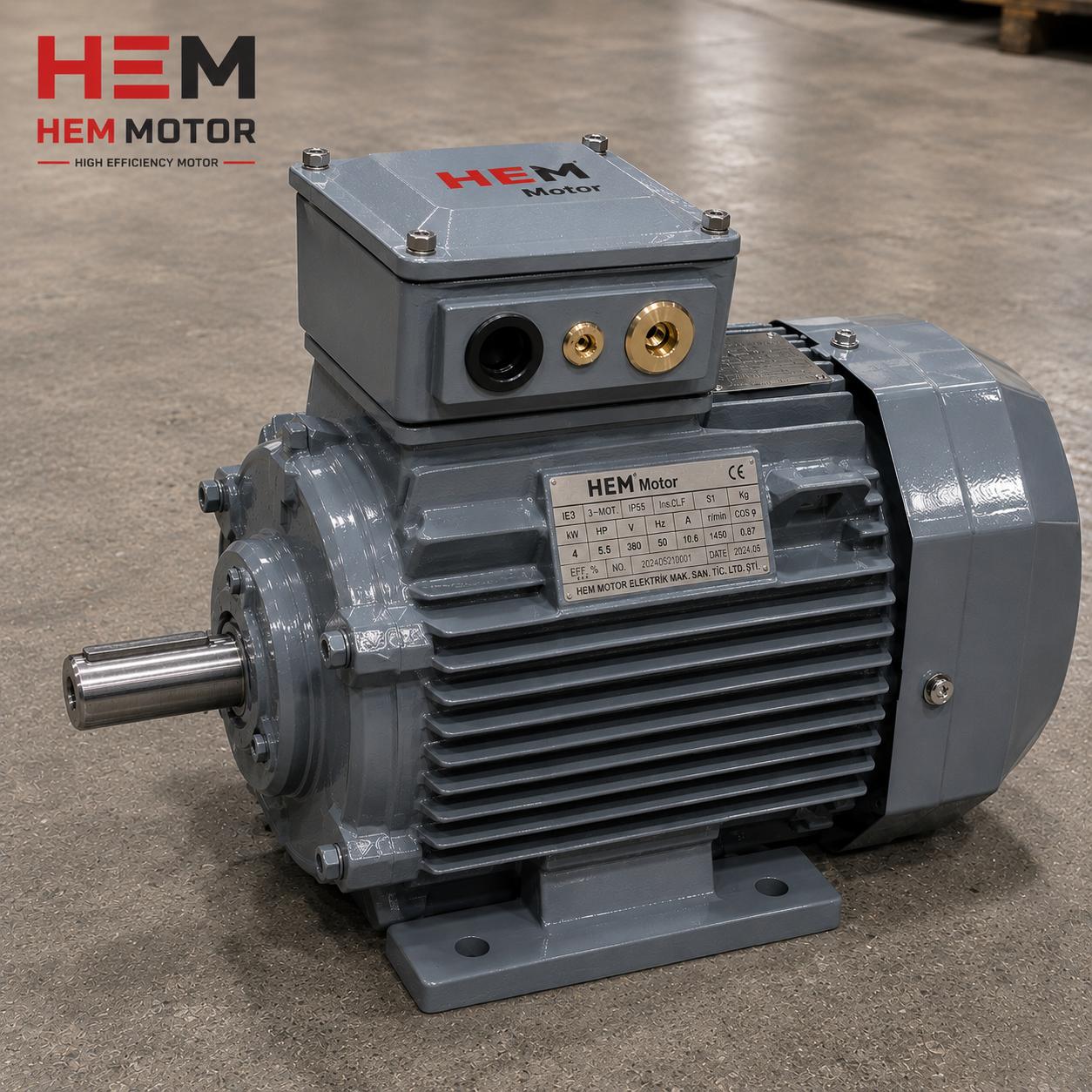
When sourcing an electric motor for a coastal facility, a harbor crane, a fishing plant, a salt production site or a shoreline treatment station, the biggest challenge is not the motor itself — it is the atmosphere the motor has to live in. Salty humidity, constant condensation, sea spray and high relative humidity wear out a standard industrial motor far faster than expected. Rust on the body, corrosion in the terminal box, weakened winding insulation and premature bearing failure are the shared fate of ordinary motors commissioned in coastal environments. This is exactly where IE3 efficient motors prepared with a C5 corrosion protection paint system and winding tropicalization come in. With the right corrosion category, the right paint system and the right insulation, a motor running in a marine/coastal environment lasts many times longer and unplanned downtime drops dramatically.
This guide is written for facility owners, procurement officers and technical managers who source motors for coastal and marine environments. We cover the corrosion categories (ISO 12944 C1–C5), the C5 paint system, what tropicalization actually means, the role of the IP protection class in corrosion, and how to place a correct order. The goal is to clarify which specifications must appear on the nameplate and in the quotation before a high-efficiency motor is handed over to sea air.
Why Does a Marine/Coastal Environment Destroy a Standard Motor?
The atmosphere on a sea coast is fundamentally different from a dry inland industrial site. Chloride ions (salt) in the air form an electrolytic film on metal surfaces, and this film acts as a conductor that accelerates corrosion. Even though a standard motor's cast iron body is mechanically very strong, if the protective paint layer is weak under salty humidity, blistering, flaking and underlying rust are inevitable.
The main factors that stress a motor in a coastal environment are:
- Salt spray: Salt particles carried by waves and wind stick to the motor body and cooling fins, creating corrosion nuclei.
- High relative humidity and condensation: Day–night temperature swings cause condensation inside the motor, threatening winding insulation and terminal connections.
- Continuous wet–dry cycling: Rain, sea spray and drying in the sun mechanically fatigue the paint layer.
- UV and thermal ageing: Open-air sunlight degrades pigment and flexibility of the paint over time.
- Rust spreading from micro-cracks: Even the smallest scratch in the paint becomes a corrosion starting point that spreads underneath in a salty environment.
For these reasons, when selecting a motor for a coastal and marine environment, corrosion resistance must be a core purchasing criterion alongside power and speed. To explore in more depth how a cast iron body is protected against corrosion, see our content on cast iron motor salt protection in coastal and marine facilities.
ISO 12944 Corrosion Categories: From C1 to C5
The most common standard referenced when discussing corrosion resistance is ISO 12944. This standard divides the corrosion load of an environment into categories and defines a suitable paint system for each. Knowing these categories in motor procurement is the key to correctly specifying which paint system is required.
Summary of corrosion categories
- C1 (very low): Heated enclosed buildings, dry office-like environments. Corrosion load is negligible.
- C2 (low): Poorly ventilated enclosed spaces, rural dry atmosphere. Standard motor paint is usually sufficient.
- C3 (medium): Urban and light industrial atmosphere, moderately humid production facilities. Many general industrial motors are painted to this category.
- C4 (high): Chemical plants, swimming pools, heavy industrial zones. A thicker, more durable paint system is required.
- C5 (very high): Coastal and marine environment (C5-M), and highly humid, aggressive industrial atmosphere (C5-I). The heaviest corrosion load; the strongest paint protection is required here.
A facility on the sea coast almost always falls into the C5-M (marine) category. Therefore, in such projects the "a standard painted motor will do" approach soon ends in rust and out-of-warranty failure. The correct approach is to order the motor from the outset with a C5 paint system and a tropicalized winding.
The C5 Paint System: Multi-Layer Protection
C5 corrosion protection paint is not a single coat of paint; it is a system made of complementary layers. The aim is both to isolate the metal surface from moisture and salt and to provide mechanical durability.
Typical components of a C5 paint system
- Surface preparation: Blasting or appropriate surface cleaning creates a clean, roughened base to which the paint can adhere. Skip this step and even the most expensive paint will not hold.
- Primer coat: A zinc-based or epoxy primer creates a corrosion barrier between the metal and the paint.
- Intermediate coat: An epoxy intermediate coat that increases total film thickness and hinders moisture migration.
- Top coat: A polyurethane top coat that provides UV resistance and mechanical abrasion resistance.
- High total film thickness: In C5 systems the dry film thickness is significantly higher than in lower categories; this thickness provides long life under salty humidity.
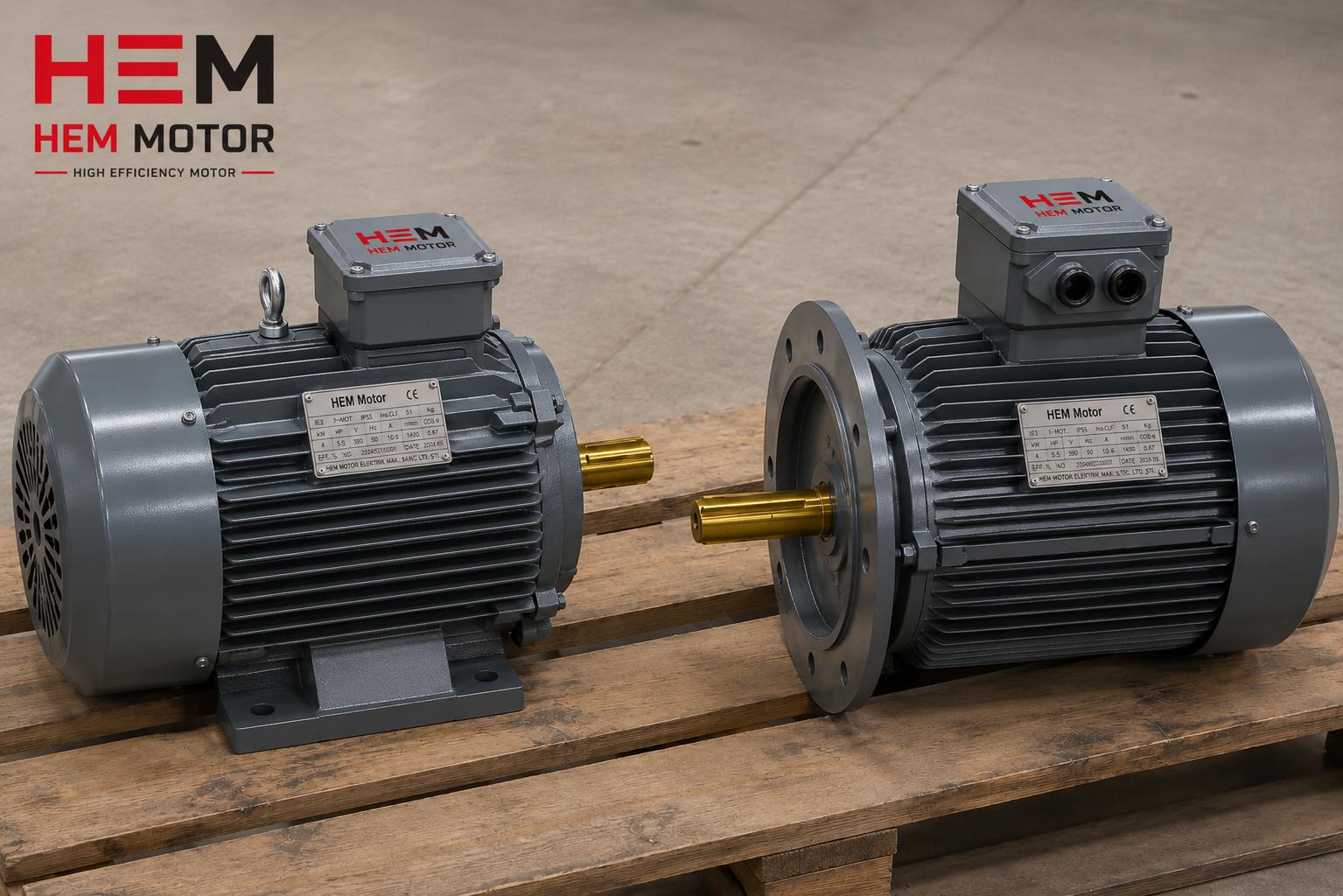
This multi-layer structure covers the motor body, terminal box and external metal parts. If you want to compare painting and coating techniques with base-penetrating methods such as cataphoresis, our content on cast iron motor painting and cataphoresis coating for corrosion protection covers the subject in detail.
Tropicalization: Protecting the Winding from the Inside
While C5 paint protects the body from the outside, the truly insidious threat of a marine/coastal environment comes from inside: when moisture and salt reach the winding insulation inside the motor, insulation resistance drops and over time a short-circuit risk arises. This is exactly where tropicalization comes in.
Tropicalization is the treatment of motor windings with extra protective varnish/enamel layers to make them resistant to moisture and fungus/mold formation. For motors that will operate in highly humid, hot and salty environments, a tropicalized winding is a critical feature that extends insulation life.
What a tropicalized winding provides
- Moisture resistance: The varnish layer makes it harder for condensing moisture to contact the conductive wires directly.
- Mold and microorganism resistance: Protection against biological degradation that can form on the insulation surface in tropical and coastal climates.
- Preservation of insulation resistance: Helps keep the winding's megger values within a safe range even during long shutdowns.
- Compatibility with class F insulation: While class F insulation offers high temperature endurance, tropicalization completes the moisture dimension.
The ideal combination for a coastal facility is ordering, together, a cast iron body, a C5 external paint system, a tropicalized class F winding and the appropriate IP protection class.
The Role of the IP Protection Class in Corrosion
Corrosion protection does not end with paint; the IP protection class that prevents water and dust from entering the motor is at least as important as the paint. Standard industrial motors are usually produced to IP55, which protects against dust and water jets from any direction. At points where sea spray is intense, where washing is done under pressure or where there is a risk of temporary submersion, higher protection classes such as IP65/IP66 should be considered.
- IP55: Protection against dust and water jets from any direction; a strong baseline together with C5 paint in most coastal applications.
- IP65: Full dust protection and resistance to stronger water jets; preferred at sites where pressure washing is performed.
- IP66: For the harshest coastal points subject to strong wave/jet impact.
To see in detail how to choose the IP class and the differences between IP55 and IP65/IP66, we recommend reading our guide on electric motor IP protection class selection. The right combination integrates corrosion protection from both outside and inside.
Why an IE3 Efficient Motor?
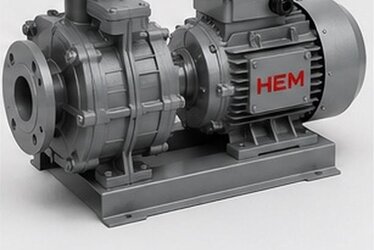
At coastal facilities, motors usually run continuously (S1) for long hours: treatment pumps, blowers, fans, conveyors and cranes. Because energy cost is a significant item in this continuous operation, having the corrosion-protected motor also be high-efficiency provides direct savings to the operation. IE3 premium efficiency motors do the same job with less energy thanks to their 100% copper winding and low-loss design.
On the regulatory side, the IE3 efficiency class has already become the minimum requirement across a broad power range. Therefore, when buying a motor for a coastal project, evaluating both corrosion resistance and efficiency class together is the right approach for both operating cost and compliance. To see corrosion-protected IE3 and IE4 options, explore our IE3 efficient asynchronous electric motors product group.
How to Place a Correct Order for a Coastal/Marine Project
The most common mistake in corrosion-protected motor procurement is ordering the motor as standard and then expecting "no corrosion" once it arrives on site. The correct approach is to clarify the corrosion specification already at the quotation stage.
Information to specify in the order
- Corrosion category: Is the environment C5-M or C4? The site location (distance to shoreline, indoor/outdoor mounting) should be stated.
- Paint system: C5-class multi-layer system and the targeted total film thickness.
- Tropicalization: Tropicalization of the winding should be explicitly requested.
- IP protection class: Is IP55 enough, or is IP65/IP66 required?
- Efficiency class, power and speed: IE3/IE4, kW and 1000/1500/3000 rpm speed selection.
- Mounting type: B3 foot, B5/B14 flange or B35 combined mounting.
- Body material: Cast iron body is preferred for mechanical durability in harsh coastal conditions.
When this information is provided completely, the motor manufacturer and supplier prepare a product exactly suited to the environment; the premature failure and warranty dispute of a motor delivered with the wrong specification are prevented. For your corrosion-protected motor projects and current electric motor prices, clarifying your specifications and requesting a quotation is the healthiest path to supply.
Maintenance and Field Recommendations
Even a motor purchased with the right specification will not deliver its expected life if neglected on site. In a coastal environment, a few simple precautions significantly extend the life of the corrosion protection:
- Repair scratches and impacts on the paint surface early; micro-damage spreads quickly in a salty environment.
- Keep the cooling fins free of salt and dust buildup; clogged fins mean overheating.
- Periodically check terminal box gaskets and cable glands; moisture leaks in mostly from here.
- Measure insulation resistance (megger) during long shutdowns and, if necessary, commission the motor with heating/drying.
- Make sure the drain plugs are appropriate for the mounting position and open.
Frequently Asked Questions
Is a standard IP55 painted motor enough on the sea coast?
Usually no. Although the IP55 protection class limits the ingress of water and dust, it does not protect the outer surface of the motor from the salty, humid atmosphere. A marine/coastal environment usually falls into the C5-M corrosion category, and in this environment standard paint soon blisters with rust forming underneath. The correct solution is to request the IP protection class together with a C5 multi-layer paint system and a tropicalized winding.
Is tropicalization necessary on every motor?
No, tropicalization makes sense for highly humid, salty and tropical environments. In dry inland industry, a standard class F winding may be sufficient. However, for coastal facilities, ship/harbor applications, cold-storage surroundings and environments with constant condensation, a tropicalized winding is a critical choice that extends insulation life. If there is uncertainty, clarifying the ambient conditions with your supplier is the safest path.
Is there a performance difference between a C5-painted motor and a standard motor?
In terms of electrical performance (power, efficiency, speed), a correctly selected IE3 motor delivers the same output with either C5 or standard paint. The difference lies in the motor's life and reliability. C5 paint and tropicalization reduce corrosion-related premature failures, unplanned downtime and repeated replacement cost in a coastal environment. So the difference is not in performance, but in durability and total cost of ownership.