English
 Türkçe


Summary (TL;DR)
- 0.12 and 0.18 kW motors are the smallest power class in the range; they are ideal for small automation, dosing, packaging machines and especially as a worm gear reducer input.
- At these powers the standard frames are IEC 56 and IEC 63, with an aluminium body; for reducer mounting the B14 small flange and B5 are most common.
- 0.12 and 0.18 kW motors match perfectly with HEM30 (0.06–0.18 kW) and HEM40 (0.12–0.37 kW) worm gear reducer bodies via 56B5/56B14/63B5/63B14 connections.
- Speed is set by pole count: 2-pole ≈ 2800 rpm, 4-pole ≈ 1400 rpm, 6-pole ≈ 900 rpm; 4-pole is usually preferred at a reducer input.
- HEM Motor offers IE3 efficient, 100% copper-wound motors even at the smallest powers, with fast quotes and supply from stock.
In industry attention usually turns to high-power motors, yet the real operation of a plant is often decided by its smallest motors. The 0.12 kW and 0.18 kW electric motors may look modest, but they sit at the heart of countless applications, from driving belt conveyors and dosing pumps to running packaging machines and small mixers. Selecting the right motor in this smallest power class requires a clear evaluation of parameters such as speed, pole count, frame size, mounting type and reducer compatibility. In this guide we explain step by step how to choose 0.12 and 0.18 kW IE3 motors correctly for small machines and automation, which reducers they pair with, and how to source them quickly from stock.
Where Are 0.12 and 0.18 kW Motors Used?
Motors in the smallest power class shine in applications where motion comes not from high power but from precise and continuous drive. The electricity consumed at these powers is low, but the motor's reliability and fit to the machine are critical. The most common uses are:
- Small automation lines: belt conveyor drives, product sorting and routing units.
- Dosing and feeding: screw feeders, small dosing pumps and precise feed systems.
- Packaging machines: film winding, labelling and transport mechanisms.
- Small agitators and mixers: laboratory and food processing applications.
- Geared drive (gearmotor): systems where a worm gear reducer input delivers a low output speed.
In most of these applications the motor is not used alone but together with a reducer, because the goal is usually high torque at low output speed. That is why reducer compatibility is as important as the motor itself when selecting 0.12 and 0.18 kW motors.
Frame Size: IEC 56 and IEC 63
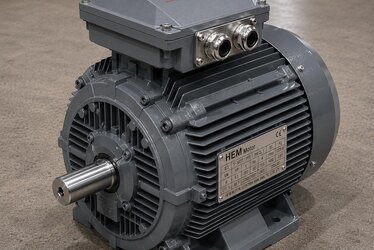
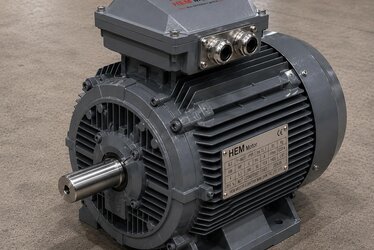
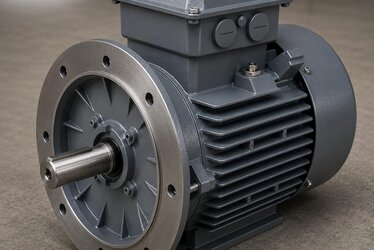
At 0.12 and 0.18 kW the standard frame sizes are IEC 56 and IEC 63. The frame size sets the shaft height (the distance from the foot base to the shaft centre) and therefore the machine mounting dimensions. At these smallest powers the body material is standard aluminium; an aluminium body is both light and corrosion-resistant, a practical advantage for small machine and automation applications.
- IEC 56 frame: generally used for the most compact motors in the 0.06–0.12 kW range.
- IEC 63 frame: covers the 0.12–0.25 kW range; the 0.18 kW motor is common in this frame.
Choosing the right frame size is essential for the motor to seat into the machine cleanly and connect compatibly to the reducer. An error in frame-power matching or shaft diameter leads to lost time and cost during assembly.
Speed and Pole Count Selection
The motor's speed relates directly to its pole count. On a 50 Hz grid, theoretical synchronous speeds vary with pole count; the actual (loaded) speed is somewhat below this because of slip. The most-used speed options in smallest-power motors are:
2 Pole (≈2800 rpm)
Preferred for small pumps, fans and some compact applications that need high speed. Noise and vibration are slightly more noticeable because of the high speed.
4 Pole (≈1400 rpm)
The most common and balanced choice. It is accepted as standard especially for a reducer input, because worm gear reducer ratios are generally designed for a 1400–1500 rpm input speed.
6 Pole (≈900 rpm)
Used in special applications wanting low speed and quieter running. At the same power, more poles mean lower speed but a relatively larger frame.
When designing a geared drive, the motor speed and reducer ratio are evaluated together to reach the desired output speed.
Mounting Type: B3, B5 and B14 Small Flange
In smallest-power motors the mounting type determines how the unit connects to the machine or reducer. There are three basic options:
- B3 (foot): the classic mounting where feet under the body fix the motor to a base or floor. Used in belt-pulley and direct connections.
- B5 (large flange): connected to a reducer or machine through the large flange holes on the front cover.
- B14 (small flange): connected directly through the threaded holes on the front flange; it is the most preferred mounting especially at small reducer inputs.
In small motors the B14 small flange is widespread because it provides a compact, solid connection to worm gear reducers. Choosing the right flange type is critical so the motor seats fully into the reducer without misalignment.
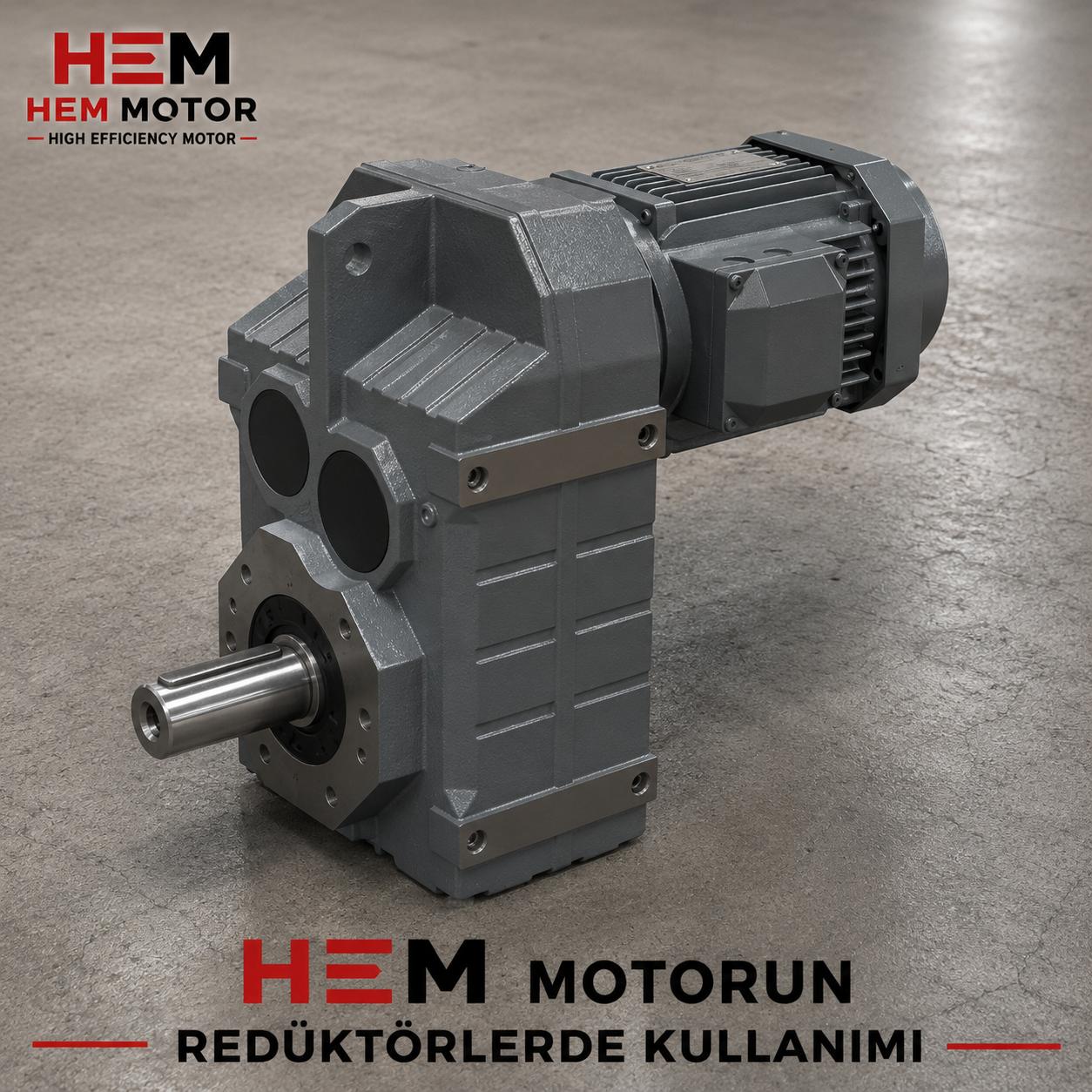
Compatibility with Worm Gear Reducers: HEM30 and HEM40
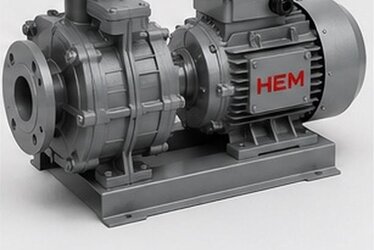
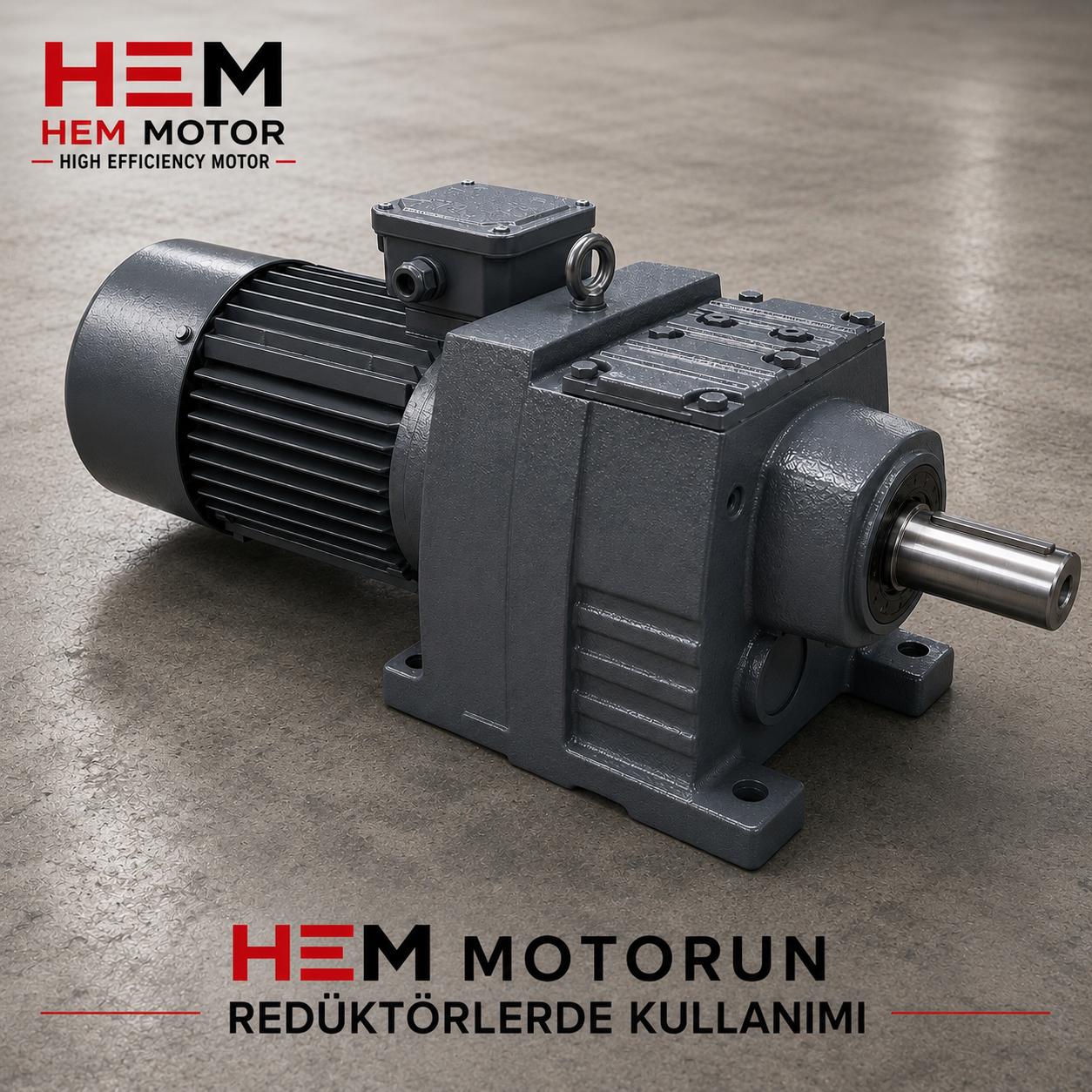
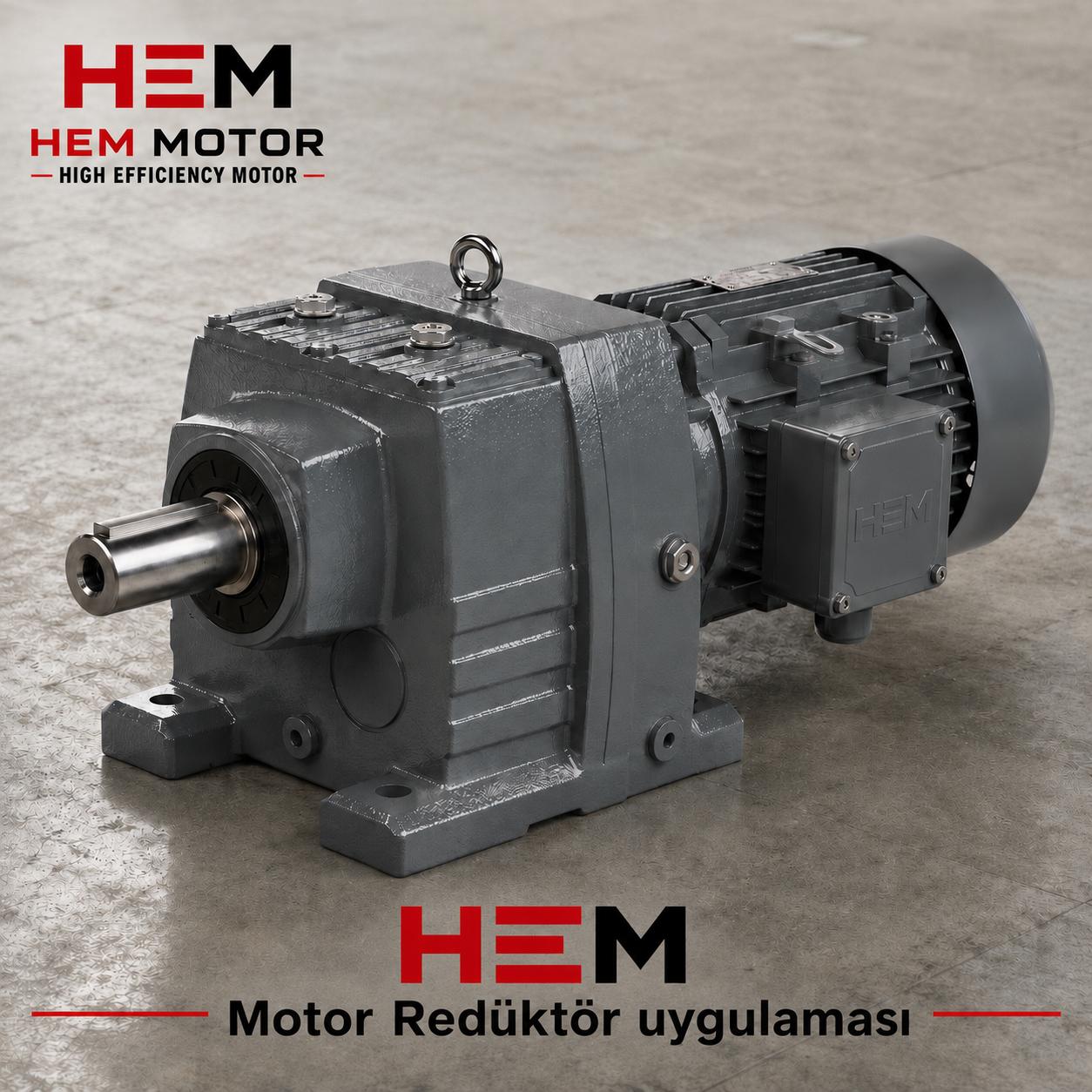
One of the strongest aspects of 0.12 and 0.18 kW motors is their excellent compatibility with small-body worm gear reducers. This lets the motor connect directly to a reducer input to deliver high torque and low output speed:
- HEM30 worm gear reducer body: works with motors from 0.06 to 0.18 kW; with 56B5, 56B14, 63B5 and 63B14 connection options it suits both 0.12 and 0.18 kW motors.
- HEM40 worm gear reducer body: accepts motors from 0.12 to 0.37 kW; with IEC 63 B5/B14 and IEC 71 B5/B14 connections it matches 0.12 and 0.18 kW motors exactly.
These reducers offer a wide ratio range from 1/7.5 to 1/100; with a standard 1400–1500 rpm motor speed, very low output speeds can be achieved. With a suitable ratio the input speed is reduced substantially, delivering the slow, powerful motion that belt and feeding applications need. When you want to source the reducer and motor together, our worm gear reducers family and our electric motors for reducers range offer a compatible package.
Why IE3 Efficiency Even at the Smallest Power?
In regulatory history, motors in the 0.12–0.75 kW range were long associated with the IE2 efficiency class. Yet high efficiency provides a tangible advantage to the buyer even at the smallest powers. An IE3 efficient, 100% copper-wound motor means lower heating, longer winding life, and energy savings that accumulate over time on continuously running automation lines. A small motor's consumption may look low, but if a plant runs dozens of small motors for most of the day, the total saving becomes meaningful.
Copper winding runs at lower resistance than aluminium winding, which means fewer losses and a lower operating temperature. Even in smallest-power motors this quality difference directly affects the motor's life and reliability.
Information to Confirm Before Ordering
When ordering a 0.12 or 0.18 kW motor, clarifying the following ensures the right product is supplied the first time:
- Power (kW) and pole/speed (2/4/6 pole).
- Frame size (IEC 56 / 63) and shaft diameter.
- Mounting type (B3 / B5 / B14) and flange dimension.
- Supply voltage and frequency (three-phase 380/400 V or single-phase 220 V).
- If connecting to a reducer, the reducer body type (HEM30/HEM40) and connection code.
If you are replacing an existing motor, sharing the old motor's nameplate data in full is the safest route. The power, speed, frame and mounting code on the label allow an equivalent IE3 motor to be selected to match the machine exactly.
Supply from Stock and Manufacturer Assurance
The smallest-power motors are often the critical parts whose failure halts a machine. As a manufacturer and seller, HEM Motor keeps the most-requested small powers such as 0.12 and 0.18 kW in stock with a variety of speed, frame and mounting options. So in an automation line or small machine breakdown, you minimise production loss by sourcing the right motor quickly. When a geared package is needed, we can offer the motor and worm gear reducer together in a compatible set. For current electric motor prices, stock status and a fast quote, simply share your requirements.
Frequently Asked Questions
Which reducer works with a 0.12 and 0.18 kW motor?
These powers are perfectly compatible with small-body worm gear reducers. The HEM30 reducer accepts motors from 0.06 to 0.18 kW, while the HEM40 reducer accepts motors from 0.12 to 0.37 kW. Both connect to IEC 56 and IEC 63 frame motors with B5 or B14 flanges, which means both 0.12 and 0.18 kW motors are compatible.
Which mounting type suits these small powers best?
For applications connecting directly to a reducer or machine, the B14 small flange is the most common choice; it provides a compact, solid connection. For belt-pulley applications fixed to a base or floor, B3 foot mounting is used, and for systems bolted to a reducer with a large flange, B5 mounting is preferred.
Is it sensible to buy an IE3 motor at the smallest power?
Yes. An IE3 efficient, 100% copper-wound motor offers lower heating, longer life and energy savings that accumulate over time on continuously running lines, even at the smallest power. If many small motors in a plant run for long hours, high efficiency creates a meaningful advantage overall.