English
 Türkçe

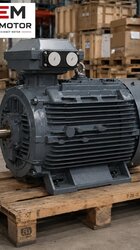
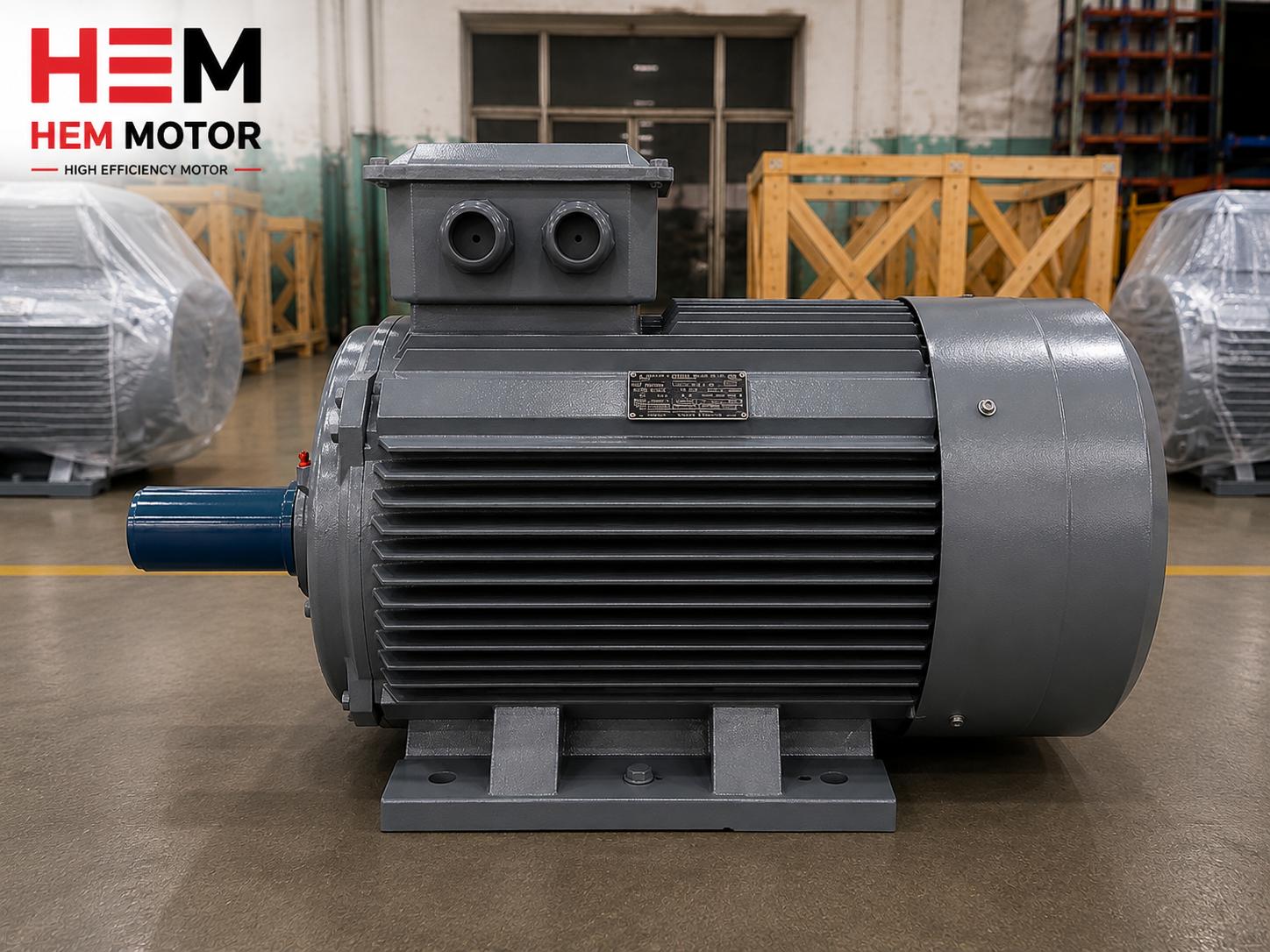

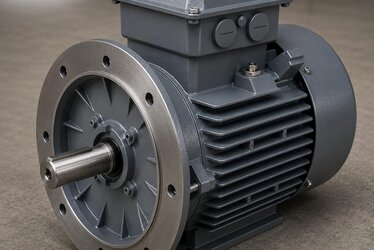
When buying an electric motor, most people focus on visible features such as power, speed and price; yet a detail that lies at the heart of the motor and directly determines its performance is often overlooked: the winding wire material. Whether the winding in the motor's stator is made of copper or aluminium directly affects the motor's efficiency, how much it heats up and how many years it will run without trouble. In this article we address the fundamental differences between copper winding and aluminium winding, the practical consequences of these differences, and why copper winding is the core sign of quality in correct motor selection.
Although at first glance this difference looks like a technical detail, in the long run it is one of the most important elements of your purchasing decision. A cheap-looking aluminium-wound motor can actually cost much more over the years through a higher energy bill and a shorter lifetime.
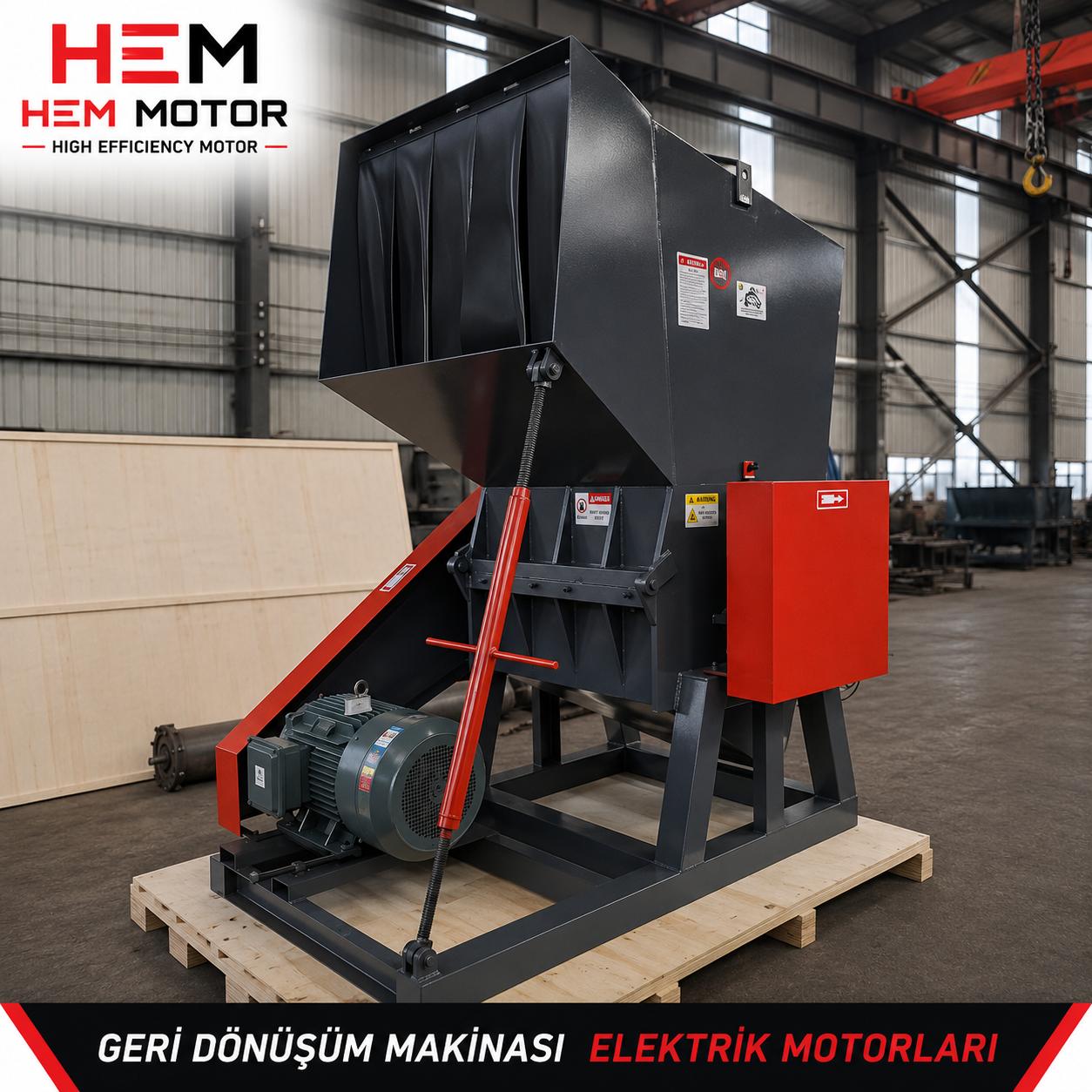
What Is the Winding and Why Does It Matter So Much?
The winding in an electric motor's stator is the core component that converts electrical energy into a magnetic field. The current passing through these windings creates the rotating magnetic field that turns the motor. The material of the winding wire determines how efficient this conversion will be. An ideal winding material should conduct electricity with as little loss as possible — that is, it should have low electrical resistance.
This is exactly where the fundamental difference between copper and aluminium begins. Copper's electrical conductivity is markedly higher than aluminium's. At the same cross-section, copper wire has far lower resistance than aluminium; this means less energy loss, less heating and higher efficiency.
The Advantages of Copper Winding
Copper winding is the indispensable standard of quality electric motors. Its main advantages are:
- Lower resistance, less heating: Thanks to copper's low resistance, less heat is released in the winding. A lower operating temperature gives the insulation a longer life.
- Higher efficiency: Because less energy turns into heat and is lost, a copper-wound motor is more efficient and means a lower electricity bill.
- Longer life: Low temperature slows the ageing of the winding insulation, extending the motor's total life.
- Better mechanical durability: Copper is more durable and flexible than aluminium; connection points are more reliable under vibration and thermal expansion.
- More compact design: High conductivity makes it possible to obtain the same power with a smaller winding cross-section.
The Situation with Aluminium Winding
The only clear advantage of aluminium winding is its cost; aluminium is a cheaper and lighter metal than copper. For this reason, aluminium winding is used in some economy motors to lower cost. However, this saving comes at the price of compromising the motor's performance and lifetime.
- Higher resistance: A thicker wire is needed to carry the same power; this causes the motor to heat more.
- Lower efficiency: High resistance means more energy turning into heat, which is a higher energy cost over the lifetime.
- Connection difficulties: Aluminium is prone to oxidation; over time, resistance increase and heating problems can occur at terminal connections.
- Shorter insulation life: A higher operating temperature wears the insulation faster.
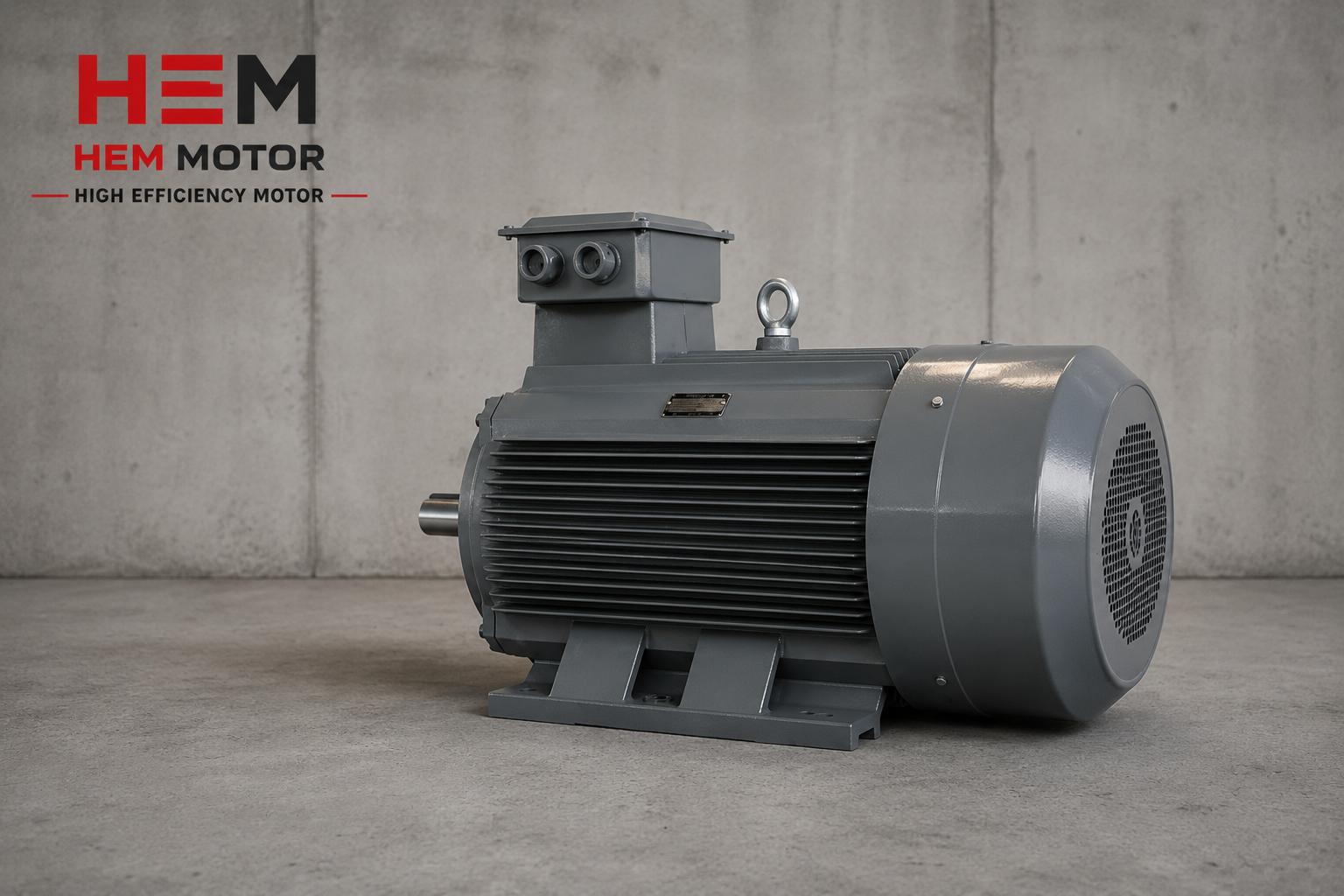
The Relationship Between Efficiency Classes and Winding Material
Modern efficiency standards (IE3, IE4) demand ever-higher efficiency from motors. The most fundamental way to reach these high efficiency levels is to reduce winding losses. This is why the use of 100% copper winding is almost a necessity in high-efficiency IE3 and IE4 motors. Reaching these efficiency classes with aluminium winding is much harder and usually requires a larger, more expensive motor.
Therefore, a motor's efficiency class is indirectly an indicator of winding quality too. A motor labelled IE3 or IE4 with 100% copper winding promises low energy consumption, a low operating temperature and a long life.
Copper Winding from a Total Cost Perspective
The majority of a motor's lifetime cost consists of energy consumption. For this reason, the low purchase price of an aluminium-wound motor is often misleading. In a continuously running application, the efficiency difference provided by a copper-wound motor more than repays the price difference in the first years. Moreover, a longer life and fewer failures pull the total cost of ownership down even further.
When making a quality motor investment, you should always question the winding material. In terms of stock and supply, determining a motor with 100% copper winding and the correct efficiency class in advance guarantees both energy savings and a long life. For up-to-date electric motor prices and winding/efficiency specifications, the healthiest way is to clarify your need and request a quote. For different applications you may evaluate the IE3 copper-wound motor and three-phase electric motor options.
A Comparative Summary of Copper and Aluminium Winding
Seeing the basic properties of the two winding materials side by side makes the decision easier. The following points summarise the practical differences between the two materials:
- Electrical conductivity: Copper is markedly superior; it shows less resistance at the same cross-section.
- Efficiency: Copper winding provides higher efficiency with less loss; aluminium lags behind.
- Heating: Copper runs cooler; aluminium heats more at the same load.
- Life: Copper's low temperature means long insulation life; aluminium wears faster.
- Initial cost: Aluminium is cheaper; copper is slightly more expensive but more economical over the lifetime.
- Connection reliability: Copper is more resistant to oxidation; aluminium connections require more maintenance.
This comparison clearly shows that, on every criterion except initial cost, copper winding stands out. In continuously running applications where a long life is expected, the choice is clear.
The Relationship Between Winding Temperature, Insulation Class and Life
To understand the effect of winding material on lifetime, you need to know the concept of insulation class. The insulation of motor windings is classified to withstand a certain maximum temperature (for example, Class F at 155°C, Class H at 180°C). The life of insulation is extremely sensitive to operating temperature: as a general rule, every 10°C increase in winding temperature roughly halves the insulation life.
This is where copper winding's critical advantage comes into play. Thanks to its low resistance, copper winding produces less heat and therefore operates at a lower temperature than aluminium winding under the same operating conditions. This lower temperature allows the insulation to last much longer. As a result, a copper-wound motor is not only more efficient but also much longer-lived.
- Low winding temperature: Slows the ageing of insulation and extends motor life.
- Thermal stability: Copper withstands thermal cycles better in frequent stop-start applications.
- Overload tolerance: A lower base temperature leaves a wider safety margin during temporary overloads.
Verifying Winding Quality When Purchasing
Verifying the motor's winding quality before purchase is critical for the right investment. The points to watch are:
- Check the efficiency class: An IE3 or IE4 label most likely indicates quality copper winding.
- Request technical documents: The winding material should be explicitly stated in the manufacturer's specification.
- Do not ignore weight: Copper-wound motors of the same power are usually of more solid construction due to the use of quality material.
- Pay attention to rated current: A higher-than-expected rated current at the same power can be a sign of low efficiency (and probably low-quality winding).
These checks help you avoid a motor that looks cheap but costs more in the long run. A purchase made with the right questions results in an investment that runs efficiently and trouble-free for years.
Frequently Asked Questions
How can I tell whether my motor's winding is copper or aluminium?
The most reliable way is to check the motor's technical documents or manufacturer information; quality manufacturers state copper winding as an advantage. The colour of the connection ends in the terminal box can also give a clue, but for definite information it is best to ask for the product specification. It is recommended to question the winding material explicitly when purchasing.
Is an aluminium-wound motor always bad?
It cannot always be called "bad", but it lags behind copper winding in performance and life. In very short-duty, non-critical applications, aluminium winding may be acceptable. However, in continuously or long-running applications where efficiency matters, copper winding is always the smarter investment.
How much more efficient does copper winding make the motor?
The efficiency difference varies with the motor's power and design, but the low winding losses achieved with copper are decisive, especially in reaching high efficiency classes (IE3, IE4). In a continuously running motor, this efficiency difference turns into significant energy savings over the years.