English
 Türkçe

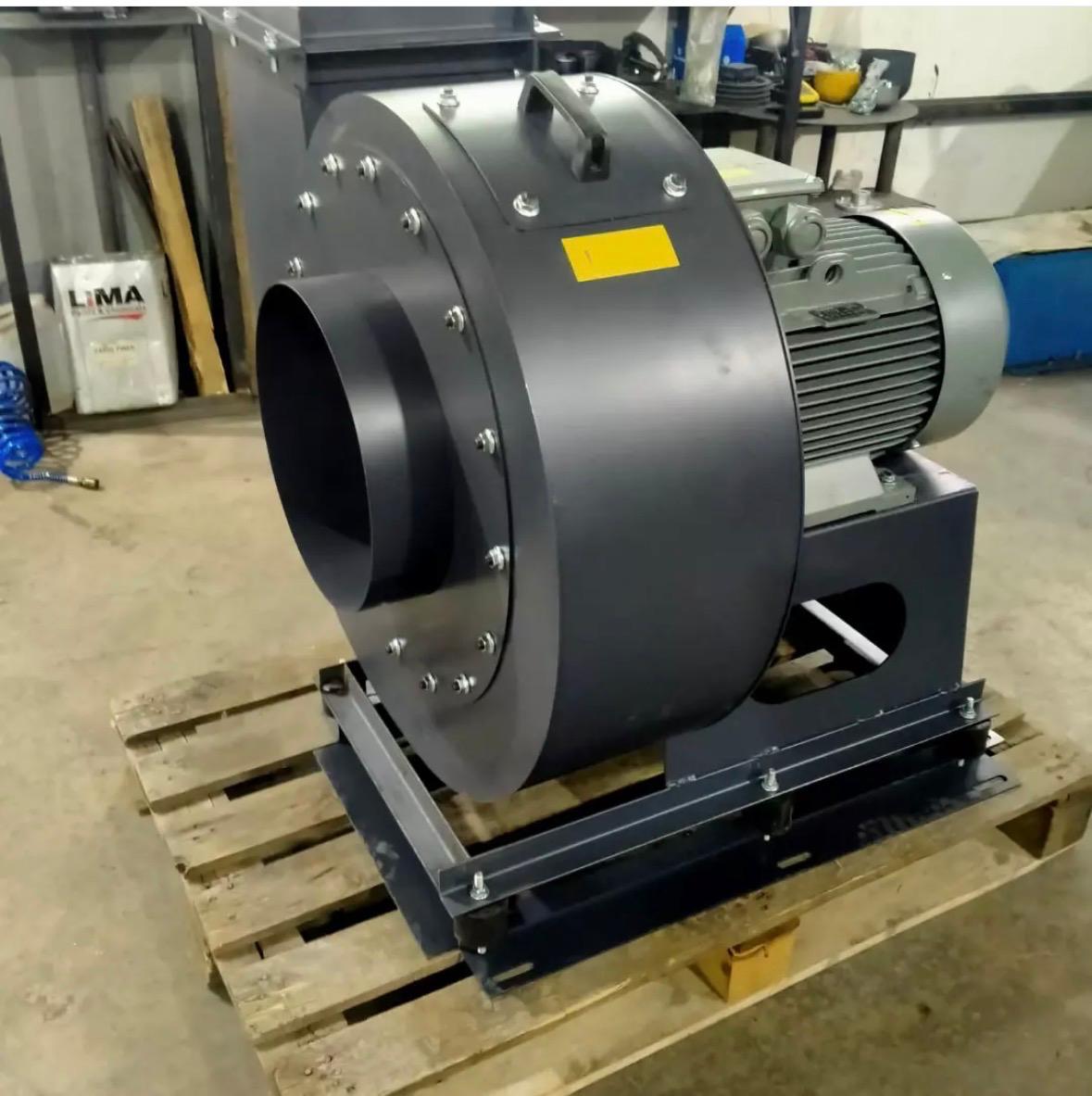

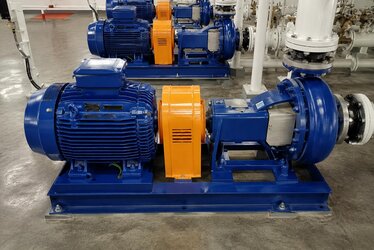
Swimming pool, SPA and wellness facilities are calming environments when seen from the outside; but for the pump and fan motors working at the heart of these environments, the situation is the exact opposite. Constantly evaporating chlorinated water, high humidity and never-stopping circulation create a harsh environment in which a standard industrial motor can surrender within months. When motor selection in a pool facility is done wrong, the result is not merely a faulty piece of equipment; it is cloudy water, a closed pool and customer dissatisfaction. For this reason, motor supply for pools and SPAs must be built on the right protection class, the right materials and a structure suited to continuous duty, all supported by fast shipment from strong stock.
The Three Harsh Conditions That Define the Pool and SPA Environment
There are three fundamental conditions that separate a pool plant room or SPA technical space from other industrial environments, and motor selection must answer all three at once:
- High humidity: Constant evaporation from the water surface and wet floors; relative humidity in the air is often near saturation.
- Chlorine and chemical vapour: The chlorine and other chemicals used to disinfect the water evaporate and create a corrosive atmosphere.
- Continuous duty (S1 duty type): Circulation pumps run nonstop 24 hours a day in most facilities; the motor is under constant heat load.
While even one of these conditions is demanding on its own, in a pool environment all three are active at the same time. That is why an ordinary IP54 motor will not last long here; humidity and chemical vapour seep in through the motor's weakest points.
Where Does Moisture Enter the Motor and What Does It Do?
Moisture and chemical vapour in a pool environment attack the motor through two main routes. The first is the terminal (connection) box. An inadequately sealed or low-protection-class terminal box draws in humid air; the moisture condenses here into water droplets and creates corrosion, leakage current and short-circuit risk at the electrical connections. The second is the bearings. If the shaft seals and bearing zones are not adequately protected, moisture breaks down the oil film, rusting begins on the bearing surfaces, and the motor runs noisily and seizes far earlier than its expected life.
These two entry points are the source of the vast majority of early failures in pool motors. That is why, when selecting a motor for pool and SPA use, not only power and speed but also the protection class (IP), terminal box sealing and bearing protection must be correctly specified.
Why Is the Right Protection Class Critical?
In pool applications the protection class is not a detail but the main parameter determining the life of the equipment. Because stopped circulation leads to cloudy water, interrupted disinfection and the pool going out of service, the motor's stable operation in a humid environment is directly tied to the facility's operational continuity. For this reason, high-protection-class, corrosion-resistant structures are preferred for pool pump and fan motors.
- High IP protection class: Sealed housing against dust and especially water ingress.
- Corrosion-resistant surface: Resistance to chlorinated vapour through additional surface protection and a suitable paint system.
- Thermal design suited to continuous duty: Windings and housing that keep heating within safe limits under S1 operation.
When the right protection class is chosen, the motor runs trouble-free for years in a humid and chemical environment. When chosen wrong, the small saving is paid back many times over at the first failure. For different power and protection options you can request a quick quote via electric motor prices.
Selection Logic for Circulation Pump and Fan Motors
Circulation Pump Motors
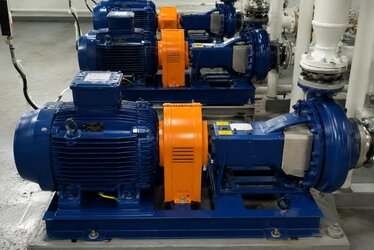
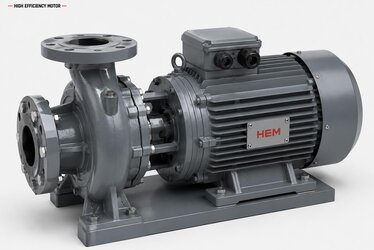
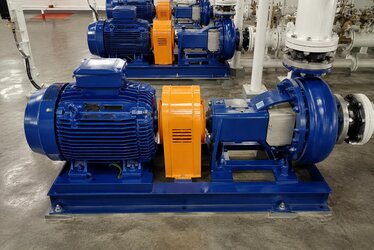
Pool circulation pumps keep the water clean and clear by passing it through the filter. When these motors stop, water quality deteriorates within a short time. That is why circulation pump motors are selected for continuous duty type, high protection class and a bearing structure that is safe in a humid environment. In most facilities these motors are installed redundantly; yet the spare motor also being available for fast supply is critical for operations.
Fan and Ventilation Motors
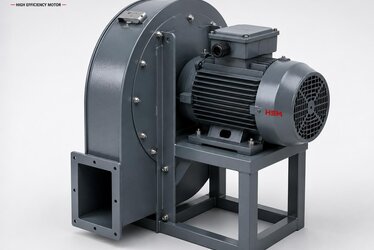
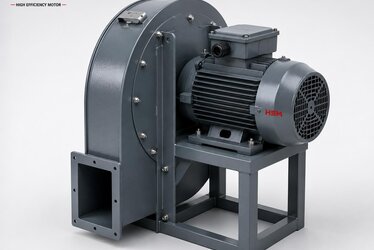
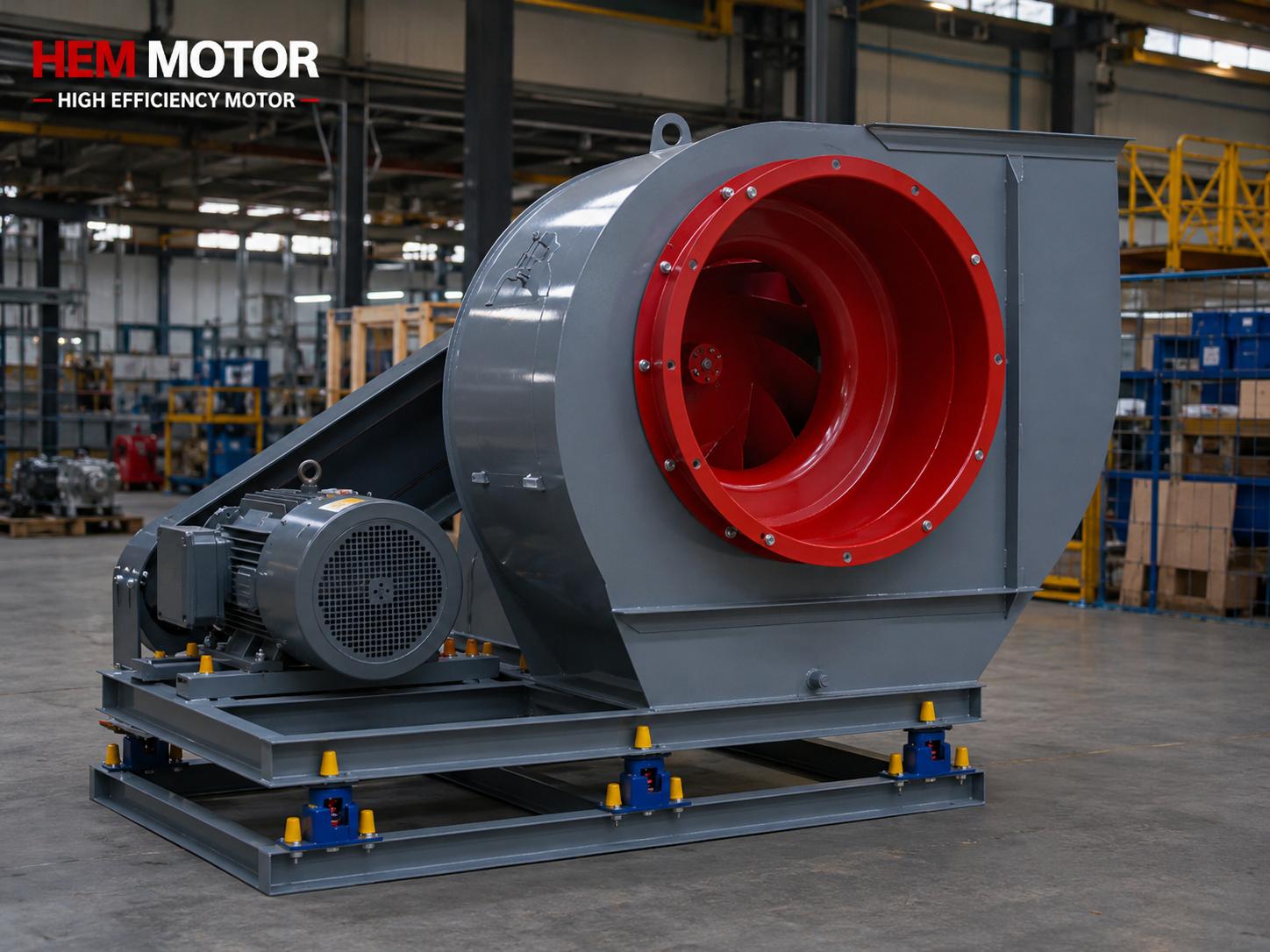
In enclosed pool and SPA volumes, ventilation fans expel humidity and chemical vapour to the outside. These fan motors are also inside the same corrosive atmosphere and run continuously. High protection class and a moisture-resistant structure are equally important for fan motors. The facility's indoor air quality depends on the uninterrupted operation of these fans.
Fast Supply From Strong Stock and Manufacturer Assurance
In pool and SPA operations, a motor failure most often arrives during the facility's peak season. At such a moment, the ability to complete the motor of the right power, right protection class and suitable frame from stock with fast shipment is the difference between the facility closing and continuing to run. HEM Motor offers motors resistant to moisture and chemical vapour and suited to continuous duty for pool and SPA applications with strong stock and manufacturer assurance. Delivering the right product at the right time is the assurance a pool operator needs most. For a solution and quote suited to your needs, review the electric motor prices page.
Pool and SPA Motor Selection Checklist
- Is the motor's protection class (IP) suitable for a humid environment?
- Were terminal box sealing and bearing protection checked?
- Is there a thermal design suited to continuous (S1) duty type?
- Is surface protection against chlorinated vapour adequate?
- Is access to a spare from stock planned for the critical circulation pump?
Frequently Asked Questions
Why does a standard industrial motor not last long in a pool environment?
The pool environment is defined together by high humidity, chlorine/chemical vapour and continuous duty. In a standard-protection-class motor, moisture enters through the terminal box and bearings, causing corrosion and early failure. That is why a high-protection-class, corrosion-resistant motor is needed.
Where does moisture most enter the motor?
There are two main entry points: an inadequately sealed terminal box and unprotected bearings. Moisture condenses at these points, causing corrosion at the electrical connections and rusting in the bearings.
What happens if the circulation pump motor fails?
Stopped circulation leads to the water turning cloudy in a short time and the pool going out of service. That is why the right protection class is critical, and a spare motor that can be supplied quickly from stock is recommended for critical pumps.