English
 Türkçe

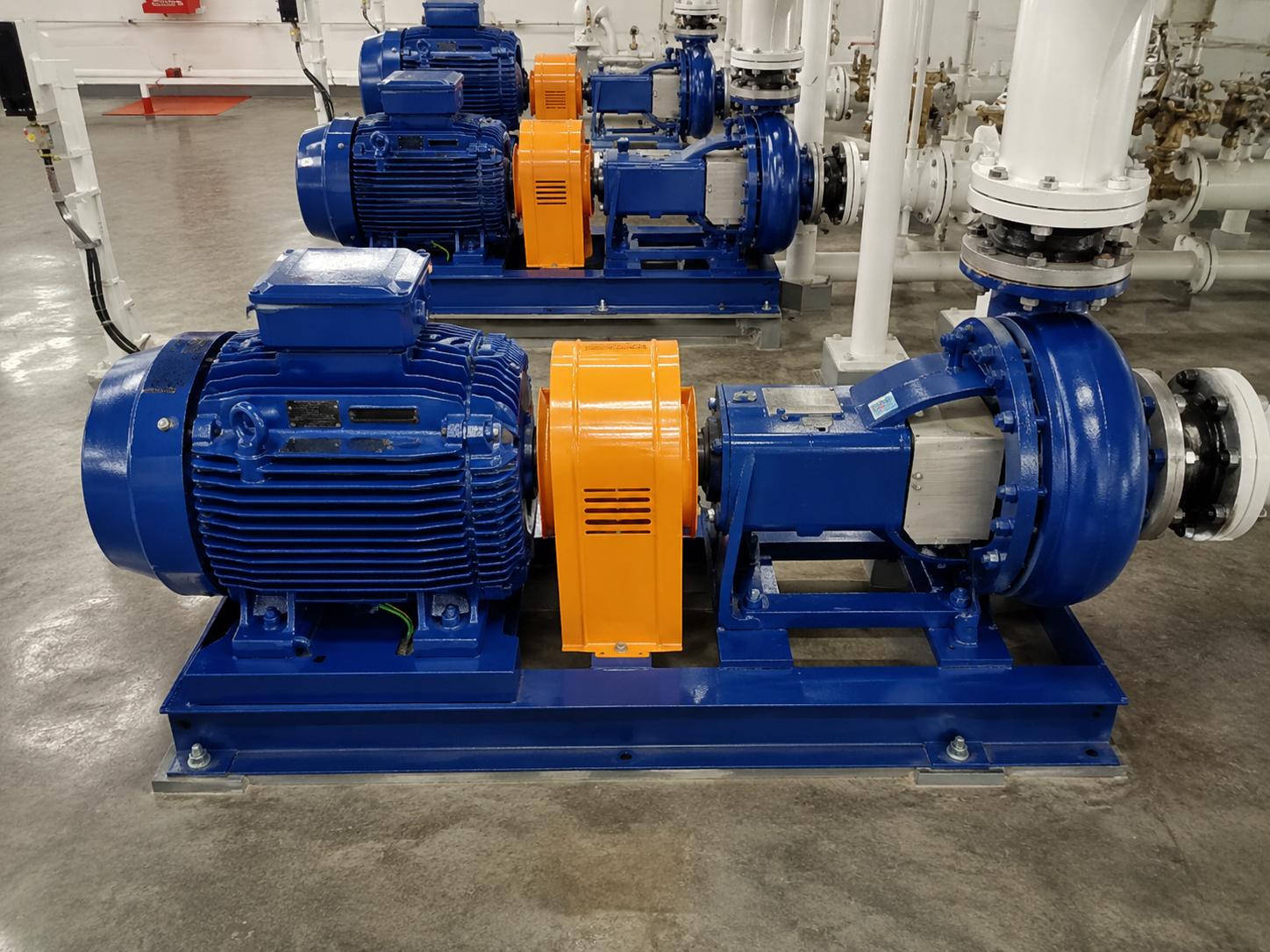

Building basements, septic pits, stormwater collection sumps, industrial wastewater lines and agricultural drainage channels all share a common need: a submersible pump motor capable of safely and continuously evacuating dirty liquid that contains solids or is abrasive. In drainage and sewage applications the motor faces far harsher conditions than in clean-water pumps; fibrous waste, sand, sludge, dissolved gases and a permanently wet environment test both the electrical insulation and the mechanical sealing of the motor. For this reason, selecting a submersible drainage and sewage pump motor is not simply a matter of finding how many kilowatts are required; protection class, duty type, seal design, thermal protection and spare-part availability must all be evaluated together. In this guide, from the perspective of an electric motor manufacturer and supplier, we examine in detail how to choose the right motor for wastewater and sewage applications and what to watch for in fast stock supply and quotation processes.
The Motor's Role in Drainage, Septic and Wastewater Pumps
Drainage pumps generally evacuate lightly contaminated water with fine solids (seepage water, rainwater, groundwater). Septic and sewage pumps, on the other hand, handle fibrous, solid-laden and highly organic wastewater; consequently the impeller type (vortex, single-channel, cutter) and the motor torque differ. In industrial wastewater lines the liquid may be acidic, alkaline or abrasive. In all three scenarios the motor runs inside or just above the liquid and is continuously exposed to moisture.
Four parameters are decisive in motor selection: flow rate (Q), head (H), the nature of the pumped liquid and the operating regime. Flow and head are read from the pump curve; the intersection of these two values gives the system operating point. The motor power is then determined from the shaft power at that point, the efficiency and a safety margin. In wastewater applications sudden blockage, impeller jamming and load fluctuations are common; therefore the motor torque and thermal capacity are selected higher than for clean-water pumps.
From Flow and Head to Power
The hydraulic power of the pump is found by scaling the product of flow and head with density and gravity; the shaft power is then obtained by dividing this value by the pump efficiency. In sewage and drainage pumps efficiency is lower than in clean-water centrifugal pumps because the impeller passages are enlarged to allow solids to pass. As a result, a larger motor may be needed for the same flow-head point. The correct approach is to base the calculation on the pump manufacturer's shaft power at the operating point and add roughly 10-20 percent safety margin. For heavily solid-laden sewage water this margin should be taken at the upper end.
Protection Class (IP) and Sealing: Vital in Wastewater
Because submersible motors run inside the liquid, the protection class differs fundamentally from dry-air motors. Motors that run continuously underwater require at least IP68 sealing; for semi-submersible or dry above-sump mounting, solutions above IP55 are considered. The heart of the sealing is the mechanical seal system: usually a double mechanical seal with an oil chamber between them prevents the liquid from reaching the windings. In sewage applications, seal faces made of wear-resistant material such as silicon carbide significantly extend service life.
- Double mechanical seal: Even if the primary seal wears, the secondary seal protects the winding; it should be the standard choice in sewage and abrasive liquids.
- Oil chamber and leakage sensor: A moisture sensor in the oil chamber between the seals detects water ingress early; it provides pre-failure warning in critical plants.
- Winding insulation: At least class F insulation and an enamel/impregnation system suited to humid environments give resistance against partial water contact.
- Cable entry: A waterproof cable gland and resin-potted lead-through secure the cable entry, which is the weakest point of the motor.
Thermal Protection and Dry-Running Risk
In a submersible motor cooling is mostly through the surrounding liquid. When the liquid level drops and the motor is exposed, cooling stops and the winding heats up rapidly. Therefore thermal protection (PTC thermistor or bimetallic contact embedded in the winding) and a level float must be used together. Since foam and sludge can deceive a float in septic sumps, electrode or pressure-type level sensors give more reliable results. Correctly matching the motor thermal device with the relay in the panel is also critical in terms of warranty coverage.
Speed, Pole Count and Impeller Compatibility
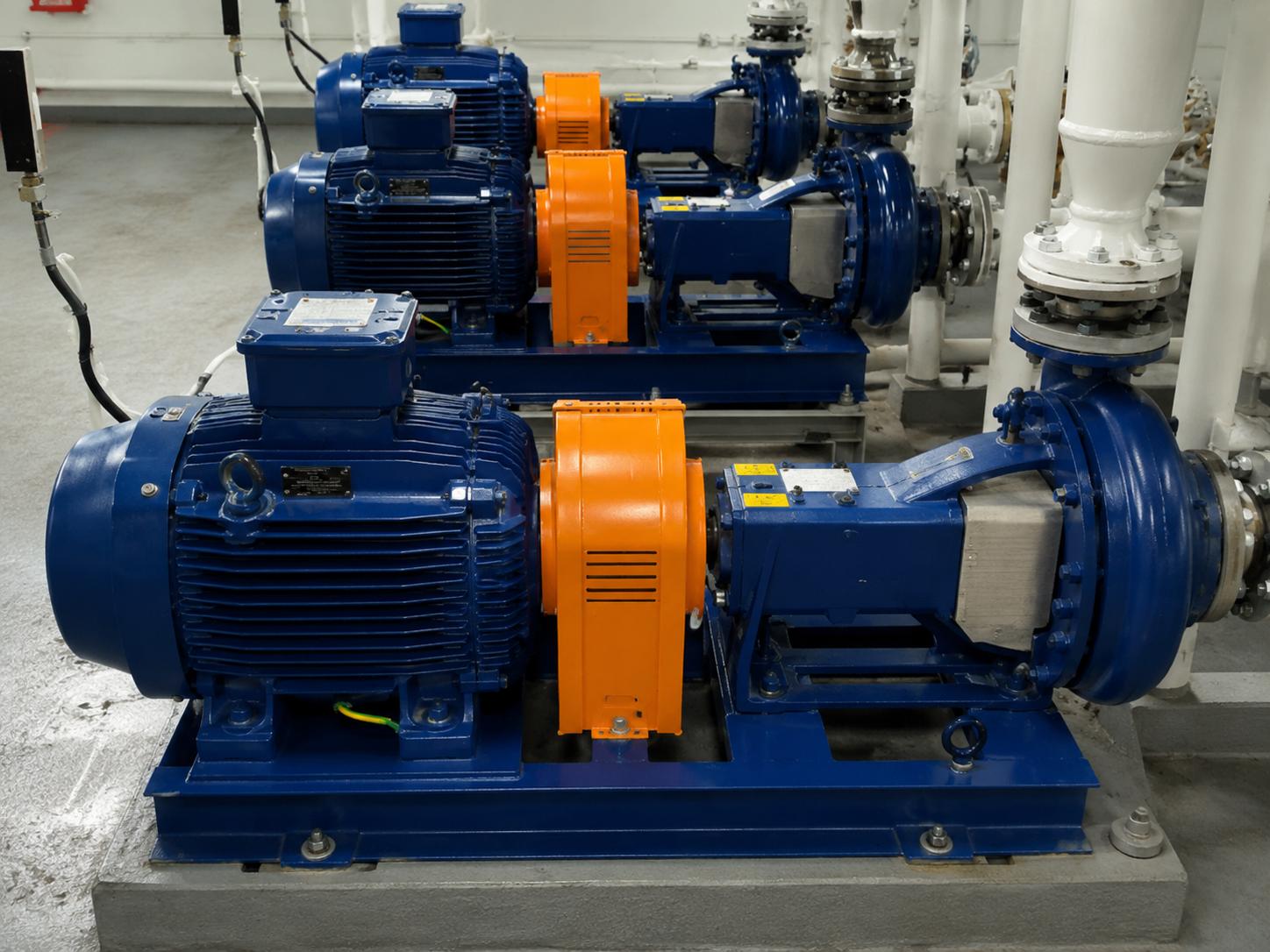
In wastewater pumps the choice of speed directly affects the impeller's solids passage and wear. High-speed (2-pole, 3000 rpm) motors provide high pressure in a small frame, but the impeller and casing wear faster in abrasive liquids. In sewage and muddy drainage, 4-pole (1500 rpm) is usually preferred; lower peripheral speed reduces wear and makes solids passage easier with a vortex impeller. In very high-flow, low-head municipal wastewater stations, 6-pole low-speed motors come into play. The speed decision should be made together with the pump manufacturer's impeller curve.
- 2-pole / 3000 rpm: High head, small frame; for lightly contaminated drainage and pressurised discharge.
- 4-pole / 1500 rpm: Sewage, foul water and general wastewater; best balance between wear and solids passage.
- 6-pole / 1000 rpm: High flow, low head; municipal lift stations and large drainage lines.
To examine pole and speed combinations in more detail, our guide on 2, 4, 6 pole asynchronous motor selection explains which speed suits which application on an application basis.
Material Selection and Corrosion Resistance
Septic gases (hydrogen sulphide) and the chemical content of wastewater corrode the motor housing and impeller over time. While cast-iron housing is sufficient for standard sewage pumps, aggressive industrial wastewater requires stainless impellers, epoxy coating or fully stainless solutions. If a coastal plant and saltwater mixture is involved, corrosion protection becomes even more important; on this subject our seawater and saltwater pump motor protection content offers complementary information. If you want an in-depth look at flow, head and speed calculations for drainage, the guide on centrifugal pump motor selection: flow and head is also a practical starting point.
Duty Type and Operating Frequency
Drainage and sewage pumps rarely run continuously; they mostly operate in level-controlled, start-stop (S3 intermittent) mode. Frequent start-stop is the most demanding condition for the motor because each start draws high current and heats the winding. The number of starts per hour must not exceed the manufacturer's limit; otherwise winding life shortens. In heavily used places such as municipal lift stations, motors suited to S1 continuous duty with higher thermal reserve should be preferred. The pump sump must be sized so as not to exceed the permitted number of starts per hour.
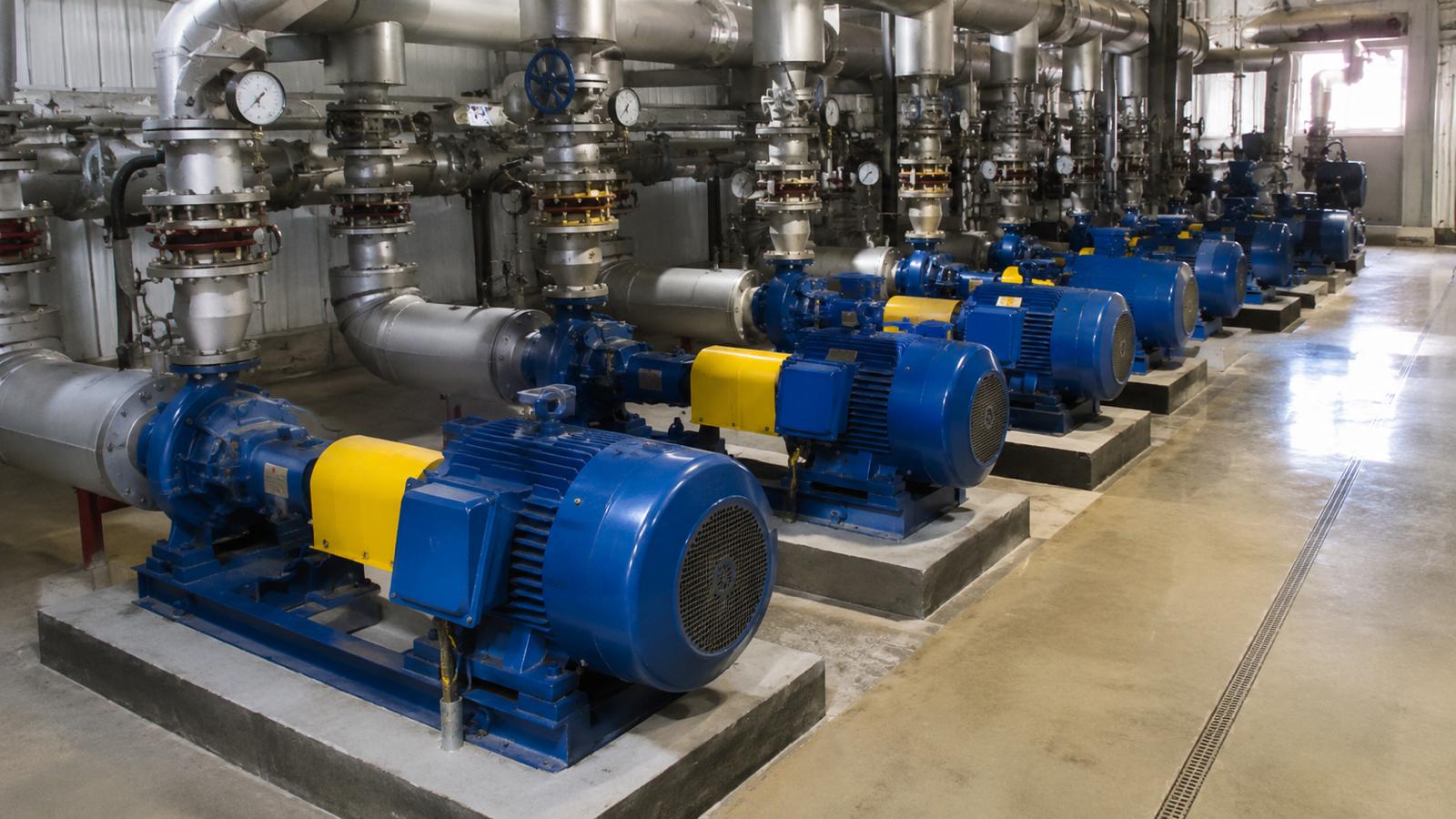
Stock, Supply and Manufacturer Assurance
In wastewater stations a motor failure creates overflow and hygiene risk, so downtime is critical. Therefore, when selecting a motor, spare-part availability and fast replacement are at least as important as technical parameters. The points you should evaluate on the manufacturer and supplier side are:
- Fast supply from stock: Keeping the most common power and speed combinations in stock prevents long plant downtime in case of failure.
- Equivalent replacement: Determining the correct motor with connection dimensions, shaft and flange compatibility suitable for the existing pump in the field.
- Clear quotation and lead time: Clarifying delivery time and technical documentation from the start in project-based bulk purchases.
- Manufacturer assurance: Clear quality certificates and warranty coverage for critical components such as windings, seals and bearings.
To plan the right motor together with your budget, you can request a quotation from our current elektrik motoru fiyatları page and learn the stock status according to your application's flow-head point.
Installation, Maintenance and Long Service Life
The life of a submersible motor is directly related to correct installation and regular maintenance. Making cable joints watertight, suspending the motor so that it does not sink into sludge at the bottom of the sump, and correctly adjusting level control are basic rules. The colour and level of the oil in the oil chamber should be checked periodically; if there is a sign of leakage, seal replacement should be planned. Insulation resistance (megger) measurement shows early whether moisture has entered the winding. In electrical connections exposed to septic gases, the gas tightness of the terminal box should also be inspected.
Another factor that facilitates maintenance is the documented nameplate information of the motor and pump. The power, speed, current and protection class on the nameplate ensure error-free matching when ordering a replacement motor. Selecting the correct motor from the nameplate when replacing an existing pump's motor eliminates time loss in the field and the risk of wrong ordering.
Panel, Cable and Electrical Protection
The reliability of a submersible wastewater motor depends not only on the motor itself but also on the panel and protection devices that feed it. In wastewater stations, panel components wear faster due to moisture, gases and splashing; therefore the contactor, thermal relay and fuse must be selected in correct proportion to the motor's rated current. Incorrect setting of the thermal relay either stops the plant by tripping unnecessarily or burns the winding by tripping too late. Since the motor's starting current is several times the rated current, the cable cross-section and protection devices must also be selected to meet these starting values.
- Phase protection relay: Phase loss or phase-sequence error causes reverse rotation and rapid winding failure in a submersible motor; a phase protection relay should be considered mandatory.
- Earth-leakage protection: If insulation weakens in a continuously wet environment, leakage current occurs; an earth-leakage relay of suitable sensitivity ensures personal safety.
- Thermal protection integration: The PTC or bimetallic contact in the winding must be correctly matched with the protection relay in the panel and tested.
- Dry-run interlock: Interlocking between the level sensor and the panel automatically stops the motor when the water level drops, eliminating burnout risk.
In lift stations with more than one pump, alternating operation of the pumps both balances the load and prevents a single motor from being continuously overstressed. In two-pump systems, one waits as standby while the other runs; at high-flow moments both engage. This operating mode extends motor life and simplifies maintenance planning. To see the cable, fuse and contactor calculation according to the correct rated current in detail, you can make use of the technical guides in our catalogue.
Spare Motor Strategy and Commissioning
On critical wastewater lines the best approach is to keep a spare motor on site or to secure a fast-supply guarantee from the supplier's stock. During commissioning, the direction of rotation should be briefly checked before lowering the motor underwater; in reverse rotation the pump does not deliver and the motor is stressed at no load. At first start the current values should be measured and compared with the nameplate value; if there is abnormally high current, impeller jamming or a foreign object should be investigated. Keeping commissioning records creates a valuable reference for future maintenance and warranty processes.
Frequently Asked Questions
What is the difference between a drainage pump motor and a sewage pump motor?
Drainage pumps handle less contaminated water with fine solids and mostly work with small-passage impellers. Sewage and foul-water pumps use vortex or single-channel impellers to pump fibrous, solid-laden wastewater; this requires higher torque and thermal capacity. On the motor side, the main difference appears in protection class, seal design and the selected speed. In sewage applications, a double mechanical seal and usually a 4-pole motor are preferred.
Which protection class is required for a submersible wastewater motor?
Submersible motors that run continuously underwater require at least IP68 sealing. For semi-submersible or dry above-sump mounting, solutions above IP55 can be considered. The seal system is as important as the protection class; a double mechanical seal with an oil chamber between them prevents the liquid from reaching the windings. In abrasive environments such as sewage, silicon carbide seal faces extend service life.
On what basis is the speed selected for a wastewater pump motor?
Speed selection is based on the pump's flow-head point and the solids content of the pumped liquid. A 2-pole motor is preferred for lightly contaminated drainage requiring high pressure, a 4-pole motor for sewage and general foul water, and a 6-pole motor for high-flow municipal lift stations. Lower speed reduces impeller and casing wear in abrasive liquid and eases solids passage. The speed decision should always be made together with the pump manufacturer's impeller curve.