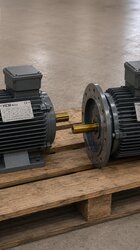
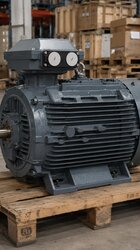
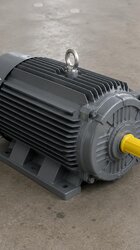
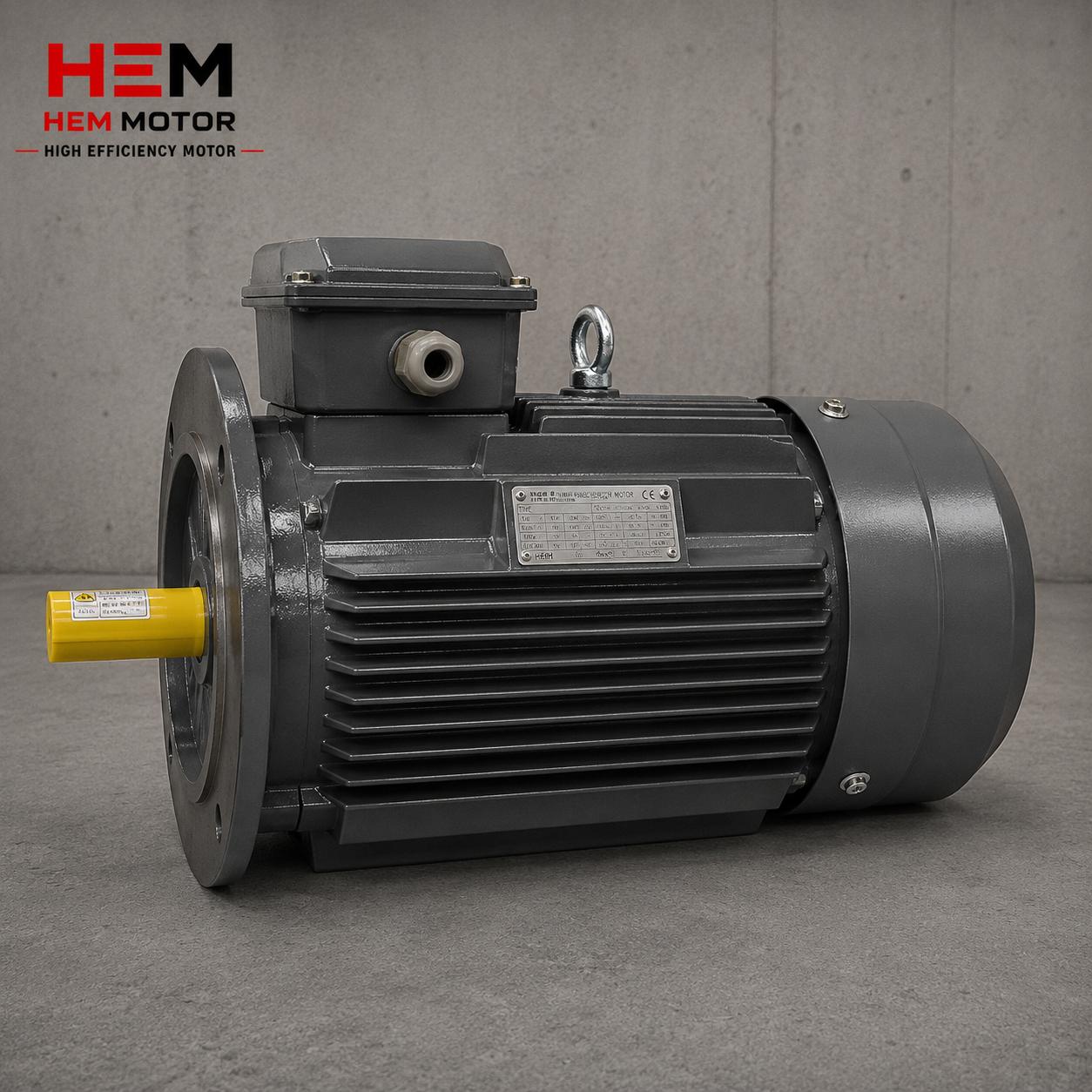
400 kW and 450 kW represent the top power class of the low-voltage asynchronous motor range. These powers are no longer a typical stock item but engineered project deliveries: roughly the 450 frame size, a heavy shaft and bearing structure, controlled starting via soft starter or auto-transformer, heavy transport and crane installation, and a careful commissioning process all planned together. In this guide we cover 400 and 450 kW ultra high-power electric motors from the angle of frame, starting, mechanical robustness, transport-installation and project-based lead time. For one band lower, our 315 kW project supply and 250 kW lead time and shipping plan provide the basis.

400 and 450 kW ultra high power electric motor 450 frame and project supply

400 and 450 kW: The Top Power Class

These powers are used in high-capacity crusher and mill drives, main process fans and aspirators, high-flow pump stations, long-haul belt conveyors and heavy industrial process equipment. The choice between 400 and 450 kW again depends on the load's real power demand; for the balance between capacity margin and oversizing see our load ratio and correct sizing. At this power, efficiency means very large energy cost; for the high-power savings threshold see IE5 investment payback above 132 kW and total cost of ownership (TCO).

2-Pole or 4-Pole?

In the 400-450 kW class, 4-pole (≈1500 rpm) is the most common choice; almost all crusher, mill and conveyor drives run at this speed. 2-pole (≈3000 rpm) is used for high-speed applications like large pumps and blowers, but rotor strength, balancing and critical-speed calculation are far more demanding at this power. For the pole-speed decision see our pole selection guide and for efficiency efficiency and pole count.

450 Frame, Shaft and Bearing Structure

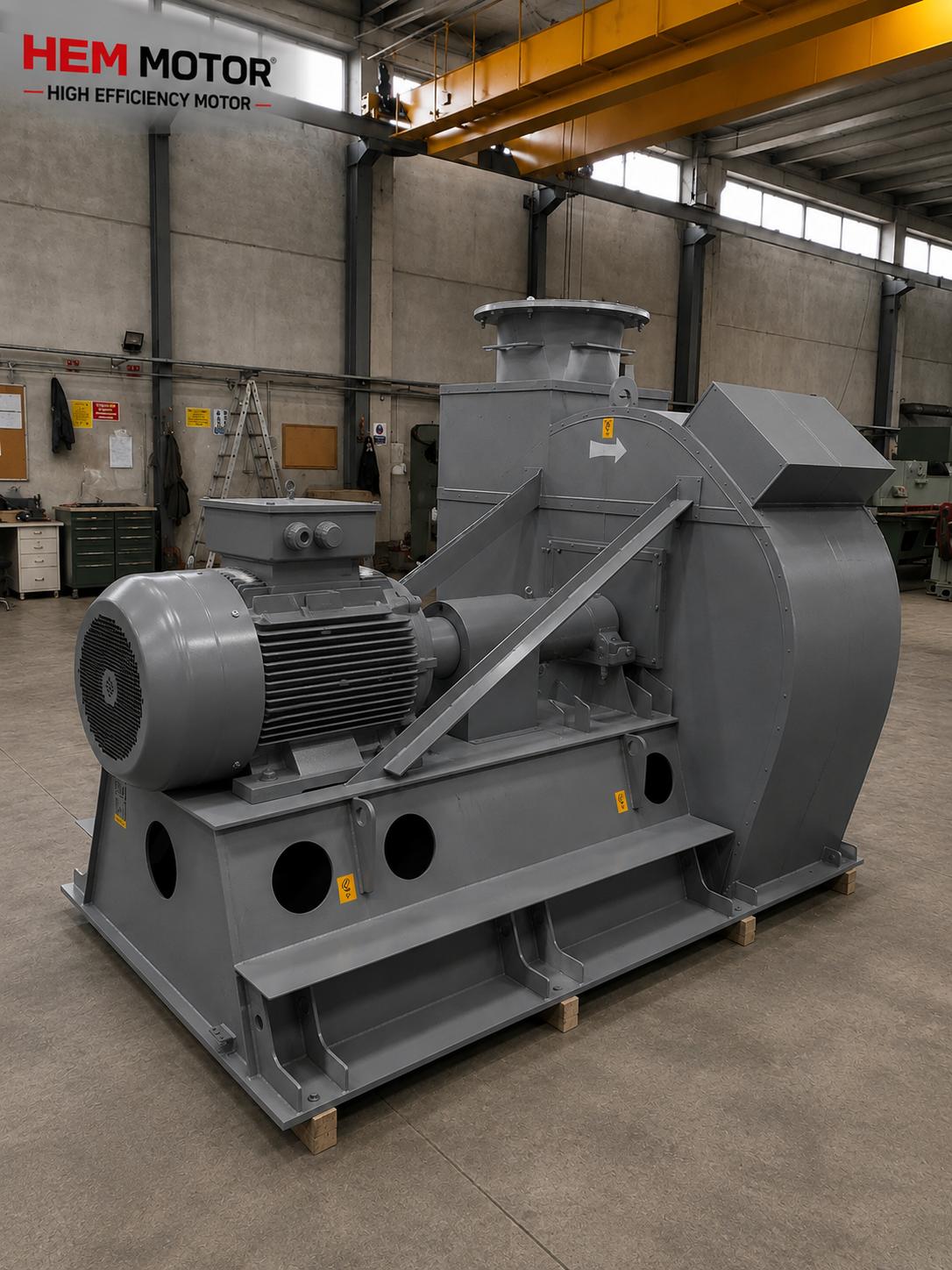
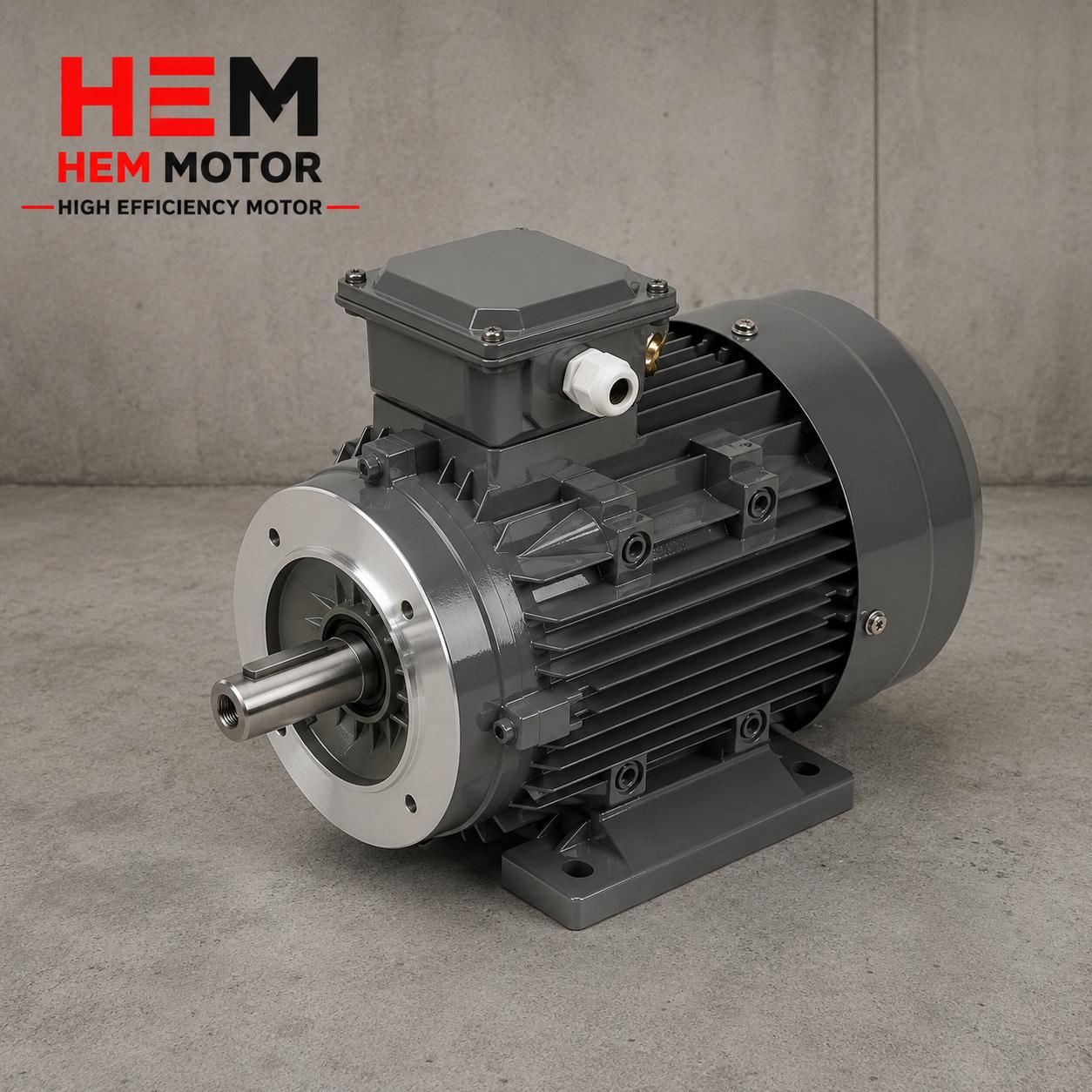
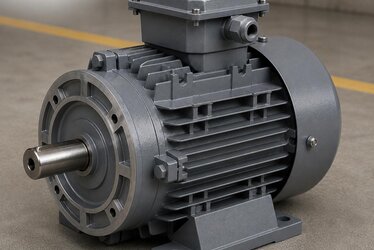
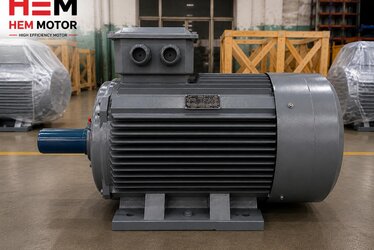
These powers are typically built in the 450 (and surrounding large) frame size. The body is cast iron, designed to withstand heavy mechanical loads, vibration and temperature. The shaft diameter grows, bearings are heavy-duty, and large 2-pole motors usually use an insulated bearing. For bearing type and life see bearing type, life and insulated bearing; for frame size, weight and handling see frame sizes and handling. For shaft-coupling fit our shaft diameter, key and coupling is important.

400 and 450 kW motor starting, heavy transport and crane installation

Starting: Soft Starter and Auto-Transformer

For 400-450 kW motors, direct-on-line starting is risky for both grid and motor, so controlled starting is mandatory. A soft starter is the most common solution; some projects use auto-transformer starting or a variable frequency drive (VFD). For a method comparison see star-delta vs softstarter, for the drive side VFD with asynchronous motor and for impact loads impact load motor, flywheel and inertia. At this power, 690 V connection is often preferred because it lowers current; see 690V connection selection.

Heavy Transport, Crane Installation and Commissioning

400-450 kW motors reach several tonnes; transport, unloading and installation must be planned from the start. An adequate-capacity crane, lifting lugs, a base frame and floor preparation are essential. To avoid damage in transit see our shipping damage checklist, and for long-distance shipping Anatolia shipping guide and supply to neighboring countries. In commissioning, alignment, rotation direction, winding temperature monitoring and first load tests are critical; see commissioning and first startup, PT100/thermistor temperature monitoring and rotation direction and phase sequence.

Commissioning Process: Step by Step

Commissioning a 400-450 kW motor is a meticulous process, and a skipped step can cause a severe failure. The typical flow is: first measure insulation resistance with a megger (it may have dropped due to moisture after long storage), then perform mechanical alignment (coupling/pulley), check rotation direction off-load, set the soft-starter ramp and thermal protection values, attempt the first start off-load or at partial load, and monitor winding/bearing temperatures with PT100. For insulation resistance and the megger test see insulation resistance and megger test, for general commissioning steps commissioning and first startup checklist and for temperature monitoring PT100/thermistor protection.

Renewal Decision: Rewind or New Motor?

In high-power motors, after a failure the question "rewind or new motor" is a critical cost decision. A rewind often looks cheaper, but efficiency can drop slightly with each rewind, and unplanned downtime is very expensive at high power. For the efficiency-loss and cost comparison see our rewind or buy new and, for the IE class specifically, rewinding an IE3 motor: efficiency loss and new purchase. Keeping a spare motor in stock at high power lets you make this decision without downtime pressure; see our critical spare motor list.

Terminal, Voltage and Electrical Connection

In 400-450 kW motors the electrical connection must be planned from the start. At this power, 690 V connection is often preferred because it carries the same power at lower current; this means thinner cable, smaller cross-section and a more economical installation. The terminal box must be designed for large-section cables and suitable glands. For bridging and voltage selection see terminal connection and voltage selection, for terminal box and cable connection terminal box and cable connection and for electrical safety grounding and electrical safety. Rotation direction and phase sequence must be checked at first run; our rotation direction and phase sequence explains this.

Bearing Maintenance, Lubrication and Periodic Checks

In this power class, bearing life and lubrication are the key to preventing unplanned downtime. In large motors the greasing interval and the right grease quantity must be planned per the manufacturer's instructions, using re-greasing nipples where provided. For bearing greasing and lubrication see bearing greasing and lubrication maintenance, for a periodic check schedule maintenance and periodic check schedule and to catch fault symptoms early fault symptoms and causes. Winding temperature monitoring (PT100) supports this maintenance with data.

Warranty, Service and Long-Term Storage

On an investment like 400-450 kW, the warranty scope and service network are an inseparable part of the purchase decision. What the warranty covers and what is out of scope should be clarified in advance. Our what the warranty covers and warranty and service network: 7 questions address this. For large motors kept as spares, long-term storage requires care over moisture, bearings and commissioning; see our storage and long-term standstill.

Efficiency and Energy Cost: Savings at High Power

When a 400-450 kW motor runs continuously, annual energy consumption is very high; so even a few points of efficiency difference mean large savings or losses over the years. The efficiency-class decision must be made on total cost of ownership, not purchase price alone; our total cost of ownership (TCO) and nameplate vs field efficiency difference explain this calculation. For the return on an IE5 investment at high power see IE5 payback above 132 kW and for the efficiency mandate efficiency mandate regulation. For reactive penalty and power factor effects our power factor and reactive penalty is useful.

Cooling, Protection and Derating

At this power, heat management is a critical engineering topic. Standard cooling is IC411; for heavy duty and hot environments options like IC416 (separately driven fan) can be considered. For cooling methods see cooling methods (IC411/IC416). High altitude and high ambient temperature lower the rated power; for the right derating calculation see high altitude and hot environment derating. On dusty sites, fin cleaning and the right IP choice extend life; see IP65/66 dust sealing and cooling fins and dirt buildup.

Accessories: PT100, Heater and Special Paint

On 400-450 kW motors some accessories are almost standard. PT100/PTC sensors to monitor winding and bearing temperature, an anti-condensation heater to prevent moisture condensation when the motor is stopped, and special paint/cataphoresis coating for corrosive or marine environments are frequently requested. For temperature monitoring see PT100 and thermistor protection, for corrosion coating paint and cataphoresis coating and for protection devices protection devices purchasing. The choice of these accessories also affects lead time.

Application Examples

400-450 kW is used in main mill and fan drives in cement and mining plants, large water stations, long-distance mine belt conveyors and heavy process equipment. For mine belt conveyors see long-distance mine belt conveyor motors, for cement cement factory motors and for motor protection in mining stone quarry and mine motor protection. For flywheel and inertia on crusher impact loads see our motor selection on impact loads.

Project-Based Lead Time and Supply

In this class, delivery is fully project-specific: the combination of power, pole, voltage, frame, mounting and accessories (PT100, anti-condensation heater, special paint) sets the lead time. For project planning see high-power supply above 90 kW and for one band lower 200 and 250 kW supply plan; for the stock-vs-production decision from stock or production order and for redundancy in sectors like mining supply contracts and critical stock. For protection in open-field and dusty environments our corrosion and open-field protection is important. For more resources visit our HEM Motor homepage, efficient electric motors and worm gear reducers pages.

Frequently Asked Questions

Is a 400-450 kW motor low voltage or high voltage?

These powers are still at the top of the low-voltage (400/690 V) asynchronous range; 690 V is often preferred at this power because it lowers current. See our 690V connection selection.

Which starting method suits this power?

Direct-on-line is not recommended; a soft starter is the most common solution, with auto-transformer or VFD used in some projects. Load character and grid capacity are decisive; see the starting comparison.

How long is delivery?

400-450 kW mostly enters a project schedule; the combination of power, voltage, frame and accessories sets the time. For an exact lead time, share the technical specification through our contact page.

Get a Quote

To quickly confirm the right power rating, pole/speed combination and lead time for your application, talk to our engineering team. Call us on +90 (532) 345 49 86 or open a request through our contact page. When you share the nameplate data, frame type and mounting arrangement, we return a clear quote and delivery schedule the same day.

400 / 450 kW Project Supply Checklist

  • Power: 400 kW or 450 kW (measured load + capacity margin)?
  • Pole/speed: mostly 4-pole (≈1500); 2-pole (≈3000) for special applications?
  • Voltage: 400 V or 690 V?
  • Frame: ~450; shaft diameter, bearing type (insulated?), weight?
  • Starting: soft starter, auto-transformer or VFD?
  • Accessories: PT100/PTC, anti-condensation heater, special paint/IP?
  • Transport, crane capacity, base frame and floor plan?
  • Commissioning: alignment, rotation direction, first load test, lead time?