English
 Türkçe

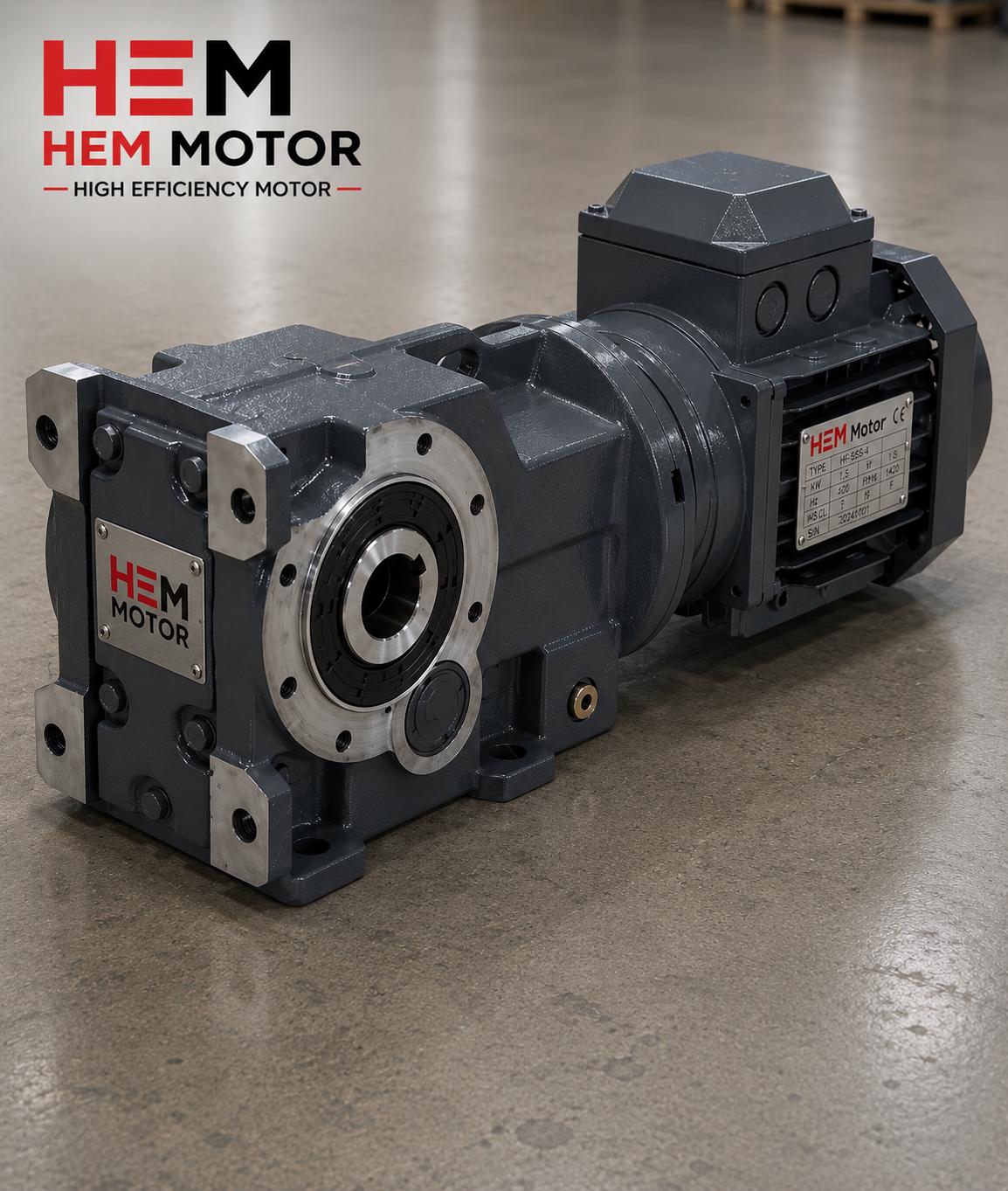

Water cannot always be used in mining and mineral processing. In sites with water scarcity, coal drying plants, dry beneficiation lines and recovery applications, dry separation methods come to the fore. One of the most common of these methods is the air table (pneumatic table) system, which separates grains of different densities using an air stream and a vibrating table. The drive motors of these plants work under both continuous vibration and heavy dust; moreover, every minute they are stopped is lost production. Therefore, selecting an air-table drive motor is a far more meticulous engineering decision than selecting an ordinary conveyor motor.
At HEM Motor, when we supply motors to mining and dusty facilities we base our work on the site's three main challenges: heavy dust, continuous vibration and a continuous heavy-duty regime. In this article we explain how a pneumatic table and dry separation drive motor suits these conditions and what you need to know for the right supply. For the mining range and current electric motor prices, you can look at our product pages.
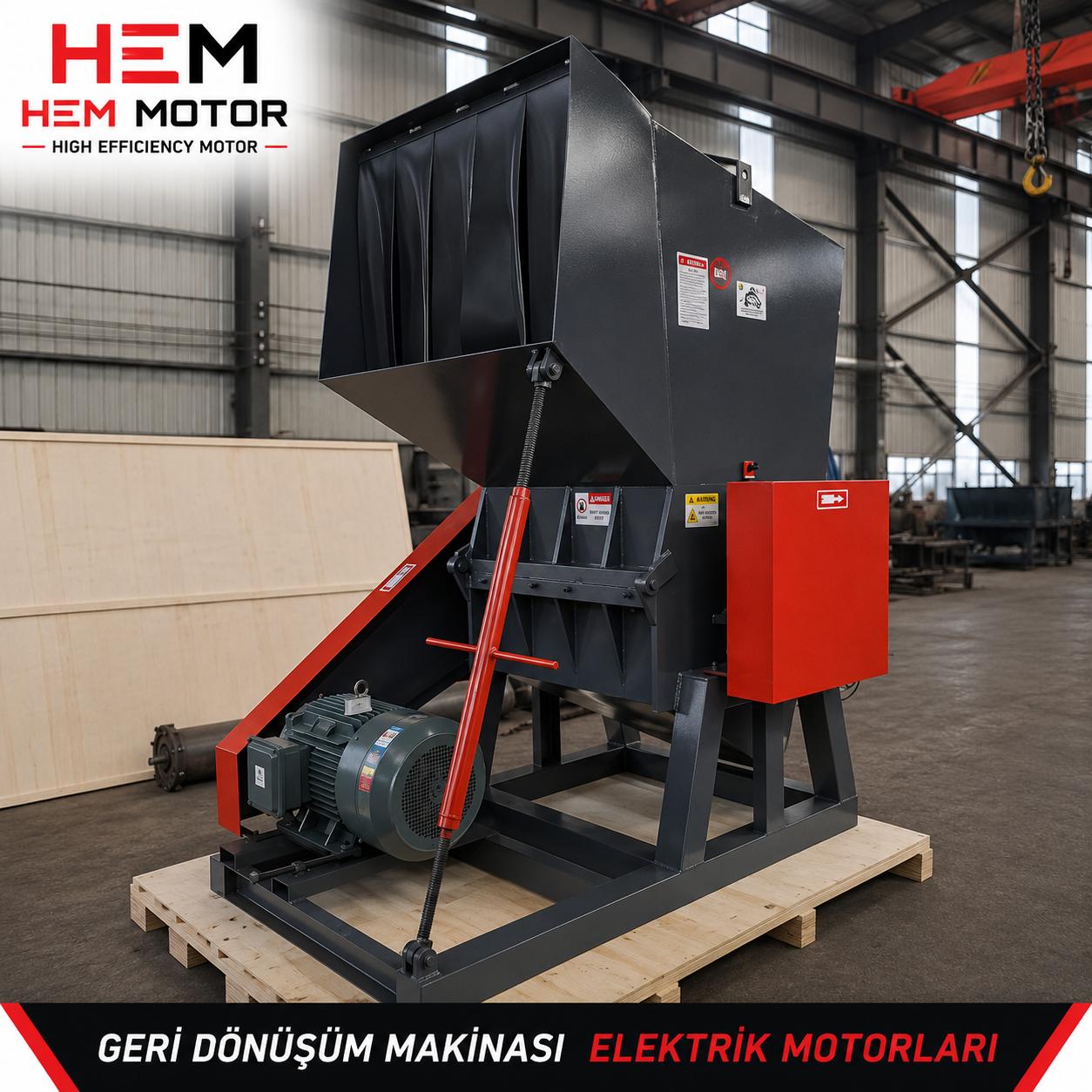
How Does a Pneumatic Air Table Work and What Does It Require from the Motor?
A pneumatic table separates grains by density by combining an inclined, vibrating surface with an air stream blown from below. The system typically has two separate drives: the drive that vibrates the table and the fan/blower motor that blows the air. Both face different challenges.
Vibrating Table Drive
The table's separation performance depends on vibration at the correct amplitude and frequency. This vibration is often obtained with unbalanced-mass (vibration) motors or via an eccentric mechanism from a drive motor. Since the motor itself runs under continuous vibration, its bearing structure and body rigidity are critically important. We address motor selection in vibrating feeder and bunker drives in our article on crusher feeder and bunker vibration motor selection.
Air-Blowing (Fan/Blower) Drive
The air stream that provides separation is produced by a fan or blower. This motor runs continuously, at constant load and mostly at high speed. We detail motor selection for high-flow air blowing in our article on centrifugal and turbo blower motor selection.
The Effect of Dusty Duty on the Motor
The most distinctive feature of a dry separation plant is that the environment is filled with heavy mineral dust. Dust is a triple threat to the motor: it causes overheating by covering the cooling surface, shortens bearing life where it infiltrates, and causes insulation damage if it reaches the windings.
- Protection class: A minimum of IP55 is expected in a dusty environment; in very fine and heavy dust, IP65/IP66 protection is preferred. We cover dust sealing and IP65/66 protection in crusher motors in our article on dust sealing and IP65/IP66 protection in crusher motors.
- Cooling surface: When the motor's fins and fan cover collect dust, cooling drops; periodic cleaning and a suitable body design are important.
- Oil seal and sealing: The seals at the shaft exit prevent dust from reaching the bearing. We explain sealing measures in our article on oil seal and sealing in cast iron motors.
Our article on motor protection at the stone quarry and mine site: dust, moisture and impact summarizes the whole picture of motor protection in a dusty site.
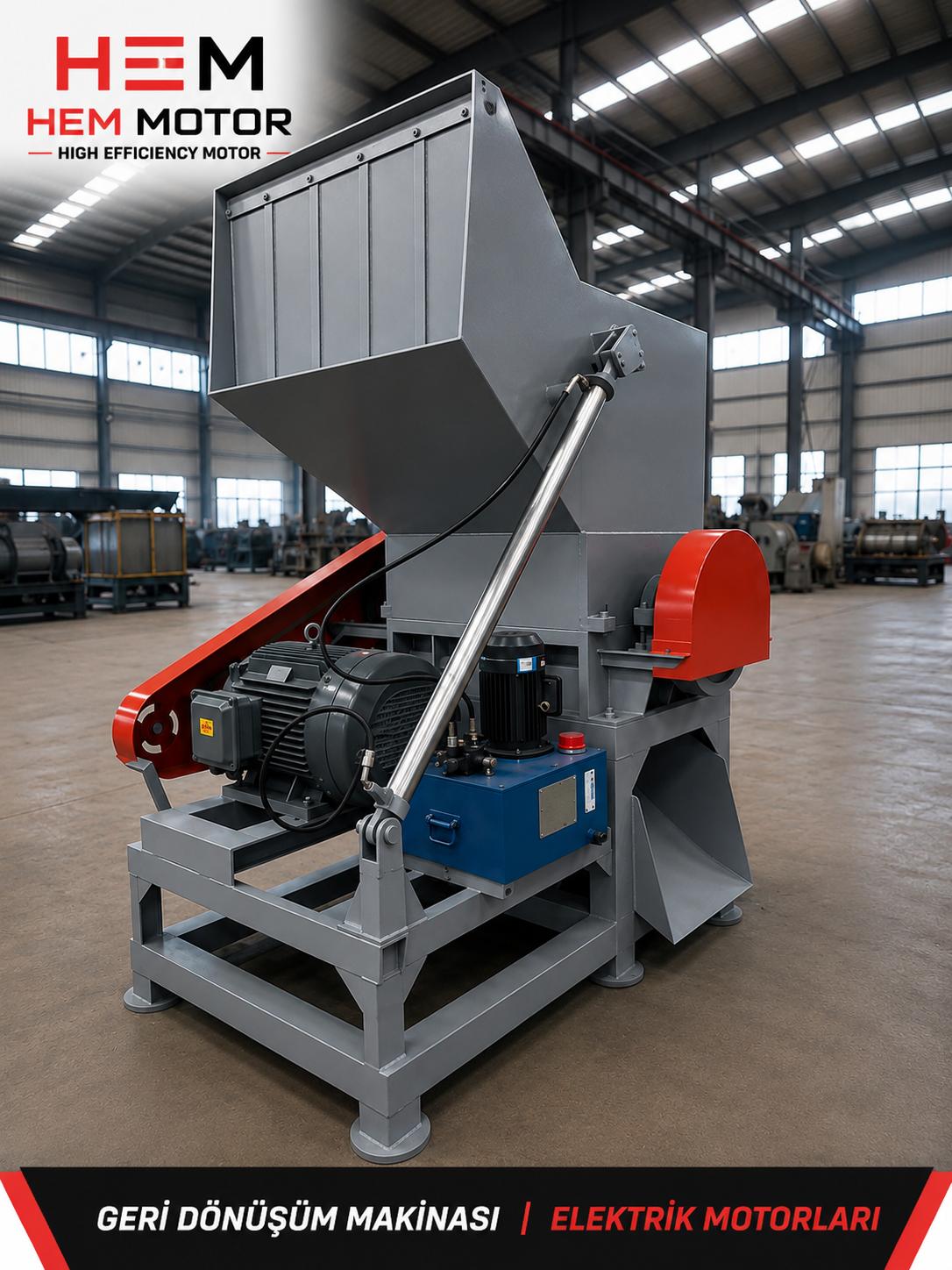
Durability Under Vibration
A pneumatic table drive motor runs in a continuous vibration environment. This stresses the motor's mechanical integrity. For a vibration-resistant selection, the following points are important:
- Rigid cast iron body: Cast iron is more durable than aluminum under vibration and impact. We explain the importance of body rigidity in our article on impact resistance and body rigidity in cast iron body motors.
- Reinforced bearing: Continuous vibration fatigues the bearing. A heavy-duty bearing and correct lubrication extend life.
- Tight connections: The terminal box, covers and bolts tend to loosen with vibration; vibration-resistant connections and regular inspection are required.
- Use of a vibration motor: If the vibration is produced directly by an unbalanced-mass motor, that motor must be a special product already designed for high vibration; a standard motor is not suitable for this duty.
Supply and Critical Spare Plan
When the dry separation line stops, the entire beneficiation chain stops. For this reason, air-table drive motors should be on the facility's critical spare list. At HEM Motor, in mining supply we prepare an exact equivalent based on the existing motor's nameplate data and offer stock and fast-supply options for critical powers. Our article on motor supply contracts in mining provides guidance for a mining motor inventory and contracted supply. You can review our mining-specific motor range on the mining sector electric motor page, and for stone-crushing applications on the stone crushing and screening plant motors page.
Cooling and the Continuous Full-Load Regime
Dry separation plants generally run at high capacity, without interruption. This means the motor runs continuously at full load (S1). Continuous full load requires the heat the motor produces to be continuously dissipated. Since cooling performance drops in a dusty environment, when these two factors combine the motor's risk of overheating increases.
- Thermal capacity: The motor must be selected for continuous full load (S1), not intermittent duty (S3); otherwise its life is shortened.
- Cooling method: In surface-cooled (IC411) motors, keeping the fan cover and fins clean is critical; in very dusty environments, external forced cooling may be required.
- Insulation class: In a hot and dusty environment, class H insulation instead of F provides a temperature margin and extends life.
We detail insulation-class selection in hot and dusty environments in our article on motor in a hot and dusty environment: insulation class (F/H) and cast iron body selection. Our article on motor cooling and overheating in a crusher plant covers cooling problems at continuous full load.
Starting and the Drive Train
The fan and blower drives in a dry separation line contain high-inertia impellers. As these impellers reach operating speed from rest, the motor draws high current. At high powers, a soft starter or star-delta is preferred over direct-on-line starting; this limits the starting current and mechanical shock, protecting both the motor and the drive train.
- Fan inertia: In large high-speed fans the starting time may lengthen; the motor's thermal capacity must handle this.
- Starting method: A soft starter reduces the starting current and grid impact; it is also advantageous against voltage fluctuations in a dusty site.
- Belt-pulley drive: Many air-table and fan drives use a belt-pulley; the correct pulley diameter and belt tension are important for both speed adjustment and motor load.
You can examine speed and pulley selection in belt-pulley drives in our article on V-belt-pulley drive in crushers.
Other Motorized Equipment in a Dry Separation Plant
A dry separation plant does not consist only of the pneumatic table; it includes a chain of motorized equipment that feeds, conveys and classifies the material. Each link of this chain must be supplied correctly for the table to work efficiently.
- Feeding and dosing drives: The vibrating feeders and screw conveyors that feed the material to the table regularly; smooth feeding directly affects separation quality.
- Belt conveyor motors: The drive motors of the belts that bring the raw material and convey the separated products, mostly running with geared motors.
- Screen and classifier motors: The vibration drives of the screens that pre-separate by grain size.
- Dust collection (filter) fan motors: The motors of the aspirator fans that draw and filter the dust in the environment; these are critical for both the facility's air quality and motor life.
We address the selection logic of belt conveyor drives in our article on motors other than the main crusher in a crushing-screening plant: screen, feeder and belt drive, and dust collection fan motors in our article on fan motor selection in aspirator and dust collection systems. Evaluating all this equipment as a single whole provides a consistent power band, a common spare strategy and faster failure response.
Bearing Life and Lubrication
In the dusty and vibrating dry separation environment, the most stressed part of the motor is the bearing. With insufficient sealing, dust reaches the bearing and acts abrasively; continuous vibration mechanically fatigues the bearing. When these two factors combine, the bearing becomes the most frequently failing component of the motor.
- Sealing: The oil seals and labyrinth sealing at the shaft exit prevent dust from reaching the bearing; this is especially important in a dusty site.
- Lubrication interval: In a harsh environment, the bearing lubrication interval should be shortened and a suitable grease type selected.
- Heavy-duty bearing: If vibration and impact are high, a reinforced or heavy-duty bearing should be preferred.
- Re-lubrication arrangement: In large motors, an external re-lubrication (grease nipple) feature makes maintenance easier.
We address the impact, dust and lubrication factors affecting bearing life in crusher and mill motors in detail in our article on bearing life in crusher and mill motors: impact, dust and lubrication. Our article on bearing type and life in asynchronous motors explains bearing type selection.
Replacing the Existing Motor Exactly
When a motor in a dry separation line fails, the only need is often the fast supply of an exact same motor. For this, the existing motor's nameplate data must be read correctly and conveyed completely. The basic information to read from the nameplate is:
- Power (kW) and speed (rpm) or pole count.
- Frame size (IEC frame), mounting type (B3/B5/B35) and shaft diameter.
- Voltage, frequency, current and connection (star/delta).
- Protection class (IP) and insulation class.
We explain exact-equivalent selection from the nameplate step by step in our article on avoid receiving the wrong motor: exact matching from nameplate data before ordering. We addressed emergency replacement scenarios in our article on when a conveyor belt motor fails: finding an emergency replacement motor.
Frequently Asked Questions
What protection class motor is needed for an air table (pneumatic table)?
Due to heavy mineral dust, a minimum of IP55 is expected; in very fine and heavy dust, IP65 or IP66 protection is preferred. In addition, the oil seals at the shaft exit must be of a quality that prevents dust from reaching the bearing, and the cooling surfaces should be cleaned regularly so they do not retain dust.
Can I use a standard motor in a vibration-producing table drive?
If the vibration is produced from a drive motor via an eccentric/mechanism, the motor must be vibration-resistant, with a rigid cast iron body and reinforced bearings. If the vibration is produced directly by an unbalanced-mass method, a vibration motor specially designed for this duty must be used; an ordinary general-purpose motor is not suitable for this application.
Should I stock the dry separation motor as a critical spare?
Yes. Since the entire beneficiation chain stops when the dry separation line stops, these motors should be on the critical spare list. When you send us the existing motor's nameplate data, we prepare an exact equivalent and create a supply plan with stock and fast-supply options for critical powers to minimize downtime.