English
 Türkçe

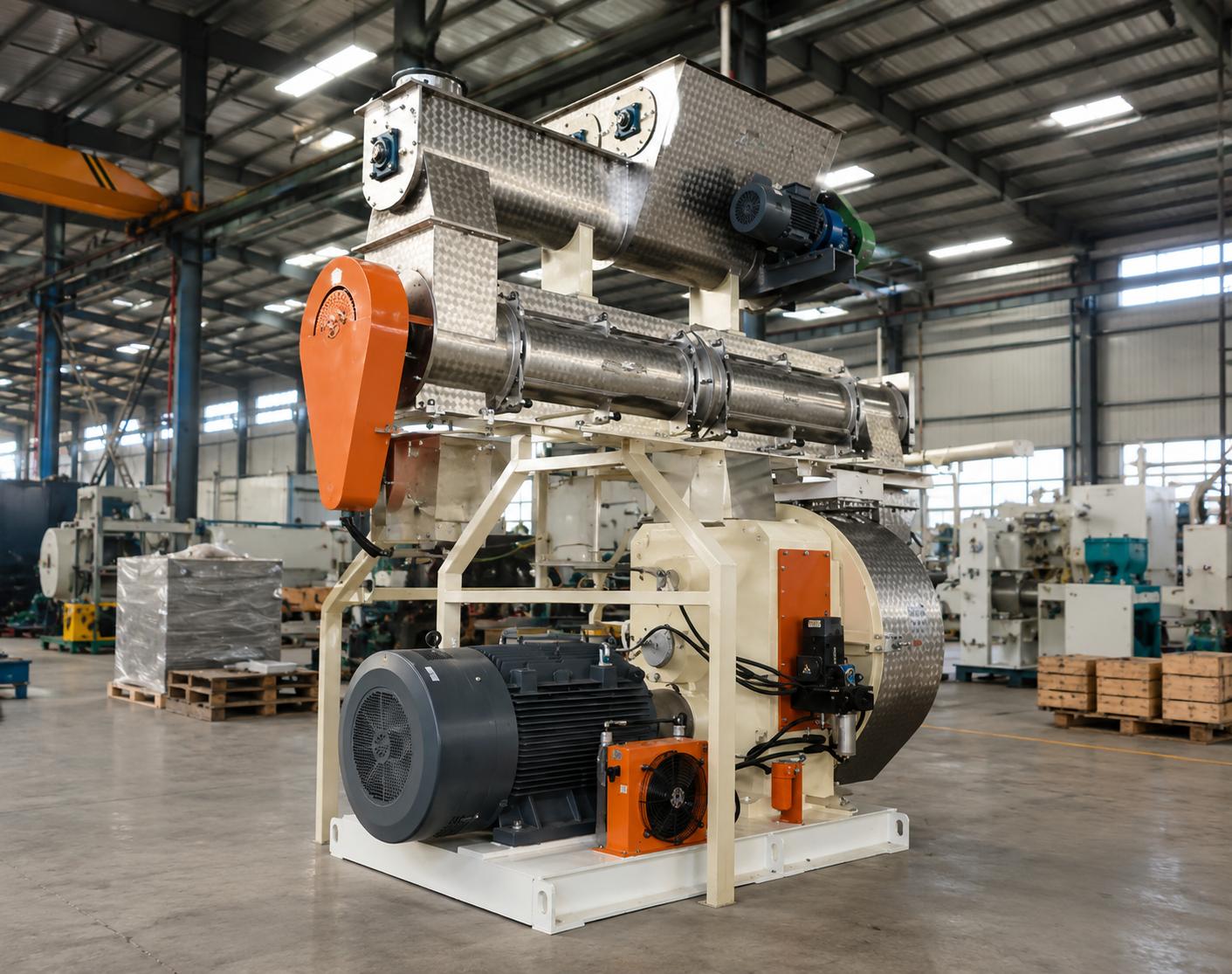

Crusher and mining plants are heavy-industry sites that generate intense dust at crushing, screening and transfer points. Controlling this dust is critical for environmental compliance, worker health and equipment life. The most common method of dust suppression is water mist, in other words misting (sisleme) systems. At the heart of these systems are two distinct motor families: the high-pressure pump motor that feeds the nozzle bank, and the fan motor that projects the fog cloud across the site. The correct motor selection directly determines the system's efficiency, uninterrupted operation and on-site durability. In this article we examine fan and pump motor selection for dust suppression misting systems in crusher and mining plants, covering the logic of water mist, continuous duty requirements, protection classes and correct power sizing from a manufacturer's perspective.
The Dust Problem in Crusher and Mining Plants and the Logic of Misting
On a crushing line driven by a crusher motor, material releases fine dust at every drop and impact point. The jaw crusher inlet, the secondary crusher outlet, oversize and undersize screen belts, transfer towers and stockpile discharge points are the main dust sources. The fine particles released into the air at these points reduce visibility and create a serious health risk as respirable dust. Dust also penetrates bearings, electrical panels and motors, causing faults and downtime.
The most effective dust suppression strategy is to weigh the dust down with water droplets at the source or the moment it disperses into the air, bringing it back to the ground. The key here is the size of the water droplet: the smaller the droplet and the closer it is in size to the dust particle, the higher the collision efficiency. This is exactly why atomized water mist is used instead of a simple spray jet. The fog cloud envelops the dust particles, precipitates them and cleans the air.
Two Basic Misting Approaches
- Fixed nozzle lines: Fine mist is sprayed from high-pressure nozzles positioned over transfer points and belt transitions. The core of the job here is the high-pressure pump and the motor driving it.
- Fog cannon: An axial fan projects atomized water as a fog cloud up to 20-100 meters, covering a wide area. The core of the job here is the fan motor, usually rotating on an oscillating turret.
- Hybrid systems: Many large plants use both pump-fed fixed lines and fog cannons together; in this case both motor families must be selected correctly.
High-Pressure Pump Motor Selection
The atomization quality of a misting system largely depends on pressure. Fine mist typically requires pressures of 40-70 bar and above; this pressure is provided by plunger (positive-displacement) pumps. These pumps demand high starting torque and run continuously through long shifts on site. Therefore, the motor driving the pump must both produce sufficient torque and be suitable for continuous duty operation.
The pump motor power is calculated based on the product of required pressure and flow. The number of nozzles and the flow of each are summed to find the system's total water demand; the pump is selected to provide this flow at the target pressure, and the motor is sized considering the pump shaft power together with the service factor. Oversizing the motor means wasted energy and unnecessary investment; undersizing causes pressure drop, insufficient atomization and motor burnout from overheating.
Features Required in a Pump Motor
- Continuous duty (S1): Motors running uninterrupted through a shift must have thermal load balance and adequate thermal margin.
- High starting torque: A torque curve suited to the loaded start of plunger pumps.
- High efficiency (IE3/IE4): On a motor running under continuous load, every efficiency point means significant energy savings at year-end.
- Robust cast iron body: A cast iron frame to absorb pump vibration and mechanical stress.
In a comprehensive plant project, keeping a spare motor in stock next to the pump station allows the line to be brought back online within hours in the event of a fault. Motors supplied with manufacturer assurance and site-appropriate protection become a planned investment at this point.
Fog Cannon Fan Motor Selection
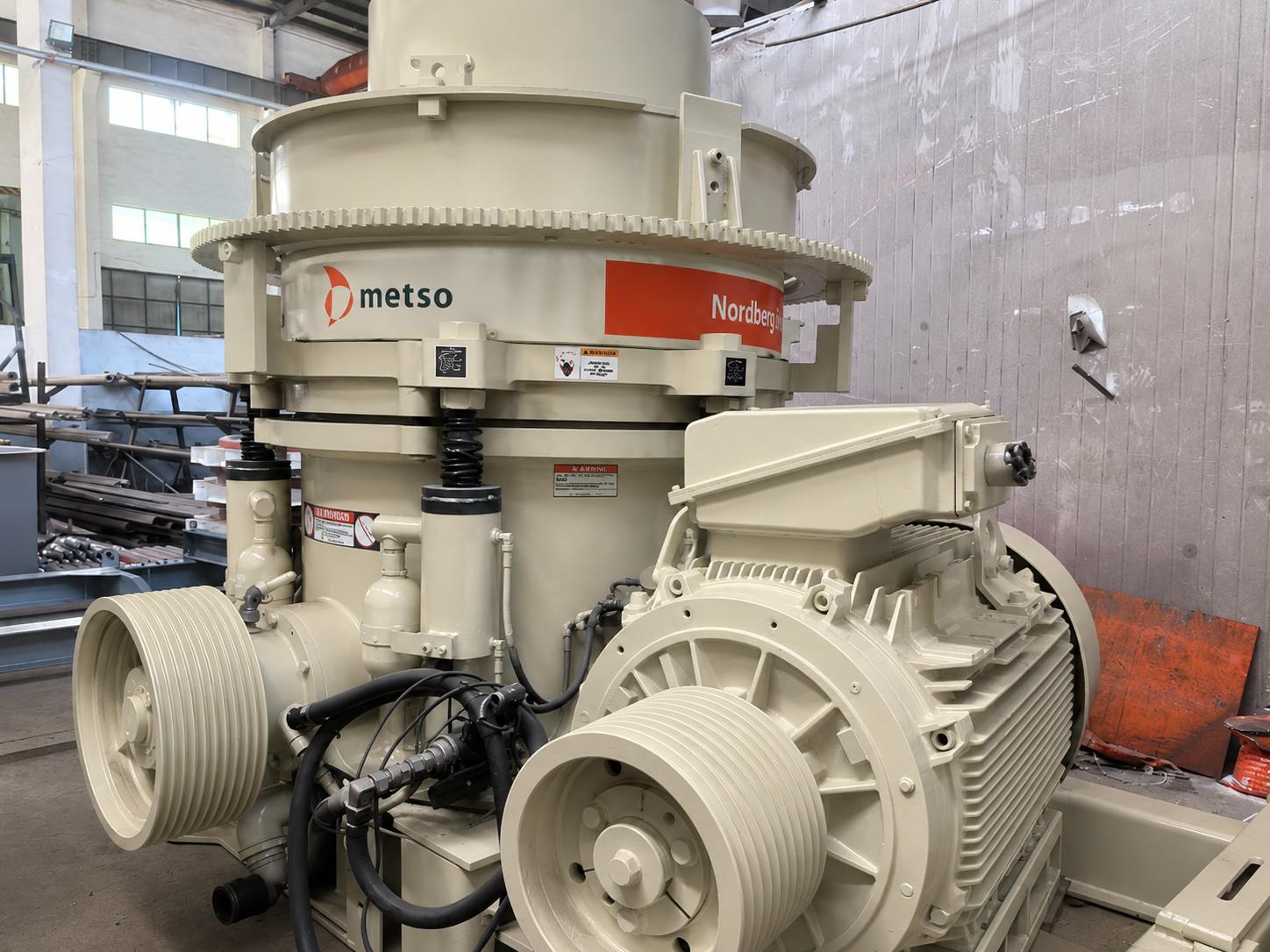
The most effective solution for wide-area dust suppression is the fog cannon. These units capture fine water droplets emerging from ring-shaped nozzles placed in front of an axial fan with the airflow and throw them far away. The result is a fog cloud covering hundreds of square meters. The fan motor that performs this blowing work is the component that directly determines the fog cannon's performance.
Fan motor selection is made based on the target airflow, throw distance and the area to be covered. Longer throw and wider coverage require higher airflow and therefore a more powerful motor. The fan is usually direct-coupled to the motor shaft; this eliminates belt-pulley losses and reduces maintenance needs. For fog cannons rotating on an oscillating turret, the motor must run stably under angular movement and varying load.
Points to Watch When Sizing the Fan Motor
- Airflow and throw distance: The coverage area is determined according to the site's dust map and wind direction, and the motor is selected accordingly.
- Water load: Water accumulating on the fan blades and hub can create imbalance and extra load; the motor must handle this with its thermal margin.
- Mounting form: B5/B35 is preferred in direct-coupled systems and B3 foot mounting in belt-pulley solutions.
- Vibration resistance: Reinforced bearings for the ground vibration of the crusher site and the fan's own dynamic load.
Fog cannon motors rotate right inside the water mist; therefore protection class and sealing are the most critical issue in this application. In fan motor selection, durability stands out as much as performance.
Dust and Water Together: The Correct Protection Class (IP)
A crusher and mining site harbors two enemies for the motor at the same time: abrasive fine dust and direct water spray. For this reason, protection class selection is critical. As a general rule, IP55 is accepted as the lower limit in these applications; however, for fog cannon and pump motors directly exposed to water mist and spray, upgrading to IP65 or IP66 protection is recommended.
IP65/IP66 protection provides complete dust sealing (first digit 6) and protection against powerful water jets (second digit 5/6). In a misting environment, rising to this level extends motor life many times over by preventing water and dust ingress into both bearing clearances and windings. Our guide on IP65/IP66 protection for dusty and wet environments offers comprehensive information on this subject.
Details That Complete the Protection Class
- Sealed terminal box: At points where water mist is dense, the cable glands and terminal box must absolutely be sealed.
- Oil seal and V-ring: Additional sealing elements at the shaft exit that prevent water and dust ingress.
- Anti-corrosion paint: Special coating on the body in constant contact with moisture and water.
- Sealed bearings: A sealed bearing choice that prevents dust from escaping into the bearing.
Fan Cowl and Cooling in a Dusty Environment
Dust is also a threat to the motor's own cooling fan and cowl. Dust sticking inside the cowl and between the fan blades reduces the cooling airflow and causes the motor to overheat. For this reason, the geometry and material of the fan cover gain importance on motors operating in a crusher site.
In environments with dense abrasive dust, the use of an anti-static fan cowl in dusty environments reduces static electricity buildup and therefore the adhesion of dust to the cowl. For details on the correct selection of the cowl and protection guard, our article on fan cowl and protection guard selection will also be a guide. A periodic cleaning plan complements these choices to maintain cooling performance.
Continuous Duty and Thermal Margin
Crusher plants usually run long shifts, even 16-24 hours a day. The dust suppression system must also remain continuously active as long as the line is running. For this reason, both pump and fan motors must be selected according to the continuous duty (S1) regime. Running a motor sized for a duty regime other than S1 continuously under load causes the thermal protection circuit to trip constantly or the winding to burn out.
High ambient temperature, insufficient ventilation and dust accumulation push the motor's actual thermal load above the theoretical value. It is therefore wise to leave a thermal margin suited to site conditions. F or H class insulation provides additional safety under high temperature and continuous load. The service factor should also be considered to handle sudden load increases (for example, sudden re-engagement after a belt jam).
Efficiency Pays Back in Continuous Operation
- IE3/IE4 efficiency: On a motor running 20 hours a day, every efficiency point cumulatively creates significant energy and cost savings.
- Low loss = low heat: An efficient motor heats up less, which increases thermal safety in a dusty environment.
- Long life: A motor with a correctly chosen thermal margin reduces the risk of sudden faults and downtime.
Power Supply and Starting on a Mining Site
On mining and quarry sites, the electrical supply is not always ideal. Long cable distances cause voltage drop; some sites are entirely generator-fed. Under these conditions, the motor must be tolerant of voltage fluctuations and frequency deviations. Otherwise, a motor drawing excessive current at low voltage overheats and is damaged.
The high inrush current drawn during the loaded start of plunger pumps and large fan motors can cause voltage collapse on generator-fed sites. To prevent this, using a soft starter or a suitable drive both limits the inrush current and reduces mechanical stress. These solutions also keep the generator stable under sudden load.
Crusher Vibration and Mechanical Durability
One of the most challenging aspects of a crusher site is constant ground vibration. The impact operation of crushers is reflected as vibration transmitted to the motor and shortens the life of standard bearings. For this reason, reinforced or high-load-class bearings should be preferred on motors used at these sites.
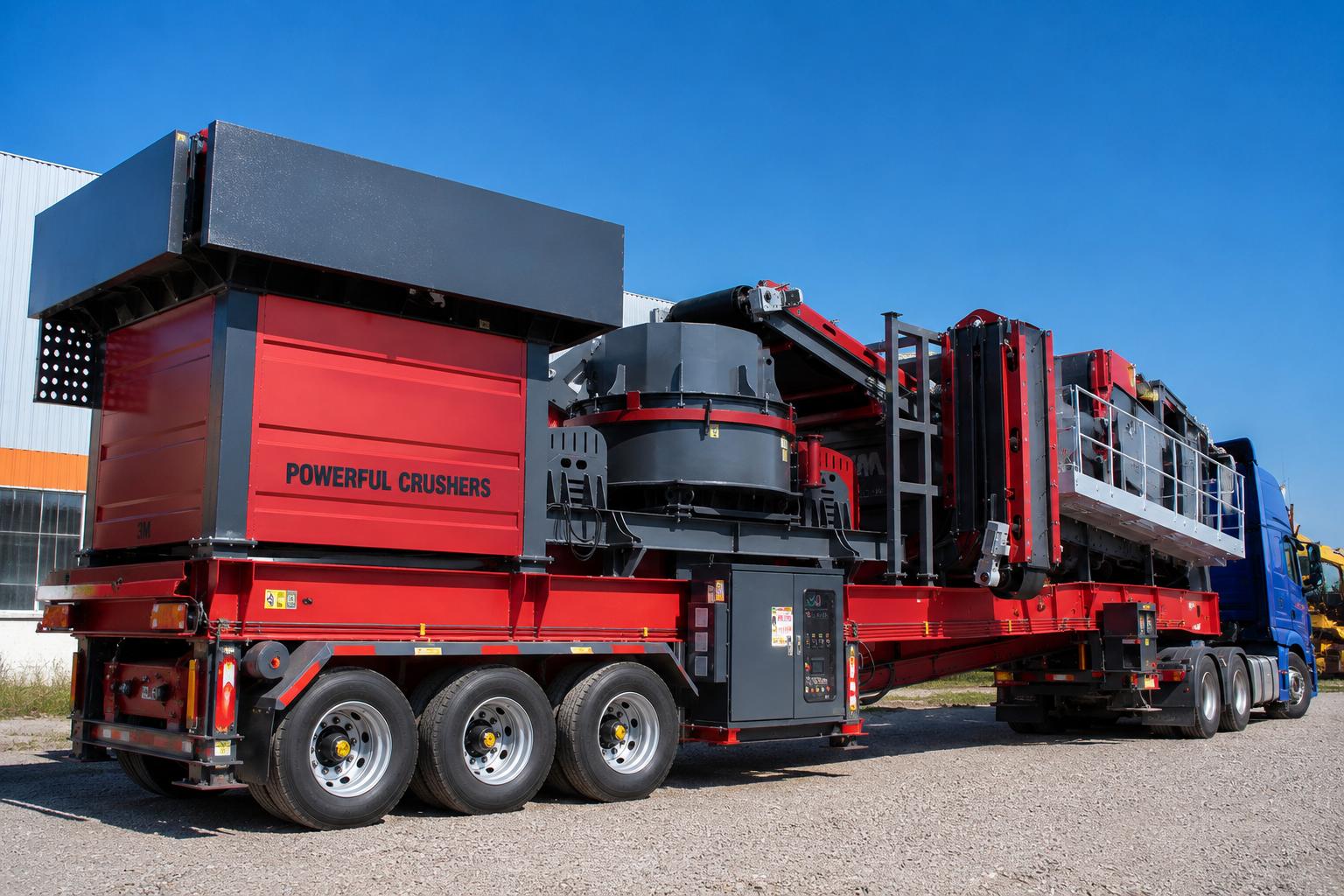
A cast iron body provides a clear advantage over an aluminum body in terms of vibration damping and mechanical durability. A solid foot connection, bolts tightened to the correct torque and vibration-damping mounts extend the motor's field life. Our stone crushing and screening plant motors designed directly for the crusher line are offered to meet these mechanical requirements. For a wider range of applications, mining sector electric motor options can also be evaluated.
Manufacturer Assurance, Stock and Quick Replacement
In crusher and mining plants, an unplanned stoppage creates a serious cost both in lost production and in dust regulation terms. For this reason, manufacturer assurance and spare-part access are decisive in the supply of dust suppression motors. As a manufacturer, we configure site-appropriate motors with cast iron bodies, IE3/IE4 efficiency, IP protection, sealed bearings, anti-corrosion coating and reinforced options on demand.
Keeping common power and speed ratings in stock allows the line to be brought back online within hours through quick replacement when a motor fails. This approach minimizes downtime risk on heavy-duty sites. For an accurate quotation, it is enough to share the target pressure and flow on the pump side, and the airflow, throw distance and duty regime on the fan side. You can submit your quotation request for general electric motor prices and configurations tailored to site conditions.
What You Should Prepare for an Accurate Quotation
- Target pressure (bar) and total flow (l/min or m3/hour) for the pump.
- Target airflow and throw distance for the fan / fog cannon.
- Duty regime: daily operating hours and number of shifts (is it S1 continuous).
- Site conditions: generator-fed or not, voltage, ambient temperature and dust density.
- Required protection class (IP55/IP65/IP66) and extra features (reinforced bearing, anti-corrosion).
Frequently Asked Questions
Which motor power should I select for a dust suppression mist pump?
The motor power is calculated based on the pressure and flow the pump must provide. The total water demand of the nozzles and the target atomization pressure are determined; the pump is selected to meet these values, and the motor is sized considering the pump shaft power together with the service factor. A thermal margin is left for the continuous duty regime. Oversizing the motor means wasted energy, while undersizing means insufficient water mist and overheating. For the most accurate result, it is recommended to request a quotation by sharing your pressure and flow values.
What IP protection is needed for a fan motor exposed to water mist and dust?
For a fan motor directly exposed to water mist and abrasive dust, IP55 is the lower limit; however, in fog cannon applications where spray is intense, moving up to IP65 or IP66 protection is strongly recommended. In addition, a sealed terminal box, oil seal, V-ring and sealed bearings together with anti-corrosion coating extend motor life by preventing water and dust ingress. As a manufacturer, we offer these configurations according to the site.
Does crusher vibration affect the motor, and how is it protected?
Yes, the constant impact operation of the crusher line is transmitted to the motor as vibration and shortens the life of standard bearings. To protect against this, reinforced or high-load-class bearings, vibration-damping mounts and a cast iron body are preferred. Cast iron damps vibration better than aluminum. Foot connections tightened to the correct torque and periodic inspection also extend the life of the crusher motor. With motors configured for heavy duty, this risk is minimized.