English
 Türkçe

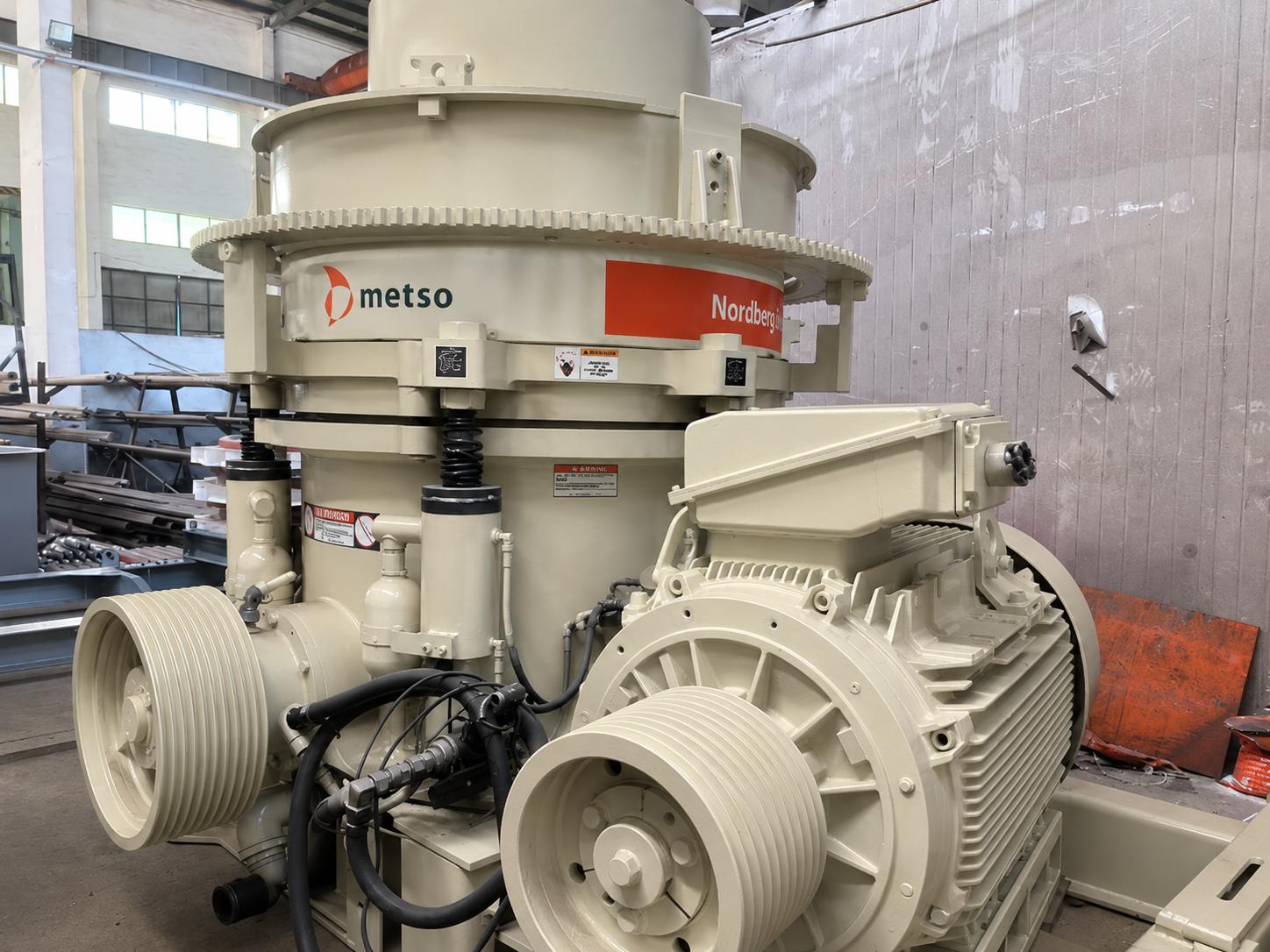

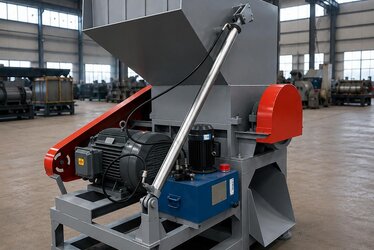
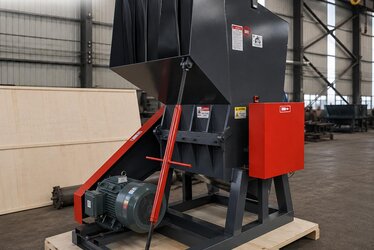
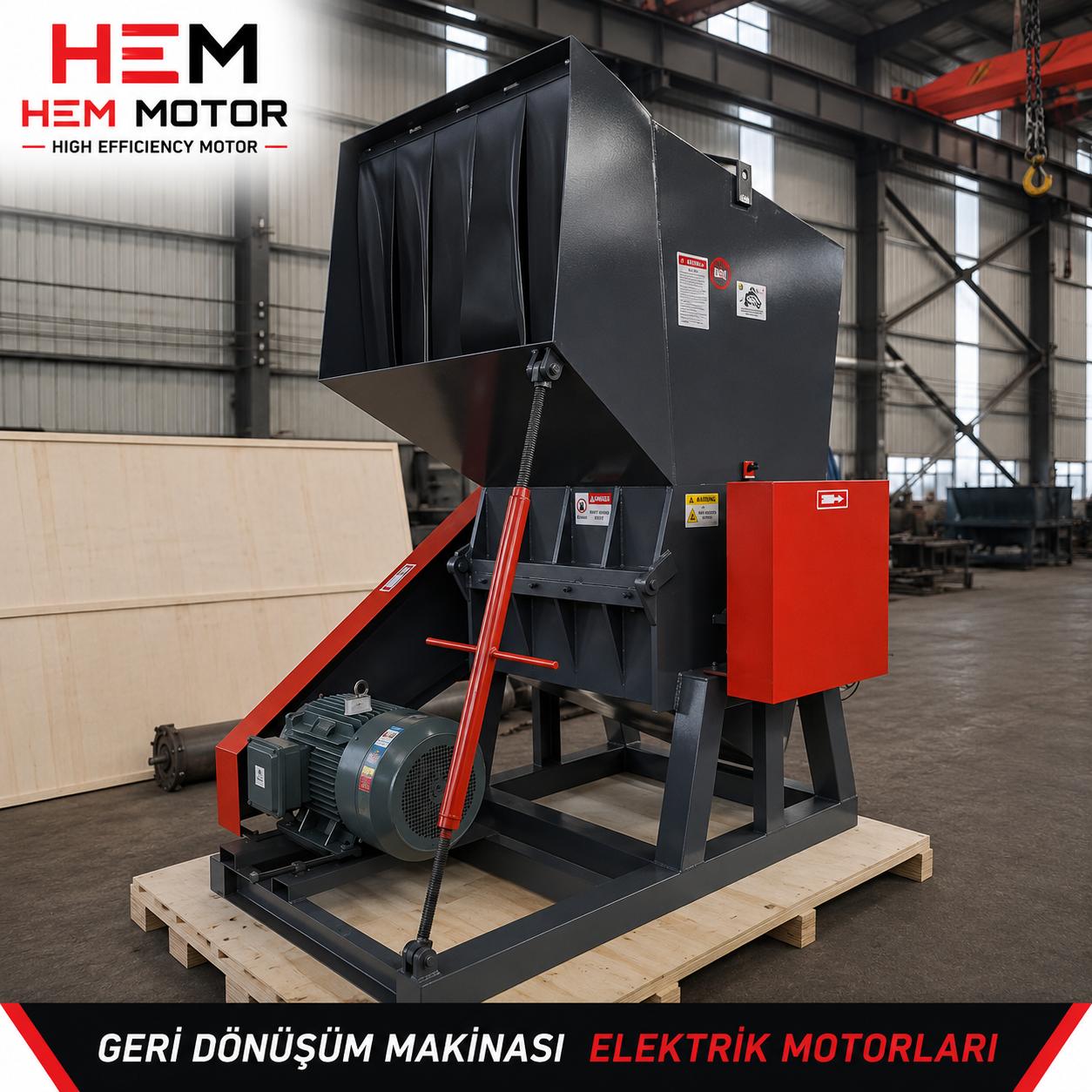
Double roll crushers are widely used for crushing coal, limestone, slag and medium-hardness ores, reducing material by crushing it between two counter-rotating cylinders. In crusher and mining plants, at the heart of these crushers is an electric motor that produces high torque and withstands impact load. A double roll crusher imposes extremely demanding operating conditions on the motor due to constantly changing feed load and sudden material inputs. Double roll crusher motor selection therefore requires far more careful engineering than selecting a standard industrial motor. In this article we address the high torque requirement, impact load management and the correct supply strategy.
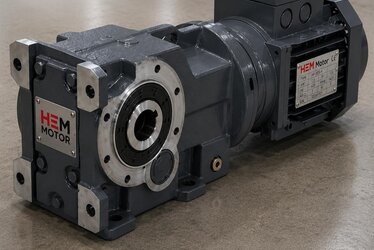
At HEM Motor, the cast iron bodied IE3 and IE4 class motors we manufacture are designed with reinforced bearing construction and high starting torque to withstand the heavy-duty conditions of stone-crushing and mining plants. In impact load applications such as a double roll crusher, not only the motor's rated power but its starting torque, inertia compatibility and thermal behaviour are decisive.
The Load Character of a Double Roll Crusher
In a double roll crusher, two cylinders take the material between them and crush it. Because the size and hardness of the feed material constantly change, the load the motor sees also fluctuates continuously. When a large, hard piece enters between the cylinders, the motor instantly demands high torque; when small or soft material enters, the load drops. This is a completely different, impact-driven and variable load character compared with the smooth load profile of a classic centrifugal pump or fan.
This load character directly tests the motor's starting torque and overload capacity. The motor must be able to handle sudden load increases without dropping its speed too much, and tolerate these impacts thermally. We address the effect of impact load on motor selection and the role of flywheel/inertia in detail in our motor selection under impact load, flywheel and inertia article.
Why Are Flywheel and Inertia Important?
In double roll crushers, a flywheel is generally used to smooth sudden impact loads. The flywheel transfers the kinetic energy stored in its rotating mass to the system at the moment of impact, easing the motor's load. This way the motor operates without being overstressed at each impact. However, the flywheel inertia also increases the inertia load the motor must overcome during starting; this lengthens the starting time and raises winding heating during start. Correct motor selection requires balancing impact management during operation against the inertia load during starting.
High Torque and Starting Torque
A double roll crusher can be restarted while there is material between the cylinders in the stationary state; this can mean the motor starts under load. Loaded starting requires high starting torque. For this reason, in crusher motors, selecting the appropriate torque class for the load is critical. A motor with low starting torque cannot move a loaded crusher or overheats during starting and triggers the protection.
- High starting torque: The motor's torque class must be selected to suit the load to guarantee loaded starting.
- Overload capacity: The motor must handle impact loads during operation without dropping its speed too much.
- Pole selection: For crushers requiring high torque and low speed, high-pole motors or geared drives are generally preferred.
- Starting method: A soft starter or star-delta may be suitable for managing high starting current; but torque loss in loaded starting must be watched.
Our asynchronous motor torque classes (Design N/H) and starting torque article explains how to select the torque class according to the load. The effect of the starting method on torque in a crusher motor is also detailed in our starting a crusher motor content.
Power Selection: Determining the kW Correctly
In a double roll crusher, motor power is determined not only by the capacity of the material to be crushed but also by the hardness of the material, the feed size and the desired output size. Two crushers operating at the same capacity can demand very different power if the material hardness differs. For this reason, in power selection, the harshest operating scenario must be taken into account alongside the crusher's nominal capacity. A motor selected at its limit drops its speed when the hardest material arrives, overheats and triggers the protection.
The right approach is to add a margin for impact and variability on top of the calculated average power. In impact load applications such as a double roll crusher, this margin is kept higher than in fixed-load applications. This way the motor is not strained during sudden load increases and operates with a long life. At HEM Motor, when you share the crusher's capacity, material type and operating regime, we can determine the most suitable power and frame together; this way we avoid both undersizing and oversizing.
The Risks of Oversizing
Some operations select an oversized motor to be safe against impact load. But oversizing brings its own problems: an oversized motor runs at low efficiency under low load, the power factor drops and unnecessary energy cost arises. In addition, an oversized motor brings higher inertia and higher starting current at start. So the right approach is neither at the limit nor oversized; a balanced power selection based on the application's real load profile.
Field Conditions: Dust, Moisture and Vibration
Mining and stone-crushing plants are among the most demanding environments for motors. Intense dust, moisture, continuous vibration and a wide temperature range test the motor's protection and mechanical strength. In a double roll crusher motor, the IP protection class and body material must be carefully chosen according to field conditions.
- Dust sealing: IP55 is standard in intensely dusty environments; for harsher conditions we recommend IP56 and above.
- Cast iron body: Provides high mechanical strength against impact and vibration; far safer than an aluminium body in field conditions.
- Reinforced bearing: Vibration and impact loads strain the bearing; a reinforced bearing structure is needed for heavy duty.
- Cooling: Dust clogging the cooling fan and fins causes the motor to overheat; regular cleaning and correct IP selection are essential.
Our dust sealing and IP protection in crusher motors article details dust sealing and IP protection selection. The strategy for protecting the motor against dust, moisture and impact is conveyed in our motor protection in stone quarries and mine sites content.
Drive Method: Direct, Belt-Pulley or Geared
How the motor transfers motion to the cylinders in a double roll crusher determines the drive method and therefore motor selection. The most common methods are belt-pulley, coupling and geared drive. Each method has different effects on the motor.
- Belt-pulley drive: Makes it easier to adjust the speed ratio and smooths sudden impacts somewhat through the belt; however, belt tension imposes a radial load on the motor's shaft and bearings.
- Coupling (direct) drive: The method with the lowest efficiency loss, but impacts reflect directly onto the motor; therefore the motor's overload capacity must be high.
- Geared drive: In crushers requiring high torque and low speed, the gearbox reduces speed and increases torque; in this case the motor can run at a higher speed and lower torque.
The drive method also determines the motor's frame and mounting type. In belt-pulley, reinforced bearings are important due to the radial load; in geared drive, the motor may need to be flange-connected to the gearbox. For this reason, when selecting a double roll crusher motor, the drive method must be clarified from the outset. To evaluate the motor needs of the entire crushing plant, our screen, feeder and belt drive motors in a crushing-screening plant article offers a holistic view.
Correct Supply and Downtime Cost
In a crushing-screening plant, the failure of the crusher motor means the entire line stops. In mining and stone-crushing operations, downtime can mean direct production loss and contractual penalties. For this reason, in double roll crusher motor supply, fast procurement and a backup strategy are as decisive as the correct technical selection.
- Spare motor: On critical crusher lines, a spare motor or critical spare-part stock reduces downtime risk.
- Equivalent selection from the nameplate: If you are replacing an existing motor, we can quickly match an equivalent motor using the power, speed, frame and mounting information on the nameplate.
- Stock delivery: By keeping heavy-duty motors in stock, we aim to bring the line back up as quickly as possible in case of failure.
- Commissioning: Alignment, vibration checking and first-run support are important for the long life of the crusher motor.
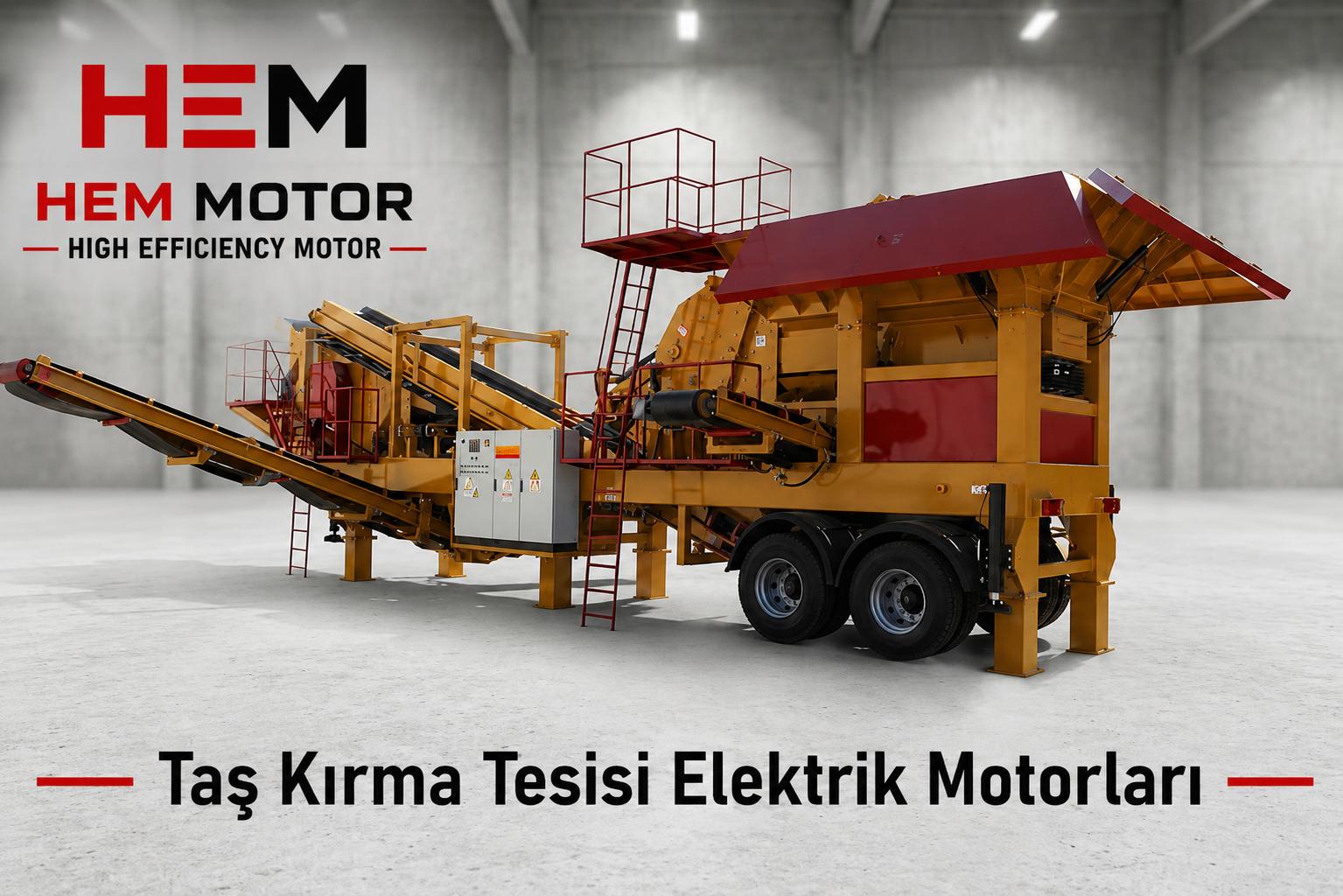
At HEM Motor we offer cast iron bodied, high-torque, heavy-duty motors for stone-crushing and mining plants in our stone-crushing and screening plant motors product family. To select the crusher motor's kW according to crusher type, our crusher motor kW selection article guides you. For current electric motor prices, stock and lead time, our quotation process responds quickly.
Frequently Asked Questions
Why is high torque important in a double roll crusher motor?
A double roll crusher can be restarted while there is material between the cylinders; this loaded start requires high starting torque. In addition, large and hard pieces create sudden load increases during operation. For the motor to handle these impacts without dropping its speed too much, it must have sufficient overload capacity and a torque class suited to the load. A low-torque motor cannot move a loaded crusher or overheats and stops.
Which IP protection class is needed in a double roll crusher motor?
Mining and stone-crushing plants are intensely dusty and humid environments. In these conditions IP55 protection is standard; in harsher, continuously dusty sites we recommend IP56 and above. Dust can overheat the motor by clogging the cooling fan and body fins; therefore correct IP selection and regular cleaning are critical. A cast iron body is far safer against impact and vibration in field conditions.
How can I reduce downtime cost in a crusher motor failure?
A crusher motor failure stops the entire line and causes direct production loss in mining/stone-crushing operations. The most effective way to reduce downtime risk is to keep a spare motor or critical spare parts on critical lines. When replacing an existing motor, quickly matching an equivalent motor using the nameplate information brings the line back up rapidly. By keeping heavy-duty motors in stock, we aim to provide fast supply in case of failure.