English
 Türkçe


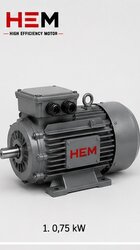
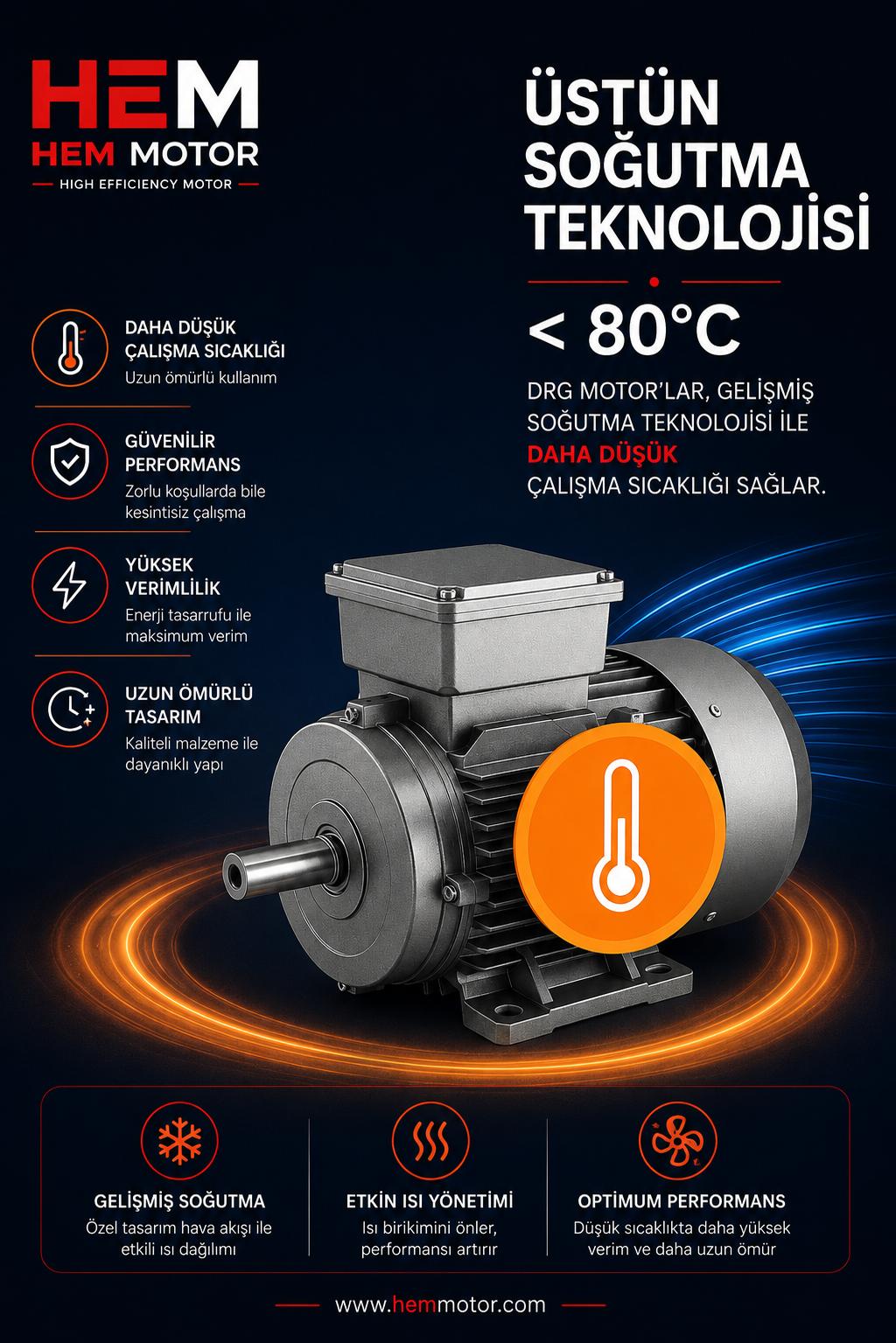

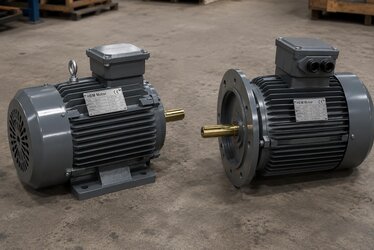
If the cast iron body of your industrial electric motors collects a little more dirt every shift and the motor runs hotter as a result, this guide is written directly for your purchasing and maintenance decision. Dust, oil and fiber packed between the cooling fins reduce the motor's ability to shed heat; winding temperature rises, bearing life shortens and the risk of unplanned downtime grows. At HEM Motor, we have gathered the cooling fin design, the correct cleaning interval and the measures against overheating for the IE3 and IE4 cast iron body motors we ship from stock into a single buyer's guide. The goal is to help you choose the right motor and keep it running for years in the field. A motor that fails and stops your line usually does so not from one big event, but from small neglected details that build up unnoticed; fin fouling is at the top of that list.
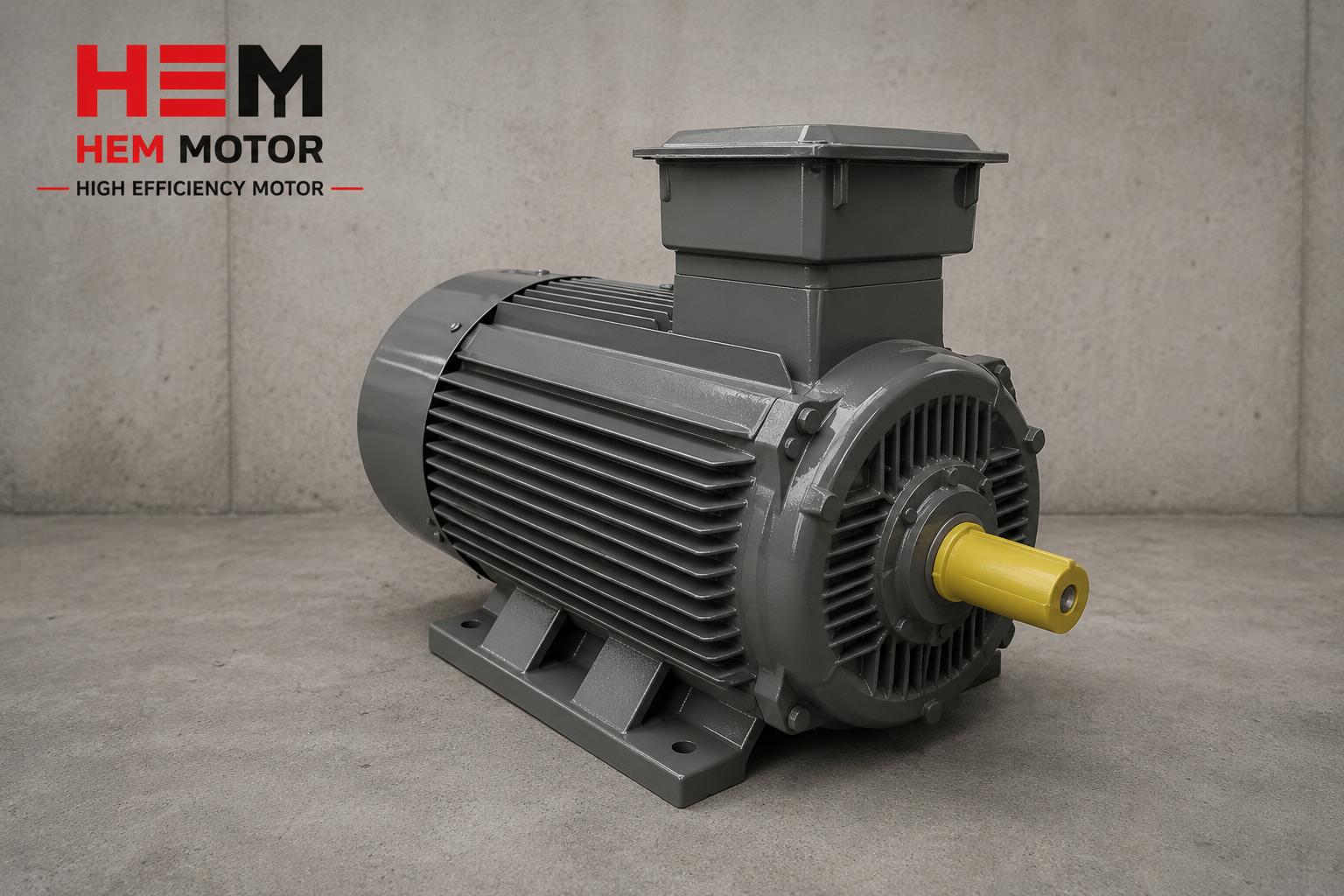
The Role of Cooling Fins on a Cast Iron Body
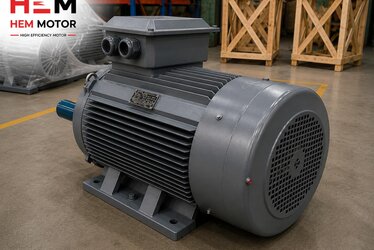
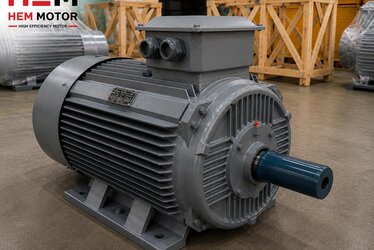
Standard industrial asynchronous motors are cooled by a surface method known as IC411: a fan on the shaft end draws air from the rear of the motor and blows it along the fins on the cast iron body, carrying away the heat generated in the windings. The longitudinal fins on the body are therefore not decorative; they form a functional radiator that multiplies the heat dissipating surface. The depth, count and channel width of the fins are designed to reject the heat the motor produces while running continuously (S1 duty) at rated power. When that balance is upset, that is, when the channel narrows, the motor begins to run hotter at the same load.
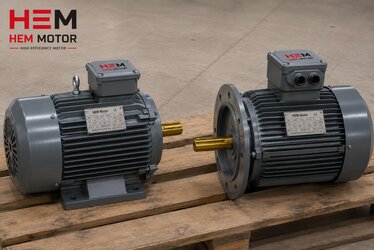
Cast iron has a high thermal mass and absorbs sudden temperature swings more evenly than aluminium, which is why body selection shifts toward cast iron in shock-loaded and dusty applications. A cast iron body is also mechanically more rigid; in vibrating environments the risk of fins cracking or breaking is low. Our cast iron body motors are offered with IP55 protection and class F insulation across a 0.55 kW to 355 kW power range with 1000 / 1500 / 3000 rpm speed options. Class F insulation provides high temperature endurance, but that endurance only counts while the fins are clean and the air channel is open. When the fins clog, the temperature class stamped on the nameplate is effectively pulled down. For details on body and mounting options, see our electric motor mounting types page.
How IC411 Surface Cooling Works
Each digit in the IC411 code carries meaning: an enclosed motor, a shaft-driven fan and heat rejection from the body surface to the surroundings. The system is simple and easy to maintain, but it depends entirely on the cleanliness of the outer surface. Because the cooling fan is bolted to the motor shaft, when the motor runs at low speed the airflow it produces also drops; for this reason fin cleaning becomes even more critical in low-speed or frequently stopping applications. Unlike internally ventilated (IC416) designs, the cooling happens outside the motor, that is, on your site; in IC416 motors the air channels run inside the body, so the effect of dust is managed differently. Our IC411 and IC416 cooling methods article is the right starting point for the comparison.
How Dirt Build-up Affects Temperature and Life
A dust layer packed between the cooling fins acts as a thermal insulator. Even a thin film of dust visibly lowers fin efficiency; on feed, flour and woodworking lines, fiber and moisture combine into a hardened crust. Under this crust the body temperature climbs, the air inlet at the fan cover blocks, and the motor runs as if wrapped in a blanket. The fouling is not a one-way problem either: a hotter motor holds the oil and moisture around it more readily, so build-up accelerates into a self-feeding cycle.
Every rise in winding temperature shortens insulation life. In engineering practice, a sustained temperature above the permitted limit significantly reduces the expected life of the insulation; this means even a permanent rise of a few degrees can make a meaningful difference over the years. The same heat thins the grease film inside the bearing, leading to early bearing fatigue. So fin fouling threatens not only the winding but also the mechanical parts. For the symptoms and causes of overheating, use the checklist in our electric motor failures, symptoms and causes article. For the correct insulation and body choice in dusty, hot environments, our insulation class in hot and dusty environments content directly supports your purchasing decision.
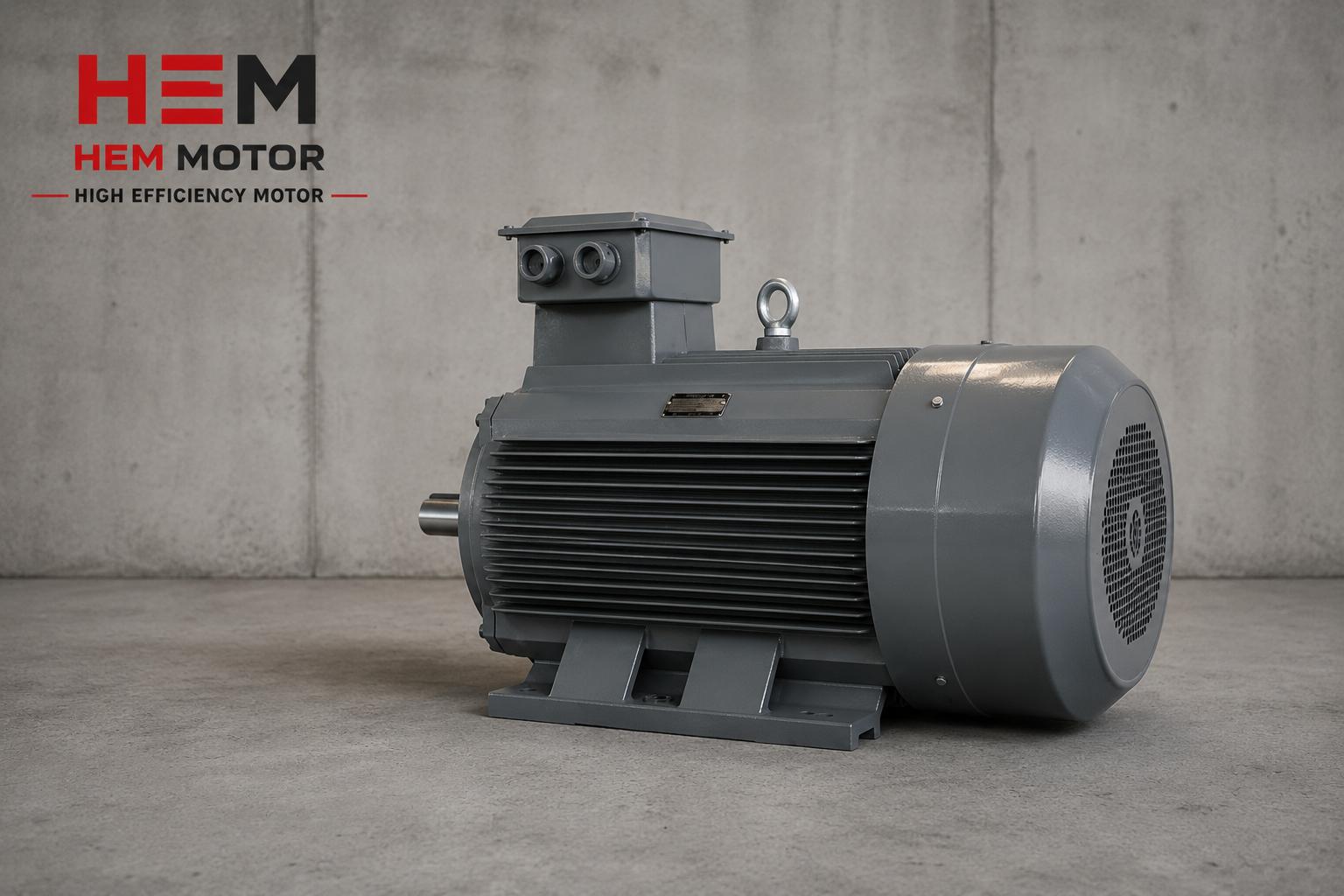
Early Warning Signs of Overheating
A body too hot to touch, discoloration around the fan cover, blistering paint and oil seal leakage all point to a heat problem caused by clogged fins. These signs usually develop slowly over a few weeks, which is why regular visual inspection gives you a chance to act early. Another practical indicator is the current the motor draws at the same load rising over time; the resistance of the heated winding changes and efficiency falls. To protect the oil seal and sealing in a dusty environment, our cast iron motor oil seal and sealing article is complementary. For plants that want to track temperature by measurement rather than guesswork, we covered PT100 and PTC thermistor solutions in our motor winding temperature monitoring article; these sensors warn you before the motor is damaged when the fins clog.
Periodic Cleaning: How Often and How?
The cleaning interval is set by the type and concentration of dust. While a clean workshop may go months, a quarry or feed line needs weekly visual checks and regular cleaning. A practical approach is to apply compressed air between the fins when the motor is stopped, remove crusted build-up with a soft brush, and always keep the air inlet grille of the fan cover open. High-pressure water should be applied along the fins and outward, never toward the terminal box or oil seal; otherwise, despite the IP55 rating, moisture can be carried inside. Cleaning should be written into the schedule as a separate maintenance item, and which motor was cleaned and when should be recorded; this way problem points emerge over time.
- Never clean without isolating the motor; lockout and tagout are mandatory.
- Clean the fin gaps and fan cover grille with compressed air.
- Remove hardened crust with a soft brush; a metal scraper damages the paint.
- Check the air inlet direction; if the motor sits too close to a wall, leave room for circulation.
- Touch up any paint damage before corrosion starts.
- After cleaning, observe the body temperature again on the next shift and confirm the improvement.
Protecting the paint and cataphoresis coating against corrosion is as important as cleaning; for detail, see our cast iron motor paint and cataphoresis coating article. On motors working outdoors, corrosion and dirt must be assessed together; cast iron motor corrosion and open field use is complementary here. For plants that want to plan periodic maintenance holistically, our general electric motor maintenance and periodic check schedule article offers a framework.
Mounting Position and Airflow
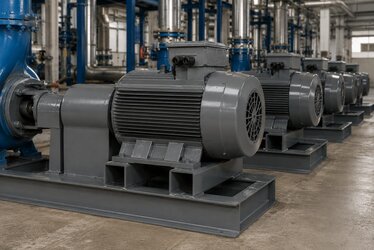
The placement of the motor matters as much as fin cleaning. When a motor is mounted too close to a wall, another piece of equipment or a panel, the air drawn by the fan is already warm and cooling efficiency drops. When buying a new motor or planning a layout, leaving at least a body diameter of clearance behind the fan cover is a good rule. If the motor must sit inside an enclosure or closed cabinet, forced ventilation should be added to the cabinet and the intake air kept clean. When several motors run side by side, take care that the hot air leaving one fan cover does not feed the intake of the next; otherwise each motor in the row runs hotter than the one before. For the right frame size and power match, our cast iron motor frame size and power matching article makes selection from stock easier.
The Right Method and Tools for Cleaning
A common field mistake is using hard metal tools to clean the fin gaps. A metal scraper scratches the paint; corrosion starts at the scratch and the problem grows. The correct approach is to first remove loose dust with dry compressed air, then, if needed, dissolve the oil-dust crust with a soft nylon brush and a suitable cleaner. If a solvent is used, choose a manufacturer-approved product that does not harm the paint or the seal. During cleaning, make sure the terminal box cover is closed and its gasket is intact; if dust or moisture enters the terminal box, an electrical fault risk arises. For the terminal box, cable connection and the right cable gland choice, our motor terminal box and cable connection article is a complementary resource.
Reducing the Cleaning Burden with the Right Motor Choice
Choosing the right motor from the start for a dusty environment reduces both the field cleaning burden and the downtime risk. Cast iron body, class F insulation and IP55 protection form the basic combination for dusty lines. Where very fine, sticky dust is heavy, a higher IP rating may be requested. In some cases it makes sense to choose a frame size with wider fin gaps or a motor one step larger to minimize build-up; a lightly loaded motor runs cooler and tolerates fouling better. We examined which protection is needed in which environment in our IP protection class selection article. The decision between cast iron and aluminium body is clarified by our cast iron or aluminium body article.
The right efficiency class also determines long-term operating cost; a more efficient motor does the same work while producing less heat, which lowers the heat load on the fins. You can assess the choice between IE3 and IE4 motors on our IE4 electric motor and IE3 electric motor product pages, and review all options in our high efficiency electric motors category. For quality signs in dusty operation, our cast iron motor bearing and bearing life article is also useful.
How Dirty Fins Show Up in Operating Cost
Fin fouling is not just a maintenance detail; it is a direct operating cost. The first cost item is energy: the winding resistance of an overheating motor rises and efficiency drops, so more energy is drawn from the grid to do the same work. On large, continuously running motors this difference stops being a small number once it adds up across the year. The second item is spare parts and repair: an early-fatigued bearing and an aged winding mean an unplanned rewind or motor replacement. The third and often largest item is downtime; the hourly cost of stopping a crusher, mill or packaging line can far exceed the cost of the motor itself.
When you consider these three items together, the return on a simple compressed-air cleaning is very high. Identifying the most critical motors in your plant and assigning them a priority cleaning and inspection schedule is the way to manage the biggest risk at the lowest cost. When planning which motors to keep as spares, our critical spare motor list article guides you, so that a possible failure does not stop your line for long.
Frequently Asked Questions
Does dust in the cooling fins really cause motor failure?
Yes. When the fin gaps fill up, the motor cannot shed heat, and the body and winding temperatures rise. Sustained high temperature ages the insulation and shortens the life of the bearing grease. The result is a winding or bearing failure far earlier than expected. Regular cleaning prevents most of these failures at low cost and reduces unplanned downtime.
How often should I clean the fins?
It depends on the dust concentration of the environment. A periodic check is enough in clean workshops, while quarry, feed and mill lines call for weekly visual inspection and cleaning as build-up forms. You determine the best interval for your own plant by tracking body temperature and build-up rate during the first weeks; if you use a temperature sensor, you can tune that interval based on data.
Does washing with pressurized water harm the motor?
IP55 protection withstands water splashes from certain directions, but high-pressure water from close range, aimed at the terminal box or seal, can drive moisture inside. Applying water along the fins and outward, away from the terminal box, is the safest method. The motor should be allowed to dry fully after washing, and insulation resistance should be checked before recommissioning.
Get a Quote
Let us select the right cast iron body IE3 or IE4 motor from stock for your dusty, hot environment and define the power, speed and protection class together. Reach us through our contact page or call now: +90 (532) 345 49 86. At HEM Motor, we are by your side with fast quotes and delivery from stock.