 English
 Türkçe

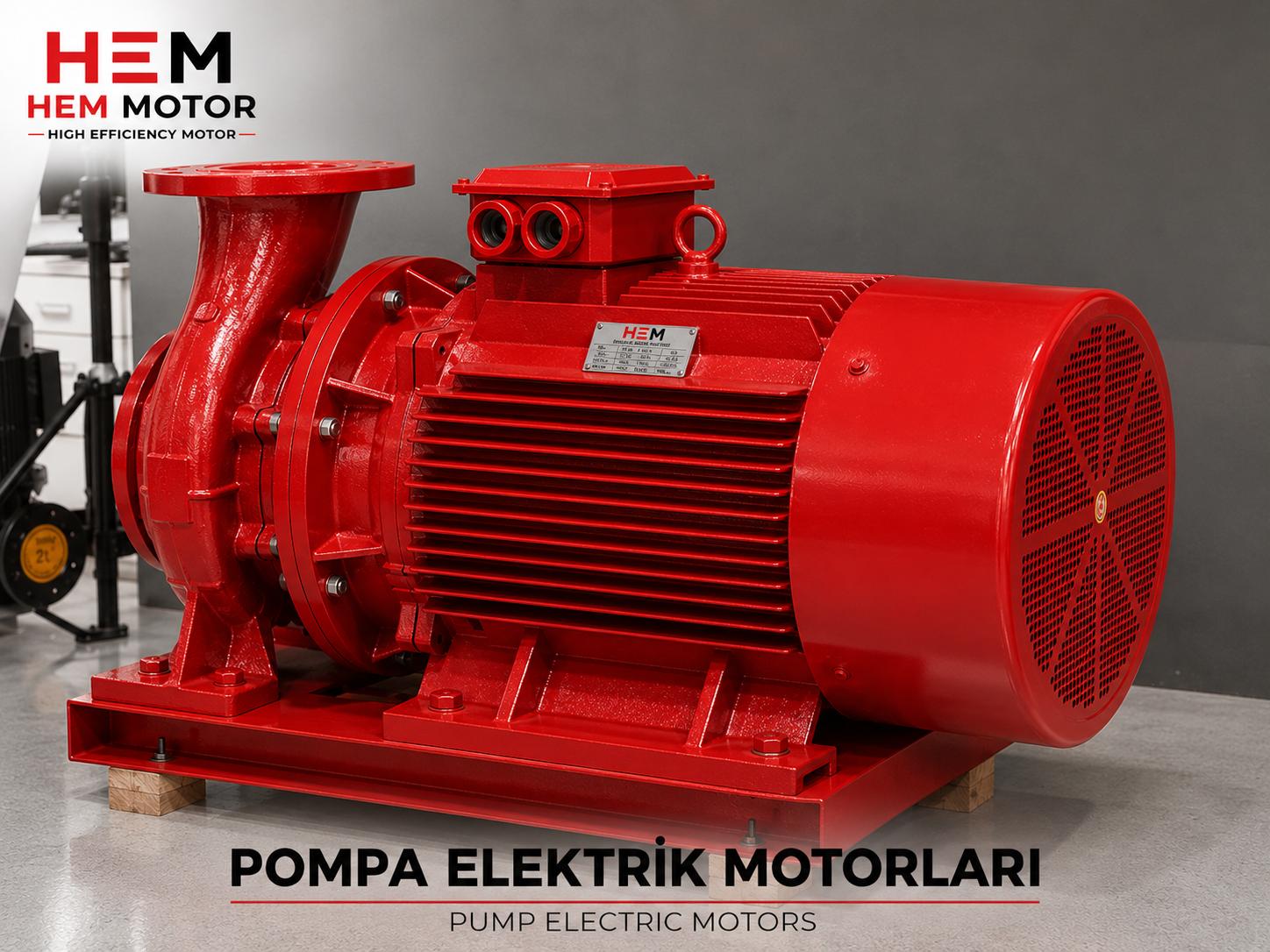
Dairy and cheese plants are sensitive production environments where hygiene and continuity are essential at the same time. From raw milk reception to separation, from homogenization to pasteurization and CIP washing lines, every stage needs reliable, cleanable and uninterrupted electric motors. At HEM Motor we supply electric motors for the centrifugal separator, homogenizer, product transfer pump and cooling systems of dairy and cheese plants from stock, in configurations that meet hygienic requirements, offering you the right price-performance and a fast sales process.
On this page we cover which motors are used at which points of the milk and cheese processing line, the effect of hygiene and stainless/washability requirements on motor selection, and the durability criteria that continuous operation brings. We clarify the dairy and cheese plant electric motor price framework so you can choose the right motor at the right price. For stock and quotations, reach us via HEM Motor electric motor prices.
The Critical Role of the Motor in the Milk Processing Line
In a dairy plant, production is an interconnected process chain; a motor failure at any point can stop the entire line and cause direct loss from spoilable product. So motor selection in dairy and cheese plants is not just power-speed matching, but also a matter of hygiene, cleanability and uninterrupted operation assurance.
The main points where the motor is critical in the milk processing line are:
- Centrifugal separator: A precisely balanced drive requiring high speed to separate cream from milk.
- Homogenizer: High-pressure piston pump drive; heavy and continuous load.
- Product transfer pumps: Hygienic transfer of milk, cream and whey.
- Cooling and CIP systems: Coolant circulation pumps and washing-line drives.
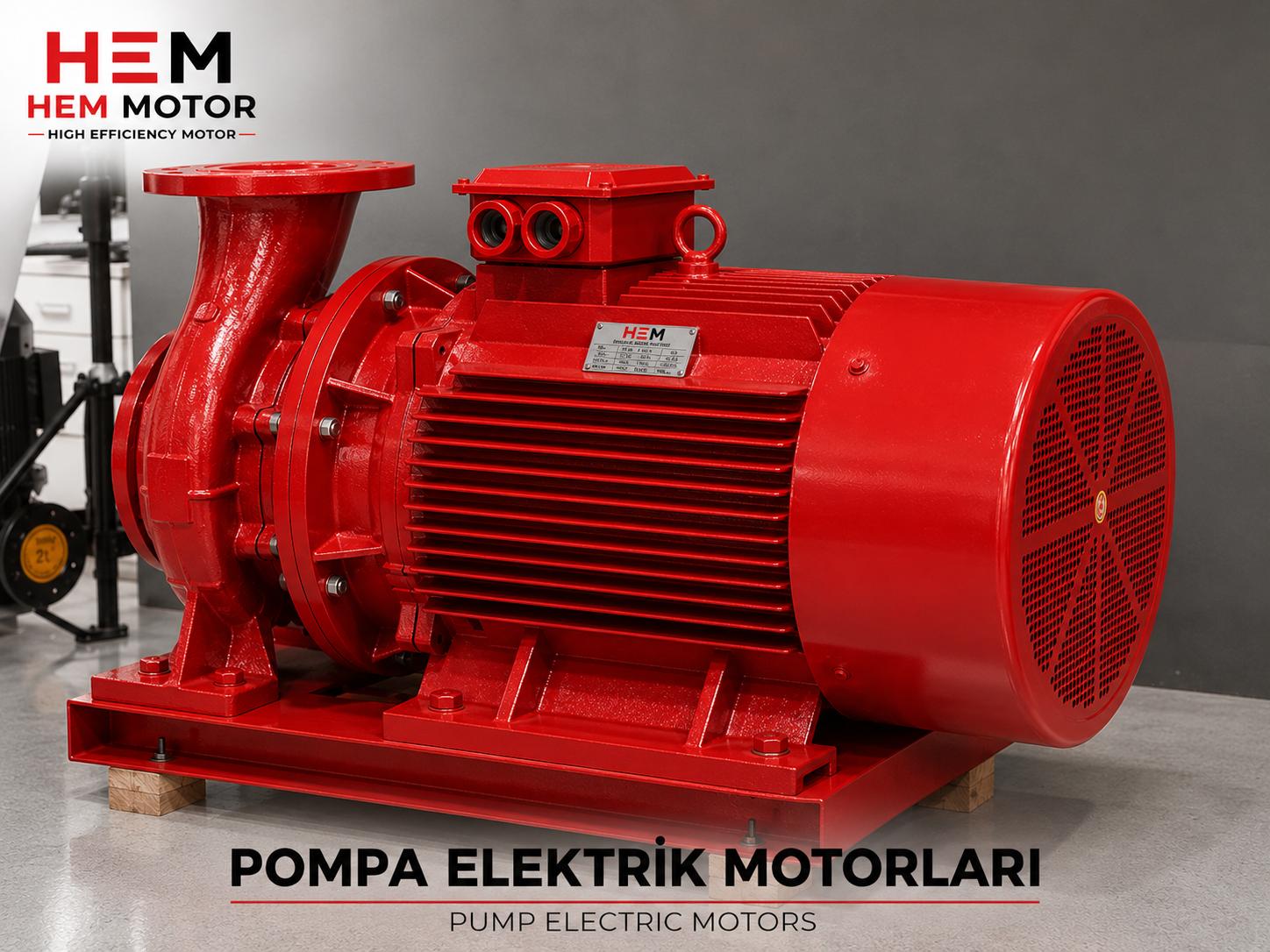
To match the right motor at each of these points, review our pump electric motors group and request a fast quotation via HEM Motor for a configuration suited to your food line.
Hygiene, Stainless and Washability Requirements
The biggest difference of motor selection in a food environment from other sectors is hygiene and cleanability. In dairy and cheese plants, surfaces are washed frequently, chemical cleaning is done via CIP (Cleaning-In-Place) lines, and areas in product contact are subject to strict rules.
| Requirement | Effect on Motor Selection |
|---|---|
| Frequent washing and humidity | High IP protection class (IP55/IP65 and above) is needed |
| Chemical CIP cleaning | Durable paint/coating or stainless application is preferred |
| Hygienic surface | Smooth, non-soiling, easy-to-clean body form |
| Proximity to product contact | Oil sealing and food-compatible bearing |
In line with these requirements, the motor's IP class and body structure must be chosen correctly. You can find details on hygiene and IP protection selection in food plants in our articles on food factory electric motors and hygiene and dairy, meat and beverage plant motors.
Centrifugal Separator and Homogenizer Motors
At the heart of the dairy plant are two heavy duties: the centrifugal separator that separates cream and the homogenizer that breaks up milk fat globules. Both are demanding for the motor.
Because the separator runs at high speed, it is usually driven by a two-pole motor and requires precise balance; vibration affects both product quality and bearing life. The homogenizer, being a high-pressure piston pump, demands heavy start and continuous high torque; here a durable cast-iron-body motor is preferred. For correct power and speed matching, our guide on centrifugal pump motor selection provides guidance.
Product Transfer and CIP Pump Motors
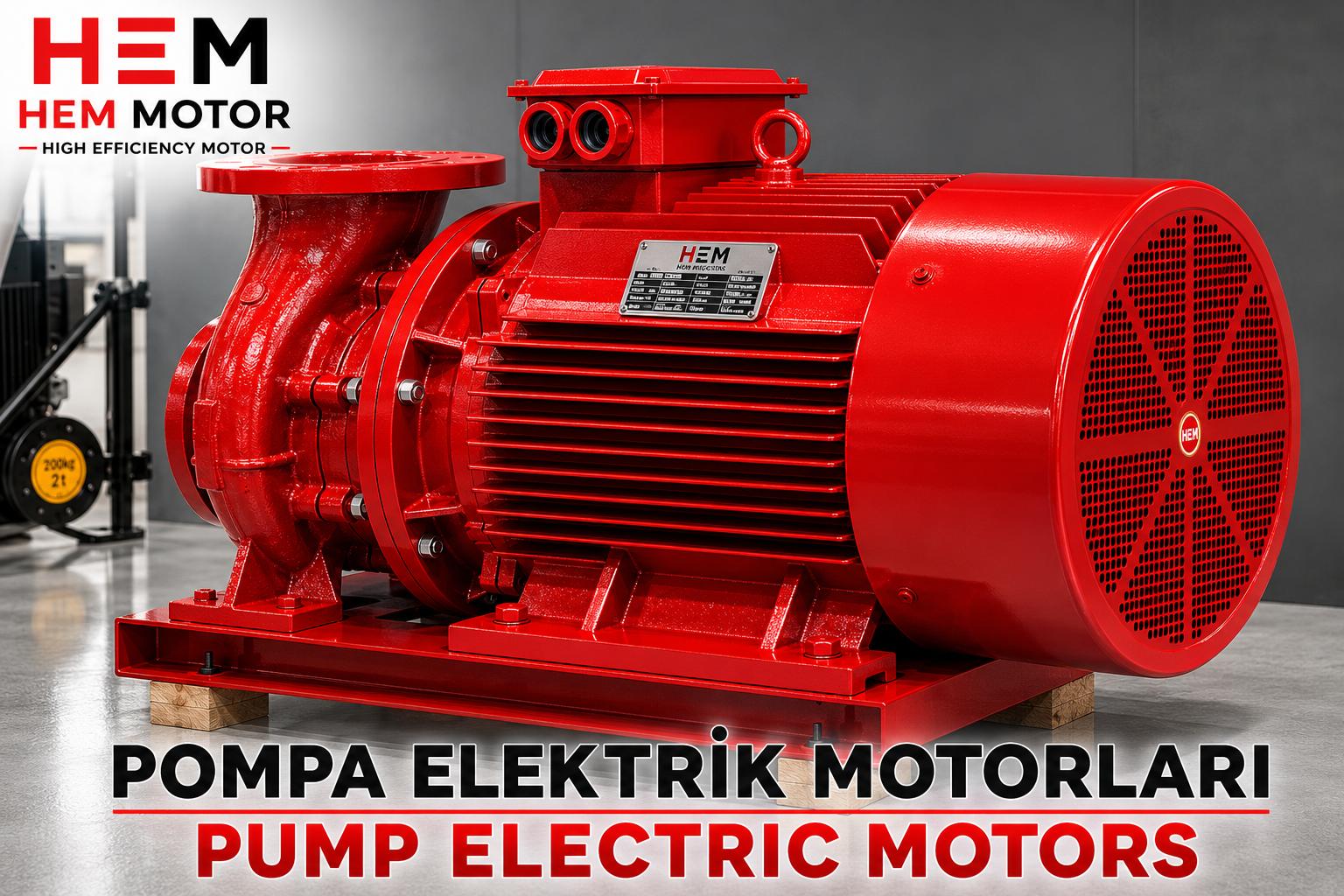
Moving milk, cream, whey and cleaning chemicals along the line is done with hygienic transfer pumps. The motors of these pumps must be chosen to withstand frequent washing and a humid environment.
- Product transfer pumps: Low-slip, hygienic drive; high IP protection for humid environments.
- CIP circulation pumps: Continuously running motors that circulate washing chemicals along the line.
- Coolant circulation: Pump motors running uninterrupted in cooling water and glycol lines.
You can match suitable pump motors for these lines from the booster electric motors and deep well pump motor groups and get a fast quotation for a selection suited to your line. For in-line circulation applications, our article on in-line circulation pump motor selection will be useful.
Continuous Operation and Durability Criteria
Dairy plants mostly run on shifts and almost uninterrupted in busy seasons. This duty regime requires the motor to be in the continuous-duty (S1) class, well-cooled and equipped with durable bearings.
| Operating Condition | Recommended Motor Feature |
|---|---|
| Uninterrupted shift production | S1 continuous duty, high insulation class |
| Frequent washing and humid environment | High IP protection, condensation protection |
| Heavy and vibrating load | Cast-iron body, balanced rotor |
You can find practical information on motor storage and commissioning for continuously running food lines in our article on electric motor storage and moisture protection. A high efficiency class markedly reduces energy cost in continuously running plants; we therefore recommend reviewing our high-efficiency electric motors group.
Cooling, Pasteurization and Auxiliary System Motors
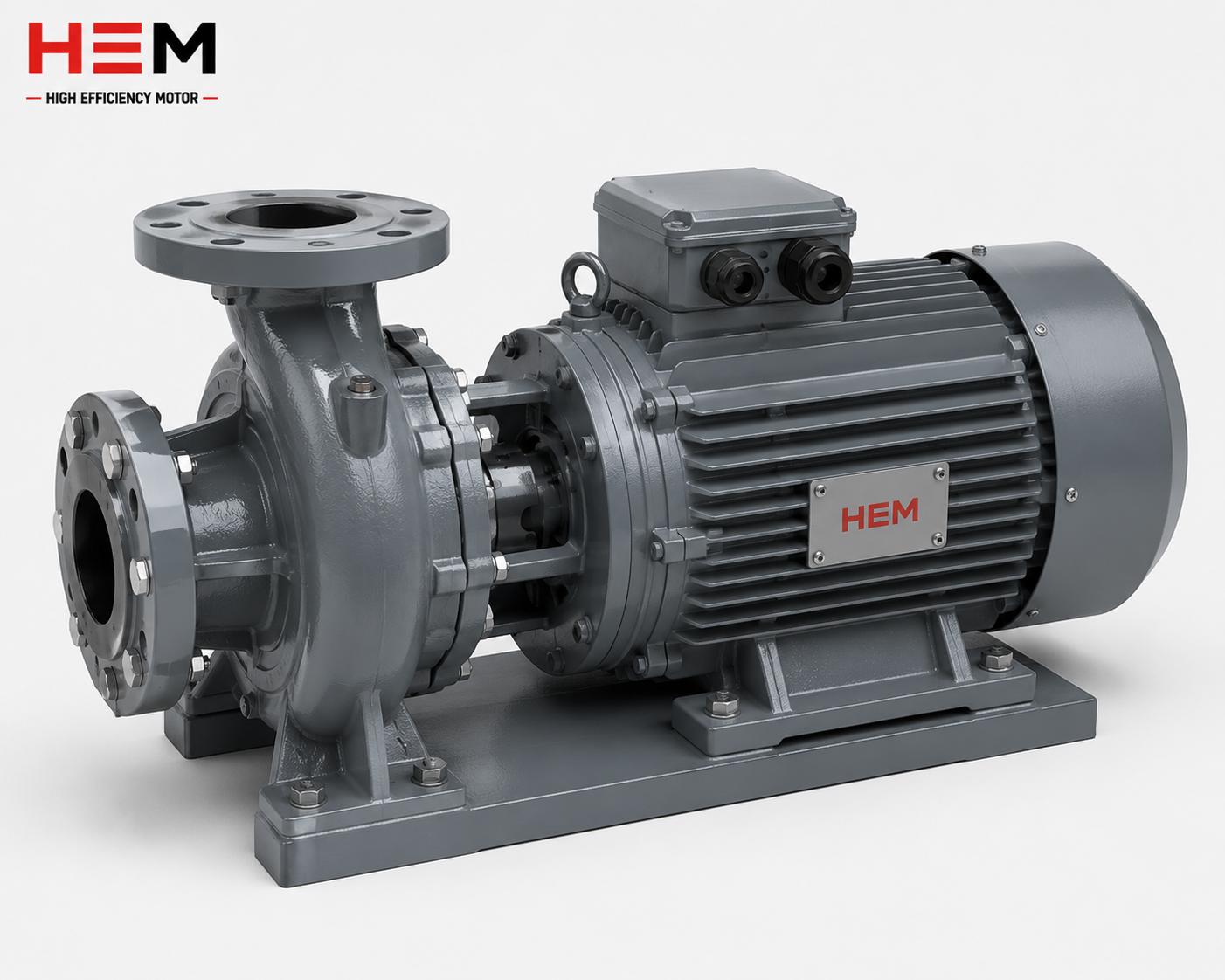
In dairy and cheese production, product safety largely depends on temperature control. Rapidly cooling raw milk, holding pasteurization heat correctly and keeping storage tanks cold all require continuously running cooling and circulation motors. When these auxiliary systems fail, production is directly affected; motor reliability is therefore a priority here too.
- Chiller fan and pump motors: Continuously running motors feeding glycol and chilled-water lines.
- Ice bank and plate exchanger circulation: Pumps providing stable flow for precise temperature control.
- Tank mixer drive: Slow, continuous mixing for homogeneous temperature in milk and whey tanks.
- Extraction and ventilation: Air circulation and humidity control of the hygienic production area.
For the outdoor and IP protection requirements of cooling tower and chiller fan motors, our article on cooling tower and chiller fan motors provides guidance. For cold-storage applications, our guide on cold storage fan and compressor motors explains reliable motor selection at low temperature.
Stock and Fast Delivery Advantage for Dairy Plants
Because dairy and cheese production depends on the seasonal harvest and daily raw milk flow, its tolerance for downtime is low. When a motor on the line fails, supplying an exactly compatible replacement within hours is often the only way to prevent product loss. At HEM Motor we minimize this risk by keeping the power, speed and IP classes most used in food lines in stock.
| Supply Approach | Effect on Dairy/Cheese Plant |
|---|---|
| Ready delivery from stock | Line restarted quickly, spoilable product protected |
| Hygienic configuration stock | High-IP-protection motor supplied without waiting |
| Exact replacement matching | Motor suited to the existing pump chosen from the nameplate |
When renewing an existing pump or separator motor, we explain the practical way to choose the right equivalent from the nameplate in our article on booster motor replacement: selection from the nameplate. You can request stock status and the dairy and cheese plant electric motor price via HEM Motor.
Frequently Asked Questions
What determines the price of a dairy and cheese plant electric motor?
Power-speed, pole count, efficiency class, IP protection class and the body/coating chosen per hygienic requirements set the price. When you tell us for which point of your line you need a motor, we issue a price-performance oriented fast quotation.
Which IP protection class is needed in a food line?
Due to frequent washing and humid environments, IP55 and above is generally preferred; a higher IP class is recommended in areas receiving direct wash jets. We determine the suitable class together based on your application.
Is the same motor type used for separator and homogenizer?
No. The separator needs high speed and precise balance, while the homogenizer requires heavy start and continuous high torque. We match the suitable pole and body structure for each separately.
Do you supply CIP-wash-resistant motors?
Yes. For lines exposed to frequent CIP cleaning, we offer motor configurations with high IP protection, durable coating and suitability for humid environments.
How quickly can you deliver from stock?
We keep the power and speed classes commonly used in dairy and cheese plants in stock; standard configurations are generally shipped with fast delivery from stock.
Fast Quotation and Sale
We supply electric motors meeting hygienic requirements for the separator, homogenizer, transfer pump and cooling lines of your dairy and cheese plant from stock. To get the right motor at the right price without delaying your production, state which point you need a motor for and reach HEM Motor; we will share a same-day fast quotation and stock status. For your general food factory motor needs, our guide on dairy, meat and beverage plant motor selection will also help.