English
 Türkçe

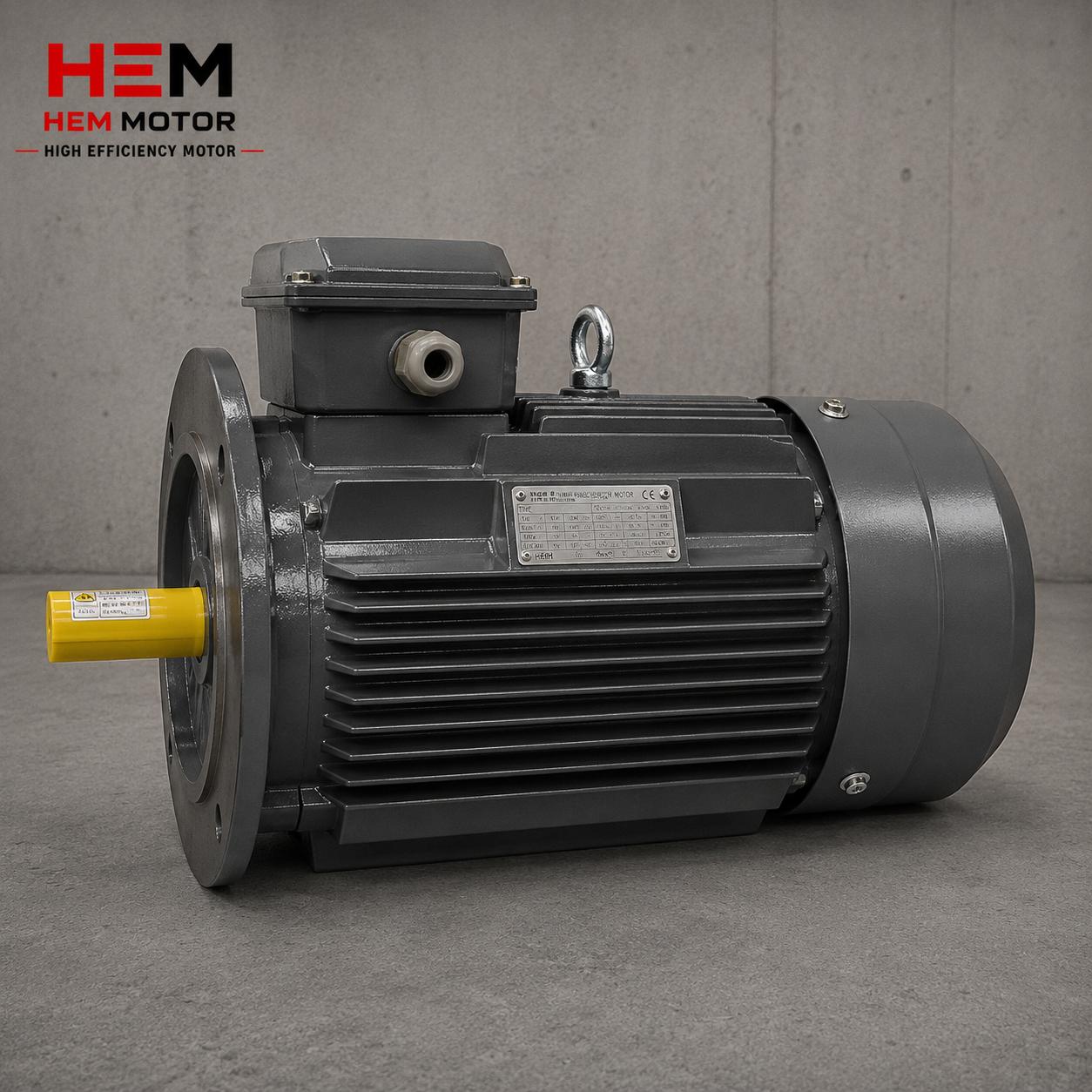

When a business decides to migrate from the IE4 class to an IE5 synchronous reluctance motor, the real work does not end with buying the motor; it actually begins there. The synchronous reluctance (SynRM) technology that forms a large part of the IE5 ultra-premium efficiency class differs from conventional asynchronous motors in one crucial way: the vast majority of these motors do not run direct-on-line. You cannot simply plug them in and energize them; they must be commissioned as a package, together with a variable frequency drive (VFD).
This fact is often overlooked at the purchasing stage. The high efficiency figures printed on the nameplate look very attractive on paper; but capturing that efficiency fully in the field depends on the right drive selection, the right cable and installation compatibility, and a meticulous commissioning process. A wrong drive, an incorrect parameter or an incompatible cable melts away that valuable purchased efficiency in the field and lengthens the payback period of the investment.
In this article we cover drive and installation compatibility in IE5 motor migration step by step, and explain how to preserve nameplate efficiency in the field with a correct commissioning checklist, from the perspective of the buyer and the installer. Our goal is to help you procure the right product with the right drive under stock assurance, and to make sure you face no surprises on site.
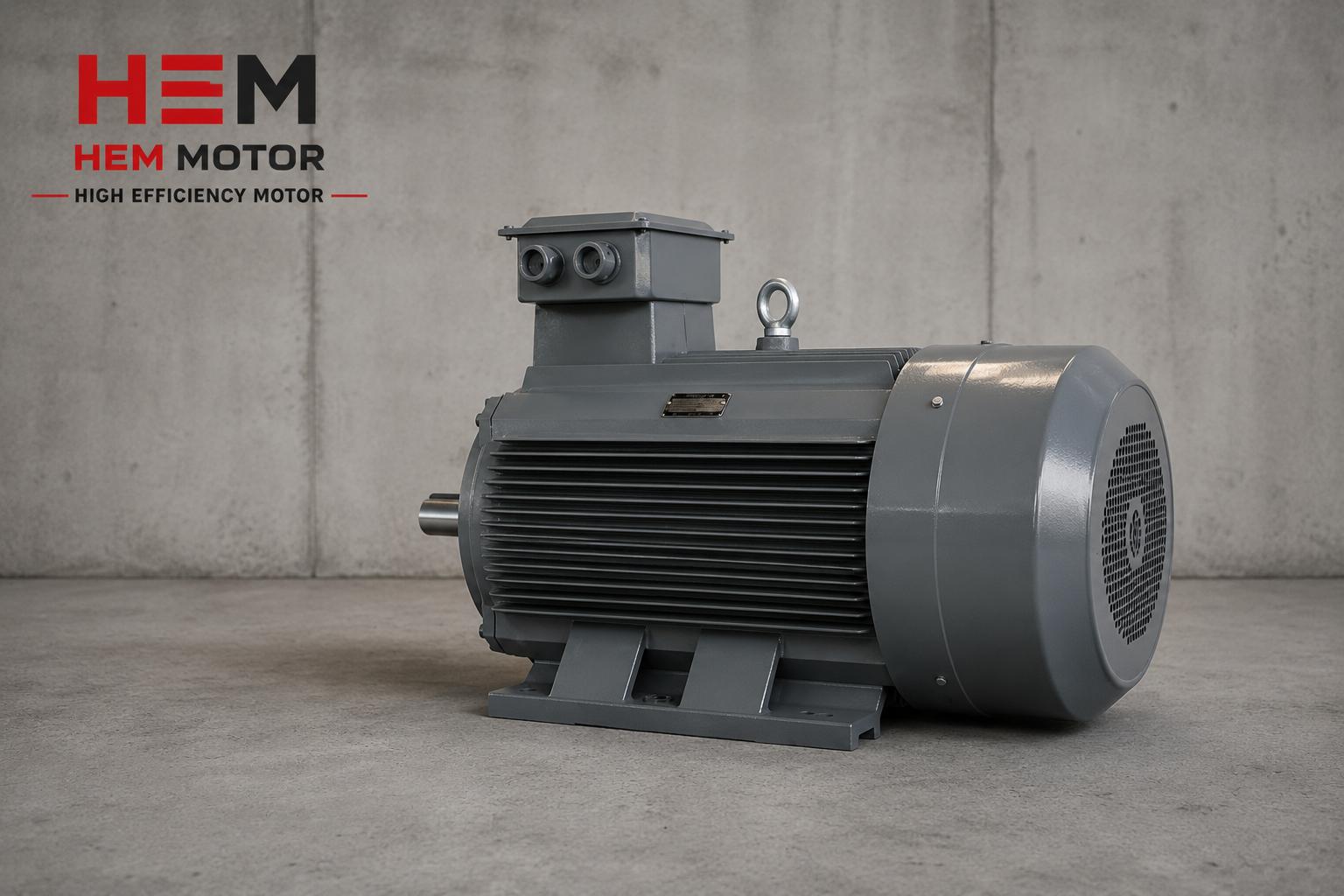
Why Does an IE5 Synchronous Reluctance Motor Not Run Without a Drive?
A conventional asynchronous motor can run directly from the grid because the rotating magnetic field in the stator drags the rotor along. The current self-induced in the rotor produces the torque. A synchronous reluctance motor, however, is fundamentally different in design: it has a special geometry in which the rotor's magnetic resistance (reluctance) varies with direction, and the rotor wants to rotate in synchronism with the rotating field.
For this motor to start and lock into synchronism, it needs a drive that can manage frequency and voltage gradually. Without a drive, the motor either does not turn at all or cannot synchronize properly. Therefore an IE5 SynRM motor should be thought of as a drive package designed together with its drive; the two are an inseparable whole.
- Synchronous speed requirement: The rotor rotates at the same speed as the rotating field; a controlled frequency ramp is needed to reach this speed.
- Starting torque management: The drive turns the motor safely at start-up by adjusting the voltage/frequency ratio or vector control.
- Efficiency optimization: The nameplate efficiency of SynRM motors is achieved only with the drive's correct control algorithm, usually a dedicated SynRM mode.
For this reason, when procuring an IE5 motor, the soundest approach is to plan the motor not alone but together with its compatible drive. Our article on the future of synchronous reluctance technology is a complementary resource on correct drive-motor matching.
What to Watch When Selecting the Drive
The most critical step in migrating to an IE5 motor is selecting the right VFD (Variable Frequency Drive). Not every drive can run every synchronous reluctance motor. The drive must recognize the motor type and have a suitable control mode.
SynRM Support in the Drive
Some modern drives offer a dedicated synchronous reluctance motor mode directly in the parameter menu. When this mode is not selected, the drive tries to drive the motor as a standard asynchronous motor and efficiency drops significantly. Before purchasing, you should confirm that the drive's data sheet clearly states SynRM or "synchronous reluctance" support.
Power and Current Compatibility
The drive's nominal current must suit the motor's rated current and starting characteristic. A drive selected at the edge of its rating can overload and trip under heavy load or frequent starts. The right drive should be chosen to match not only the motor's rated values but also the application's load profile.
- Control mode: A drive with vector control or SynRM mode should be preferred.
- Overload capacity: It must have a current margin to handle start-up and load peaks.
- Environmental class: The drive's IP protection and ambient temperature rating must suit the panel conditions.
- Communication: If it integrates into plant automation, a suitable protocol (Modbus, Profinet, etc.) should be available.
Cable and Installation Compatibility
In drive-fed motors, the cable is often an overlooked but critical component. The high-frequency switching voltage at the drive output causes reflections and electromagnetic interference (EMC) in an unsuitable cable. This both stresses the motor's insulation and creates noise problems in the plant.
Shielded Motor Cable
Using a shielded motor cable in the drive-to-motor connection is practically mandatory for EMC compliance. The shield both reduces emitted interference and ensures proper grounding of leakage currents. The shield must be correctly grounded at both ends.
Cable Length and Filters
Long motor cables can cause voltage peaks at the motor terminals due to voltage reflections. Above certain lengths, using a dU/dt filter or a sine filter protects the motor's insulation and extends its life. These details must be planned before commissioning.
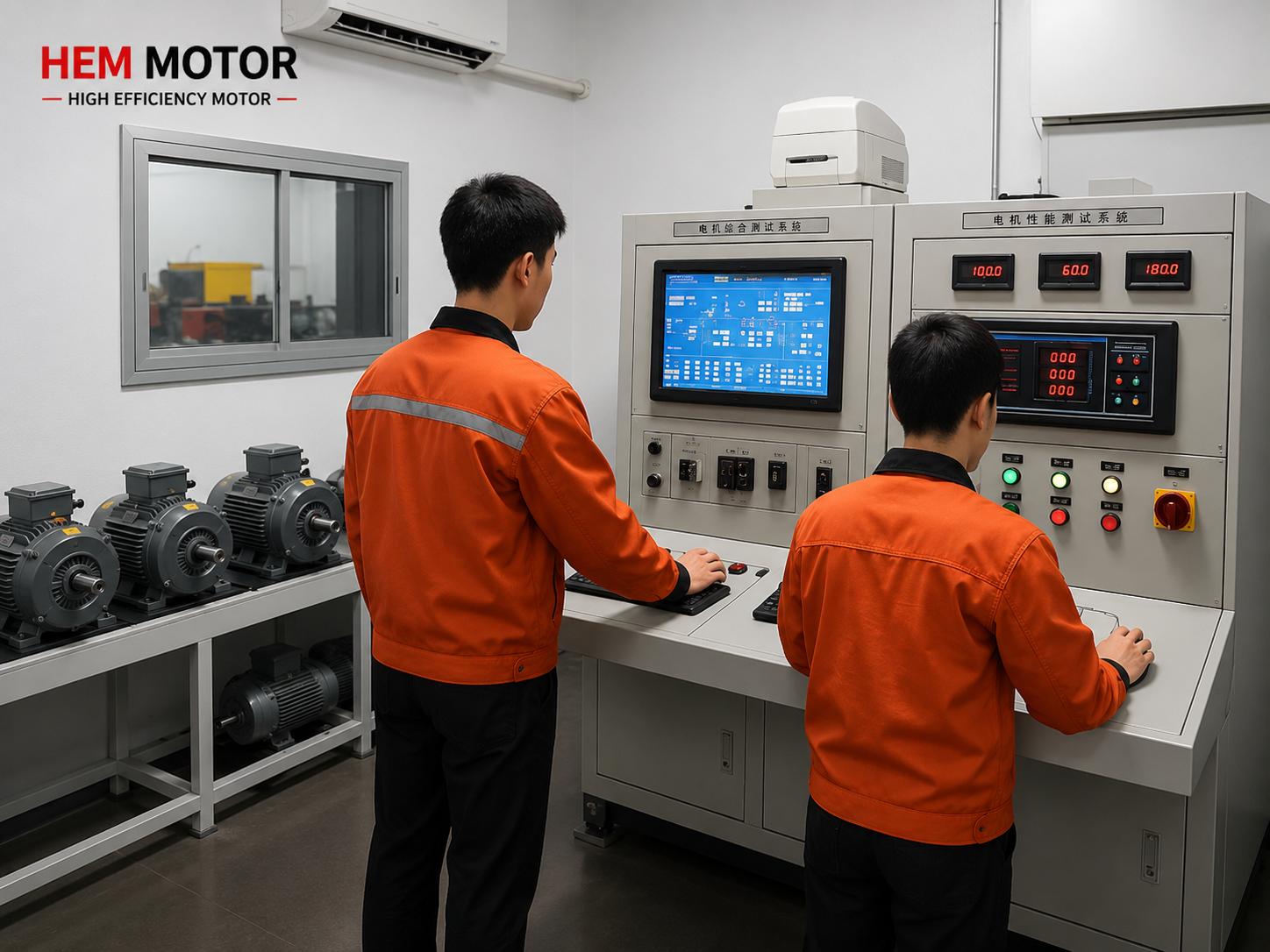
- Grounding: A low-impedance, continuous ground path must be established between motor, drive and panel.
- Bearing current protection: In some applications an insulated bearing or grounding brush may be required.
- Cable cross-section: It must be selected considering current-carrying capacity and voltage drop.
Commissioning Checklist
To capture the efficiency printed on the IE5 motor's nameplate fully in the field, you must proceed through the commissioning steps without skipping any. The checklist below summarizes what should be done on site.
Mechanical Preparation
- Alignment: The coupling alignment between the motor and the driven machine must be set precisely. Misalignment brings vibration and early bearing failure.
- Fixing: The motor feet/flange must be tightened to the correct torque on a level base.
- Rotation freedom: The shaft should be turned by hand to confirm there is no mechanical binding.
Electrical Preparation
- Insulation check: Winding-to-ground insulation should be measured before energizing; this step is critical for motors that have waited in storage.
- Connection verification: Phase sequence, terminal connections and grounding must be checked.
- Drive parameters: The motor's nameplate values (power, current, frequency, pole count) must be entered correctly and SynRM mode activated.
First Run and Verification
- Auto-tune: The drive should run an identification routine to recognize the motor parameters.
- Direction of rotation: At first start the rotation direction should be checked and corrected if necessary.
- Measurement under load: At the operating point, current, temperature and vibration should be measured to confirm efficiency is at the expected value.
When this checklist is applied meticulously, the purchased IE5 efficiency is obtained fully in the field. To procure the right product together with the right drive and accessories, you can request a quote from our expert supply team and plan the package suited to your project. If you want to clarify your overall efficiency class decision, our IE5 versus IE4 investment comparison article will guide you.
Common Mistakes in Migration
The problems most often encountered in the field during IE5 motor migration usually stem from details skipped at the planning stage. The most common is ordering the motor without a drive and later asking "why isn't it running". The second is selecting the drive without SynRM support and ending up with efficiency below expectations.
- Selecting the drive independently of the motor, at the last minute.
- Using a standard unshielded cable and dealing with EMC problems.
- Not entering the drive parameters correctly according to nameplate values.
- Neglecting mechanical alignment and facing vibration and bearing failure.
All of these mistakes can be prevented by treating the migration project as a drive package from the start. Planning the motor, drive, cable and accessories together makes your lead time predictable and eliminates surprise costs in the field. A well-informed buyer truly pockets the efficiency that IE5 promises. For current electric motor prices and suitable drive packages, you can contact our supply team.
Frequently Asked Questions
Can an IE5 synchronous reluctance motor be run directly from the grid?
No, the vast majority of these motors do not run direct-on-line. To reach synchronous speed and start, they must be commissioned together with a suitable VFD drive. Planning the motor together with its drive, as a package, is the correct approach.
What should I watch when selecting the drive?
You should confirm that the drive supports synchronous reluctance (SynRM) mode and has a power-current capacity suited to the motor's rated current and load profile. If it integrates into plant automation, the communication protocol must also be compatible.
Which step should I never skip in commissioning?
Before energizing, insulation resistance measurement, motor-machine alignment and entering the correct nameplate parameters into the drive are steps you must not skip. When these are completed, you capture the nameplate efficiency fully in the field and minimize the risk of early failure.