English
 Türkçe



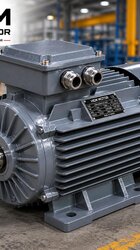
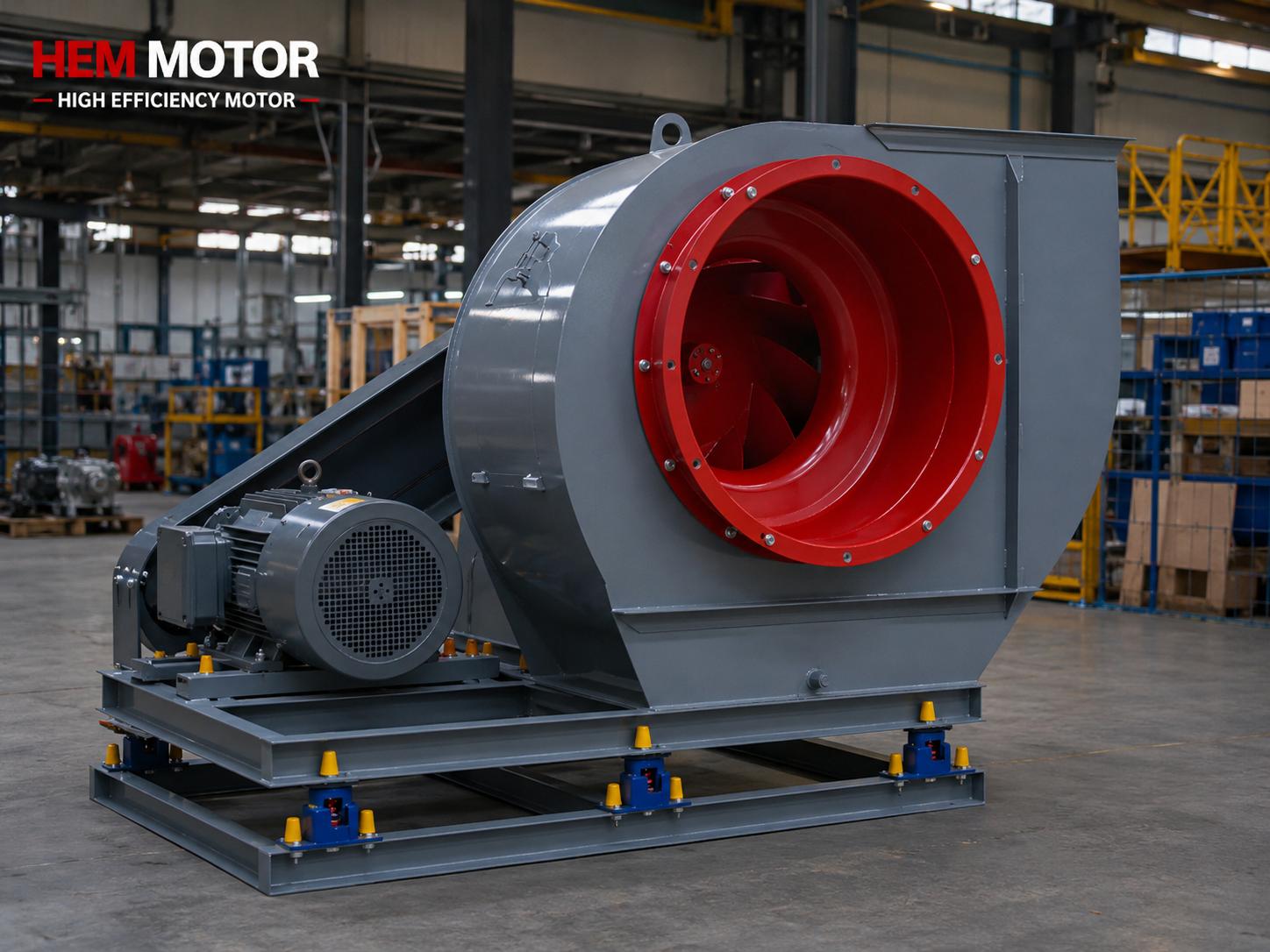

If the energy bill is high at a pumping station, the motor is usually blamed first. Yet in a pump system, energy use cannot be explained by motor efficiency alone; the real system efficiency is determined by the product of three interlinked elements. The motor's efficiency, the pump's hydraulic efficiency and the losses in the pipeline; these three together form the system's real efficiency. A weakness in one link renders the perfection of the others meaningless. In this guide we cover these three links that determine real efficiency in a pump system, the importance of the right operating point (BEP), and how a variable frequency drive improves the system.
System Efficiency: The Product of Three Links
In a pumping station, as energy is transmitted from electricity to water it passes through several conversions, and at each conversion some loss occurs. The real system efficiency is the combined effect of these losses and is found by the product of these three links:
- Motor efficiency: The loss occurring while converting electrical energy to mechanical energy.
- Pump hydraulic efficiency: The loss occurring while converting mechanical energy to the water's pressure and flow.
- Pipeline losses: The loss from friction and resistance while carrying the water to its destination.
Because these three links work as a product, low efficiency in any one of them pulls the whole system down. For example, when a very efficient motor works together with an inefficient pump or a bottlenecked pipeline, the total efficiency of the system still stays low. That is why improving efficiency in a pump system cannot be done by replacing only the motor; the three links must be considered together.
Motor Efficiency: The First Link
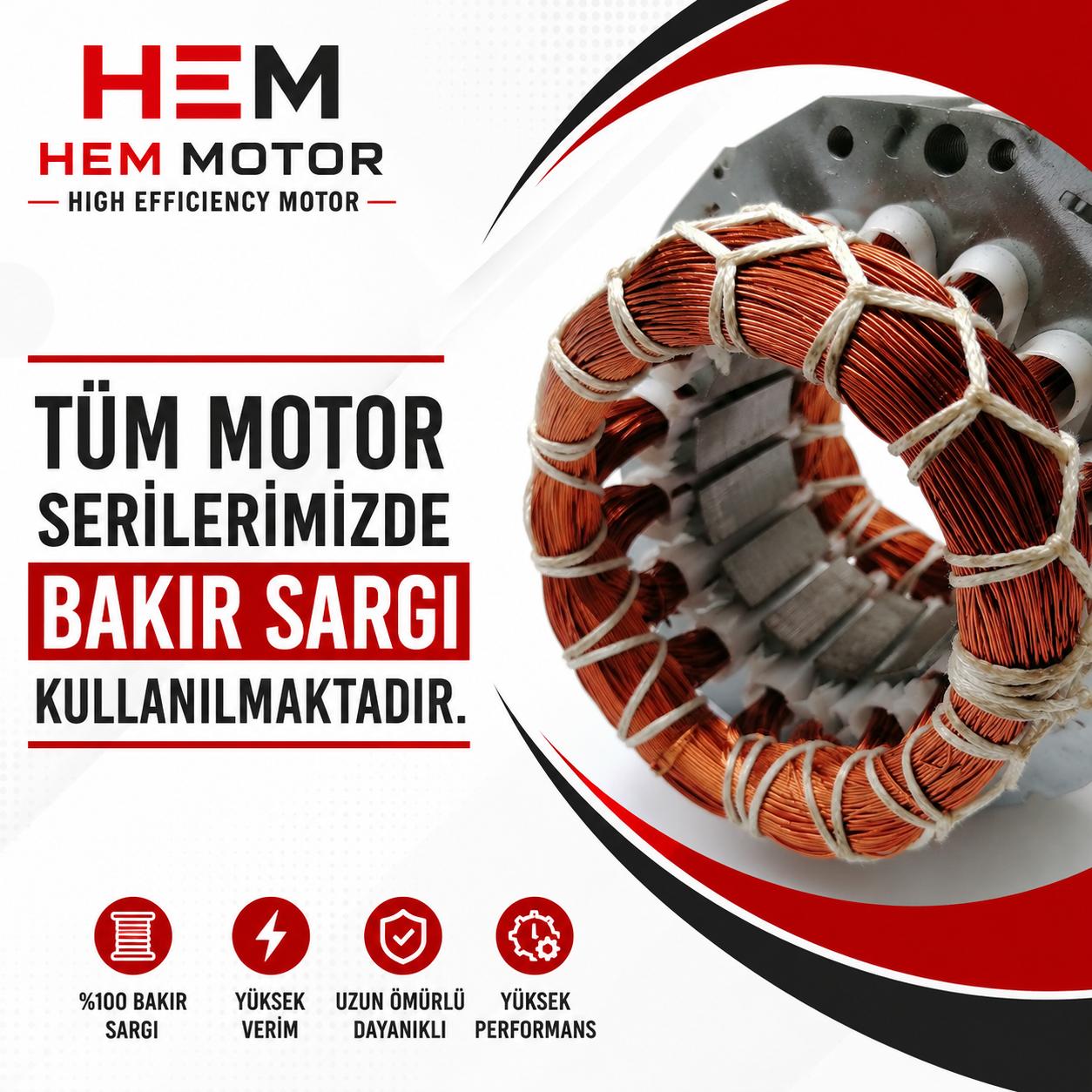
The first link of the system is the motor. A high-efficiency motor (IE3, IE4 or IE5) converts electrical energy to mechanical energy with the least loss. This is the foundation of system efficiency; because if the motor is inefficient, part of the energy is lost as heat right at the start, and the remaining links begin with this loss.
But motor efficiency alone is not enough. Selecting a very efficient motor does not save the total system efficiency if the pump and pipeline are weak. That is why the motor must be selected in harmony with the rest of the system and correctly sized. For efficient motor options, take a look at the electric motor prices page.
Pump Hydraulic Efficiency and the Right Operating Point (BEP)
The second link is the pump's own hydraulic efficiency. Every centrifugal pump has a Best Efficiency Point (BEP). This is the point where the pump runs at the highest efficiency at a certain flow and pressure. When the pump is run far from this point, its efficiency drops and energy is wasted.
The most common energy waste in a pump system is running the pump far from the BEP:
- Flow adjustment by throttling (valve): Reducing flow by closing the valve pushes the pump into an inefficient region and wastes energy.
- Wrong pump selection: A pump that does not match the need can never run at the BEP.
The right approach is to select the pump according to the system's real need and run it near the BEP. Thus the pump hydraulic efficiency is kept at its highest level.
Pipeline Losses: The Third Link
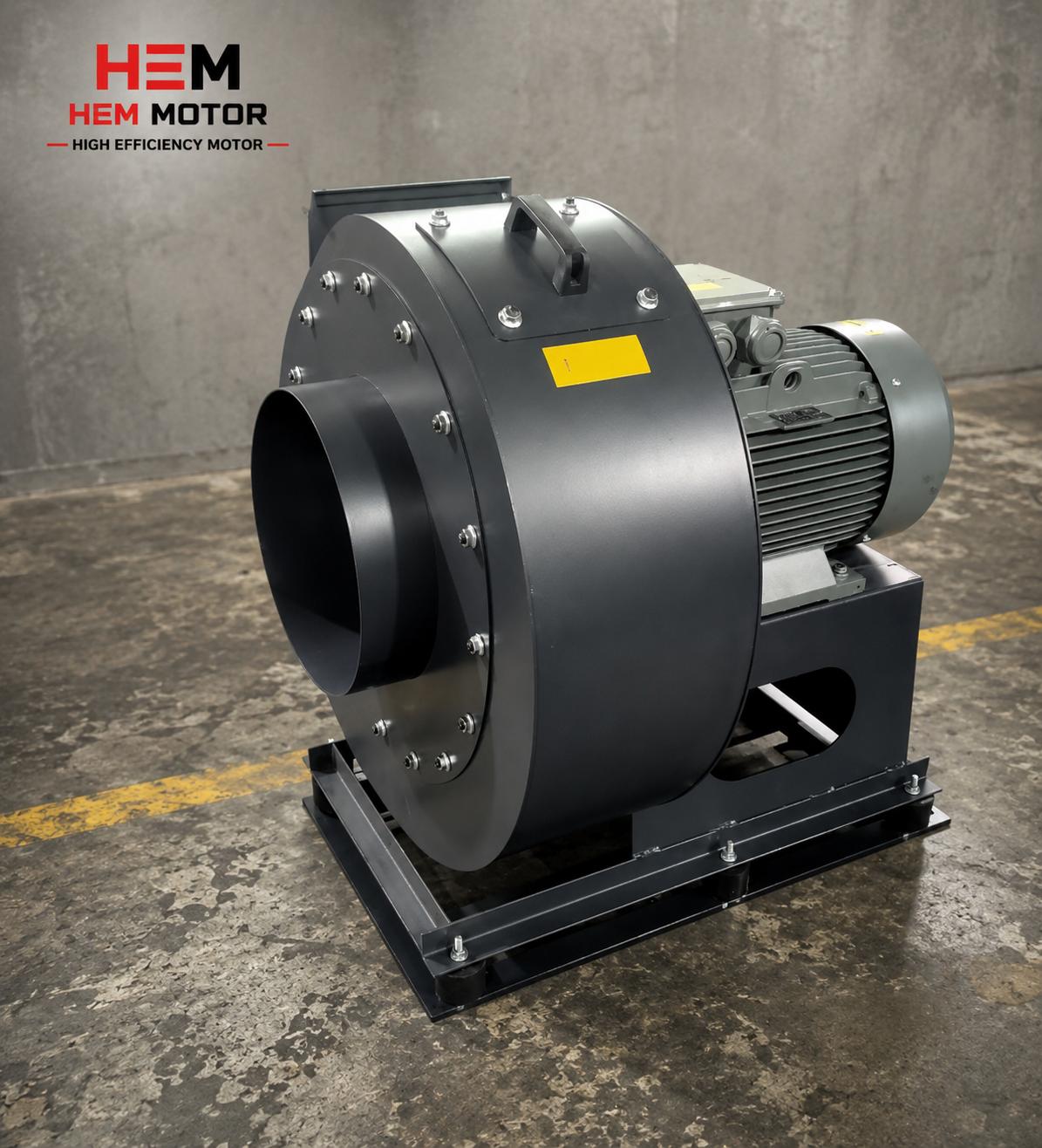
The third link is the losses in the pipeline. As water moves through the pipe, it loses pressure due to friction; this loss increases in narrow pipes, long lines and with many elbows and valves. If the pipeline losses are high, the pump and motor have to spend more energy to do the same work.
To reduce pipeline losses:
- A suitable pipe diameter must be chosen; very narrow pipes increase friction loss.
- The number of unnecessary elbows, valves and reductions must be reduced.
- The line should be designed as short and straight as possible.
When the pipeline is designed correctly, the pump and motor provide the same flow with less energy. This is a frequently neglected but important component of system efficiency.
A Frequency Drive Improves the Whole System
In systems with variable demand, a variable frequency drive (VFD) improves the efficiency of the whole system. Instead of adjusting flow by throttling a valve, the VFD adjusts the motor's speed to demand. Thus:
- The pump runs at low speed when demand drops and spends less energy.
- The energy waste from valve throttling is eliminated.
- The system is kept in the efficient region despite changing demand.
The VFD is one of the most effective improvement tools, especially in variable-flow pumping stations. When combined with a high-efficiency motor, a correctly selected pump and a well-designed pipeline, the system efficiency reaches its maximum.
A System-Based Solution With Manufacturer Assurance
Real saving in a pump system is achieved by considering not only the motor but the motor, pump and pipeline together. HEM Motor offers high-efficiency motors with strong stock and manufacturer assurance; evaluated together with the right operating point and VFD recommendations, it improves the whole system. The right system-based solution is the approach that truly lowers the energy bill. For a solution and quote suited to your application, review the electric motor prices page.
Frequently Asked Questions
What determines real efficiency in a pump system?
Real efficiency is the product of three links: motor efficiency, the pump's hydraulic efficiency and pipeline losses. These three together form system efficiency; a weakness in any one pulls the whole system down.
What is the BEP and why is it important?
The BEP (Best Efficiency Point) is the point where the pump runs at the highest efficiency at a certain flow and pressure. When the pump is run far from this point, its efficiency drops and energy is wasted. Adjusting flow by throttling a valve pushes the pump into an inefficient region.
How does a frequency drive improve the system?
Instead of throttling a valve, the VFD adjusts the motor's speed to demand. When demand drops, the pump runs at low speed and spends less energy. Thus the waste from valve throttling is eliminated and the system is kept in the efficient region.