English
 Türkçe

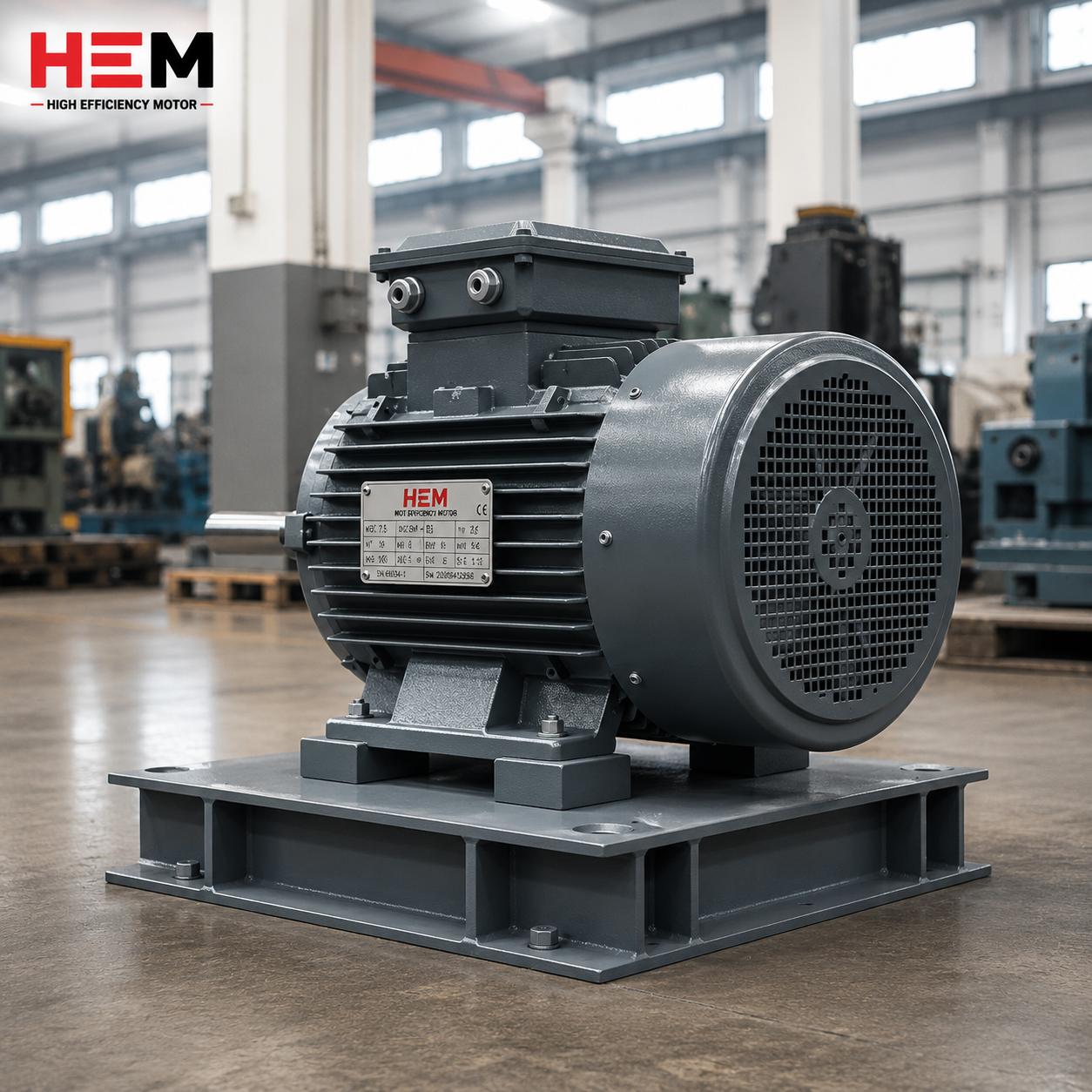

Sewage lift stations sit at the heart of wastewater networks and are facilities whose downtime is simply unacceptable. To pump domestic and industrial wastewater from a wet-well to an elevation or distance it cannot reach by gravity, you need a powerful, reliable and correctly selected submersible pump motor. A motor sized at the wrong power or chosen for the wrong duty regime can quickly lock up the station with winding burnout, excessive switching cycles and clogging problems.
As a manufacturer and supplier shipping motors from stock for wastewater lift applications, the point we emphasize most is that well hydraulics, duty-standby rotation and level control must be addressed together with motor selection. In this article we examine submersible pump motor selection for sewage lift stations from a technical standpoint, alongside wet-well design, switching frequency and level-control logic, and explain how to plan the correct power supply.
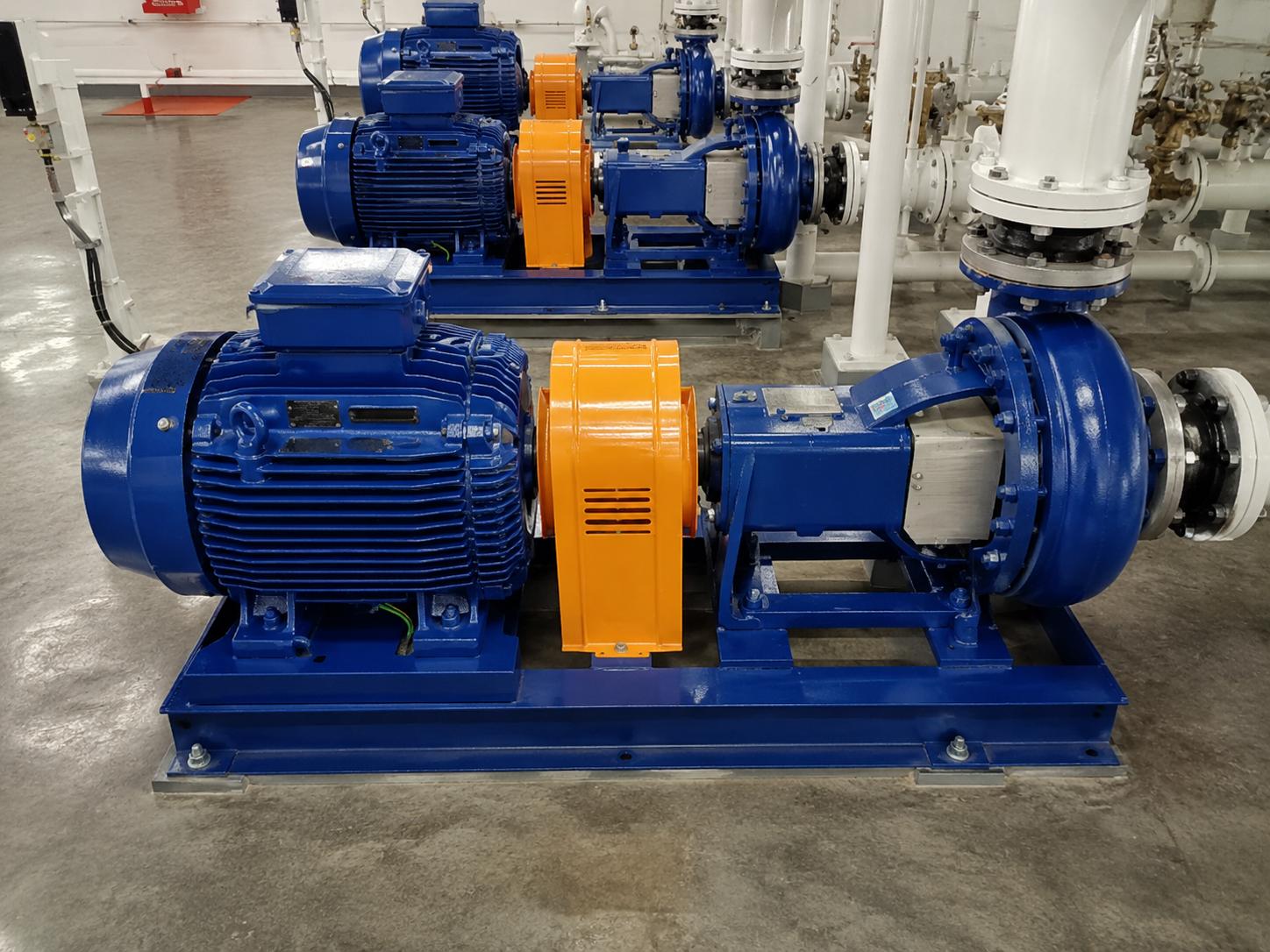
How a Lift Station Works
In a lift station, wastewater collects in a wet-well. As the level rises, level sensors or floats activate and start the pump, sending water to the pressurized line. When the level drops, the pump stops. This cycle can repeat hundreds of times a day, so not only the motor's power but also its endurance against frequent starting is critical.
The fundamental design parameters are flow rate, head (manometric height) and the characteristics of the wastewater. Because wastewater contains fibers, rags and solid particles, the pump impeller is chosen to resist clogging (vortex, multi-channel or cutter type), and the motor must deliver the torque this impeller requires.
Decisive Selection Parameters
- Flow rate (Q): Hourly incoming wastewater volume, accounting for peak hours.
- Manometric head (H): Static elevation difference plus pipeline friction losses.
- Wastewater type: Domestic, industrial, stormwater mix or sludge.
- Switching frequency: Maximum permitted number of starts per hour.
Wet-Well Design and Useful Volume
The useful volume of the well corresponds to the water between the pump's start and stop levels. If this volume is too small, the pump constantly starts and stops; if it is too large, wastewater sits for long periods and settles, causing odor and sediment problems. The right design selects a useful volume that keeps the motor below the permitted number of starts per hour.
As a general rule, 10-15 starts per hour are considered reasonable for small and medium submersible motors; for larger motors this number decreases. Useful volume, flow rate and start count must be calculated together. The well must be protected against dry running; the minimum water level should be set so the motor's cooling is maintained. Similar hydraulic principles also apply in our borehole submersible pump applications.
Rotation: The Duty-Standby Arrangement
Sewage lift stations are usually designed with at least two pumps. While one pump runs (duty), the other waits in reserve (standby). This arrangement provides uninterrupted service in case of failure and balances pump life. A well-designed control system rotates the duty between pumps each cycle, so both motors wear equally and neither stays continuously under load.
At peak flows, the system can also be programmed for both pumps to run together (duty-assist). In this case, motor selection must consider the head and flow at the parallel operating point; when two pumps run in parallel, the flow of each differs from solo operation because of the system curve.
Benefits of Rotation
- Extended maintenance intervals and more predictable life thanks to equal wear.
- The station keeps running even if one motor fails.
- Reduced overflow risk by bringing both pumps online during peak loads.
- Both pumps run regularly, preventing seizing and sticking.
Level Control and Automation
Level control is the brain of the station. Options range from simple float systems to advanced PLC-based systems with ultrasonic or hydrostatic level sensors. A properly configured level control defines stages such as start level, stop level, second-pump engagement level and high-level alarm.
From the motor's perspective, the most important contribution of level control is preventing unnecessary start-stop cycles. Used together with a variable frequency drive, the pump can run at variable speed to maintain a steady level; this provides soft starting and reduces the motor's thermal load. Protecting the panel with surge arresters against overvoltage and lightning is also important for motor life; we covered this in pump-fan motor overvoltage protection.
Motor Power and Protection Class
Because submersible wastewater motors run fully submerged, they are built to IP68 protection class, sealed and usually equipped with an oil-filled seal chamber. Thermally protected windings, moisture/leak sensors and suitable cable entries should be standard. The motor power should be selected above the power requirement at the pump's most demanding operating point, but without oversizing.
- IP68 full submersion protection and sealed housing.
- Winding safety with thermal protection and leak sensor.
- Cooling suited to wastewater temperature and dry-running risk.
- Power reserve matched to the torque of a clog-resistant impeller.
As a manufacturer, the wastewater submersible pump motors we ship from stock are selected according to your lift station's flow, head and start-count requirements. Share your well dimensions, duty regime and level-control logic with us and we will determine the right power and provide a quote quickly. For more models, visit our homepage.
Commissioning and Maintenance Recommendations
- Check rotation direction and phase sequence on first start.
- Set level thresholds to the actual well volume and monitor start counts.
- Periodically verify that duty-standby rotation works.
- Regularly test leak and moisture alarms.
- Periodically clean sediment and oil buildup at the bottom of the well.
Details of the Hydraulic Calculation: System Curve and Operating Point
Determining the right motor power rests on a sound hydraulic calculation. The pump's real operating point is where the pump characteristic curve intersects the system curve. The system curve is formed by the static head (elevation difference from well level to discharge point) plus pipeline friction losses that rise with flow. Pipe diameter, length, and the number of elbows and valves directly affect this curve. A narrow pipeline increases friction losses and requires higher power to deliver the same flow.
Another critical point in wastewater applications is running the pump at or near its best efficiency point (BEP). If the pump runs far from BEP, efficiency drops and hydraulic forces become unbalanced, causing vibration, bearing wear and seal problems. When selecting motor power, you must account for the maximum power the pump will draw across its entire operating range; otherwise the motor can be overloaded at low-level operation.
Pipeline and Check Valve Arrangement
- A soft valve-closing arrangement on the discharge line to prevent water hammer.
- A separate check valve on each pump so backflow does not strain the other pump.
- Line slope that ensures a minimum flow velocity to prevent sediment buildup.
- Isolation valves and a guide-rail lifting arrangement for maintenance.
Energy Efficiency and Operating Cost
Because lift stations run uninterrupted year-round, energy cost makes up the bulk of total operating cost. A correctly selected motor-pump set consumes electricity over its life many times its purchase price; therefore, choosing the most efficient solution rather than the cheapest at the initial investment is far more economical in the long run. Variable-speed operation with a VFD adapts the pump to incoming flow, saving energy and eliminating unnecessary start-stop cycles.
Variable-speed control offers notable savings especially in residential areas where flow varies greatly during the day. At night the pump turns slowly at low flow, and during daytime peak hours the speed rises. This keeps the well level more balanced, reduces odor and settling, and lowers the motor's thermal load. As a manufacturer, we ship wastewater submersible motors with VFD-compatible winding insulation for such controlled applications.
Common Failure Modes and Precautions
Knowing the most common failure modes of wastewater motors guides correct selection and operation. Winding burnout usually results from frequent start-stop, phase loss or dry running. Mechanical seal failure lets water enter the motor chamber unnoticed if the leak sensor is not monitored. Impeller clogging stems from choosing the wrong impeller type or insufficient solids-passage diameter.
- A minimum-level sensor and protection against dry running.
- A phase protection relay against phase loss and imbalance.
- Regular monitoring of the leak/moisture sensor with an alarm connection.
- An impeller suited to the wastewater character (vortex, cutter) with adequate solids passage.
- Thermal protection to limit winding temperature.
Combined with a correctly powered motor, these precautions extend the station's life and minimize unexpected stoppages. Similar protection principles also apply to borehole submersible pump motors used for drinking water and irrigation.
Cable Selection and Electrical Connection
As much as the submersible motor's performance, the correct selection of the cable feeding it is critical. In a wastewater well the motor cable is continuously underwater and exposed to mechanical strain; it must therefore be waterproof, flexible and of suitable cross-section. The cable cross-section is determined by the motor's rated current and the cable length; an insufficient cross-section causes voltage drop, reducing the voltage reaching the motor terminals and lowering both starting torque and efficiency. This consideration is especially important in wells with long cables.
On the panel side, the line feeding the motor should have thermal protection, phase protection and, if needed, earth-leakage protection. The humid and corrosive nature of the wastewater environment requires that connection points and terminals be chosen from quality, corrosion-resistant materials. Junction points between the panel and the well must be sealed watertight; otherwise moisture can travel along the cable and reach the motor.
- A waterproof motor cable suitable for underwater use.
- Correct cross-section based on rated current and cable length; limiting voltage drop.
- Watertight junctions and terminal connections.
- Thermal, phase and earth-leakage protection on the panel.
Considerations During the Design Phase
When designing a new lift station, motor and pump selection should be made with the facility's future in mind. If the residential area is growing, future flow increases should be anticipated from the start, but this anticipation should not turn into oversizing the motor today. The right approach is to choose an efficient motor suited to today's flow and design the station with the flexibility to add a pump later or increase capacity with a VFD. This way, neither today's efficiency is sacrificed nor future growth blocked.
In design, elements such as odor control, ventilation, backup power (generator) connection and remote monitoring (SCADA) should also be considered together with motor selection. Remote monitoring tracks the motor's current, temperature and operating hours, gives early warning of faults and enables planned maintenance. As a manufacturer, if you share your project's flow and head data along with your future growth scenario, we will determine the motor suited to today and tomorrow together.
Frequently Asked Questions
How many pumps should I use in a lift station?
The general practice is at least two pumps: one runs (duty) while the other waits in reserve (standby). This arrangement provides uninterrupted service during failures and, with rotation, allows both motors to wear equally. In stations with high and variable flow, a third pump that runs together with the others during peak hours may also be considered.
Why is frequent starting harmful to the motor?
At every start the motor draws high inrush current and the windings heat up. More starts than permitted per hour fatigue the winding insulation and shorten its life. The way to prevent this is to correctly calculate the well's useful volume and, if needed, run at variable speed with a variable frequency drive. Selecting a motor of the right power also balances this load.
Which protection class should I choose?
Because the motor runs fully submerged in sewage lift stations, IP68 protection class, a sealed housing, thermal protection and a leak sensor are standard requirements. Due to the abrasive and clogging content of wastewater, suitable materials and impeller type must also be chosen. Share your needs with us and we will recommend a motor in the right protection class and provide a quote.