English
 Türkçe

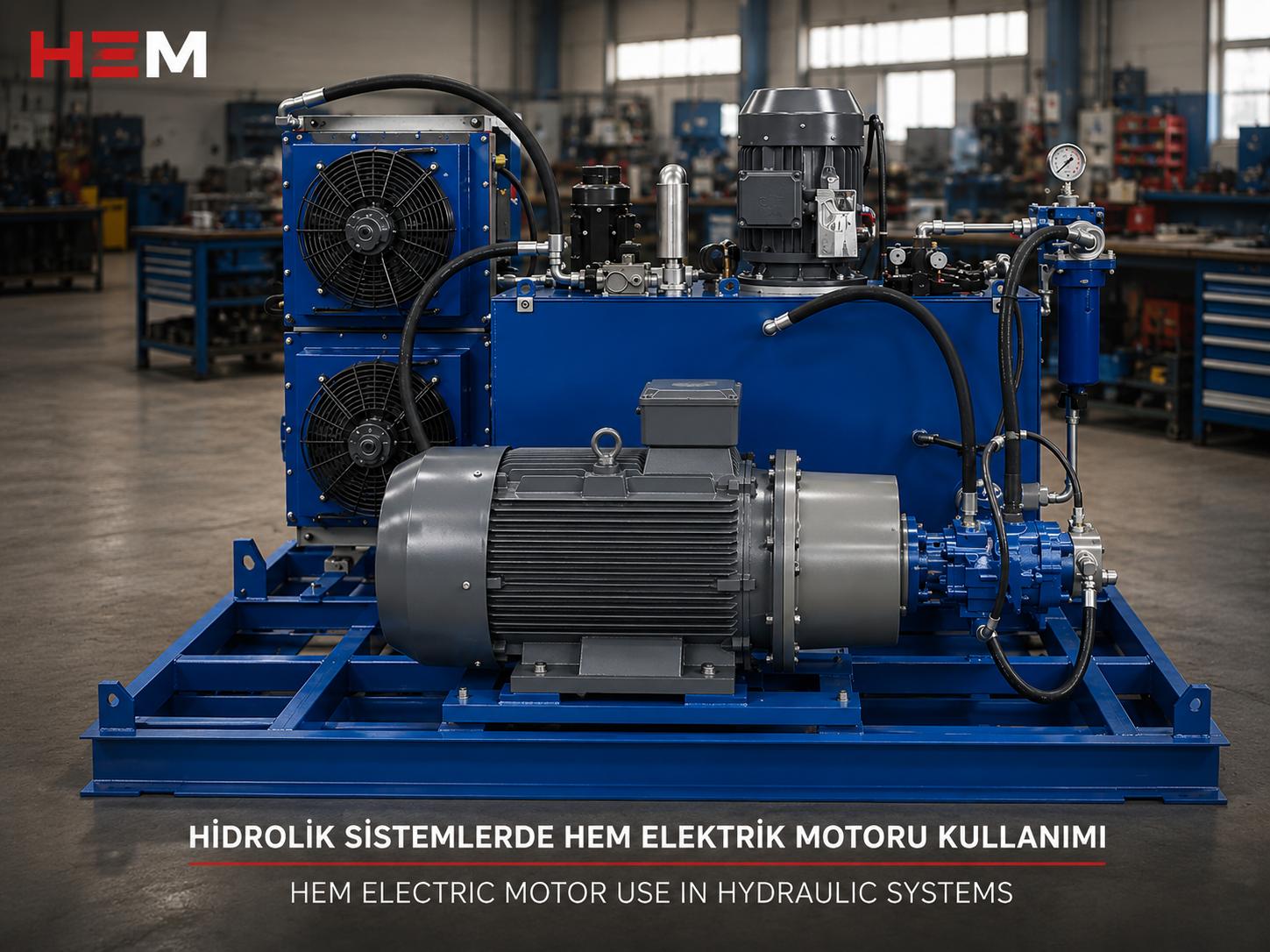

Paint and coating plants are among the industrial sectors with the highest explosive atmosphere risk. During the dissolving of solvent-based resins, the dispersion of pigments and the packaging of the finished product, alcohol, ester and ketone derived solvent vapours are continuously released into the air. Once these vapours reach certain concentrations, even the smallest spark or hot surface can trigger a fire or explosion. This is precisely why the correct selection of electric motors in such a plant is not merely a matter of efficiency, but a direct matter of life and asset safety.
A motor that drives the shaft of a dissolver, rotates the drum of a ball mill or feeds a dosing pump must be designed so that it cannot ignite the flammable atmosphere around it. A standard asynchronous motor is not suitable for this duty; what is required is a certified explosion proof motor that complies with the international ATEX directive. In this article we cover the zone classification, protection types, temperature classes and gas groups that govern motor selection in paint and varnish plants, along with practical rules specific to dissolver, mixer and reactor applications.
At HEM Motor we configure our IE3/IE4 efficiency class motor range, with cast iron housings and 100% copper windings, to suit the demanding conditions of the paint and coating sector. Our aim is to place the right protection category motor in the right application, securing both regulatory compliance and long, uninterrupted production.
How Does an Explosive Atmosphere Form in a Paint Plant?
Solvents are at the heart of paint manufacturing. To reduce resin viscosity, wet the pigment and adjust application properties, volatile organic compounds such as xylene, toluene, acetone, ethyl acetate and butanol are used. These substances evaporate even at room temperature and form a flammable mixture in the air. The concentration band in which the mixture can ignite lies between the Lower Explosive Limit (LEL) and the Upper Explosive Limit (UEL).
These vapours accumulate at the mouth of the dissolver tank, around the resin melting kettle, on the filling line and in the solvent storage area. If ventilation is insufficient, the vapour cloud grows and a persistent explosive atmosphere seeking an ignition source forms. The ignition source may be an electrical spark, a static discharge or the overheated surface of a motor. The fundamental goal in motor selection is to eliminate all three of these triggers.
Which Solvents Are More Dangerous?
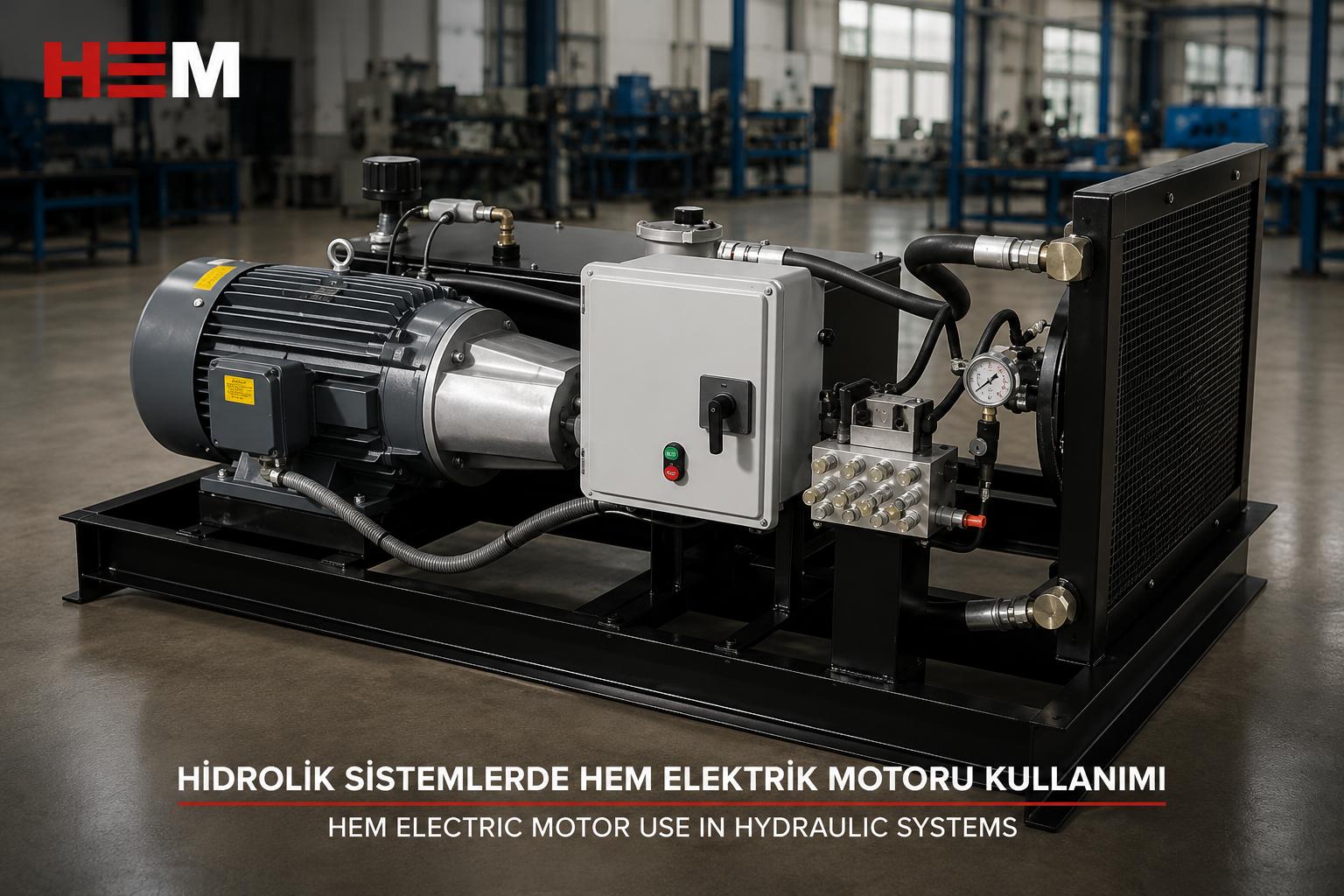
The risk level depends on the solvent's flash point and vapour density. Low flash point ketones and esters such as acetone and ethyl acetate are in the most dangerous group because they release flammable vapour even at low temperatures. Aromatics such as toluene and xylene carry medium to high risk. Even in water-based paints, coalescing agents and glycol ether derivatives can form flammable vapour under certain conditions. For this reason the assumption that "we are water-based, there is no risk" is dangerous, and every plant must carry out its own hazardous area assessment.
The ATEX Directive and the 2014/34/EU Framework
ATEX derives from the French phrase "ATmosphères EXplosibles" and is the European Union directive that sets out the design, manufacture and certification rules for equipment used in explosive atmospheres. The key regulation affecting equipment manufacturers is Directive 2014/34/EU. Under this directive, an electric motor cannot be installed in an explosive atmosphere without passing through a certification process proving it can operate safely in such an environment.
In paint and varnish plants there are two distinct worlds: from the perspective of the employer who purchases and installs the equipment, there are workplace regulations on protecting workers from the dangers of explosive atmospheres; from the perspective of the party that manufactures and supplies the equipment, there is the product directive. Our area of responsibility at HEM Motor is to supply the motor with the correct protection type and category, accompanied by the appropriate documentation. The question of when an explosion proof ATEX motor is required is a decision that should be clarified at the very start of a project.
Zone Classification: Zone 1, Zone 2 and Dust Zones
The first step in managing explosive atmospheres is to divide the plant's hazardous areas into zones. For gas and vapour hazards, three zones are defined:
- Zone 0: An area where a flammable gas or vapour is present continuously or for long periods. Locations such as the inside of a tank or a closed mixer volume fall into this class, and no motor housing is placed here.
- Zone 1: An area where a flammable atmosphere may occasionally form under normal operating conditions. Areas such as around the dissolver mouth or near the filling station are typically classed as Zone 1.
- Zone 2: An area where a flammable atmosphere may form only briefly, during a fault or abnormal condition. The peripheral parts of the general production hall may fall into this class.
For dusty environments (for example powder pigment feeding or dry mixing lines), the Zone 21 and Zone 22 classification is used. Since paint plants may have both gas/vapour and dust risks together, some areas are assessed as dual hazardous zones. The protection category of the motor is determined by the zone in which it will be placed: category 2G (equipment category 2, gas) for Zone 1, and category 3G is sufficient for Zone 2. For dust, categories 2D and 3D apply respectively.
Matching Zone to Protection Category
This match is the backbone of motor selection. Placing a category 3G motor in a Zone 1 area is non-compliant and creates a serious safety gap. Conversely, placing a 2G motor in a Zone 2 area is safe but can unnecessarily increase cost. Buying a motor without a correct zone definition leads to a loss of both money and safety. For this reason, communicating clear zone information when raising a motor request is critically important.
Protection Types: Ex db, Ex ec and Ex e
How a motor stays safe in an explosive atmosphere is determined by the protection method applied to it. The most common protection types in paint and varnish plants are:
- Ex db (flameproof enclosure): The motor housing is designed to withstand an internal explosion and prevent the flame from escaping. Any internal ignition stays inside the enclosure, and the external vapour cloud is not ignited. It is the classic solution for Zone 1 applications.
- Ex e (increased safety): Additional measures are taken to minimise the risk of sparking and overheating between windings, terminal box and terminals. It is often used together with Ex db.
- Ex ec (increased safety, Zone 2): A more economical protection level optimised for Zone 2 areas. It is preferred when vapour is expected only in abnormal conditions.
In the high-risk areas of paint plants, Ex db (or an Ex db eb combination) is generally preferred, while in peripheral and lower-risk areas Ex ec motors offer a cost advantage. To correctly analyse whether a motor truly requires explosion proof construction, the decision of explosion proof versus standard asynchronous motor should be made by evaluating zone and application together.
Selecting the Temperature Class and Gas Group
Protection type alone is not enough. The motor's surface temperature must remain below the ignition temperature of the solvent vapour in the environment. This is expressed by the temperature class:
- T1: maximum surface temperature up to 450 °C
- T2: up to 300 °C
- T3: up to 200 °C
- T4: up to 135 °C
Since many solvents used in paint and varnish production have low ignition temperatures, T3 or the safer T4 class motors are most often required. For example, some ether and sulphur derivatives have a low ignition temperature, in which case T4 becomes mandatory. In motor selection, the class must be determined according to the most critical solvent (the one with the lowest ignition temperature) used in the plant.
The gas group is the classification made according to the explosion energy and gap clearance characteristics of the gas in the environment. Most organic solvents fall into group IIA or IIB. Group IIB covers a wider range; special cases involving hydrogen or acetylene fall into group IIC, which is rare in paint plants. Correct gas group selection directly affects the gap tolerances of the flameproof enclosure design. For these details, obtaining expert support during the paint, varnish and chemical factory electric motor supply process eliminates the risk of incorrect selection.
Dissolver, Mixer and Reactor Motors
In paint production, the majority of motor power is spent on mixing and dispersing operations. Each of these applications has its own characteristic load:
Dissolver Motors
A dissolver disperses pigments and fillers within the resin using a high-speed disc. This process requires high shear force, and the motor needs high starting torque, robust bearings and a cast iron housing capable of dissipating heat. HEM range IE3/IE4 dissolver motors are configured with class F insulation and IP55 protection to withstand these demanding cyclic loads. If they are to operate in an explosive zone, the ATEX protection type is added to these features.
Mixer and Reactor Motors
Low-speed mixer applications usually generate high torque when combined with a gearbox. In reactor and blending tanks, the product viscosity changes throughout the process, so the motor must remain stable under variable load. In these applications a B5 or B35 flange connection is preferred for direct mounting to the gearbox. Since heat management is critical in motors running continuously at low speed, an external cooling fan or thermal protection sensors are added where needed.
Dosing Pumps, Extractors and Conveyors
Dosing pump motors used for colourant dosing, solvent transfer and line feeding may be relatively low power; however, when located in an explosive zone they must still be ATEX certified. Extractor and fan motors that remove solvent vapour from the environment are the most critical link in safety; when these fans stop, the vapour concentration rises rapidly. For this reason the reliability and correct protection class of ventilation motors are not open to compromise.
Supplying the Right Motor and the HEM Motor Approach
When supplying a motor for a paint and varnish plant, the sequence to follow is clear: first the hazardous area classification is carried out, then for each machine the required protection category (2G/3G), protection type (Ex db/Ex ec), temperature class (T3/T4) and gas group (IIA/IIB) are determined. Once these parameters are finalised, power, speed, mounting type (B3/B5/B35) and efficiency class are added.
At HEM Motor we configure our motors in the 0.55–355 kW range, with cast iron housings, 100% copper windings and class F insulation, to meet this multi-layered requirement. For plants wishing to reduce energy costs, IE3 efficiency class electric motors deliver both regulatory compliance and operating economy. Our experience with chemical, pharmaceutical and detergent factory motor selection, which involves chemical loads similar to those in paint plants, allows us to provide correct guidance on sector-specific solvent resistance and protection type.
For current electric motor prices and ATEX motor options specific to your application, sending your request together with zone, power and application information ensures you receive the most accurate and fastest quotation. The cost of a wrongly selected motor is not just the purchase price; it is production downtime, inspection penalties and, in the worst case, the risk of an accident.
Frequently Asked Questions
Does every motor in a paint plant have to be explosion proof?
No. Only motors operating in defined hazardous zones (Zone 1, Zone 2, Zone 21, Zone 22) need to be ATEX certified. Motors located in a separate technical space isolated from solvent vapour can be standard. However, zone classification must always be done expertly, and any area that is uncertain should be treated as hazardous to stay on the safe side.
Which protection type is required for Zone 1 and Zone 2?
For Zone 1 areas, Ex db (flameproof enclosure) or an Ex db eb combination, category 2G motors are typically used. For Zone 2 areas, the more economical Ex ec (increased safety), category 3G motors are sufficient. The selection is made according to the actual hazard level of the area and the gas group present.
Should I choose temperature class T3 or T4?
This depends on the ignition temperatures of the solvents used in the plant. The motor surface temperature must remain below that of the solvent with the lowest ignition temperature. While T3 is sufficient in most paint plants, if low ignition temperature solvents are used, a T4 class motor should be preferred. When in doubt, the safer T4 is chosen.