English
 Türkçe

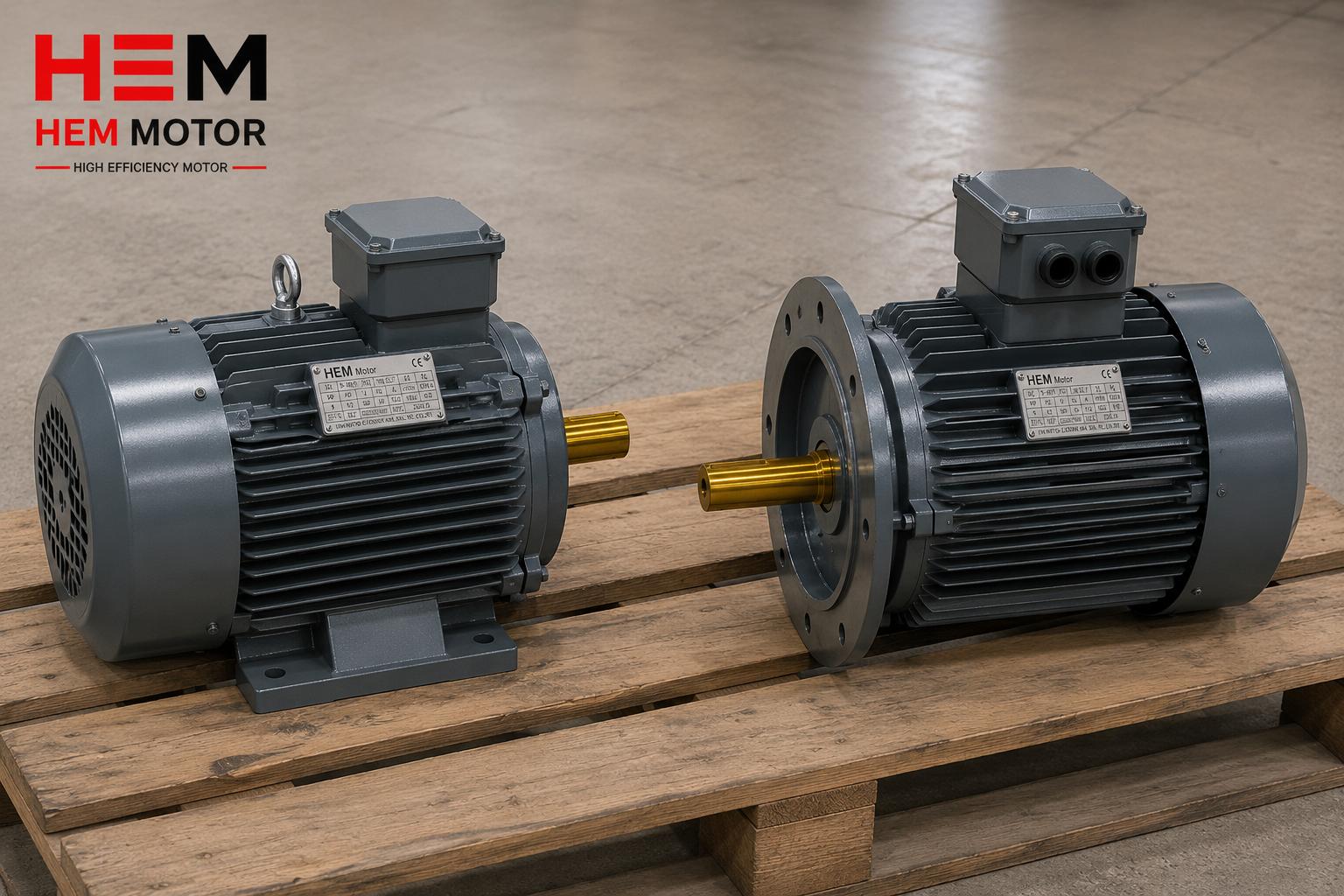

Cold-climate conditions are one of the most underestimated challenges for an electric motor. While factors such as high temperature and dust are discussed frequently, the burdens that low temperature, and especially winter conditions, place on a motor are often overlooked. Yet an IE4 motor operating in sub-zero environments faces special problems such as condensation, a demanding first start and the stiffening of grease. Without the right precautions, these problems can drive even the most efficient motor to premature failure.
As a manufacturer and a from-stock supplier, we emphasise that selecting motors with the correct equipment for cold regions is critical. In this article we cover, from a technical standpoint, how condensation forms at low temperature, the role of anti-condensation (space) heaters, first-start difficulties, grease and insulation selection, and the advantages of the IE4 super-premium efficiency class under these conditions. If you would like to identify the right motor for a cold climate, share your conditions and request a quote.
The Effects of Low Temperature on the Motor
A motor's rated values are usually given with reference to a 40°C ambient temperature. In the real world, however, motors may have to operate at -20°C, -40°C or even lower. These conditions change both the electrical and mechanical behaviour of the motor.
The Behaviour of Materials in the Cold
At low temperature, metals contract while plastics and elastomers harden and become brittle. Seals, terminal box gaskets and cable insulation can lose their flexibility in extreme cold. For this reason, motors designed for cold climates use seal and gasket materials resistant to low temperature.
Stiffening of the Grease
Standard bearing grease stiffens and its viscosity increases at low temperature. This causes the bearings to turn with a high friction torque at first start, or even prevents the grease from performing its lubrication duty. In cold-climate motors, the use of a special low-temperature grease that remains fluid over a wide temperature range is essential.
Condensation and Anti-Condensation Measures
The most insidious danger a motor faces in a cold climate is condensation forming inside it. When the motor stops, it cools; humid air enters the motor and condenses into water droplets on the cold surfaces. Over time, this water weakens the winding insulation and causes corrosion on metal parts.
How Does Condensation Form?
While the motor runs it heats up and the air inside expands. As it cools when stopped, this air contracts and humid air is drawn in from outside. When the temperature falls below the dew point, the water vapour in this humidity condenses on the windings and the inner surface of the frame. Especially in winter conditions with large day-night temperature differences, this cycle repeats every day and water gradually accumulates.
Anti-Condensation (Space Heater) Elements
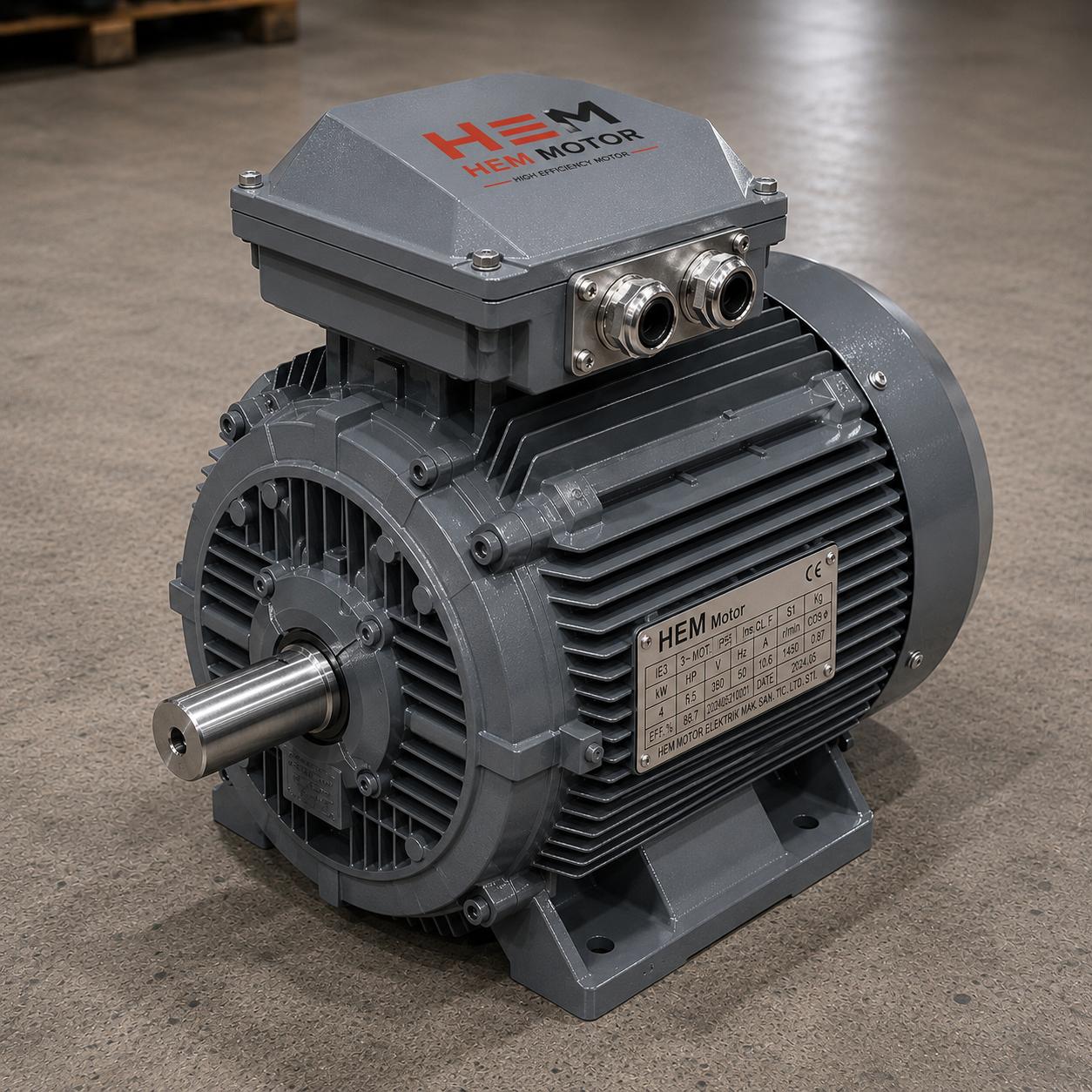
The most effective way to prevent condensation is to keep the inside of the motor a few degrees above ambient temperature when it is stopped. This is provided by low-power anti-condensation heaters (space heaters) placed in the windings or frame. Activated when the motor stops, these heaters keep the internal air dry and prevent condensation. In cold-climate motors this feature is almost mandatory.
- Anti-condensation heater: heats the motor during standstill to prevent condensation.
- Low-temperature grease: remains fluid over a wide temperature range.
- Tropicalised winding: additional varnish coating resistant to moisture and corrosion.
- Drain plugs: drain holes in the frame for the evacuation of accumulated water.
First-Start (Cold-Start) Difficulties
The first start of a motor that has stood in the cold for a long time is far more demanding than under normal conditions. Stiffened grease, contracted housings and increased friction raise the starting torque.
The Need for High Starting Torque
Cold grease creates a high initial friction torque in the bearings. The motor needs a higher starting torque than normal to overcome this added resistance. For this reason, it is important to select a motor with adequate torque reserve in cold-climate applications.
Gradual Warming and Pre-Heating
At very low temperatures, pre-heating the motor for a while with the anti-condensation heaters before starting softens the grease and eases the first start. This simple precaution extends the life of both the motor and the connected equipment. Direct full-load starting in extreme cold can lead to mechanical strain.
Advantages of the IE4 Efficiency Class in a Cold Climate
The IE4 super-premium efficiency class offers an advantage not only in energy saving but also under cold-climate conditions. The low losses that come with high efficiency positively affect the motor's thermal behaviour.
Low Losses, Low Thermal Stress
In IE4 motors, losses are low thanks to higher-quality electrical steel, more copper cross-section and optimised design. Low losses mean the windings heat up less, which reduces the stress brought by cold-hot thermal cycles. Fewer thermal expansion-contraction cycles extend insulation life.
Wide Operating Range
An efficient motor has the thermal reserve to operate with a cold frame even at rated load. This keeps the motor within safe temperature limits even in harsh winter conditions. On efficient motor selection, we address the pitfalls of choosing an unnecessarily large motor in our article on oversizing and downsizing.
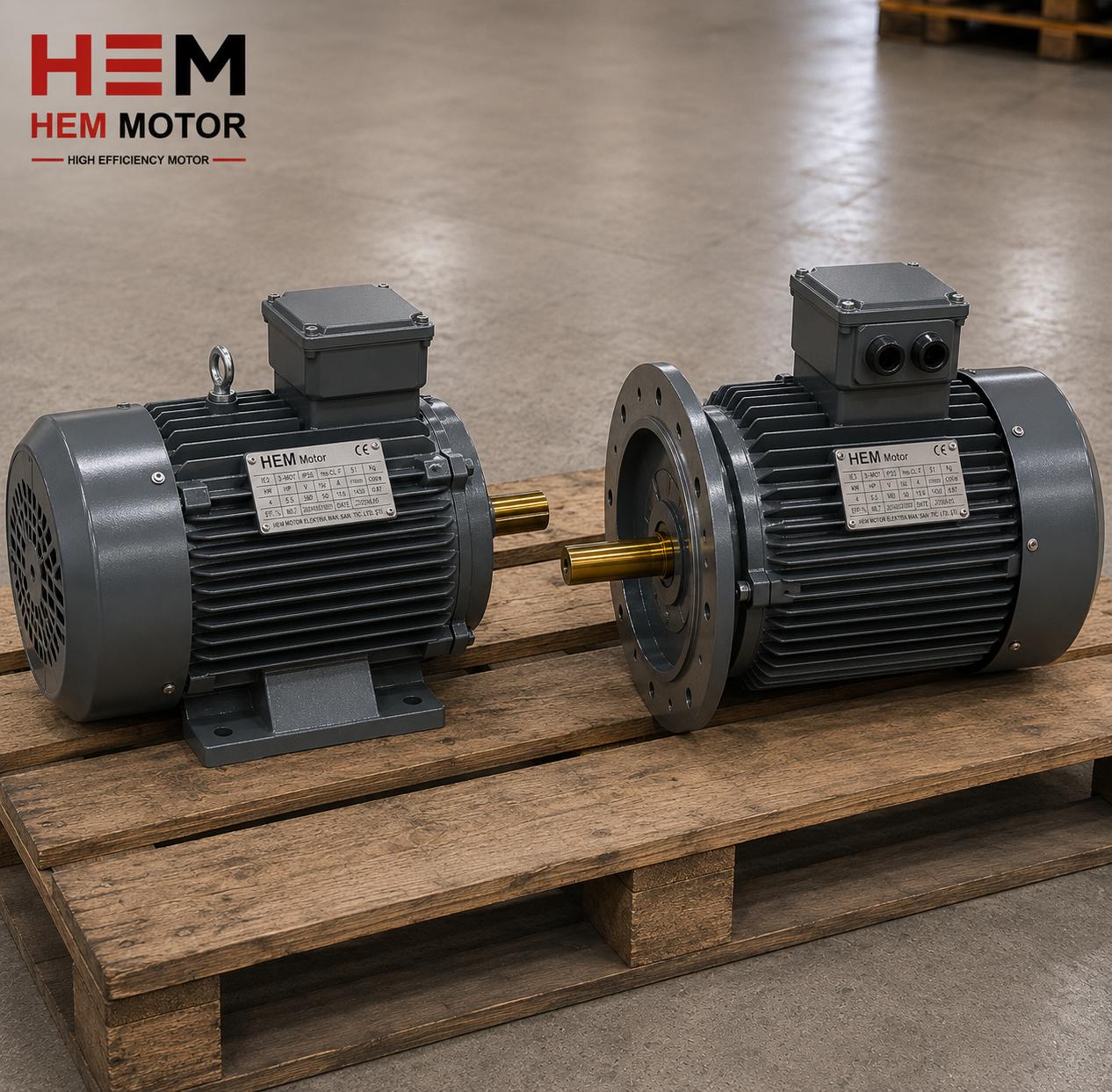
Protection and Mounting Details in a Cold-Climate Motor
A cold climate comes not only with low temperature but often with snow, icing and moisture. For this reason, the motor's mechanical protection and mounting details must also be selected to suit these conditions.
Protection Class and External Factors
In outdoor applications exposed to snow and icing, at least IP55 and preferably IP65 protection is recommended. The fan cover design is also important to prevent snow accumulation from clogging it. For motors operating in the open, an additional protective canopy may be considered.
Insulation and Winding Protection
In cold and humid environments, a tropicalised winding (with additional impregnation varnish) forms an extra barrier against moisture and corrosion. Together with the anti-condensation heaters, this provides a second line of defence against condensation.
Similar Demanding Applications
The first-start and moisture challenges faced by cold-climate motors are shared with other demanding applications. For example, pump station submersible pump motors require similar diligence regarding moisture and sealing. Likewise, many industrial motors operating outdoors benefit from cold-start and condensation measures.
Our Approach to Correct Supply
A cold climate is a real engineering challenge that must not be overlooked for a motor. When the right grease, anti-condensation heater, suitable protection class and a high efficiency class come together, a reliable motor is achieved even in winter conditions. The range of IE4 efficiency-class motors we supply from stock covers a wide power range and can be configured with cold-climate equipment.
Share your operating temperature, ambient conditions, power and mounting requirements with us to request a quote for the ideal motor.
Frequently Asked Questions
Why is an anti-condensation heater needed in a cold-climate motor?
When the motor stops it cools, and humid air drawn inside condenses into water on the cold surfaces. This water weakens the winding insulation and causes corrosion. Anti-condensation heaters prevent this condensation by keeping the inside of the motor a few degrees above ambient temperature when it is stopped. In cold and humid climates this feature is almost mandatory.
Why is the first start difficult in the cold and how is it eased?
At low temperature, bearing grease stiffens and the friction torque increases, which means the motor requires higher torque at first start. To ease this, use low-temperature grease, pre-heat with the anti-condensation heaters, and select a motor with adequate torque reserve.
What advantage does the IE4 efficiency class offer in a cold climate?
In IE4 motors, losses are low, which means the windings heat up less and the stress from cold-hot thermal cycles is reduced. Low thermal stress extends insulation life. High efficiency also provides lower energy cost throughout the winter. With correct sizing, this advantage is maximised.