English
 Türkçe

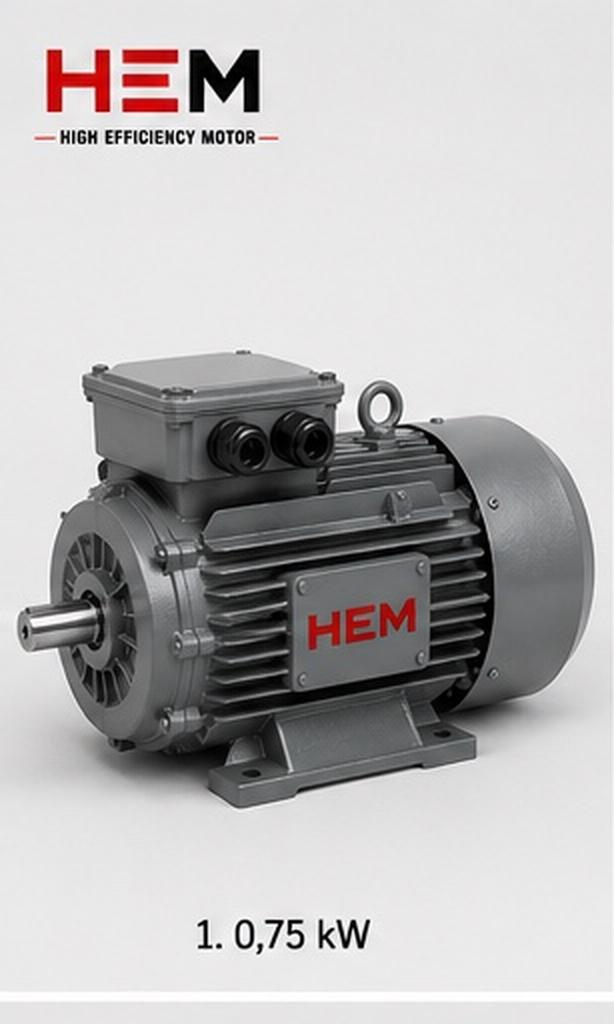

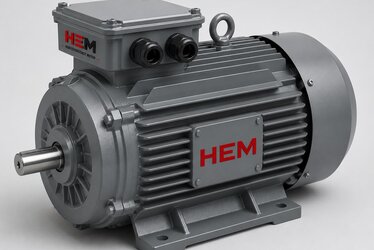
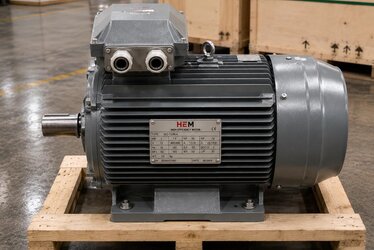
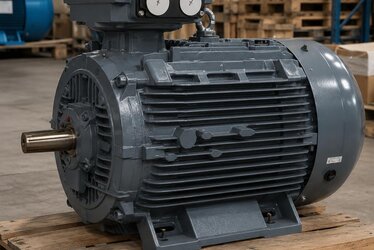
In industry, small powers carry critical tasks just as much as large ones. Conveyor drives on automation lines, small pumps, dosing systems, fans and geared drives often run on a motor between 0.37 kW and 0.55 kW. Even in this micro-power band, efficiency matters; because these motors are very numerous and run continuously. This is exactly where the 0.37 kW IE4 motor and the 0.55 kW IE4 electric motor are the right choice for plants seeking both energy savings and long life.
In this article we cover the selection of IE4 super premium efficient motors at micro powers such as 0.37 and 0.55 kW. Speed, pole count, frame size and stock availability are the decisive factors of a correct purchase even at these small powers. A correctly selected micro motor, despite its small power, makes a considerable contribution to the plant's overall energy efficiency and maintenance load. You can review all efficient motor families through the homepage.
The IE4 efficiency class denotes the super premium efficiency level and keeps losses low even at these small powers. The small saving in each of the numerous micro motors, when summed across the plant, creates a meaningful difference.

Speed and Pole Selection at Micro Power
In 0.37 and 0.55 kW motors too, the pole count determines the motor's speed and therefore its suitability for the application. 2 poles correspond to 3000 rpm, 4 poles to 1500 rpm, and 6 poles to 1000 rpm. The speed the application requires directly shapes the pole selection.
Which Pole Count for Which Application?
The 2-pole 0.55 kW IE4 motor suits small centrifugal pumps and fans requiring high speed. 4-pole motors are the most common choice for conveyors, gearbox inputs and general-purpose drives, offering a balanced middle path between speed and torque. 6-pole motors are used in applications requiring higher torque at lower speed, where slow and smooth motion is wanted. Our pole selection guide provides detail on pole selection.
The Speed-Torque Relationship
A motor of the same power produces higher torque as the pole count increases (as speed drops). When a 0.37 kW motor is selected as 4-pole, it runs at lower speed but higher torque than its 2-pole equivalent. Therefore at micro power too, alongside the question "is the kW enough", the question "do the speed and torque suit the application" must be asked. Our power and speed guide offers guidance on the power-speed relationship.
- 2-pole (3000 rpm): small pump and high-speed fan
- 4-pole (1500 rpm): conveyor, gearbox input, general drive
- 6-pole (1000 rpm): low-speed, high-torque applications
- Low loss with IE4 super premium efficiency
- Light and compact structure with aluminium frame
- Wide compatibility with B3/B5/B14 mounting options
- Fast supply advantage from stock at standard powers
Frame Size and Mounting Type
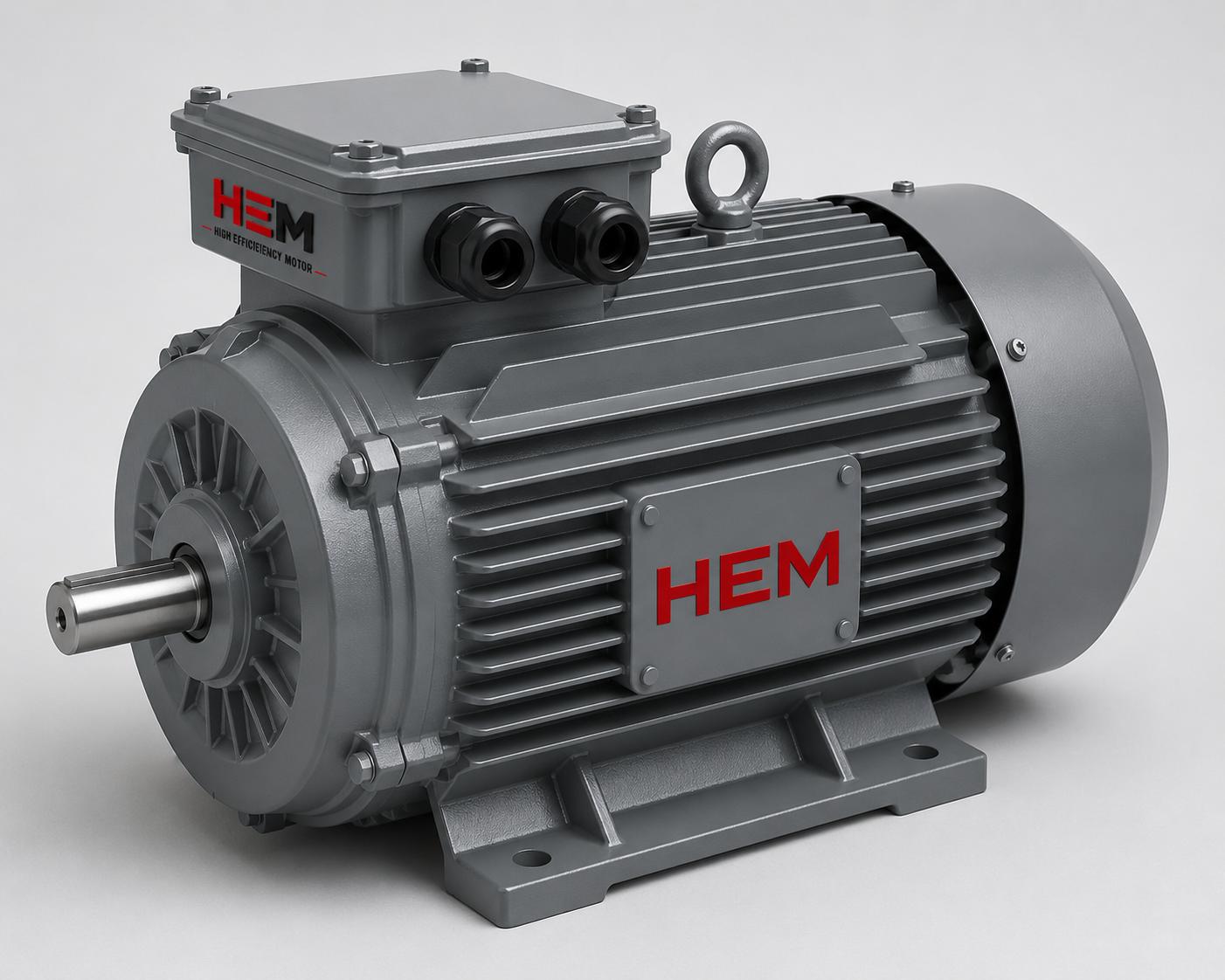
At micro powers, the frame size determines the motor's mechanical connection and physical dimensions. 0.37 and 0.55 kW motors are usually found in small IEC frame sizes (for example 71 and 80 frame). The shaft diameter, shaft length and flange dimensions of these motors must be exactly compatible with the gearbox or machine they connect to.
B3, B5 and B14 Mounting
B3 foot mounting is the most classic form, where the motor is bolted to the floor or chassis by its feet. B5 large-flange and B14 small-flange mounting are used in applications where the motor is connected directly to a gearbox or pump by its flange. B14 and B5 flanges are very common, especially in geared drives. Selecting the correct mounting type ensures the micro motor fits the machine smoothly. Our electric motors for gearboxes options can be reviewed for geared applications.
Typical Applications of Micro Motors
Knowing where 0.37 and 0.55 kW motors are used makes the right selection easier. These powers are the unseen but indispensable drive elements of the automation and machinery industry. On a production line, dozens of these micro motors may run at the same time; each performs a small task, but together they set the rhythm of the line.
Conveyor and Handling Systems
Small belt conveyors, roller handling systems and dosing belts are usually driven through a gearbox by 4-pole micro motors. In these applications the motor runs continuously and regularly; efficiency and reliability are paramount. The 0.55 kW IE4 electric motor stands out in such drives with both low energy consumption and long life. When used with a gearbox, the desired low output speed and high torque are easily obtained.
Pump, Fan and Dosing
Small centrifugal pumps, circulation pumps, small ventilation fans and chemical dosing pumps also run in the micro-power band. In these applications speed selection is critical: pump and fan performance depend directly on speed. A 2-pole 0.55 kW IE4 motor is preferred in small pumps requiring high speed, while 4-pole is chosen where calmer flow is wanted. The correct speed optimises both performance and energy efficiency.
The Importance of Efficiency at Micro Power
The question "what difference does efficiency make at such small power?" is common; but the answer is often different from what is thought. A plant may contain dozens, even hundreds, of 0.37 and 0.55 kW motors, and most of these run continuously. The small efficiency gain in each motor turns into a serious energy saving in total. The 0.55 kW IE4 electric motor consumes less electricity over its life than a lower-efficiency equivalent.
Total Cost of Ownership
In micro motors too, the purchase price is small compared with lifetime energy cost. The energy a continuously running motor consumes annually soon exceeds its purchase price. So preferring IE4 even at micro power both lowers operating cost and contributes to the plant's overall efficiency targets. In automation plants with many micro motors, this effect becomes even more pronounced.
0.37 kW or 0.55 kW? Correct Power Selection
The choice between 0.37 and 0.55 kW, two neighbouring values in the micro-power band, must rest on the application's real load need. In many plants a higher power is chosen "to be safe"; but this both increases the initial investment and can cause the motor to run at low load with low efficiency. The correct power is determined by adding a reasonable safety margin to the real shaft power the application draws. An oversized micro motor is not only more expensive; running at low load with a low power factor, it draws unnecessary reactive power from the grid and its efficiency drops.
Stock and Fast Supply
Micro powers are the most frequently replaced and most needed motors in a plant; so fast supply from stock is very important. When a conveyor or small pump motor fails, the line must be returned to service quickly. Keeping standard powers such as the 0.37 kW IE4 motor and 0.55 kW in stock minimises production loss during these emergency replacements. You can review our efficient electric motor product group for efficient micro motor options.
Voltage, Connection and Protection
Micro motors usually run at 230/400 V, with star or delta connection. At these small powers the motor is most often started direct-on-line (DOL), because the starting current is low compared with large powers and poses no problem for the grid. Even so, correct fuse, contactor and thermal relay selection is necessary to protect the motor against overload and phase loss. In terms of protection class, IP55 is a common choice for a standard micro motor; a higher protection class may be wanted in dusty or humid environments. The insulation class is usually F and suitable for continuous operation.
Use with a Variable Speed Drive
In many automation applications, micro motors are run with speed control by a variable speed drive. The drive adjusts the conveyor or pump speed to the production need, providing both flexibility and energy saving. For micro motors running on a drive, inverter-duty insulation and adequate cooling at low speed should be considered. The low losses of IE4 super premium motors also provide an advantage in drive applications.
A Checklist for Correct Micro Motor Purchasing
When buying a motor at micro power, the small power should not be misleading; there are a few basic items to check for the correct selection. First the power the application requires is clarified: is 0.37 kW enough, or is 0.55 kW needed? Then speed and pole count are determined according to the speed and torque need. Then the mounting type and frame size are selected according to the machine the motor will connect to. After these basic parameters are clear, voltage, protection class and any special requirements are defined. Finally, stock availability and lead time are evaluated; because micro motors are often an urgent need. Using motors of the same type and series across the plant also simplifies spare-part management and lowers total cost.
Frequently Asked Questions
Which pole count is most common in 0.37 and 0.55 kW motors?
The 4-pole 1500 rpm motor is the most common choice at micro powers; it has a good speed-torque balance in conveyors, gearbox inputs and general-purpose drives. 2-pole is preferred in small pumps and high-speed fans, and 6-pole in applications wanting low speed and high torque. The choice is made according to the speed the application requires.
Does IE4 really make a difference at such small power?
Yes. Although the difference looks small in a single motor, dozens to hundreds of micro motors run continuously in a plant. The small efficiency gain in each turns into a serious energy saving in total. In addition, IE4 super premium motors run cooler and are usually longer-lived, which also reduces the maintenance load.
Why is frame size important when selecting a micro motor?
The frame size determines the motor's shaft diameter, shaft length and flange dimensions; these must be exactly compatible with the gearbox or machine it connects to. If the wrong frame size or mounting type is chosen, even a correctly rated motor will not fit mechanically. So in 0.37 and 0.55 kW motors, the frame and mounting type must be selected as carefully as the power. When searching for a replacement of an existing motor, transferring the old motor's frame size, shaft dimensions and flange data exactly ensures the new motor fits the existing mounting without trouble.