English
 Türkçe

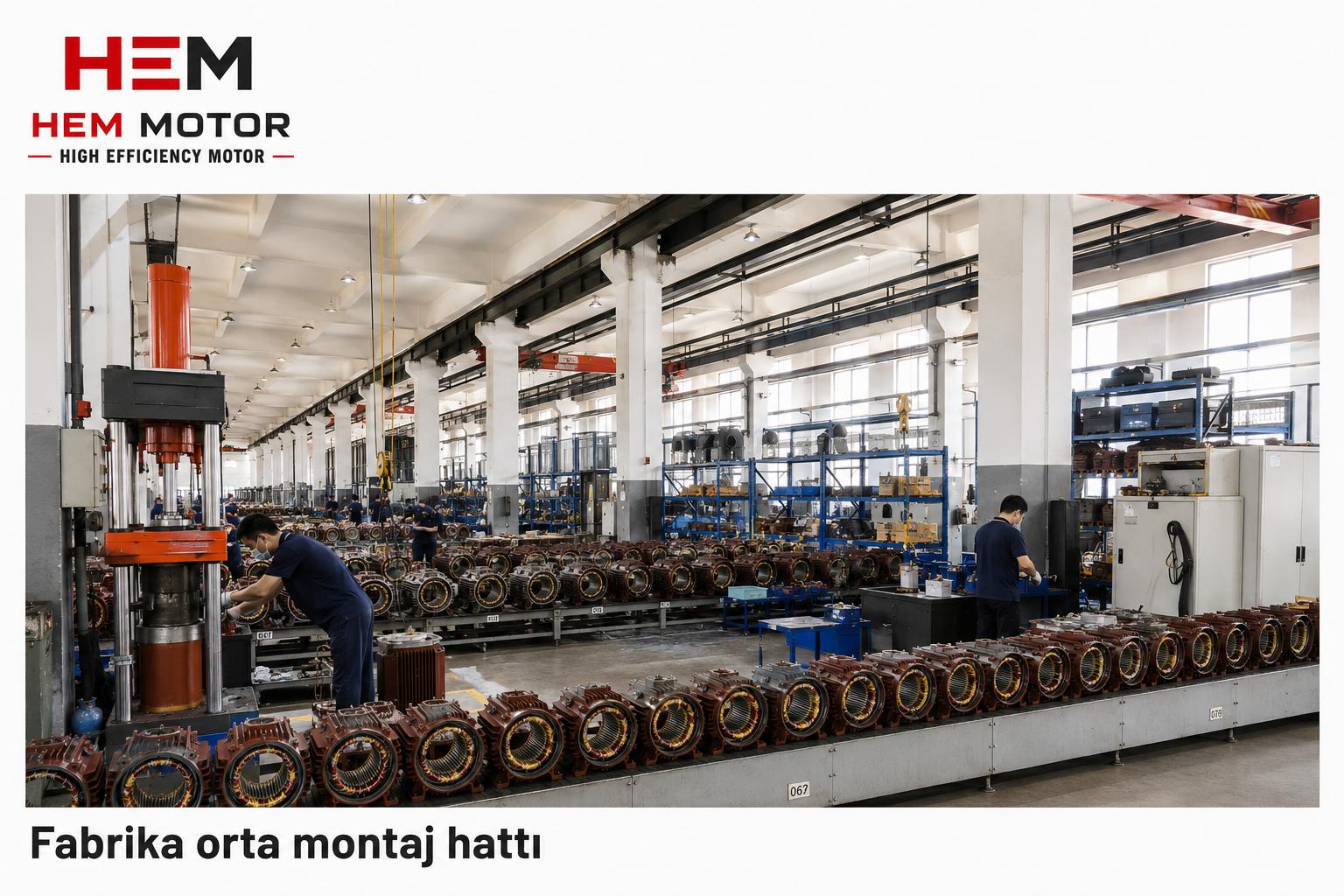

In a plant dozens, sometimes hundreds, of motors run, and it is not possible to renew them all at once. So which motor to replace first is the wisest decision in terms of both carbon reduction and budget? The tool that gives the soundest answer to this question is the marginal abatement cost curve: in short, the MACC (Marginal Abatement Cost Curve). In this article we discuss how MACC prioritizes motor renewal investments, which motors should be written at the top of the list in carbon reduction, and how the right supply combines with this decision.
As HEM Motor, we offer plants not just individual motors but a renewal strategy. The logic that determines which motor to replace first and which later both lowers the energy bill and reduces the carbon footprint. Below we explain this logic with numbers and applicable steps.
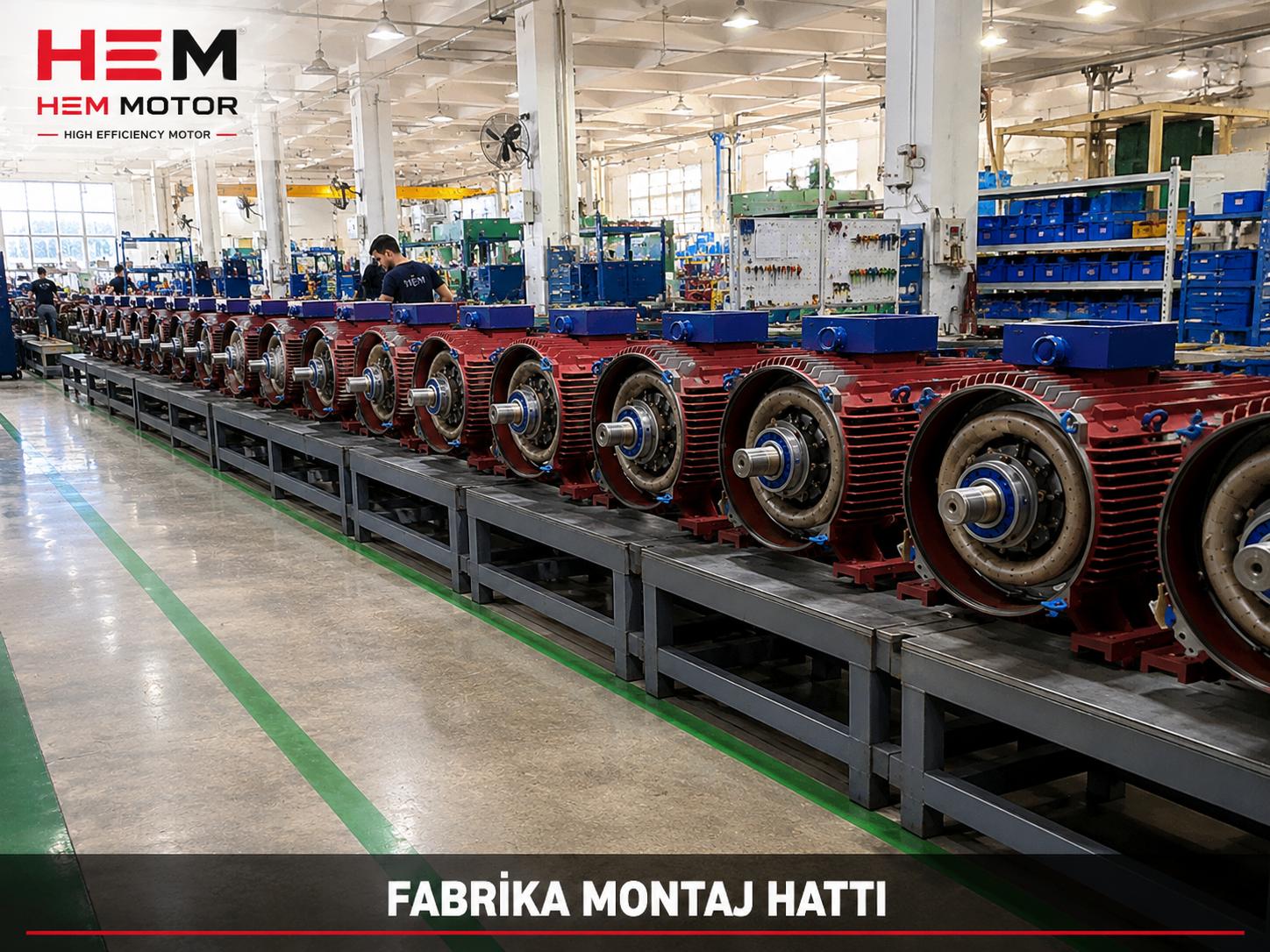
What Is MACC, and What Does It Have to Do With Motor Renewal?
The marginal abatement cost curve is a chart that ranks the different measures a plant can take to reduce its carbon emissions according to the per-ton carbon cost each one abates. The horizontal axis shows the total carbon that can be abated, and the vertical axis shows the per-ton cost of each measure. Measures are ranked from the cheapest (or even negative cost) to the most expensive.
Motor renewal is often located on the far left of the MACC, that is, in the negative-cost region. Negative cost means this: the measure not only reduces carbon but, thanks to energy savings, pays for itself and provides a net gain. That is why switching to an efficient motor is usually the first step to apply in a carbon reduction strategy; because it is both cheap and profitable.
What Does a Negative-Cost Measure Mean?
If a motor measure is negative-cost, the energy saving the investment brings is greater than the investment itself. That is, renewing the motor both lowers carbon emissions and earns the business money. In MACC logic such measures are always a priority; because instead of consuming the budget, they feed it. We covered in detail how total cost of ownership is calculated in a high-efficiency motor in our article on total cost of ownership (TCO) in high-efficiency motors.
Which Motor Should Be Replaced First?
MACC logic turns the intuitive decision in motor renewal into a concrete ranking. The renewal priority of a motor is determined by the per-ton carbon abatement cost, and the factors that lower this cost are:
- High annual operating hours: A motor running 8000 hours a year carries far more saving potential than one running 1000 hours.
- Low current efficiency: Renewing an old, IE1 or IE2 class motor provides much greater gain than one that is already IE3.
- High load ratio: Motors running continuously near their nominal load give the highest absolute saving.
- Large power: The same efficiency increase means absolutely more kWh saving in a high-power motor.
When these factors come together, the motor usually written at the top of the list is this: a continuously running, old and heavily loaded high-power motor. Renewing this motor abates the most carbon at the least cost. The basis of this prioritization is a solid motor inventory; we explained the inventory process in our article on energy efficiency audit and plant motor inventory.
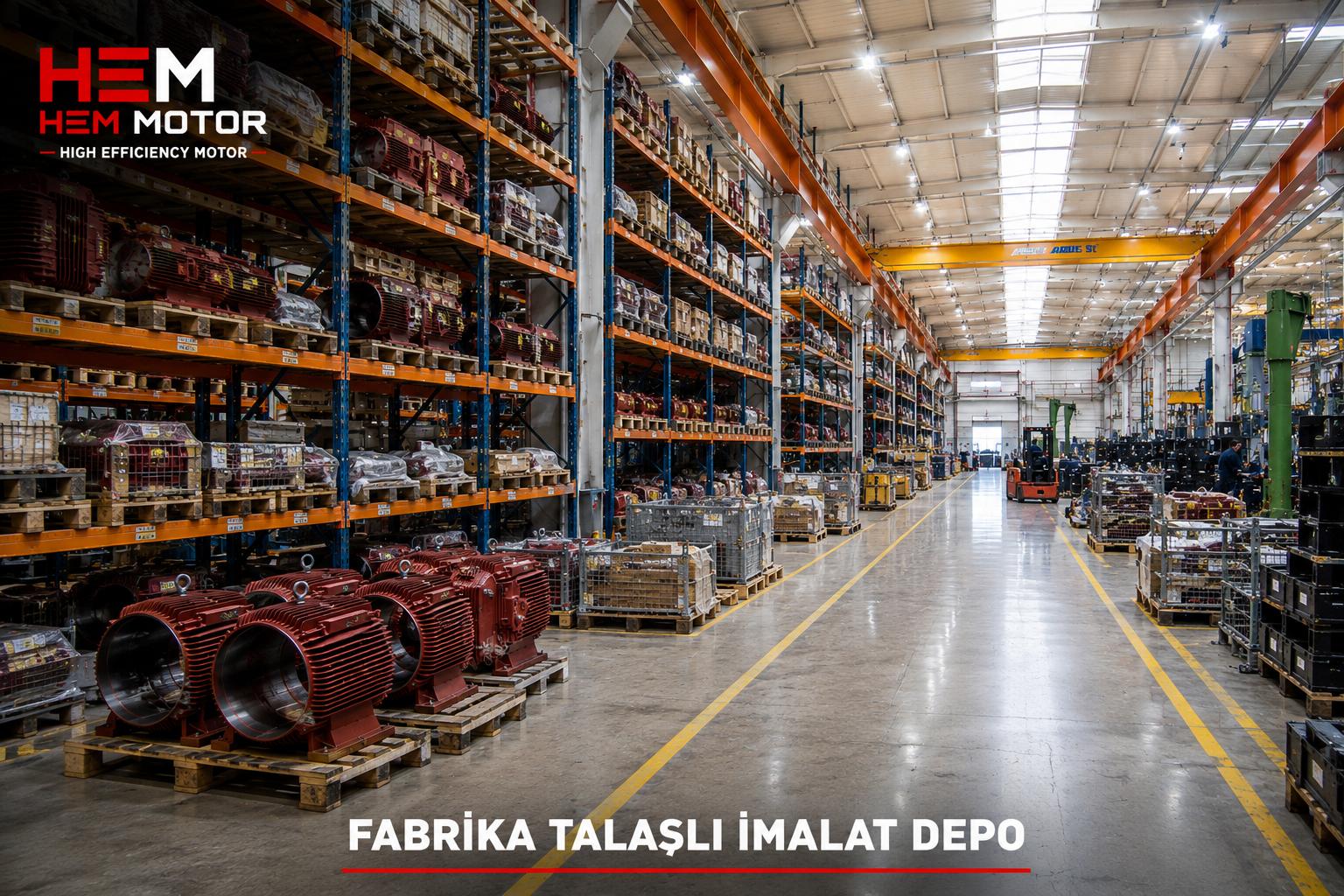
Comparing MACC With Other Efficiency Measures
Motor renewal is not the only option on a plant's carbon abatement menu; lighting renewal, heat insulation, waste heat recovery, frequency drive applications and renewable energy investments are also on this list. The value of MACC is that it makes all these measures comparable by the same measure, that is, per-ton cost. When this comparison is made, raising the efficiency class of continuously running motors often stands out as one of the cheapest and fastest-paying measures.
The reason is that motors make up a very large part of a plant's electricity consumption. A significant portion of the electricity consumed in industry goes to electric motors; therefore even a small efficiency improvement here turns into a large saving in absolute terms. That is why, when designing a carbon reduction program, motor renewal is almost always the first low-risk, proven measure to be addressed. Other measures only enter the queue after the easy gains on the motor side have been collected.
Motor Inventory: The Basis of MACC
The MACC ranking is only meaningful with the right data. Therefore, before prioritization, the plant's motor inventory must be drawn up. For each motor the following information is collected:
- Rated power (kW) and efficiency class (IE1/IE2/IE3/IE4).
- Annual operating hours and duty type (continuous or start-stop).
- Actual load ratio (at what percentage of nominal the motor runs).
- Age and maintenance history (rewound or not, how many times).
- The application it is connected to (pump, fan, conveyor, compressor).
This inventory shows how much energy each motor consumes and what it will gain when renewed. Old motors that have been rewound many times stand out in particular; because each rewind lowers efficiency a little more, and these motors quickly climb up the MACC list. Renewal done without an inventory often replaces the wrong motor first and uses the budget inefficiently.
Carbon Reduction and Energy Saving Are Two Sides of the Same Coin
Every kWh of electricity consumed in a motor corresponds to a certain carbon emission depending on the source it is produced from. Therefore increasing motor efficiency and lowering energy consumption directly reduces the carbon footprint too. These two are not separate goals but two results of the same action: switching to an efficient motor lowers both the bill and the emissions.
For this reason MACC is a common language that brings finance and sustainability teams to the same table. For the finance person it is a negative-cost, fast-paying investment; for the sustainability team it is a measurable carbon reduction. We also covered the impact of efficient motors on the carbon footprint in our article on lowering the carbon footprint with high-efficiency motors.
An Example Prioritization Scenario
To make the MACC logic concrete, let us imagine a typical plant. Suppose this plant has three different motors: the first, a large-power, old pump motor feeding the main production line, running uninterrupted day and night; the second, a medium-power fan motor running in shifts; the third, a small conveyor motor that only kicks in occasionally. All three await renewal, but the budget is limited.
MACC logic ranks these three motors clearly. The continuously running large pump motor, due to its high operating hours and large power, provides the greatest energy and carbon saving when renewed; moreover its saving is so large that it pays back the investment in a short time. Therefore it is written at the top of the list. The shift-running fan motor is medium priority and is renewed during a planned maintenance period. The little-used conveyor motor, since the saving it would provide is small even if renewed, is at the bottom of the list and is replaced only when it fails. This simple scenario clearly shows why it is the operating profile, not the age of the motor, that is decisive.
How Is Per-Ton Cost Calculated?
The heart of MACC is calculating the per-ton abatement cost for each motor measure. The logic is as follows: first the annual energy saving (kWh) the motor will provide when renewed is found. This is calculated with the efficiency difference between the old and new motor, the motor's power, the load ratio and the annual operating hours. Then this kWh saving is multiplied by the carbon intensity of the electricity to obtain the annual carbon abatement (tons).
In the final step, the net cost of the renewal (investment minus energy saving, spread over the motor's life) is divided by the total carbon abatement. If the result is negative, the measure is both profitable and carbon-reducing and is written at the very top of the list. The beauty of this calculation is that it makes motors of different power and different operating profiles comparable by the same measure (per-ton cost). Thus a little-used 7.5 kW motor and a continuously running 90 kW motor can be ranked by the same objective criterion, and the budget is directed to the highest return.
Efficiency Class Selection: IE3, IE4 or IE5?
MACC prioritization tells which motor to renew; but which efficiency class to install in its place is a separate decision. The same logic applies here: the more and the more heavily a motor runs, the more sensible it is to move to a higher efficiency class. In an ordinary application running a few thousand hours a year, moving from IE3 to IE4 is usually a sufficient and fast-paying step.
However, in continuously loaded pump, fan and compressor applications with very high operating hours, moving to an IE5 synchronous reluctance motor can provide savings large enough to justify the extra investment. We detailed the total cost difference between efficiency classes in our article on the IE5, IE4 and IE3 total cost of ownership comparison. When the right efficiency class is selected according to the motor's operating profile, that measure on the MACC reaches its most advantageous position.
Putting Prioritization Into Practice
The ranking produced by the MACC analysis is turned into a renewal schedule. A typical implementation plan proceeds as follows: first the negative-cost, highest-gain motors (continuously running large-power old motors) are replaced. Then medium-priority motors are renewed during planned maintenance periods. Low operating-hour or already efficient motors are replaced only when they fail.
This staged approach uses the budget most efficiently: the saving provided by the first motors renewed finances the subsequent renewals. Thus the plant renews its entire motor fleet through a self-feeding cycle, without making a large one-time expenditure. We showed with numbers the real gain and payback period of replacing an old motor with an IE4 in our article on the payback of replacing an old motor with an IE4.
Common Mistakes and How to Avoid Them
The most common mistake businesses make when renewing the motor fleet is deciding solely based on the motor's age or visible condition. Yet an old motor that does not run is insignificant in carbon terms, while a middle-aged motor turning day and night may be at the top of the list. Another mistake is trying to renew all motors at once and consuming the budget in one go; MACC logic recommends a staged and self-financing approach.
A third common mistake is ignoring the load ratio. A motor running well below its nominal is both inefficient and actually mis-sized; in this case the right solution is not just to raise the efficiency class but to resize the motor to the correct power. Finally, the efficiency loss of repeatedly rewound motors is often underestimated; a few-point efficiency drop after each rewind turns into a serious loss over the years in a continuously running motor. The way to avoid these mistakes is to base the decision on inventory and per-ton cost calculation rather than intuition.
Combining Renewal With Mechanical Compatibility
MACC prioritization allows you to select the right motor, but for the renewal to be smooth in the field, mechanical compatibility must also be observed. A new and more efficient motor must fit exactly in place of the old one: the same frame size, the same foot and shaft dimensions, the same mounting type. When the frame dimensions do not change as the efficiency class rises, it speeds up the renewal and eliminates the extra mechanical adjustment cost.
Therefore, when planning a renewal, a mechanical-matching check is added alongside the per-ton cost calculation. The old motor's nameplate information and connection dimensions ensure the new motor is selected to be an exact match. As HEM Motor, in renewal projects we handle these two sides together; we both determine the efficiency class that provides the highest saving and ensure the motor is delivered exactly compatible with the field and ready for commissioning. Thus prioritization does not remain on paper but comes to life quickly and smoothly in the field.
The Right Renewal Strategy With HEM Motor
Prioritizing motor renewal in carbon reduction starts with the right data and is completed with the right supply. As HEM Motor, we help you evaluate your plant's motor inventory, determine together with MACC logic which motor should be renewed first, and supply high-efficiency IE3, IE4 or IE5 motors with the correct power, speed and mounting type. To clarify your renewal strategy and for current electric motor prices you can contact us. When you share the information of your motor fleet, we build together the renewal order that provides the highest gain.
Frequently Asked Questions
Do I need complex software for a MACC analysis?
No. MACC logic is a simple prioritization tool; at its basis are the motors' power, operating hours, current efficiency and load ratio. With these data, the saving each motor will provide when renewed and the per-ton carbon abatement cost can be calculated. What matters is an accurate and up-to-date motor inventory; if the inventory is solid, prioritization can be done even with a plain table.
Which motor should I renew first?
Usually continuously running (thousands of hours a year), old and low-efficiency, high-power motors turning near their nominal load are at the top of the list. These motors provide the most energy and carbon saving at the least cost. Motors that run little or are already high-efficiency are left to the bottom of the list and are usually replaced when they fail.
Does switching to an efficient motor really earn money, or is it just a cost?
In a correctly selected and continuously running application, switching to an efficient motor is mostly negative-cost; that is, the energy saving pays back the investment and provides a net gain. This explains why motor renewal is located on the far left, in the highest-priority region, of the MACC curve. In little-used motors the payback is longer; that is why prioritization is important.