English
 Türkçe

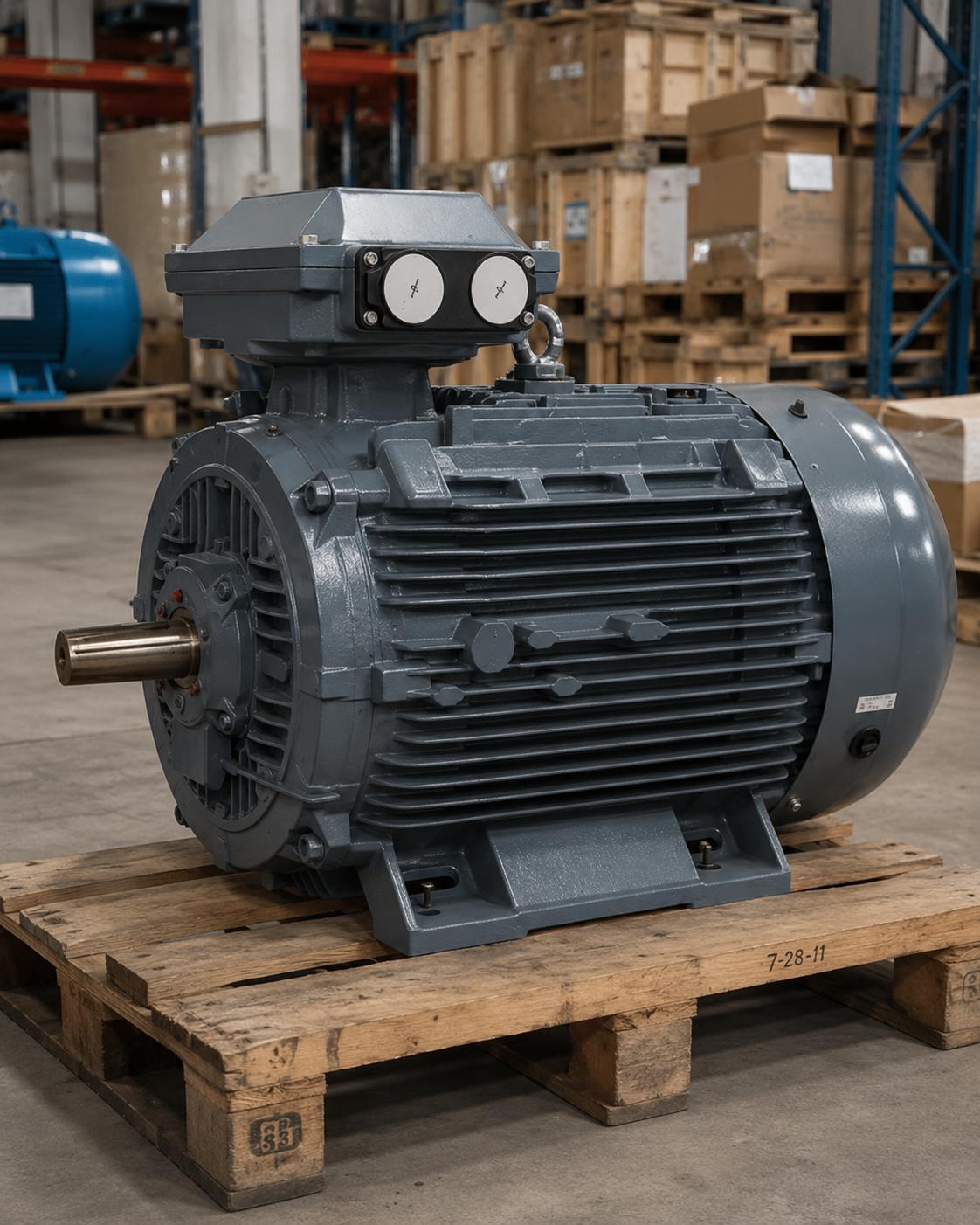

Elevator systems are among the most critical mechanical components of modern buildings, and at the heart of every such system lies a powerful, reliable electric motor. The increasingly popular machine-room-less (MRL) architecture requires the drive machine to be placed directly inside the shaft instead of in a separate machine room. This significantly tightens the performance, size, noise and thermal requirements expected from the electric motor. At HEM Motor, we supply from stock the high torque drive motors, geared-traction motor-and-reducer combinations, and auxiliary motors used throughout the elevator and MRL ecosystem. In this article, we cover the technical foundations of correct motor selection, the demands of frequent starting, and our supply process in detail.
What Is a Machine-Room-Less (MRL) Elevator and Its Impact on the Motor
In machine-room-less (MRL) elevators, the separate machine room normally located at the top of the building in conventional systems is eliminated. The drive machine is placed in a compact volume at the top or on a side wall of the shaft. This architecture frees valuable space, provides architectural flexibility, and lowers construction costs. From the motor's perspective, however, the operating conditions become far more demanding.
The drive unit placed inside the shaft must fit into a limited volume; therefore the motor is expected to be compact, lightweight and low-vibration. Because ventilation within the shaft is restricted, the motor's thermal behavior becomes critical. A motor running right next to the passengers means its noise and vibration levels are directly perceived in terms of comfort. This is why features such as cast iron body rigidity, a balanced rotor, and 100% copper windings stand out in motors used in MRL systems.
The HEM Motor range does not include a dedicated gearless permanent-magnet elevator drive machine; instead, for the widely used geared traction solutions in the elevator ecosystem, we offer standard industrial-type motors combined with reducers. This approach is extremely well suited to geared-traction systems, hydraulic power units, and auxiliary drive applications.
Core Performance Criteria Expected from the Motor
An elevator application has a very different load profile from an ordinary industrial drive. To make the correct motor selection, all of the following criteria must be considered:
- High torque: Moving a loaded car from a standstill requires high starting torque. The motor must be able to produce this torque under momentary overload without straining.
- Frequent starting: An elevator motor performs dozens, even hundreds, of start-stop cycles per hour. The motor must therefore withstand a high number of starts per hour without overheating.
- Low vibration and quiet operation: Vibration and noise must be kept to a minimum for cabin comfort.
- Precise floor leveling: Usually controlled by a variable frequency drive (VFD), the motor provides smooth acceleration and stopping for accurate floor-level positioning.
- Brake motor: An electromagnetic brake is mandatory to hold the car safely; when power is cut, the brake engages and secures the car.
These criteria demonstrate the need not for an ordinary motor, but for one that is correctly classified, thermally well-sized, and equipped with a brake option. The genel maksatlı sanayi tipi motorlar we offer at HEM Motor can be configured in IE3 and IE4 efficiency classes, in the 0.55–355 kW power range, and with different speed options to meet these needs.
Geared Traction and Torque Multiplication
Elevator drive systems are essentially divided into two groups: gearless and geared traction. In gearless systems, a low-speed high-torque permanent-magnet machine is connected directly to the sheave. Such special machines are not part of the standard HEM range.
In geared-traction systems, a standard asynchronous motor operates coupled to a worm or helical-bevel reducer. The reducer converts the motor's high-speed, relatively low-torque output into a low-speed, high-torque output. This geared traction approach is exactly the area that HEM Motor's motor-plus-reducer combination addresses.
Torque multiplication works on the following principle: the larger the gear ratio of the reducer, the more the output torque increases and the more the output speed decreases. For example, a motor turning at 1500 rpm can, with a suitable reducer ratio, drive the sheave slowly and powerfully. The task of holding the car stationary is handled by the brake motor system attached to the motor. The torque at the reducer output must be selected to safely carry the cabin weight and load.
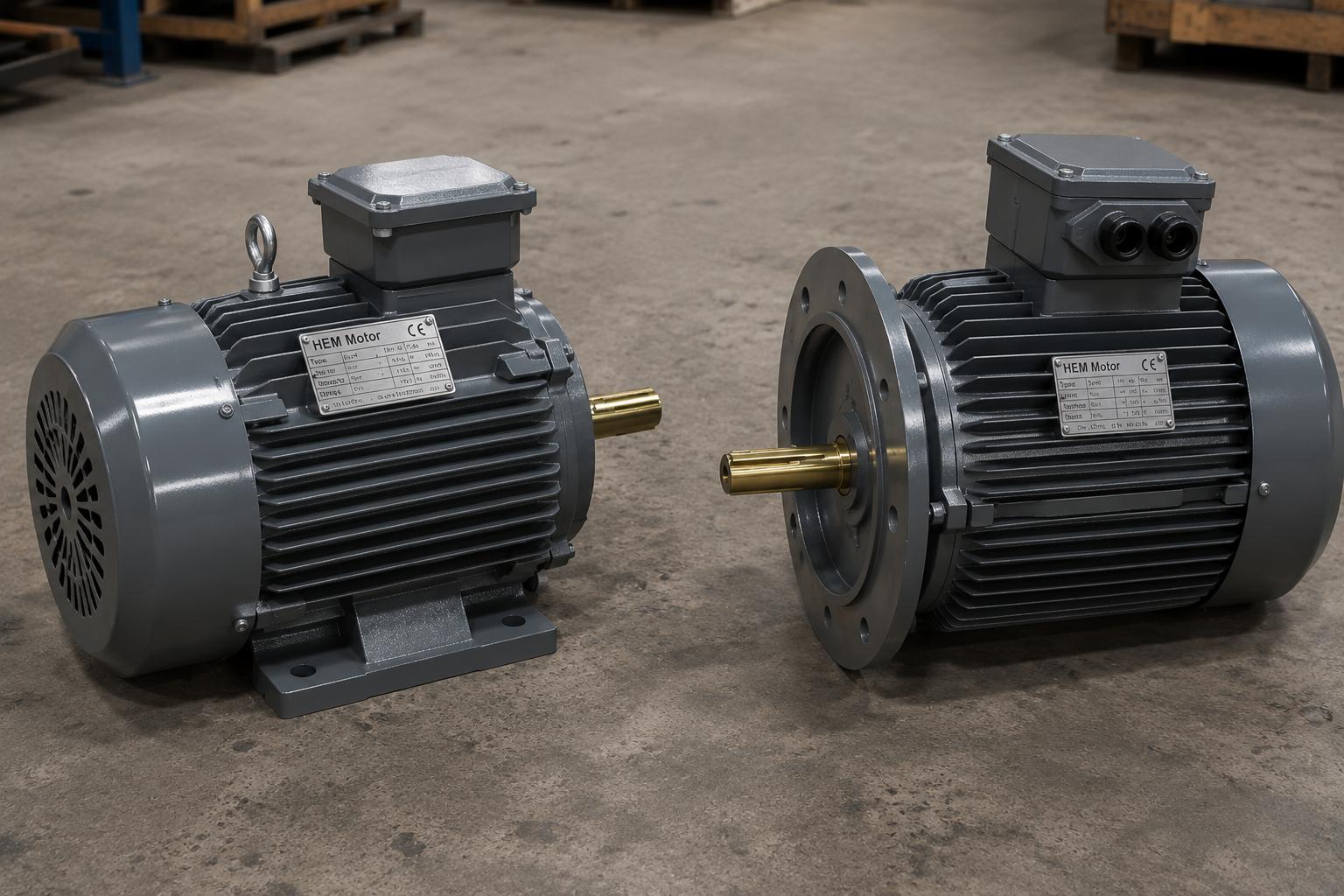
For these combinations, B5 flanşlı elektrik motorları are preferred so that the motor couples cleanly to the reducer. The flanged connection eases axial alignment and reduces vibration. On the reducer side, sonsuz dişli redüktörler stand out with their compact structure and high reduction ratio; for applications requiring higher efficiency, helical-bevel reducers are also part of our range.
Duty Cycle, Thermal Load and Frequent Starting
Elevator motors do not run at constant load; they operate in an intermittent duty cycle. At each start the motor draws a high inrush current and produces high torque briefly, then stops. This profile is close to intermittent duty types such as S3, S4 and S5. Therefore, in motor selection, the number of starts per hour is as decisive as the nominal power.
A large number of short, high-torque starts causes heat to accumulate in the motor windings. If the motor is undersized or insufficiently cooled, the winding temperature exceeds the limit allowed by the insulation class (for example, class F), and motor life is shortened. For this reason, at HEM Motor we recommend slightly oversizing the motor to leave a thermal margin in applications requiring frequent starting. Where needed, forced-cooling fan motor options can also be evaluated.
For deeper information about the limit on the number of starts per hour, you can review our article titled asenkron motorda saatlik yol verme sayısı (start/saat) sınırı. Correct sizing is a critical saving in terms of both energy efficiency and motor life.
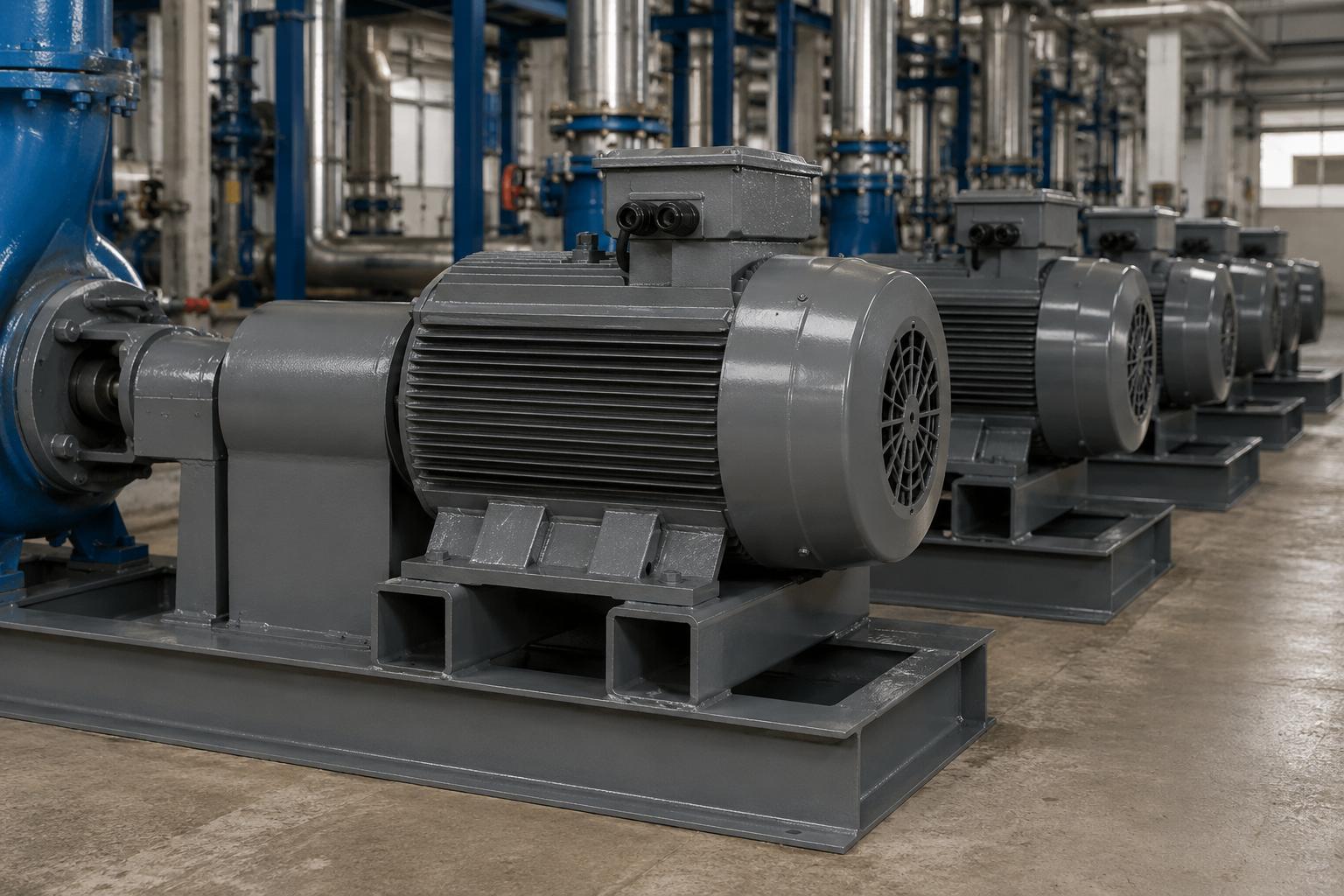
Mounting, Body Construction and Spare Motor Supply
Mechanical integrity and quietness are critical in MRL and geared-traction systems. Therefore our motors are offered with the following features:
- Cast iron body for high rigidity and reduced mechanical noise and vibration.
- Balanced rotor for low vibration and quiet operation.
- 100% copper windings for high efficiency and better thermal behavior.
- IP55 protection class and F insulation for resilience to in-shaft conditions.
- B3, B5 and B35 mounting options for proper assembly to the reducer or structure.
- Electromagnetic brake option (brake motor) for safe cabin holding.
Another critical issue in elevator systems is the need for retrofit and spare motors. Thanks to our motors compliant with IEC standard dimensions, a faulty motor in an existing system can be quickly replaced while preserving dimensional compatibility. This minimizes elevator downtime. At HEM Motor, we offer manufacturer assurance for fast supply from stock and spare motor availability. For another related aspect of the topic, our article on asansör ve yürüyen merdiven motor tedariki can also be reviewed.
Auxiliary Motors Around Elevators
Elevator and MRL systems are not made up of the main drive motor alone. Various auxiliary motors operate around them:
- Hydraulic power-unit pump motors in hydraulic elevators.
- Fan and exhaust motors for shaft ventilation.
- Auxiliary pump and cooling applications.
We also supply motors with suitable power and speed options for these auxiliary applications. For applications requiring a brake motor option, our content on IE4 frenli (fren) motor tedariki provides additional detail on brake technology.
A Step-by-Step Approach to Correct Selection
The practical steps to follow when selecting a motor for an elevator or MRL system are: first determine the cabin plus load weight and target speed; calculate the reducer ratio and output torque; define the duty cycle and thermal margin according to the number of starts per hour; select the brake torque with a safety factor; and finally verify the mounting type (B5 flanged preferred) and VFD compatibility. Obtaining professional support in these calculations yields the correct result in terms of both safety and cost. For current elektrik motoru fiyatları and a quotation, our engineering team will examine your system data and jointly determine the most suitable motor-plus-reducer package.
VFD Control, Soft Starting and Comfort
In modern elevators the motor is almost always driven through a variable frequency drive (VFD). By controlling the motor's frequency and voltage, the VFD enables smooth acceleration and deceleration of the cabin. This both improves passenger comfort and extends system life by reducing sudden load shocks on the mechanical components. Under frequent starting conditions, the VFD also keeps the load on the grid and the heating of the motor under control by limiting the starting current.
When selecting a motor to be driven by a VFD, it is important that the motor has inverter-compatible insulation and receives sufficient cooling even at low speeds. Because the body's own fan may not move enough air at very low speeds, an external (forced) cooling fan is recommended where necessary. For precise floor leveling, the VFD gradually slows the motor as it approaches the target floor and positions the cabin at the correct level before the brake engages. In this scenario, the brake motor only undertakes the task of locking the cabin in its final position and holding it safely during a power failure.
Producing high starting torque with a VFD is indispensable for an elevator application. When lifting a loaded car from a standstill, the motor must be able to momentarily produce high torque above its nominal value. A correctly selected motor plus inverter plus reducer package delivers this starting torque without jolting the cabin or drawing excessive current.
Efficiency, Energy Saving and Operating Cost
Elevators are systems that operate actively for much of the day; therefore motor efficiency is directly reflected in operating cost. Motors in the IE3 and especially the IE4 efficiency class perform the same work while consuming less energy, providing significant savings over the years. 100% copper windings, low-loss core packets, and precise manufacturing tolerances are the design elements that make this high efficiency possible.
A high-efficiency motor also produces less heat, which is an added advantage in the limited ventilation conditions inside the shaft. A lower operating temperature extends the life of the winding insulation and bearings, thereby widening maintenance intervals and lowering the total cost of ownership. The selection of the correct power (in the 0.55–355 kW range) and the correct speed (1000, 1500 or 3000 rpm), when evaluated together with the reducer ratio, optimizes both the energy performance and the mechanical durability of the system.
At HEM Motor, by jointly determining the efficiency class and power value suitable for your project, we offer a balanced solution in terms of both initial investment and long-term operating cost. Thanks to the advantage of supply from stock, you can procure your motor and reducer packages without disrupting your project schedule.
Frequently Asked Questions
Does the HEM range include a gearless drive machine for MRL elevators?
The standard HEM range does not include a dedicated permanent-magnet gearless elevator drive machine. Instead, for geared-traction systems, we offer standard industrial motors combined with worm or helical-bevel reducers, as well as auxiliary motors, from stock.
What should I pay attention to so the elevator motor withstands frequent starting?
You should define a duty cycle (S3/S4/S5) appropriate to the number of starts per hour, slightly oversize the motor to leave a thermal margin, and evaluate F insulation and suitable cooling options. Correct sizing prevents heat-related failures.
Why is a brake mandatory and on which motor is it found?
An electromagnetic brake safely holds the car stationary when power is cut and locks the car in position during normal stops. Our brake motor option provides this safety function for elevator drives and many auxiliary applications.