English
 Türkçe

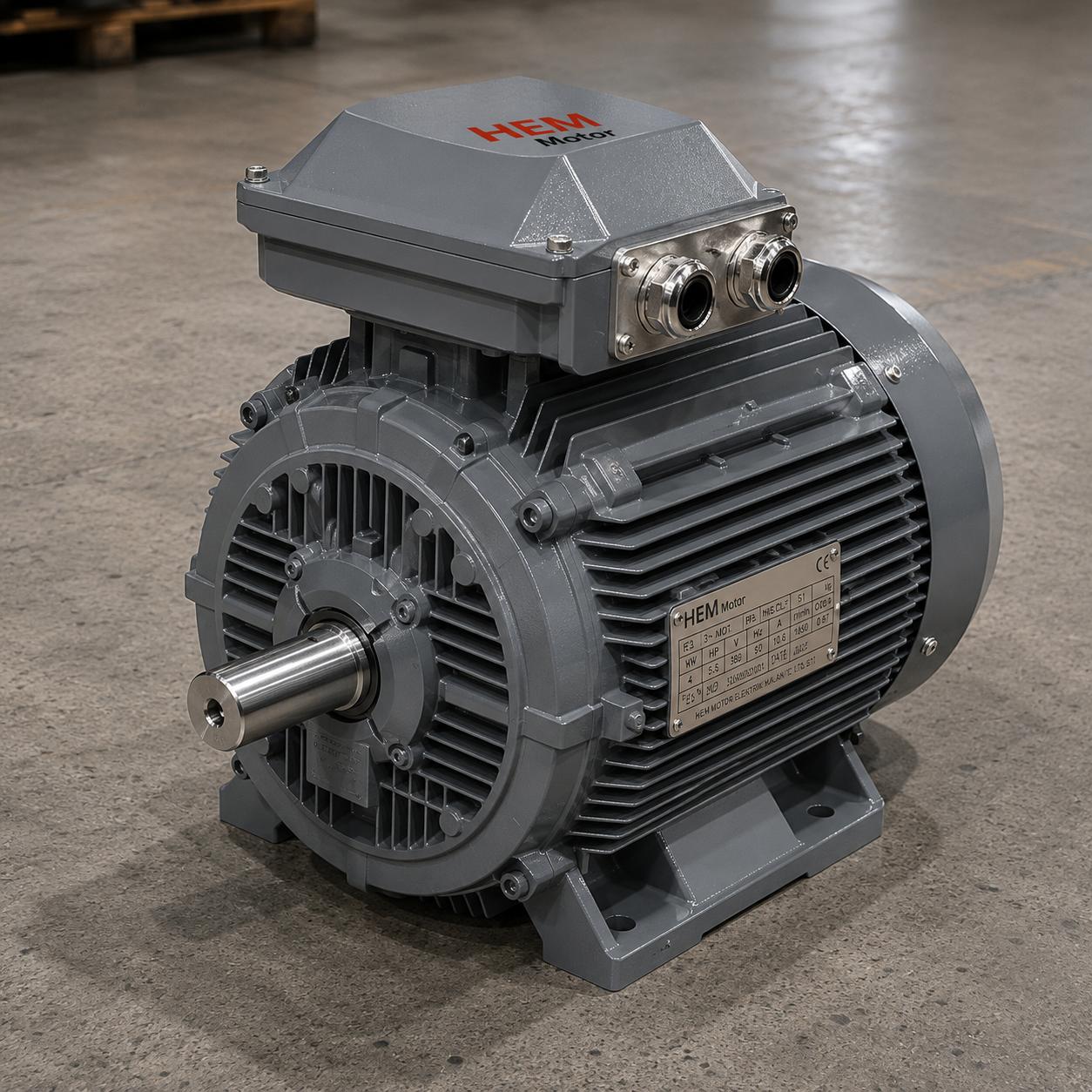

Chocolate and confectionery production is one of the most sensitive and most continuously running branches of the food sector. From conching to tempering, from mixers to the enrobing (coating) line, every stage relies on correctly selected electric motors. In these plants, motor selection is not just a question of power; temperature control, continuous operation, hygiene, low vibration and uninterrupted supply must be considered together. In this article we cover electric motor selection in chocolate and confectionery plants line by line, examining the right motor and gearbox combinations for conching, tempering, mixer and enrobing applications.
The Role of the Motor in Chocolate Production and General Requirements
Chocolate mass is a material that is extremely sensitive to temperature. On the production line, motors generally drive low-speed, high-torque applications that run continuously for long periods. For this reason, the common requirements that come to the fore in food plant motors are as follows:
- Continuous operation (S1 duty type): Processes that last for hours, such as conching, require a motor suitable for continuous operation and resistant to heating.
- Low vibration: In sensitive processes such as tempering and coating, vibration directly affects product quality. Quiet motors with balanced rotors are preferred.
- High efficiency (IE3/IE4): On continuously running lines, efficiency is the determinant of energy cost. We covered the selection of efficiency class in our article on efficiency class and correct sizing.
- Hygiene and cleaning durability: In a food environment, the motor frame must be cleanable, corrosion-resistant and have suitable IP protection.
- Gearbox compatibility: In applications that require a low output speed, the motor-gearbox combination becomes important.
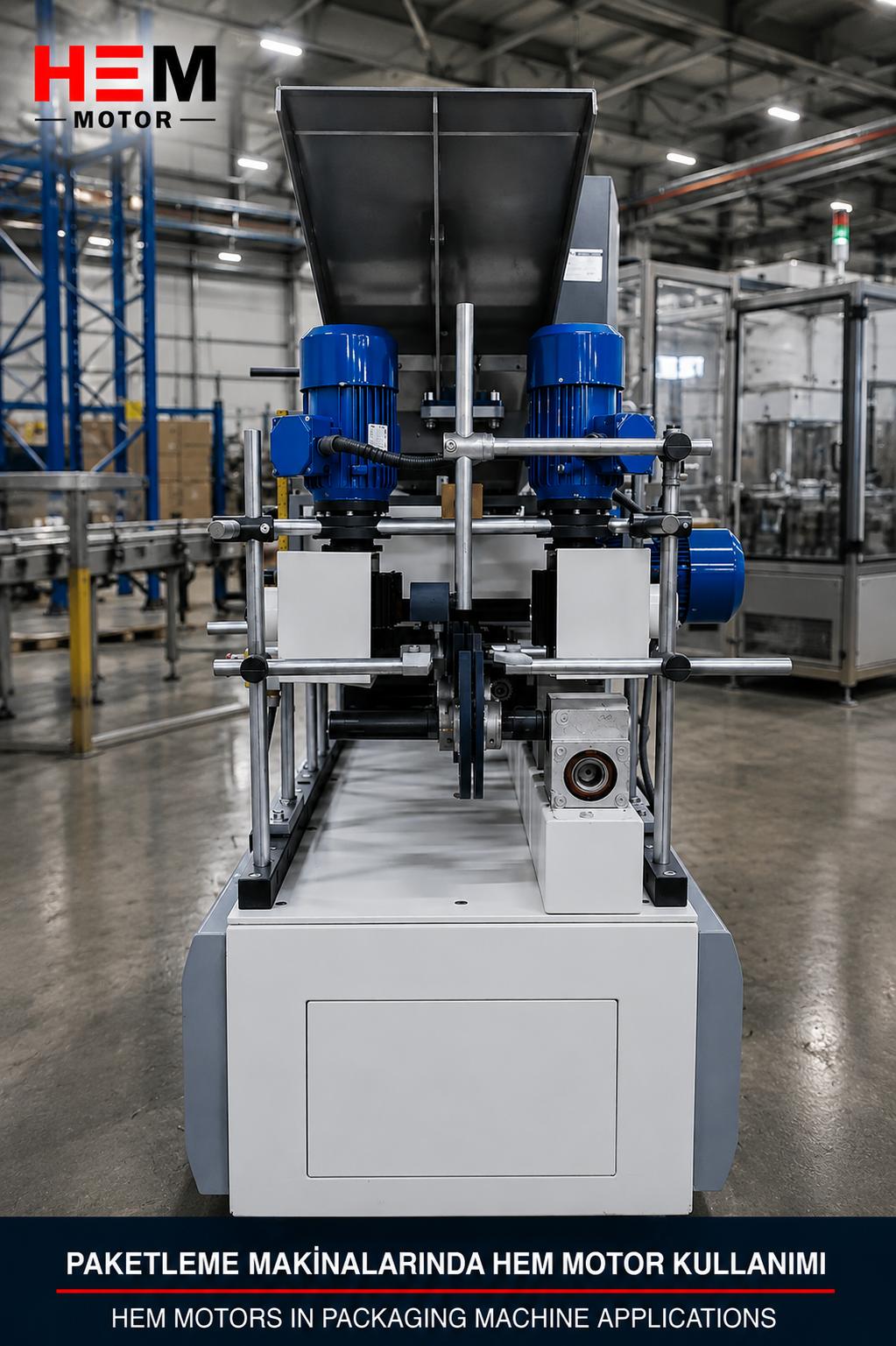
As with packaging and wrapping lines, motor selection in chocolate plants is made according to the tempo of the process; you can find motor selection for packaging machines within our product range on the packaging and wrapping machine motors page.
Conching Line: Low Speed, High Torque, Continuous Operation
Conching is the stage where the chocolate mass is kneaded and aerated for hours, and the aroma and texture mature. Conche machines continuously stir a heavy, viscous mass at low speed. The motor requirements of this application are clear: high starting torque, low output speed and uninterrupted operation. Here an IE3/IE4 motor is generally used together with a gearbox; the motor turns at high speed and the gearbox reduces the speed and increases the torque.
In applications requiring low speed such as conching, worm gear or helical bevel gear reducers are preferred. We covered the efficiency gain of the motor + gearbox combination in our article on the efficient motor and gearbox combination. For the correct selection of reduction ratio, our guide on gearbox mounting positions and lubrication is a starting point.
Pole Selection in the Conche Motor
In heavy and continuous applications such as conching, 4- or 6-pole motors are common; these motors offer higher torque at lower speed. You can find the effect of pole count on the application in detail in our article on 2, 4, 6 pole motor selection.
Tempering: Precise and Low-Vibration Operation
Tempering is the critical stage where the crystal structure of cocoa butter in the chocolate is formed under control. Correctly tempered chocolate is glossy, crisp and durable. The pump and mixer motors in tempering machines require smooth flow, constant speed and low vibration. Vibration can disrupt crystal formation and therefore product quality.
In this application, low-vibration motors with balanced rotors are preferred; we covered the quiet-running advantage of IE4 motors in our article on low-vibration IE4 motors. Where precise flow is required, speed control with a frequency inverter comes into play; you can find the fundamentals of drive operation in our article on frequency inverter with asynchronous motor.
Mixer and Tank Applications
Chocolate and confectionery plants contain many mixers: raw material tanks, filling preparation, syrup and fondant mixers. These applications are generally driven by vertically mounted, geared motors. In mixer motor selection, viscosity, tank volume and the desired mixing speed are decisive. Since starting torque is critical in high-viscosity masses, the motor's torque class must be chosen correctly; we explained this in our article on torque classes and starting torque.
Worm gear reducers are frequently used in mixer and tank applications; you can examine their compatibility with the motor on the worm gear reducers page in our product range, and on the motors for gearboxes page for low output speed.
Enrobing (Coating) Line and Conveyors
The enrobing line is the stage where products are coated with liquid chocolate and carried to the cooling tunnel. On these lines, precise speed-controlled conveyor motors, coating pumps and fans work together. A constant, smooth conveyor speed is essential for a uniform coating thickness. Here low-vibration conveyor motors and, where needed, frequency-inverter speed control are used.
- Conveyor motor: 4-pole geared motors are common for smooth, constant speed; you can look at our conveyor belt electric motors page for conveyor applications.
- Cooling tunnel fans: A constant airflow is needed for the crystallisation of the coated product; efficiency and low vibration are important in fan motors.
- Coating pumps: Continuously running, low-vibration pump motors are used for circulating the liquid chocolate.
Confectionery Lines: Gummies, Turkish Delight and Hard Candy
In addition to chocolate, confectionery plants also produce a wide variety of products such as gummies, Turkish delight, hard candy, dragees and fondant. Each of these lines carries different motor requirements. In hard candy production, the mixers in the syrup boiling and cooking sections work at high temperature and in a viscous mass; for this reason heat-resistant motors suitable for continuous operation are needed. On gummy and dragee lines, rotating drums, sieving units and filling machines are driven by low-vibration motors with smooth speed control.
- Syrup and cooking mixers: Require high starting torque and heat resistance due to high viscosity and temperature; geared solutions are common.
- Rotating drums and panning (dragee coating): Geared motors are preferred for smooth, low-speed rotation; vibration affects coating uniformity.
- Filling and forming machines: Frequency-inverter motors are used for precise speed control; synchronous operation with the packaging line is important.
- Sieving and sorting units: Correct torque class selection matters in vibrating feeders and screen motors.
In confectionery plants too, just as in chocolate, a large part of the lines work interconnected; the stopping of one motor creates a chain production loss. For this reason, fast replacement and spare planning are as important as the right efficiency class for critical motors.
Frame Material and IP Protection Selection
In food plants, the motor's frame material and IP protection class are critical for hygiene and durability. Motors operating in washed and humid environments require high IP protection (for example IP55 and above); in dusty and hot sections, insulation class and cooling come to the fore. While a cast iron frame offers strength and vibration damping, an aluminium frame provides lightness and compactness. We covered which frame is right in which environment in our article on cast iron or aluminium frame, and the selection of IP protection class in our article on IP protection class selection. Correct frame and protection selection ensures the motor runs hygienically and for a long life in the food environment.
Correct Procurement: Plant-Based Planning
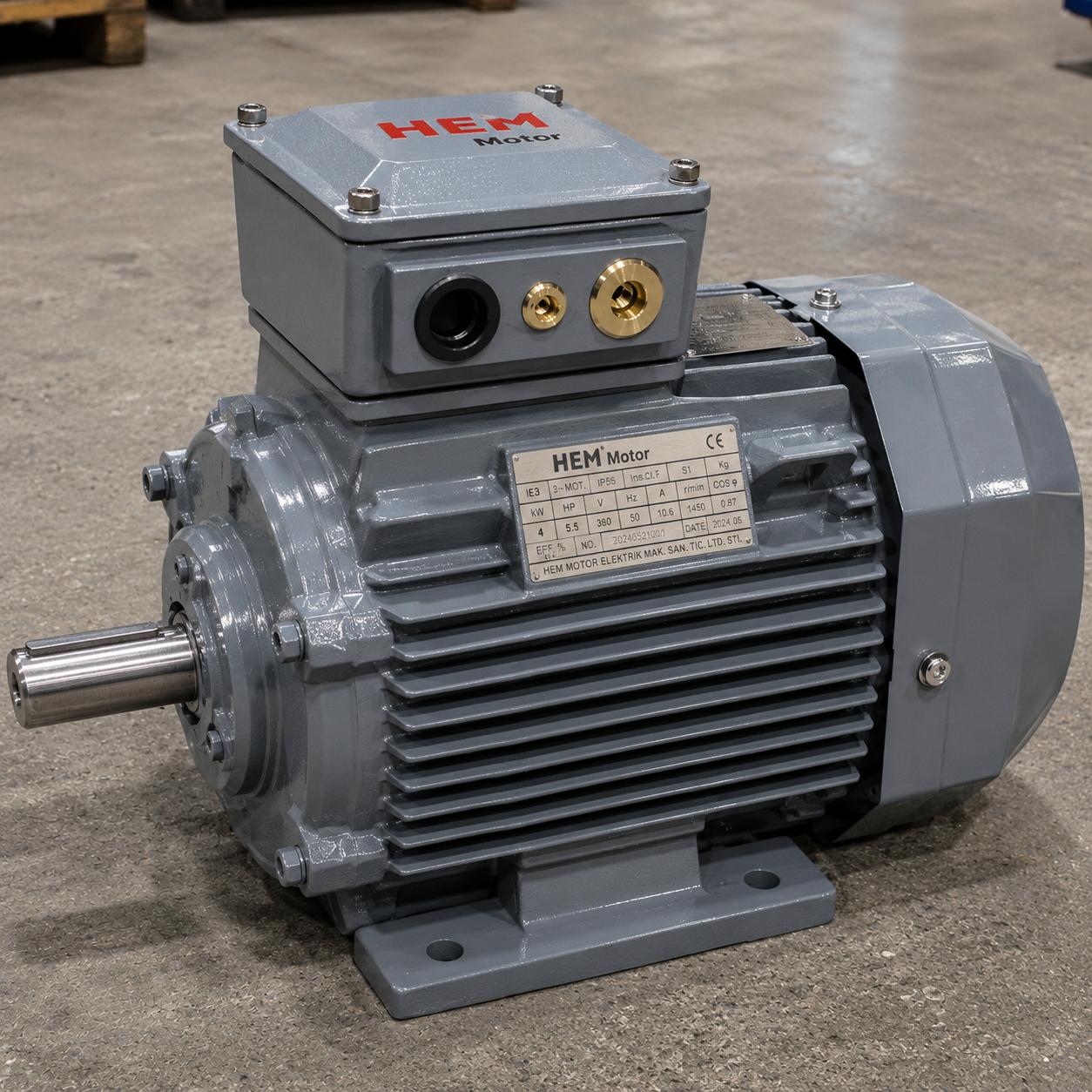
As a HEM Motor manufacturer and seller, we recommend project-based planning of motor procurement in chocolate and confectionery plants. On a continuously running production line, an unexpected motor failure can halt the entire production; therefore spare stock and a fast replacement plan are valuable for critical motors. With IE3 and IE4 efficiency classes, cast iron and aluminium frame options, B3/B5/B35 mounting types and gearbox combinations, the right solution can be determined for each line.
When you share your plant's line structure and power and speed needs, we can plan together the suitable motor and gearbox combination for every application from conching to the enrobing line. You can consult our team for current electric motor prices and efficient model options suitable for your food plant. Correctly selected motors both lower your energy cost and safeguard product quality in the sensitive chocolate process.
Motor Selection Summary by Line
Let us gather the motor needs of each line in a chocolate and confectionery plant in a short summary. This summary shows together which motor and gearbox approach is preferred in which application:
- Conching: Low speed, high torque, continuous operation; IE3/IE4 motor + gearbox, 4/6 poles.
- Tempering: Constant speed, low vibration, precise flow; balanced-rotor motor, frequency inverter if needed.
- Mixer: Starting torque according to viscosity; vertically mounted worm-gear motor.
- Enrobing/coating: Smooth conveyor speed, fan and pump; low-vibration motor, drive-based speed control.
- Cooling tunnel: Constant airflow; efficient, low-vibration fan motor.
- Syrup and cooking: High temperature and viscosity; heat-resistant, continuously running geared motor.
- Filling and packaging: Precise speed-controlled motor for line synchronisation.
This summary shows the value of evaluating the entire plant in a single procurement plan. Since the lines work interconnected, motor selection should be made not line by line but with regard to the whole production flow. When the efficiency class, frame material, mounting type and gearbox combination are set up correctly, both the energy cost falls and product quality is safeguarded in the sensitive chocolate and confectionery processes. Spare planning for critical motors is the most effective way to prevent unplanned stoppages in a continuously running food plant.
Frequently Asked Questions
Which motor is suitable for a conching machine?
Conching is a low-speed, high-torque process that lasts for hours. For this reason, a combination of an IE3/IE4 motor suitable for continuous operation (S1) and a gearbox is preferred. The motor turns at high speed and the gearbox reduces the speed and increases the torque. Usually 4- or 6-pole motors and sufficient starting torque to stir the viscous mass are needed. The correct power and reduction ratio are determined according to the conche volume and the mass viscosity.
Why is low vibration so important on the tempering line?
Tempering is the stage where the crystal structure of cocoa butter is formed under control, and excessive vibration disrupts this crystallisation, adversely affecting the gloss, texture and shelf life of the chocolate. For this reason, low-vibration motors with balanced rotors are preferred on the tempering and coating line; where needed, precise speed control is provided with a frequency inverter.
What information should I provide when selecting motors for a chocolate plant?
For each line, the type of application (conching, tempering, mixer, enrobing), the required power, output speed, operating time (whether continuous), mounting type and gearbox need are the most critical pieces of information. In addition, environmental conditions and hygiene requirements also affect the choice of frame and IP protection. With this data we plan together the right motor and gearbox combination for each line.