English
 Türkçe

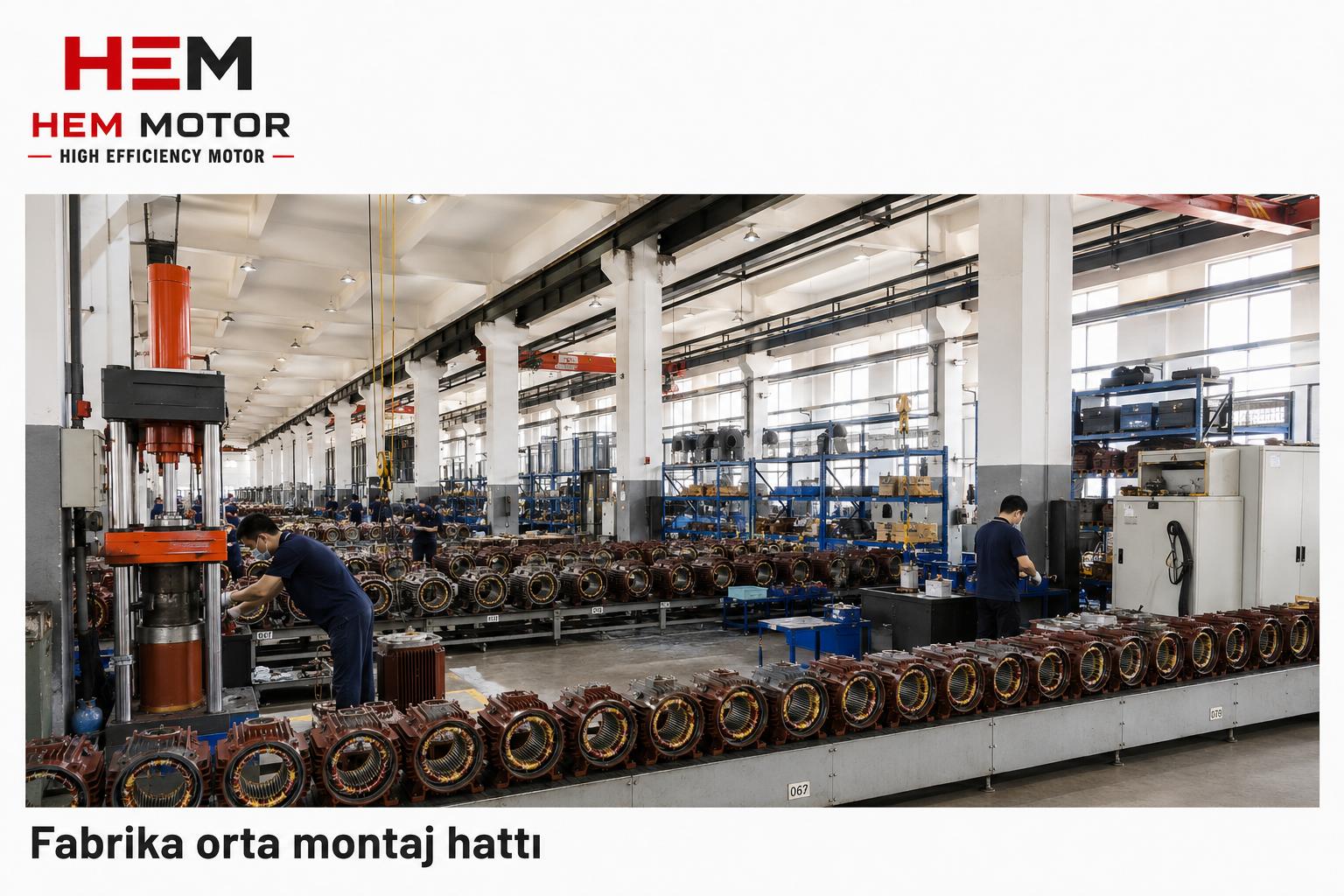

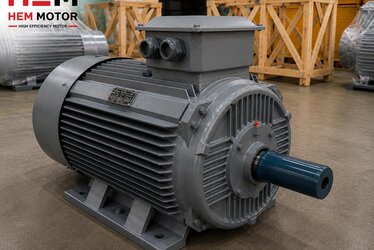
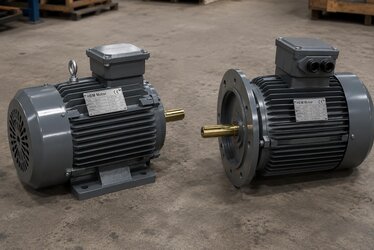
The cast iron body is one of the most critical components determining the mechanical strength and vibration-damping ability of heavy-duty electric motors. Yet most buyers evaluate the body only by the label "solid cast iron" and overlook the internal quality of the casting, namely casting porosity and how that porosity affects sealing. A cast iron motor body may contain microscopic voids in the raw casting stage; these voids are harmless when isolated and closed, but when they interconnect through the wall thickness and form a leak path, the integrity of the terminal box, the bearing housings and overall sealing is put at risk. In this article we examine, from a supply standpoint, how casting porosity forms, how resin impregnation solves the problem, and how to choose a quality body that will operate safely in the field.
At HEM Motor we regard body quality as a motor's "first line of defence." No matter how good the winding, bearing and rotor are, a body that leaks or is prone to cracking shortens the motor's life. That is why we recommend treating casting porosity and impregnation as a purchasing criterion as important as the IP protection class. In the sections below we cover every dimension of the topic, from the technical basics to typical field problems and the correct body selection.
What Is Casting Porosity and Why Does It Form?
Casting porosity is the general name for the microscopic voids that remain inside the body when molten cast iron is poured into the mould and solidifies. These voids are invisible to the naked eye; they often appear only as small holes on the surface after machining, or are revealed by a pressure leak test. By the very nature of cast iron, a certain degree of porosity always exists; the real question is the type, size and degree of interconnection of that porosity.
Casting porosity originates mainly from these mechanisms:
- Gas porosity: Forms when gases dissolved in the molten metal (hydrogen, nitrogen) cannot escape during solidification and leave spherical voids inside the body. These are typically round and smooth-edged.
- Shrinkage voids: Metal contracts in volume as it solidifies; if feeding is insufficient, irregular, branch-like voids remain in the last regions to solidify. These usually concentrate at thick-section intersections.
- Micro-shrinkage: A fine network of voids invisible to the naked eye that can interconnect under pressure and form a leak path. This is the most insidious from a sealing perspective.
In a motor body, small and isolated (closed) pores have practically no effect on mechanical strength. The problem arises when pores interconnect to form a channel that extends from the inner volume of the body to the outer surface. In that case the body becomes permeable to moisture, oil or compressed air; it can nullify the IP protection of the terminal box and cause the oil in the bearing housing to leak out over time.
How Does the Resin Impregnation Process Work?
Resin impregnation is a sub-surface filling process that permanently fills the interconnected pores in a cast body, making the body leak-tight. It is not a surface coating like applying paint; it relies on a low-viscosity resin penetrating deep into the pores and curing there.
A typical impregnation process consists of the following steps:
- Vacuum stage: The body is placed in a sealed chamber and a vacuum is applied to evacuate the air inside the pores. This is a mandatory step for the resin to enter the pores.
- Resin impregnation: Under vacuum, low-viscosity resin is introduced into the chamber and drawn into the pores. In some systems, pressure is then applied so the resin reaches even the finest micro-voids.
- Washing: Excess resin on the body surface is cleaned off; only the fill inside the pores remains.
- Curing: The resin is hardened by heat or chemically. The cured resin permanently plugs the pores and makes the body leak-tight.
A well-executed impregnation does not alter the mechanical properties of the body; it only guarantees sealing. This process is especially critical for bodies that come into contact with compressed air, oil or high humidity. A body that has undergone resin impregnation can be used with confidence in the field once it passes a pressure leak test.
What Field Problems Does Porosity Cause?
A buyer who disregards porosity at the purchasing stage may encounter the following problems in the field. These problems are often unrelated to the electrical quality of the motor and stem directly from body quality:
- Moisture ingress and winding failure: Moisture seeping in through a porous body weakens the winding insulation over time and can cause earth leakage, especially in motors without anti-condensation protection.
- Oil loss: The grease or oil in the bearing housing can seep out through micro-pores, causing the bearing to run dry and fail prematurely.
- Nullified IP protection: Even if it carries an IP55 label, a motor with a leaking body cannot in practice provide the declared protection, because protection is meaningful only when the body itself is leak-tight, not just the seals.
- Paint blistering and corrosion: Moisture emerging from the pores can cause blistering under the outer paint layer and surface corrosion. Body sealing is therefore the foundation of corrosion protection too.
The common feature of these problems is that they are invisible at the moment of purchase. The motor runs flawlessly on the test bench; the issue appears only when moisture, pressure or oil come into play in the field. That is why choosing a manufacturer and supply process that guarantees body quality is far more decisive than the initial purchase price.
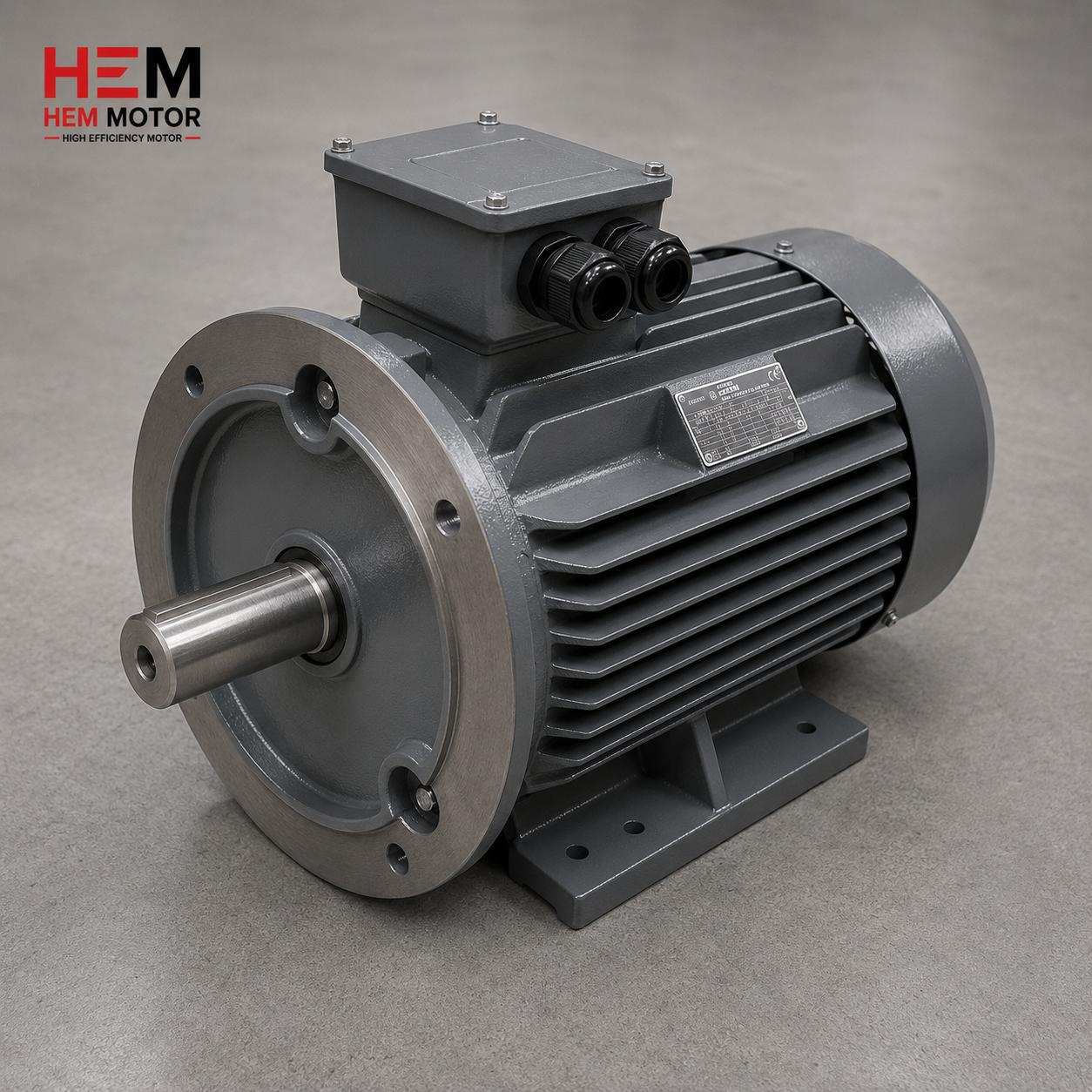
How to Choose a Quality Cast Iron Body
When selecting a body that is reliable in terms of sealing and porosity, we recommend considering the following criteria. These criteria allow you to evaluate both the mechanical strength and the long-term sealing of the body together:
- Casting quality and homogeneous wall thickness: Evenly distributed wall thickness reduces the concentration of shrinkage voids. A body design with gradual transitions that avoids sharp changes produces less porosity.
- Pressure leak test: Subjecting the body to a leak test after production ensures that porosity-related problems are weeded out before they reach the field.
- Impregnation when required: Where compressed air, oil or high humidity is involved, a body that has undergone resin impregnation should be requested.
- Correct insulation and IP class: F-class insulation and IP55 protection are meaningful together with body sealing; the two form a whole.
- Cataphoresis or quality paint: A quality coating applied over a pore-free body completes corrosion protection.
At HEM Motor we treat body quality with the same diligence as electrical performance in the cast iron motors we manufacture. In heavy-duty applications and environments containing compressed air and moisture, the sealing of the body is an integral part of the supply decision. For buyers who wish to evaluate the topic in a broader framework, our guide on cast iron vs aluminum frame motor selection details the body material decision according to environmental conditions. For another dimension of sealing, our guide on oil seals and sealing in cast iron motors offers complementary information.
The Relationship Between Sealing, Corrosion and Long Life
Casting porosity, corrosion and overall motor life are tightly linked. A leak-tight body ensures the motor completes its expected life by preventing both internal oil loss and external moisture ingress. This relationship is even more critical in motors operating in open-field or salty environments, because moisture seeping through the pores becomes the starting point of corrosion.
For open-field and harsh-environment applications, our article on corrosion protection and open-field use in cast iron body motors explains with concrete examples how porosity relates to corrosion. For those who wish to delve into the paint and cataphoresis coating side, our guide on painting and cataphoresis coating in cast iron motors describes the protective layers applied over a leak-tight body.
Businesses that wish to evaluate quotations and pricing for the right body and sealing can contact us for up-to-date electric motor prices and stock availability. A supply that prioritises body quality reduces operating cost throughout the motor's entire life, far beyond the initial investment.
In Which Applications Do Porosity and Impregnation Stand Out?
Not every application has the same sensitivity to porosity. Knowing some typical use areas where body sealing becomes critical helps you formulate the right request in the supply decision. In the following applications, resin impregnation and the leak test gain particular value:
- Compressor and compressed-air applications: In compressor drives where the body comes into contact with compressed air or experiences high vibration, the risk of leakage through micro-pores increases; impregnation eliminates this risk.
- Pump and water facilities: In pump motors in continuous contact with moisture, body sealing is critical to protecting the winding insulation. Water treatment, wastewater and booster applications fall into this group.
- Open-field and coastal facilities: In motors operating in salty and humid outdoor environments, moisture seeping through pores is the first step of corrosion; a leak-tight body is the foundation of long life.
- Food and hygiene environments: In environments frequently washed down and in contact with water and steam, body sealing is important for both hygiene and reliability.
- Continuously running heavy industry: In drives operating under continuous and heavy load, such as mills, conveyors and extruders, the body remaining leak-tight for years supports operational continuity.
In these applications, body quality is one of the main factors determining whether the motor can complete its declared life. Choosing the right body material according to environmental conditions also clarifies the porosity and impregnation decision. When evaluating body size and power matching, our article on frame size and power matching in cast iron body motors explains the correct frame selection.
How Should You Request Body Quality at the Supply Stage?
Turning the topic of porosity and sealing into a concrete request during the purchasing process is the most effective way to prevent surprises in the field. The following steps help you secure body quality at the supply stage:
- Share the application conditions: Specifying conditions such as compressed air, moisture, oil contact and outdoor environment from the start ensures the required sealing level is correctly determined.
- Request a leak test: Requiring the body to pass a pressure leak test prevents porosity-related problems from reaching the field.
- Specify impregnation when needed: Requesting a resin-impregnated body in risky applications is a strong precaution for long life.
- Clarify the IP and insulation class: Remember that IP55 protection and F-class insulation form a whole together with a leak-tight body.
- Get manufacturer support: Open communication with the manufacturer on body quality makes it easier to determine the right solution.
At HEM Motor we address body quality with the same importance as electrical performance during the supply process, determining together the required sealing level according to your application's conditions. The right body selection ensures the motor operates safely not only at first start but throughout its entire life.
Frequently Asked Questions
Is resin impregnation mandatory for every cast iron motor body?
No, it is not mandatory for every body. In standard dry-environment applications, having the body pass a pressure leak test is often sufficient. However, for motors that will operate in environments involving compressed air, oil contact or high humidity, resin impregnation is a strong precaution. If you share your application conditions, we can jointly assess whether the body requires impregnation.
Does casting porosity reduce the mechanical strength of the motor?
Small and isolated (closed) pores have no significant effect on mechanical strength in practice. The real risk is pores interconnecting to form a leak path, and large shrinkage voids that concentrate especially at thick-section intersections. In a well-cast body with homogeneous wall thickness, this risk is minimised. Body design and casting quality are therefore decisive in managing porosity.
Can a motor labelled IP55 still leak through its body?
Yes, it is possible. The IP protection class essentially defines the sealing of gaskets, seals and the terminal box; but if the body itself is permeable due to porosity, the declared protection cannot be achieved in practice. IP55 protection is therefore meaningful only together with a leak-tight body. A body leak test and impregnation where required are elements that complete IP protection.