English
 Türkçe

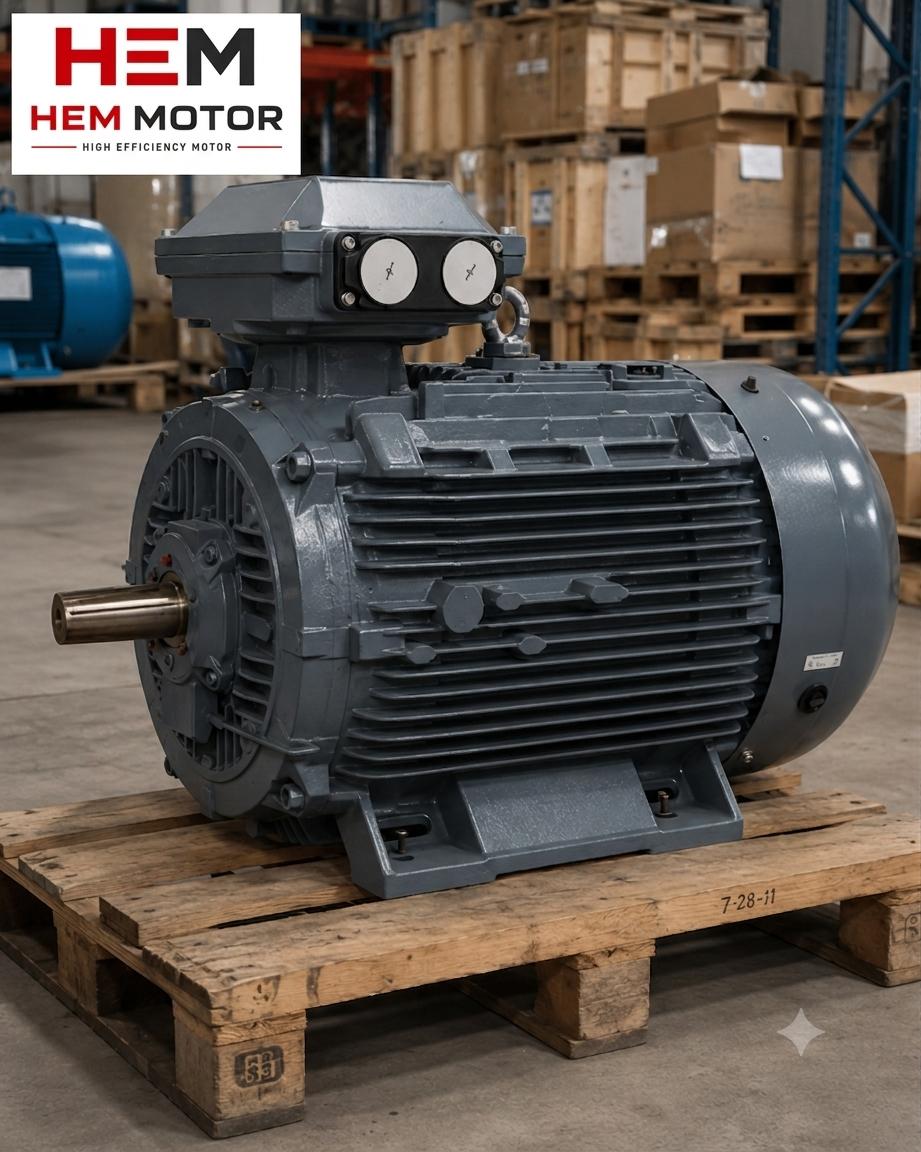

When choosing an electric motor for outdoor use, most operators start with the wrong question: "How many kW of motor do I need?" Yet the power value that is decisive inside a closed factory falls to second place outdoors. Because in a mine, a quarry, an irrigation facility or a water treatment site, the real threat facing the motor is not the load but nature itself. Rain, humidity, salt, dust, sun and sudden temperature changes determine a motor's lifespan far more than its power value.
The question that should really be asked is this: "How many years will this motor withstand rain, humidity, salt and dust outdoors?" This is exactly where the cast iron frame comes into play. Although aluminum-frame motors offer lightness and a cost advantage, in outdoor conditions a cast iron frame is far more reliable in terms of both mechanical strength and holistic protection against the environment. However, the frame material alone is not enough; when the right paint/coating system, the right IP protection class and anti-condensation measures are considered together, the motor's life is significantly extended.
In this article we examine in detail why cast iron frame motors stand out for outdoor use, which measures must be taken against corrosion, and the ways to extend motor life on demanding sites such as mines, quarries and irrigation.
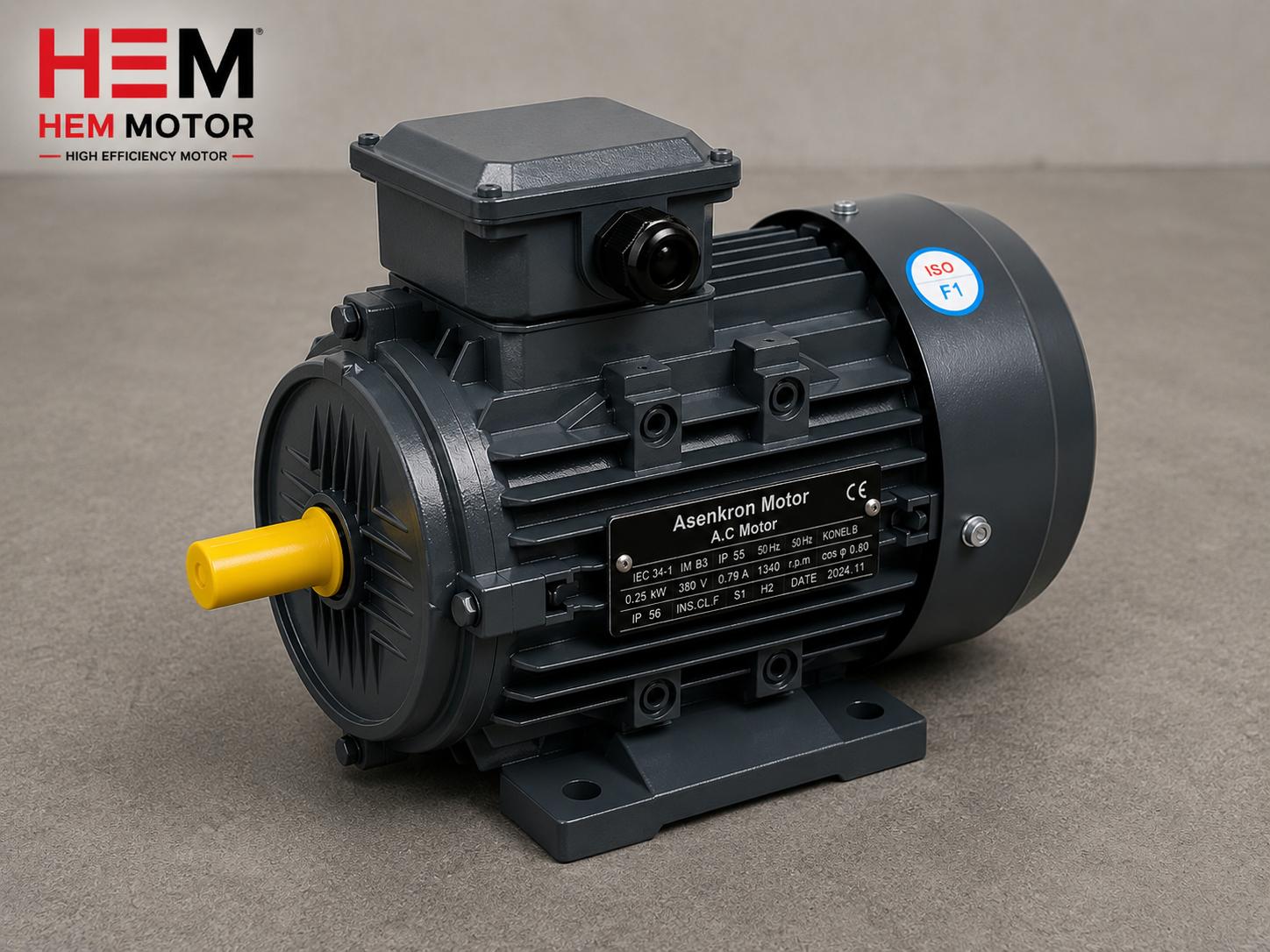
Why Is a Cast Iron Frame Preferred Outdoors?
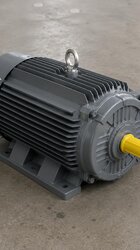
Cast iron has long been accepted as a heavy-industry standard material for electric motor frames. The reason it stands out outdoors is not only its sturdiness but the holistic protection it provides against all the difficulties of the environment. We can list the basic elements of this protection as follows:
- Mechanical strength: The cast iron frame is far more resistant to impact, vibration and mechanical stress than aluminum. In tough environments such as mines and quarries, this difference is decisive.
- Thermal stability: Under the sun and at high ambient temperatures, cast iron distributes heat more evenly and is more resistant to frame deformation.
- Corrosion foundation: When combined with proper surface preparation and a paint system, the cast iron frame forms a long-lasting corrosion barrier.
- Vibration damping: Thanks to its dense mass, it damps vibration better, which positively affects bearing and winding life.
When these properties come together, the cast iron frame becomes, outdoors, not just "a sturdier box" but a shell protecting all the motor's components. However, for this shell to truly work, it must be completed with the right coating and protection class.
The Enemies of Corrosion Outdoors
The corrosion threats a motor faces outdoors vary by the type of environment. To build the right protection strategy, you first need to know the enemy:
Humidity and Rain
The constant wetting-drying cycle strains the paint system on the frame surface. Humidity seeping under the paint eventually starts rust formation. That is why the quality of the motor's paint/coating system is critical outdoors.
Salty Environment
In coastal facilities or some mine sites, the salt in the air triggers corrosion far faster. For salt-fog conditions, corrosion-resistant motors with a special protection class should be preferred.
Dust and Abrasive Particles
In quarries and mine sites, the dust in the air abrades the motor's surface and can block the cooling fan. A high IP protection class prevents these particles from entering the motor.
Temperature Changes and Condensation
The day-night temperature difference leads to condensation inside the motor frame. The humidity accumulating inside the cooling motor causes corrosion in the windings and weakens the insulation. That is why anti-condensation measures are vital outdoors.
Choosing the Right Paint, Coating and IP Class
The protection provided by the cast iron frame gains meaning when completed with the right surface coating and protection class. When choosing a motor for outdoor use, these three headings should be evaluated together:
- Paint system: For outdoor use, multi-layer, corrosion-resistant paint systems (suitable for corrosion categories such as C3, C4, C5) should be preferred. Salty and humid environments require a higher category.
- IP protection class: A minimum of IP55 is recommended outdoors; in dusty and water-spray environments, IP65 or above should be preferred. The first digit of the IP class indicates protection against dust, the second against water.
- Insulation class: For high ambient temperatures, an F or H insulation class increases the thermal safety of the windings.
The right combination of these three elements directly determines how many years the motor will last outdoors. On how to choose the IP class according to the application, our content on IP protection class and motor selection offers a detailed guide.
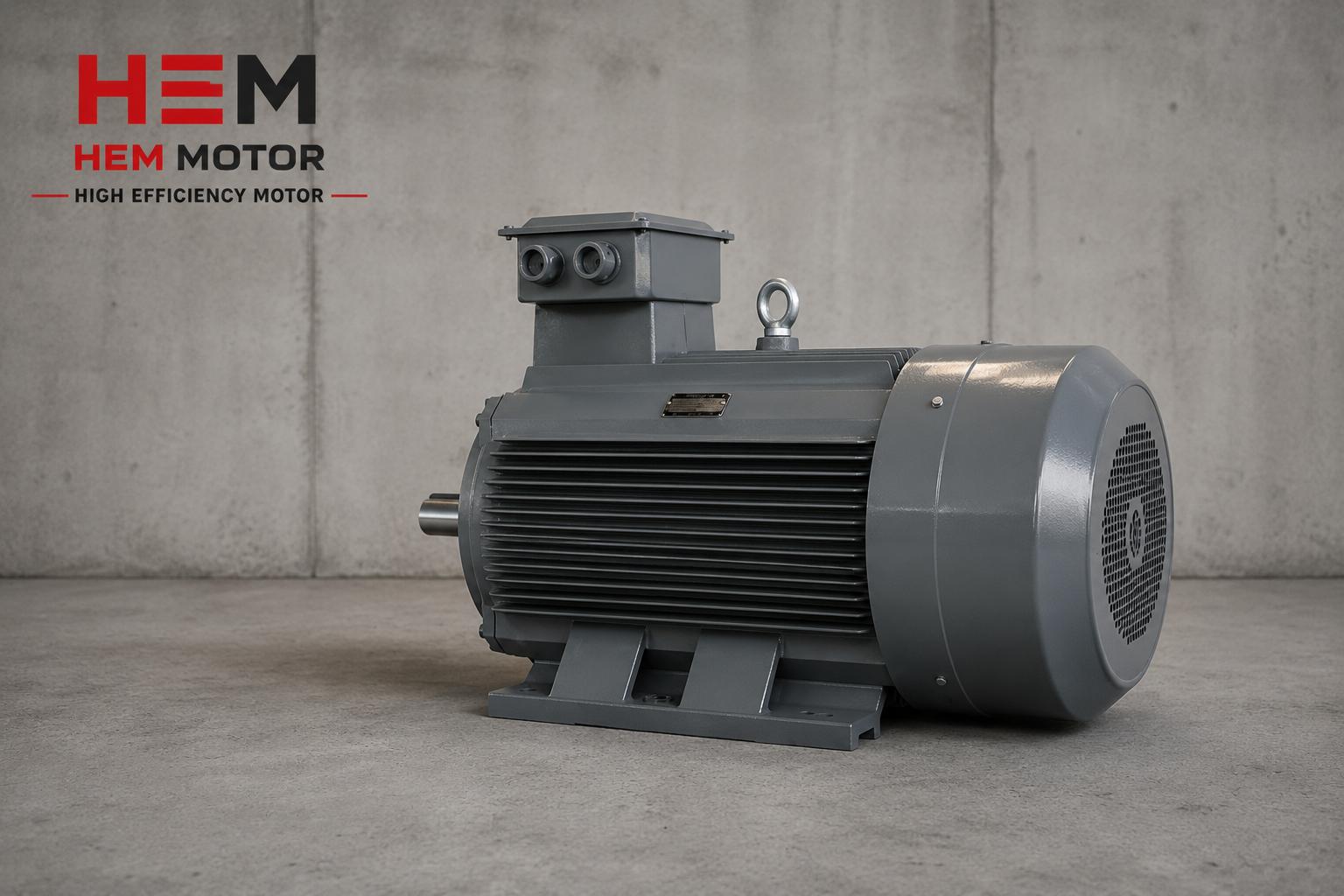
Anti-Condensation Measures: Against the Invisible Threat
A significant portion of motor failures outdoors stems from an invisible threat: condensation. When the motor stops it cools, and the air inside condenses moisture. This moisture over time leads to corrosion in the windings and a drop in insulation resistance. The measures that can be taken against this insidious process are:
- Anti-condensation heaters: Heater resistors that engage when the motor stops keep the inside of the frame slightly above ambient temperature, preventing condensation. They are almost mandatory for motors that stand idle for long periods outdoors.
- Drain plugs: Drain plugs that allow water accumulating inside the frame to be expelled should be checked periodically.
- Correct mounting position: Positioning the motor so that condensation water does not accumulate is a simple but effective measure.
- Breathing/breather holes: Controlled air exchange reduces moisture accumulation inside.
Although these measures seem small, they can extend motor life outdoors by years. Especially in a continental climate with high day-night temperature differences, an anti-condensation heater alone makes a big difference.
Field Practices in Mining, Quarrying and Irrigation
Every outdoor site imposes its own conditions. After choosing the right motor, regular maintenance and correct field practices extend the life even further:
- Mine sites: High dust and vibration. A high IP class, a robust cast iron frame and frequent fan/cooling checks are priorities.
- Quarries: Abrasive particles and impact loads. Mechanical strength and a durable paint system are at the forefront.
- Irrigation facilities: Constant humidity and water contact. A high water protection class and anti-condensation measures are critical.
- Water treatment: Humidity, chemical vapors and continuous duty. A corrosion-resistant coating and a high insulation class are required.
A regular maintenance program should include checking the paint surface, cleaning the drain plugs, greasing the bearings, and verifying that the anti-condensation system is functional. These simple checks prevent most unplanned stoppages outdoors. Choosing the right motor and evaluating the stock availability of a cast iron frame motor suited to your application via current electric motor prices is the first step toward a long-lasting solution on your site.
The Right Supply: A Fast Solution from Stock
Another important matter with outdoor motors is being able to procure the motor of the right specification quickly when needed. When a motor fails on a mine or irrigation site, the replacement motor must have the same IP class, the same frame type and the same corrosion category. Having motors of this specification ready in stock returns the site to work without keeping it waiting for days.
For this reason, in outdoor applications, recording in advance the specifications of the critical motors in use and working with a reliable stock source provides a great advantage. Having corrosion-resistant, high-IP-class cast iron frame motors in stock across a wide power range means a fast solution both at initial installation and at replacement need. For outdoor applications, evaluating the cast iron frame electric motor options is the right start.
Frequently Asked Questions
Which IP protection class is sufficient outdoors?
A minimum of IP55 is recommended outdoors; this class provides full protection against dust and resistance to low-pressure water jets. However, in heavily dusty mine sites or in irrigation applications with direct water contact, IP65 and above should be preferred. The right IP class is determined according to the dust and water intensity the motor will be exposed to; excess protection raises cost, while insufficient protection leads the motor to early failure.
Is a cast iron frame really more durable than an aluminum frame outdoors?
Yes. The cast iron frame is more resistant to mechanical impact, vibration and high ambient temperature than aluminum, and together with the right paint system it forms a stronger corrosion barrier. In demanding outdoor conditions such as mines, quarries and irrigation, this difference in durability directly affects the motor's lifespan and the frequency of stoppages. Although an aluminum frame offers lightness and a cost advantage, cast iron is the safer choice in harsh environmental conditions.
Is an anti-condensation heater mandatory outdoors?
Although not mandatory, it is almost indispensable on outdoor sites with high day-night temperature differences. The moisture that condenses inside when the motor stops leads to corrosion in the windings and a drop in insulation resistance. An anti-condensation heater prevents this condensation by keeping the inside of the frame slightly above ambient temperature when the motor stops. Especially in irrigation motors that stay idle for long periods or operate seasonally, this measure significantly extends motor life.