English
 Türkçe

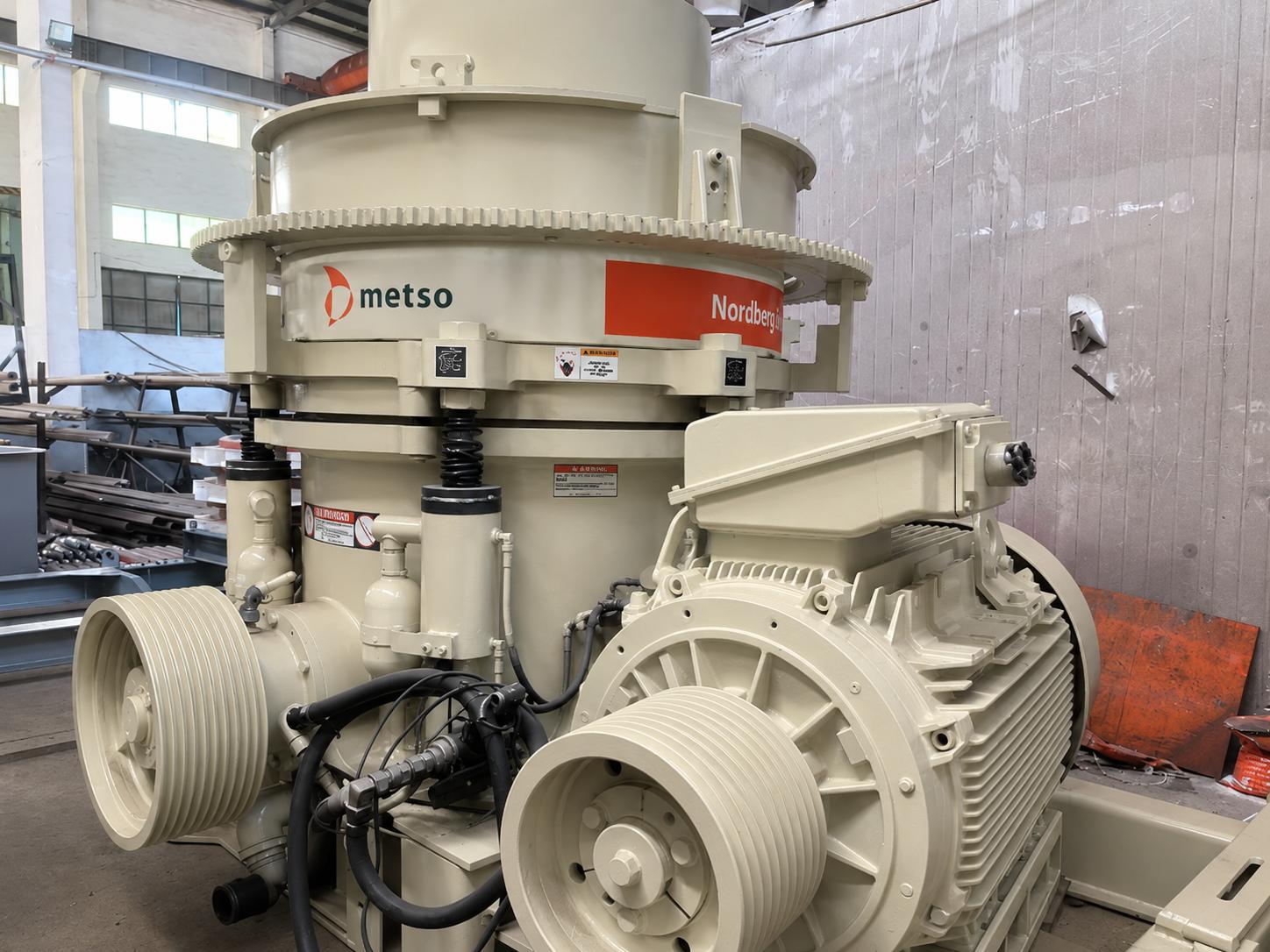

In crusher and washing plants, one of the most critical links in the process chain is the sludge dewatering stage. The fine-grained waste produced during stone crushing and sieving mixes with water and becomes sludge (slurry), and to dispose of this sludge its water must be removed. This is where the filter press comes into play, and the filter press feed pump motor takes on the task of pushing the sludge into the presses at high pressure. When this motor is not selected correctly, the entire dewatering line runs inefficiently or stops altogether.
The operating characteristic of a filter press feed pump is very different from that of an ordinary water pump. At the start of the press cycle the pump pushes high flow at low pressure; as the cycle progresses, the press chambers fill with solids and the pressure climbs steadily. At the end of the cycle the pump works at relatively low flow against very high pressure. This variable load profile makes it essential to select the motor with a sufficient torque reserve; otherwise the motor strains and overheats as the pressure climbs.
Abrasive slurry, high pressure and continuous operation: these three hard conditions make correct motor selection critical. HEM Motor offers IE3 and IE4 stock motors for crushing and dewatering lines with correct technical guidance. For more about our product range you can visit our homepage.
The Load Characteristic of the Filter Press Feed Pump
To select the filter press feed pump motor correctly, you must first understand the pump's load characteristic. This characteristic changes markedly over time by the very nature of the press cycle. The filter press feed pump motor must be designed to handle this variable load smoothly.
Start of the Cycle: High Flow, Low Pressure
At the start of the press cycle the chambers are empty and the sludge flows easily. The pump works at high flow at this stage and produces relatively low pressure. The load on the motor is low at this stage; but this should not be misleading, because the truly hard stage has not yet arrived.
End of the Cycle: Low Flow, High Pressure
When the chambers fill with solids, flow becomes difficult and pressure climbs rapidly. The pump now tries to push a small amount of sludge against very high pressure. At this stage the load on the motor peaks. This is why the motor must have a torque reserve sufficient to meet the high-pressure point at the end of the cycle. If the torque reserve is insufficient, the motor strains as the pressure climbs, its speed drops and it overheats by drawing excessive current.
Abrasive Slurry and the Continuous Operation Requirement
The sludge in crusher plants is highly abrasive because it contains fine stone and mineral particles. This abrasive environment is decisive in selecting both the pump and the motor that drives it. Although the motor is not in direct contact with the sludge, the load variations and vibrations caused by pump wear are transferred to the motor.
S1 Continuous Duty
Dewatering lines generally run without interruption through long shifts. The motor must therefore be selected to suit S1 continuous duty. The S1 cycle means the motor can reach thermal equilibrium under continuous load and run safely at that equilibrium. A motor designed for an intermittent cycle overheats in continuous operation and fails early.
High Service Factor
Due to the variable load and the pressure peak at the end of the cycle, it is important for the motor to have a high service factor. The service factor shows the motor's capacity to be briefly loaded above its rated power. A motor with a high service factor safely handles the load peak at the end of the cycle, keeping the line running without interruption.
Dust, Water and Protection Class
Crusher plants are hard environments containing both heavy dust and plenty of water. In the dewatering area, water splash, moisture and dust are present together. These conditions make it essential to correctly determine the motor's protection class. For a filter press feed pump motor, at least IP55, preferably IP65 or IP66 protection is recommended.
- IP55: Dust-protected, resistant to water spray from all directions; the minimum level for most applications.
- IP65: Fully dust-tight, resistant to water jets; suitable for areas with heavy water splash.
- IP66: Fully dust-tight, resistant to powerful water jets; ideal for the hardest washing environments.
- Cast iron body: Resistant to impact and abrasion; preferred for the crusher environment.
A cast iron body provides both mechanical durability and long life in this hard environment. Aluminium-body motors, despite their lightness advantage, cannot show sufficient durability in impact and abrasive environments. Cast iron body motors are therefore the standard choice on crushing and dewatering lines.
Thermal Protection and Motor Safety
A motor that works under variable load and experiences a load peak at the end of the cycle must be equipped with correct thermal protection. Protection elements that disconnect the motor in case of overload and blockage prevent the motor from burning out and ensure long-lived operation.
Thermal Overload Relay
The thermal overload relay is set to the motor's rated current and protects the motor in case of overcurrent. When the current rises during the load peak at the end of the cycle, a correctly set relay protects the motor from excessive strain. However, setting the relay too sensitively can cause unnecessary tripping during the normal cycle; this balance must be established carefully.
Motor Protection Relay and Correct Cabling
Using a motor protection relay against overload, phase loss and blockage protects the motor against different failure scenarios. In addition, selecting cable of the correct cross-section and correct insulation is important for both safety and efficiency. To address correct power and speed selection together, you can use our power and speed selection guide.
Correct Power and Torque Calculation
The power of the filter press feed pump motor must be calculated according to the pump's hardest operating point at the end of the cycle. A motor selected only according to the average operating point falls short at the pressure peak at the end of the cycle. In the power calculation, the pump's duty curve and maximum pressure point are therefore taken into account.
The torque reserve is the motor's capacity to meet this peak point. Without sufficient torque reserve, the motor's speed drops and it draws excessive current as the pressure climbs. A correctly calculated power and torque reserve ensures the motor runs safely throughout the cycle and lasts a long time. Pole count selection also affects this balance; we addressed the details in our asynchronous motor pole selection article.
Efficiency Class and Operating Cost
Because dewatering lines run continuously, motor efficiency directly determines operating cost. IE3 and IE4 class motors provide clear annual savings compared with old motors. In a feed pump running all day, every efficiency point turns into a sizeable budget item by year end.
A high-efficiency motor also heats less, which means longer winding life and fewer failures. In the hard conditions of a crusher plant, a low-heating, high-efficiency motor provides both energy savings and reliability. Choosing the IE3 or IE4 class in the initial investment therefore amply pays for itself in the long term.
Pump Type and Motor Connection
Different pump types can be used in filter press feed applications; the most common are centrifugal pumps, submersible pumps and positive displacement pumps. Each pump type has a different load characteristic, and motor selection is made accordingly. In high-pressure dewatering applications, positive displacement pumps (for example piston or diaphragm membrane pumps) are often preferred because they provide balanced flow at high pressure.
The connection between motor and pump must also be carefully planned. In a direct coupling connection, the motor's shaft and bearings carry only the rotational torque; in a belt-and-pulley connection, additional radial load is placed on the shaft. The connection type is therefore decisive in selecting the motor's bearing arrangement. The pulsating load produced in membrane and piston pumps requires the motor to be selected with a robust bearing structure capable of damping these pulses.
Coupling and Alignment
In a direct coupling connection, precise alignment of the motor and pump shafts is critical to prevent vibration and early bearing wear. A misaligned coupling applies a constant strain to both the motor and the pump and shortens the life of both. Alignment must therefore be checked carefully during commissioning.
A Maintenance and Failure Prevention Approach
In the hard environment of a crusher plant, regular maintenance of the motor is the most effective way to prevent failures. To keep dust build-up from clogging the cooling fins, these fins must be cleaned regularly. Otherwise the motor cannot cool enough and fails by overheating. In areas with water splash, the terminal box sealing must be checked regularly.
Following bearing lubrication periods and monitoring vibration levels allows faults to be detected before they grow. Regular insulation resistance measurement is an effective way to protect winding health in a humid environment. In critical equipment like a filter press feed pump motor, a preventive maintenance approach greatly reduces unplanned stoppages and secures the uninterrupted operation of the dewatering line.
The Importance of Keeping a Spare Motor
The dewatering line is an inseparable part of the crusher plant's process chain. A motor failure on this line can stop the whole plant. Keeping a spare for the motors at critical points is therefore an effective strategy that minimises downtime. Standard motors available quickly from stock rescue the business in urgent replacement needs.
The Effect of Dewatering on Plant Efficiency
Sludge dewatering is not just a waste disposal operation but also an important stage for the plant's water management and efficiency. When the water of the sludge passing through the filter press is removed, this water can be recovered back into the washing process. The plant's water consumption thus falls and the environmental load decreases. The healthy operation of this cycle depends largely on the uninterrupted and efficient operation of the feed pump motor.
A correctly selected motor completes the dewatering cycles smoothly, enabling both water recovery and disposal of the solid waste in dry form. If the motor is inadequate, the cycles lengthen, the presses cannot reach full pressure and the sludge water cannot be sufficiently removed. This leads to both water waste and increased transport cost of the wet, heavy waste. The choice of a filter press feed pump motor is therefore a strategic decision that directly affects the plant's overall efficiency.
Frequently Asked Questions
Why does a filter press feed pump motor require a high torque reserve?
When the chambers fill with solids at the end of the press cycle, pressure climbs rapidly and the load on the motor peaks. The motor must have a sufficient torque reserve to meet this peak. If the torque reserve is insufficient, the motor strains, its speed drops and it overheats by drawing excessive current. The power must therefore be selected according to the hardest point at the end of the cycle.
Which protection class is suitable for the crusher environment?
Since dust and water are present together in the dewatering area, at least IP55 protection is recommended. In places with heavy water splash, IP65 or IP66 protection is safer. In addition, a cast iron body is the standard choice in these environments because it provides resistance against impact and abrasion.
Which duty cycle is needed for a motor on the dewatering line?
Because dewatering lines generally run without interruption through long shifts, the motor must be selected to suit S1 continuous duty. In addition, due to the variable load and the pressure peak at the end of the cycle, a motor with a high service factor should be preferred, and the motor secured against overload and blockage with correct thermal protection.