English
 Türkçe

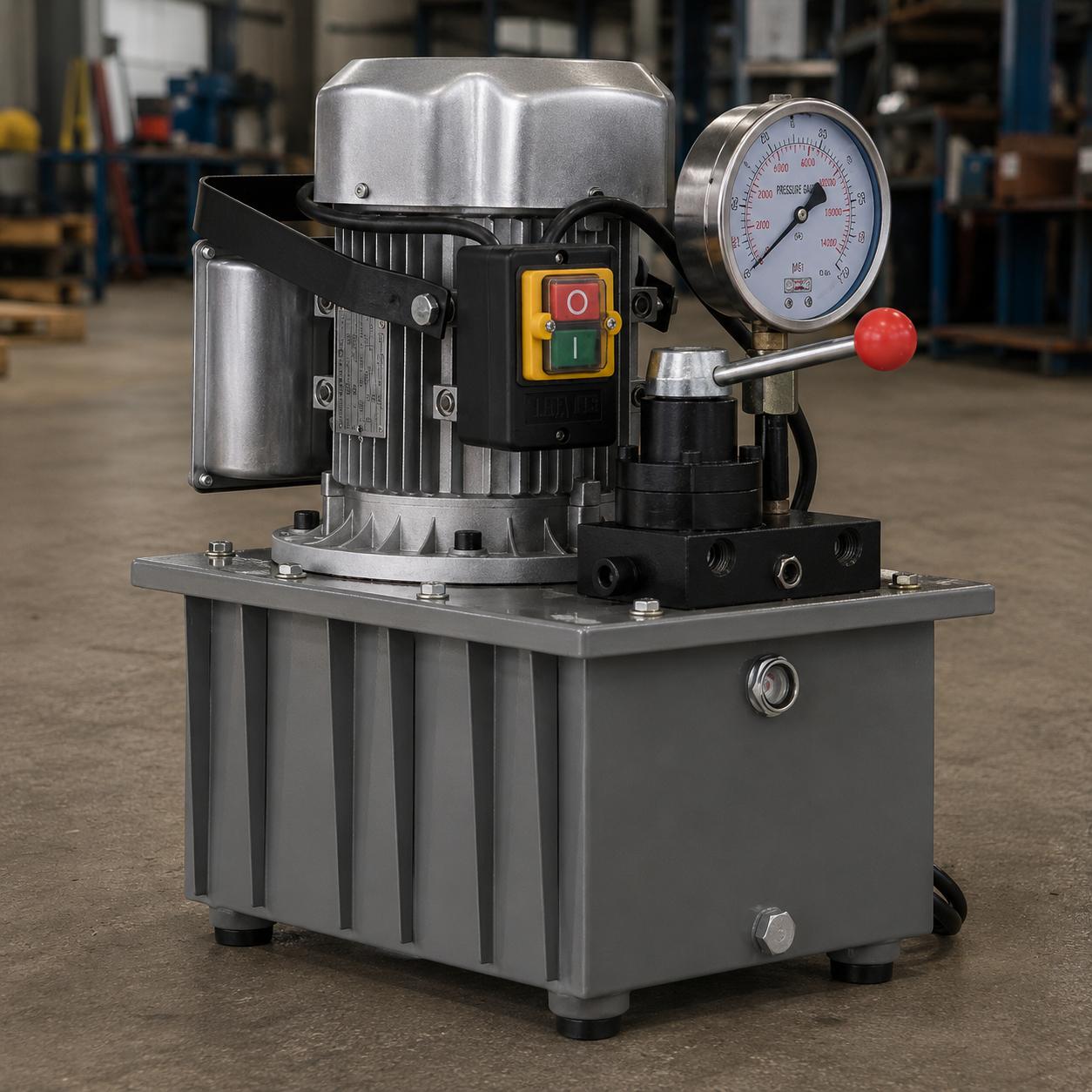

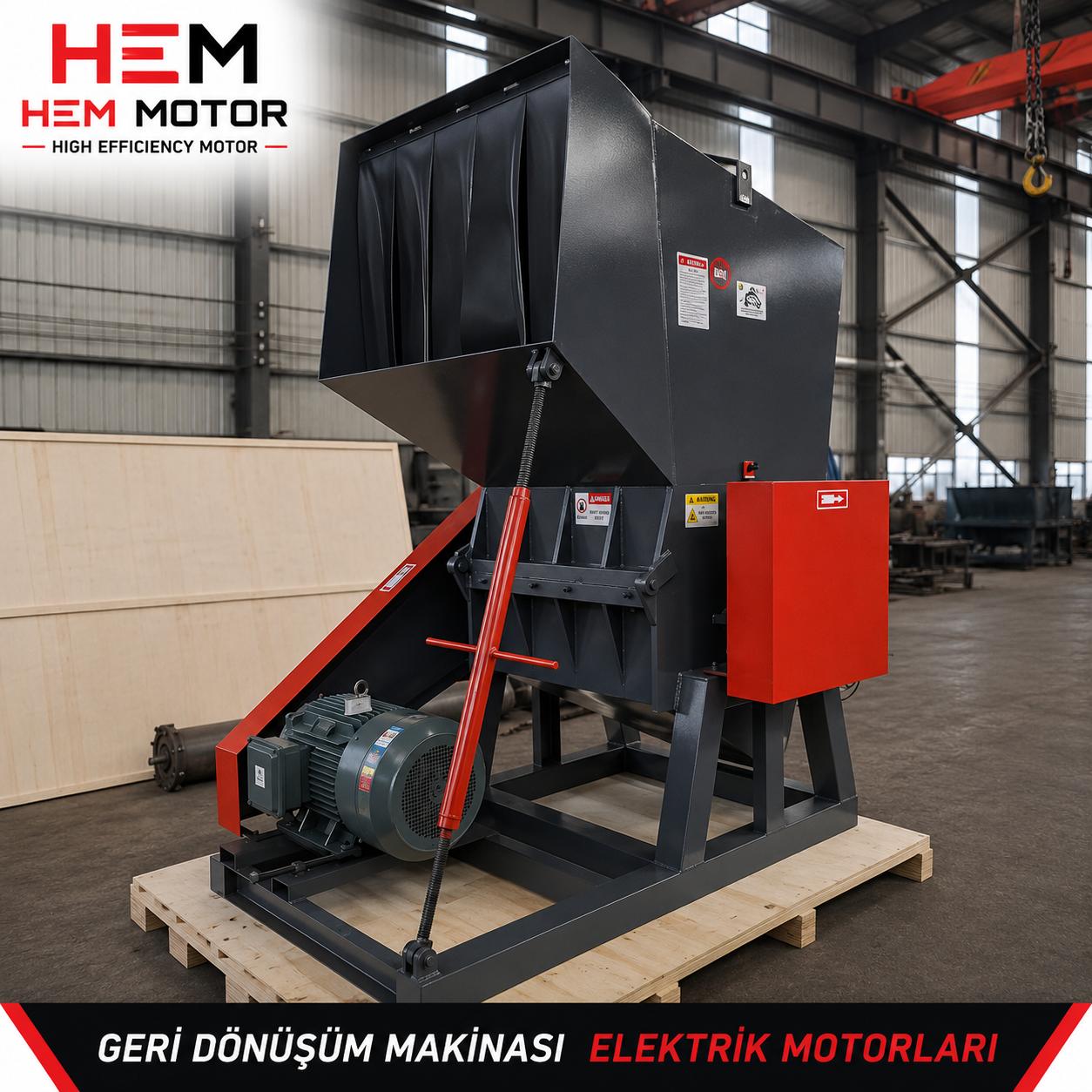
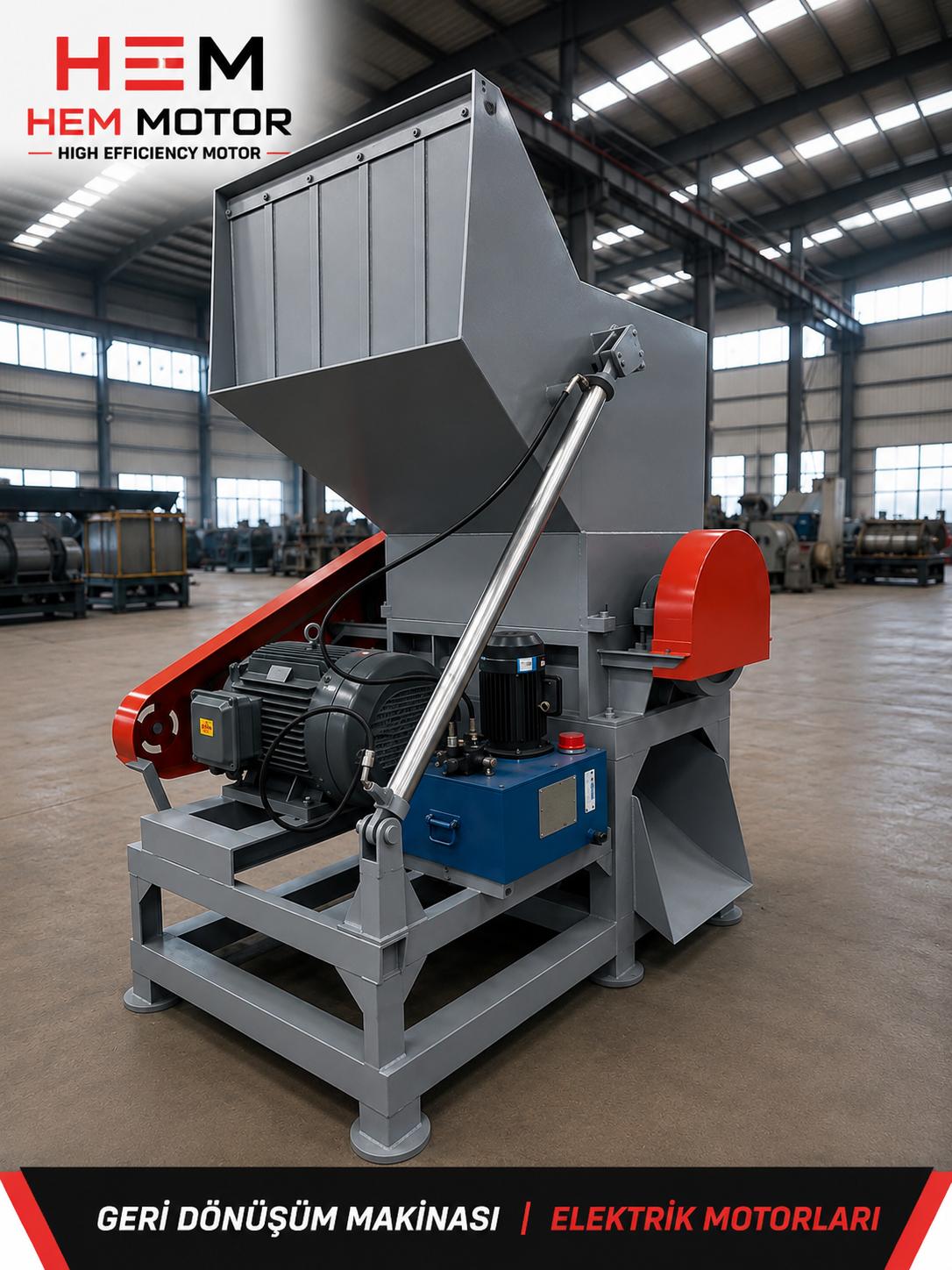
Coal crushers, hammer mills and pulverizer mills sit at the very heart of a power plant or cement facility, and the electric motor driving them determines the efficiency of the entire line. These motors must spin high-inertia rotors, withstand sudden blockages without stalling, and run for years in dust-laden environments. They cannot be compared to an ordinary general-purpose motor. When the correct power, torque characteristic and protection class are not selected, the result is frequent failure, unplanned downtime and serious production loss.
As a manufacturer and a from-stock supplier, the most common mistakes we see in coal crusher motor selection are oversizing or undersizing, the wrong protection class, and neglecting ambient temperature. In this article we cover the high-torque requirement, dust control and sealing needs, continuous-duty (S1) operation, and how to determine the correct power from a technical standpoint. If you would like to identify the ideal motor for your line together, share your requirements and request a quote.
Load Characteristics in Coal Crushers and Pulverizer Mills
Before selecting a pulverizer mill motor, you must understand the behaviour of the driven load. Coal crushers and mills are demanding loads that combine both high starting torque and high moment of inertia. While turning an empty mill is relatively easy, accelerating a coal-filled drum or hammer rotor places a serious burden on the motor.
High Inertia and Starting Time
The rotors of hammer crushers and ball mills have very high mass moment of inertia (GD² or J). The motor draws high current over a long starting period until this stationary mass reaches rated speed. The heat accumulating in the windings during this interval can trip the thermal relay of a poorly selected motor or damage the winding insulation. For this reason, the starting time must be kept shorter than the motor's permitted locked-rotor time (t_E).
Sudden Blockage and Torque Reserve
Stones, metal fragments or wet lumps within the coal can suddenly block the crusher. At that moment the motor is loaded up to its pull-out torque. A motor without sufficient torque reserve will pull out and stall during such blockages, meaning both production loss and mechanical shock. Therefore high pull-out torque and a robust rotor cage are indispensable in this application.
Determining the Correct Power and Torque Characteristic
The golden rule in power selection is to size neither too high nor too low. An oversized motor runs at low power factor and low efficiency under light load, creating unnecessary energy cost. An undersized motor is continuously overloaded and fails prematurely.
Rated Power Calculation
The coal throughput the mill must process (tonnes per hour), the hardness of the coal (Hardgrove index) and the desired particle size determine the required mechanical power. To this mechanical power we add gearbox and belt-pulley transmission losses plus a safety margin to arrive at the motor rated power. In practice, leaving a torque reserve of around 10-15% is a sound approach for these applications.
Torque Class and Design Type
Among the IEC design classes, designs offering high starting torque are generally preferred for coal crushers. Under high-inertia loads, the motor's accelerating torque curve must exceed the load torque curve at every point by a safe margin. Otherwise the motor "hangs" at some point during start-up and cannot accelerate.
- High starting torque: to accelerate the loaded mill from standstill.
- High pull-out torque: at least 200-250% of rated torque to avoid stalling on sudden blockages.
- Low inrush demand: compatibility with star-delta or soft starters to avoid straining the grid.
- High inertia capability: thermal capacity to withstand long starting times.
Dust Control, Sealing and Protection Class
Coal dust is one of a motor's greatest enemies. With its conductive and abrasive nature, it penetrates the windings, bearings and fan duct of an inadequately protected motor. For this reason, the protection class (IP) is vital in coal crusher motor selection.
Selecting the IP Protection Class
In dusty coal preparation units, at least IP55 and preferably IP65 protection is recommended. IP65 provides complete dust-tightness and protection against low-pressure water jets. This both prevents dust ingress and allows periodic wash-down cleaning.
Explosion Risk and ATEX Assessment
At certain concentrations, coal dust can form an explosive atmosphere. If the environment is classified as a zone carrying dust-explosion risk, the motor must be of the appropriate ATEX category, of dust-ignition-proof or pressurised type. This assessment must never be skipped for the sake of plant safety.
Bearing and Housing Sealing
When dust enters the bearings, it breaks down the grease film and causes rapid wear. V-ring seals, labyrinth seals and dust-shielded (2RS) bearings significantly extend bearing life in this application. Re-greasable housings also lengthen maintenance intervals.
Continuous Duty (S1) and Cooling Design
Coal crushers generally operate throughout a shift or continuously. This requires the motor to be designed to reach thermal equilibrium at full load under an S1 continuous-duty regime. In continuous operation, the most critical issue is the effective removal of heat.
Cooling Methods
Standard totally enclosed fan-cooled (TEFC, IC411) motors are adequate for most applications. However, at very high powers or high ambient temperatures, water-jacket (IC71W) or air-to-air heat-exchanger (IC611) cooling solutions come into play. Because clogging of the fan blade with dust accumulation reduces cooling efficiency, the fan cover design should be easy to clean.
Insulation Class and Temperature Reserve
In continuously and heavily loaded motors, using Class F insulation while limiting the temperature rise to Class B significantly extends winding life. Every 10°C reduction in temperature roughly doubles insulation life. Therefore an insulation reserve is a strategic choice for a long-lasting mill motor.
Mechanical Connection, Vibration and Operating Details
In coal mills, the motor is usually connected to the load via a gearbox or a belt-pulley system. The correct selection of these transmission elements determines the radial and axial loads on the motor.
Coupling and Belt Loads
In belt-pulley systems, belt tension imposes a radial load on the motor shaft end and bearings. This load must be considered in bearing selection and shaft diameter. For heavy loads, reinforced bearings or roller bearings are preferred.
Vibration and Balancing
In high-speed, heavy-rotor systems, dynamic balancing of the motor keeps vibration low. Low vibration both extends bearing life and prevents loosening of the foundation bolts. Measuring field vibration is valuable for early fault diagnosis.
Operation with a Variable Frequency Drive
In some modern facilities, the motor is driven through a variable frequency drive (VFD) to adjust mill throughput. In this case the motor may need converter-compatible insulation, an insulated bearing where required, and a forced-cooling external fan for low-speed operation. Our approach to efficient motor selection and correct sizing, covered in our piece on oversizing and downsizing, guides you at this point.
Similar Applications and the Right Supply Approach
The motor requirement on a coal preparation line is often evaluated together with other heavy-duty applications in the same facility. For example, motors with cast iron frames and robust mechanical structures stand out in such applications; the shrink-fit stator-frame design in cast iron motors reduces vibration and noise. Likewise, the crusher drive motor selection on heavy crushing-screening lines shares the same torque and inertia criteria.
Thanks to the broad range of power ratings and pole numbers we supply from stock, we can respond quickly to most standard needs; for special requirements, our manufacturing flexibility comes into play. Share your line's power, speed, protection class and mounting details with us to request a quote for the ideal motor.
Frequently Asked Questions
Which protection class is required for a coal crusher motor?
In coal preparation units with high dust density, at least IP55 and preferably IP65 protection is recommended. IP65 provides full dust-tightness and allows periodic wash-down cleaning. If the environment carries a dust-explosion risk, a motor of the appropriate ATEX category must additionally be selected.
Why should I not oversize the motor?
An oversized motor runs well below its rated load, producing a low power factor and low efficiency, which means unnecessary energy cost and grid burden. The correct approach is to add a reasonable torque reserve to the power calculated from the actual load throughput. Contact us for sizing that matches your real requirement.
Why does the motor stall on sudden blockages and how is it prevented?
When stones or metal fragments in the coal suddenly block the crusher, the motor is loaded up to its pull-out torque. If the torque reserve is insufficient, the motor pulls out and stalls. To prevent this, select a motor with high pull-out torque and a robust rotor cage, and use mechanical protection elements.