English
 Türkçe

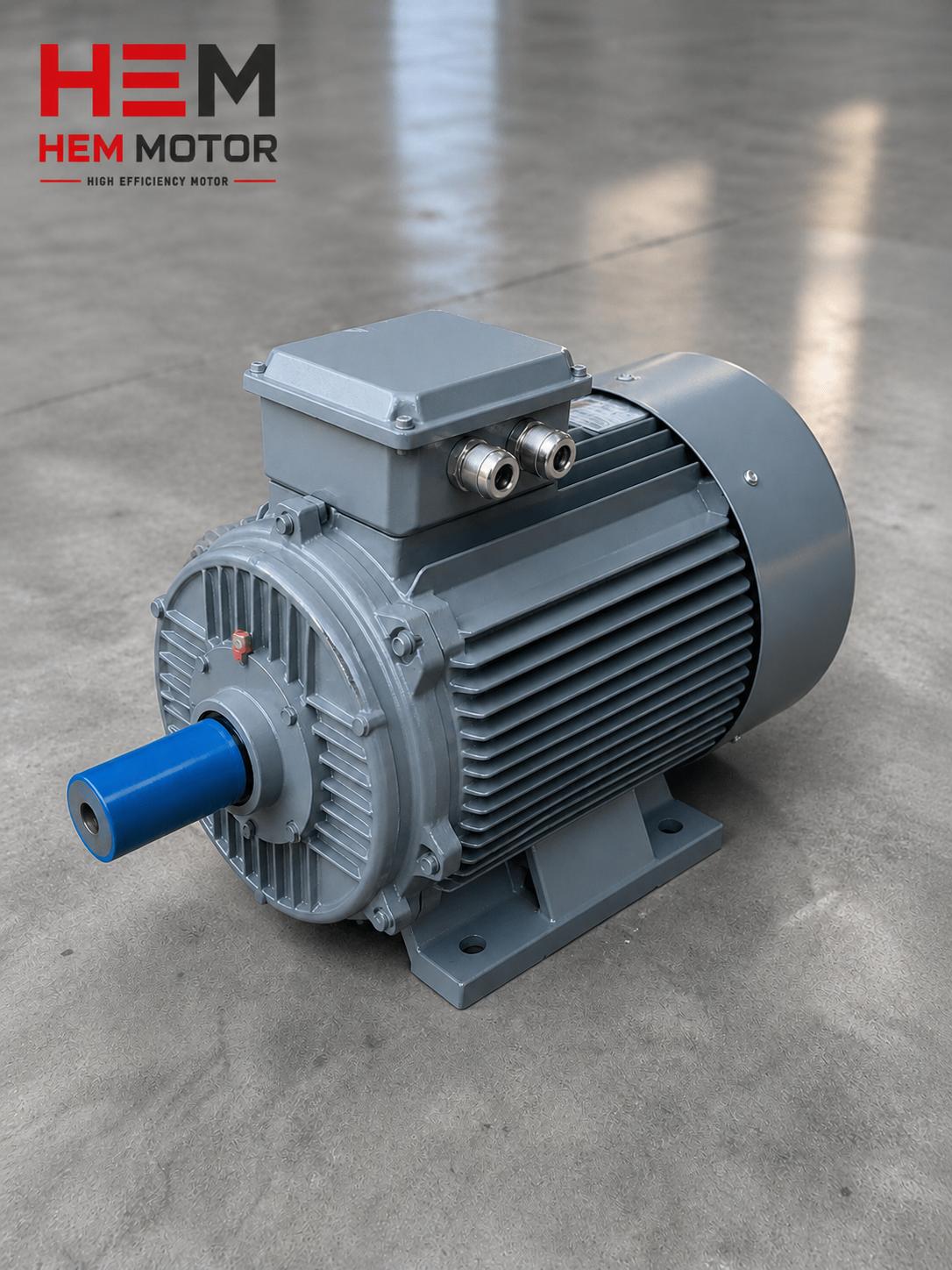

The quiet, vibration-free and long-lasting operation of an electric motor often depends on a detail invisible to the eye: shrink-fitting the stator core into the frame. In cast iron motors, the stator lamination stack is seated into the inner bore of the frame with an interference fit using thermal expansion. When this interference fit is not correctly calculated, either the core loosens inside the frame and causes vibration and humming, or excessive interference distorts the magnetic properties of the laminations. When done correctly, the result is a motor that behaves mechanically as a single piece: quiet and balanced.
As a manufacturer, we know that the quality of the stator-frame fit in cast iron motor production determines a motor's quietness and reliability over its entire lifetime. In this article we cover, from a technical standpoint, the logic of the interference fit, the physics of thermal expansion, the correct method of fitting the core into the frame, and its effect on vibration and noise. If you need a quiet, vibration-free motor, share your requirements and request a quote.
The Mechanical Logic of the Stator-Frame Fit
In an asynchronous motor, the stator lamination stack is the core that carries the magnetic flux and houses the windings. Fixing this stack firmly into the frame is both a mechanical and a thermal requirement. An interference fit uses the elastic deformation of the material, rather than bolts or welds, to secure the core to the frame.
What Is an Interference Fit?
In an interference fit, the outer diameter of the stator core is deliberately manufactured a few microns larger than the inner diameter of the frame. This diameter difference is called the "interference". When the two parts are joined, the frame expands slightly outward, the core is compressed slightly inward, and a permanent radial pressure develops between them. This pressure secures the core inside the frame against both rotation and axial sliding.
Why an Interference Fit Instead of Bolts or Welding?
An interference fit provides a homogeneous pressure distribution across the entire contact surface. Bolted connections create point loads and can loosen over time; welding can damage the insulating coating and magnetic properties of the lamination stack. A correctly calculated interference fit, by contrast, makes the core and frame behave almost as a single piece, which means low vibration.
Thermal Expansion and the Shrink-Fit Method
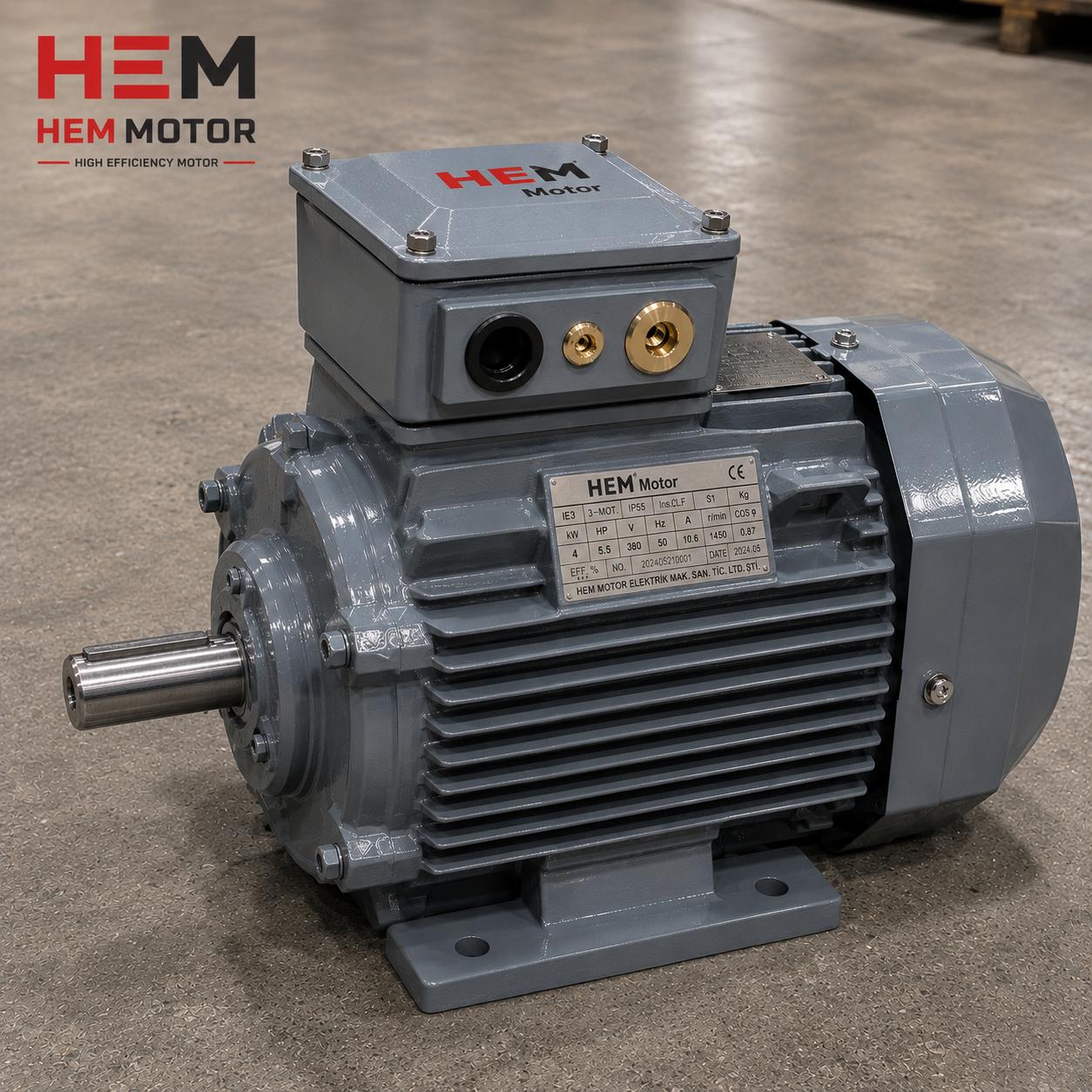
Pressing the stator core into the frame cold by force requires very high force and scratches the contact surfaces, ruining the fit. The preferred method instead is to heat and expand the frame, place the core loosely, and let it grip as the frame cools. This is called shrink-fitting.
The Physics of Thermal Expansion
Metals expand as they heat. When the cast iron frame is heated to a certain temperature, its inner diameter grows measurably. When this expansion is enough for the core to enter the frame loosely, the core is placed centred. As the frame cools to room temperature, it contracts and grips the core tightly. The amount of expansion is directly proportional to the material's thermal expansion coefficient, its diameter and the temperature difference.
The Correct Temperature Window
Hitting the correct temperature window when heating the frame is critical. With insufficient heating the core will not enter or jams halfway; with excessive heating the structure of the cast material and the frame coatings can be damaged. For this reason, heating is done in controlled furnaces or by induction, and the temperature is continuously monitored.
- Controlled heating: the frame is heated homogeneously up to the target temperature.
- Rapid placement: the core is placed quickly and centred before the frame begins to cool.
- Correct interference: the diameter difference is calculated to give both adequate grip and to avoid excessive stress.
- Natural cooling: the frame-core assembly is cooled gradually to balance internal stresses.
Calculating the Interference
The interference is the most sensitive parameter determining a motor's quietness and performance. Too little and the core loosens; too much and the magnetic permeability of the lamination stack degrades under stress, lowering efficiency.
Consequences of Too Little Interference
With insufficient interference, the core makes micro-movements inside the frame during the thermal cycles and magnetic vibrations of motor operation. This can lead to a humming that grows over time, noise, and even rotation of the core inside the frame. Such a motor may seem fine at first but becomes noisy within months.
Consequences of Too Much Interference
With excessive interference, high mechanical stresses develop on the lamination stack. Electrical steel loses some of its magnetic properties under stress, which means increased iron losses and reduced efficiency. Excessive interference also raises the risk of damaging the core during assembly. This delicate balance is the foundation of correct efficient motor design.
The Advantages of Cast Iron in This Application
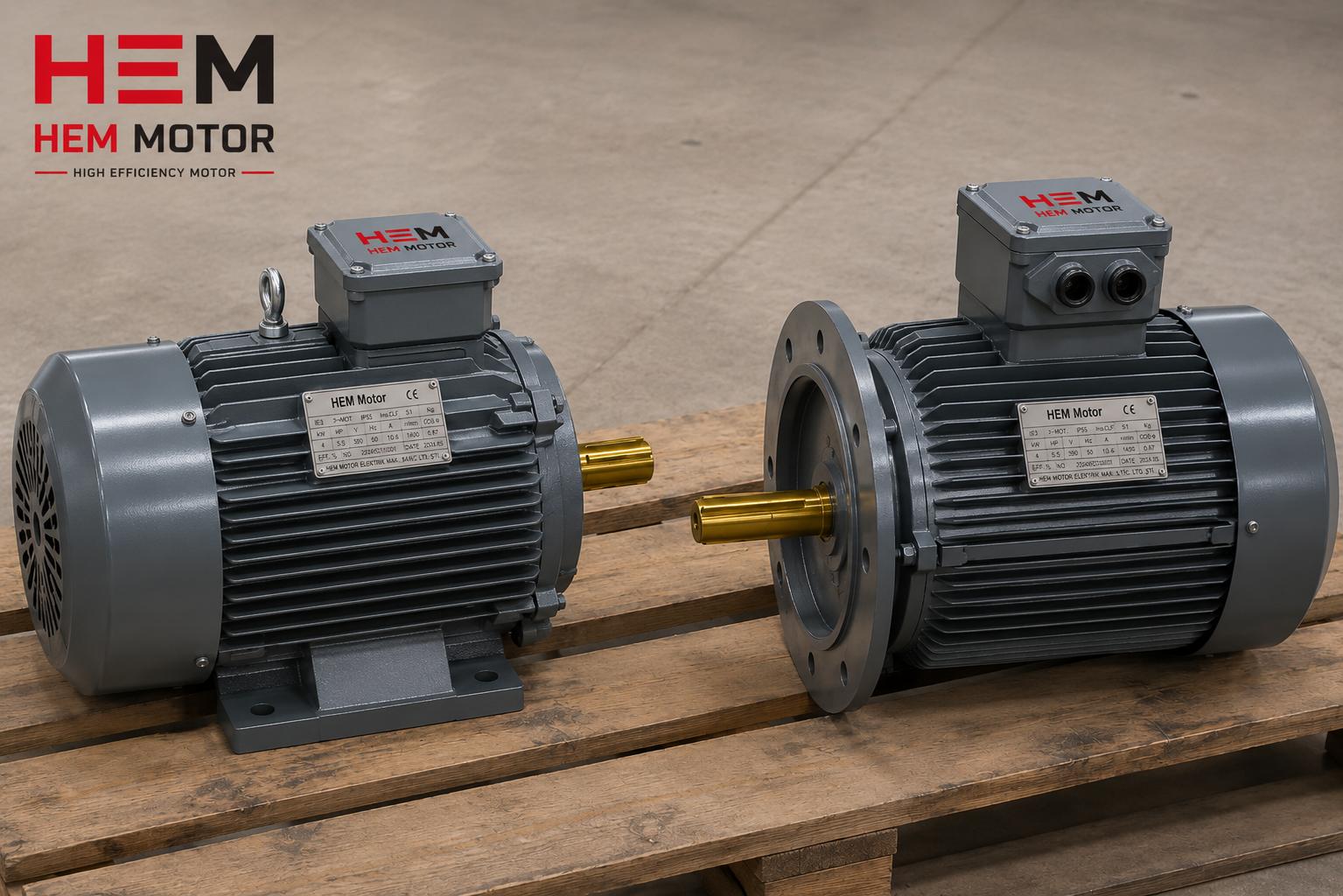
As the frame material into which the stator core is shrink-fitted, cast iron offers special engineering advantages. These advantages form the basis of a quiet, vibration-free motor.
Vibration Damping
Cast iron has an excellent vibration-damping capacity thanks to the graphite flakes in its microstructure. Compared with steel or aluminium frames, a cast iron frame absorbs the magnetic and mechanical vibrations inside the motor better. This means a motor that sounds quieter and radiates less noise.
Dimensional Stability
Cast iron is dimensionally stable under thermal cycling. This is important for the interference fit created by shrink-fitting to be maintained over the motor's lifetime and across different temperatures. Dimensional stability ensures the core does not loosen even years later.
Mechanical Robustness
A cast iron frame is resistant to heavy mechanical loads and impacts. This allows the motor to operate safely in demanding industrial environments, for example in coal crusher and mill applications. The same robustness is also critical in heavy-duty applications such as crusher drive motors.
Vibration, Noise and Quality Control
The ultimate test of a correct stator-frame fit is the level of sound and vibration the motor radiates while running. This is decisive both for user comfort and for long life.
Vibration Measurement
Post-production vibration measurement is the most direct indicator of whether the core has been correctly fitted into the frame. High vibration points to a loose fit or imbalance. A well-fitted core gives a low and stable vibration signature.
Noise Level and Magnetic Hum
Magnetic hum arises from the vibration of the stator core due to magnetostriction. If the core is well secured to the frame, this vibration is transmitted to the frame and damped, and little sound radiates outward. A loose core, by contrast, emits this hum outward like a loudspeaker.
Axial Fixing
In addition to the interference fit, some designs use extra mechanical locking points to completely prevent axial sliding of the core. This provides additional security, especially in high-vibration applications.
Our Approach to Correct Motor Supply
The stator-frame shrink fit is a production detail that is invisible from the outside but determines a motor's character. A manufacturer that gets this detail right delivers you a motor that runs quietly and vibration-free for years. The range of cast iron framed motors we supply from stock covers a wide span of power and speed; our manufacturing flexibility is on hand for special needs.
Share your application's power, speed, mounting and noise requirements with us to request a quote for the ideal motor. On correct motor selection, our approach to avoiding oversizing also guides you.
Frequently Asked Questions
Why is the stator core fitted into the frame by shrink-fitting?
Shrink-fitting heats and expands the frame so the core can be placed loosely, then grips it tightly as it cools. Compared with cold press-fitting, this method creates a homogeneous, strong interference fit without scratching the contact surfaces. The result is a motor that behaves mechanically as a single piece: quiet and vibration-free.
What happens if the interference is too large?
Excessive interference creates high mechanical stresses on the stator lamination stack. Electrical steel partially loses its magnetic properties under stress, which means increased iron losses and reduced efficiency. The core can also be damaged during assembly. For this reason the interference is calculated precisely, neither too little nor too much.
Why does a cast iron frame provide a quieter motor?
Cast iron has excellent vibration-damping capacity thanks to the graphite flakes in its microstructure. It absorbs magnetic and mechanical vibrations better than steel or aluminium frames. This means both a quieter motor and one with low vibration. Thanks to its dimensional stability, the interference fit is also maintained for years.