English
 Türkçe

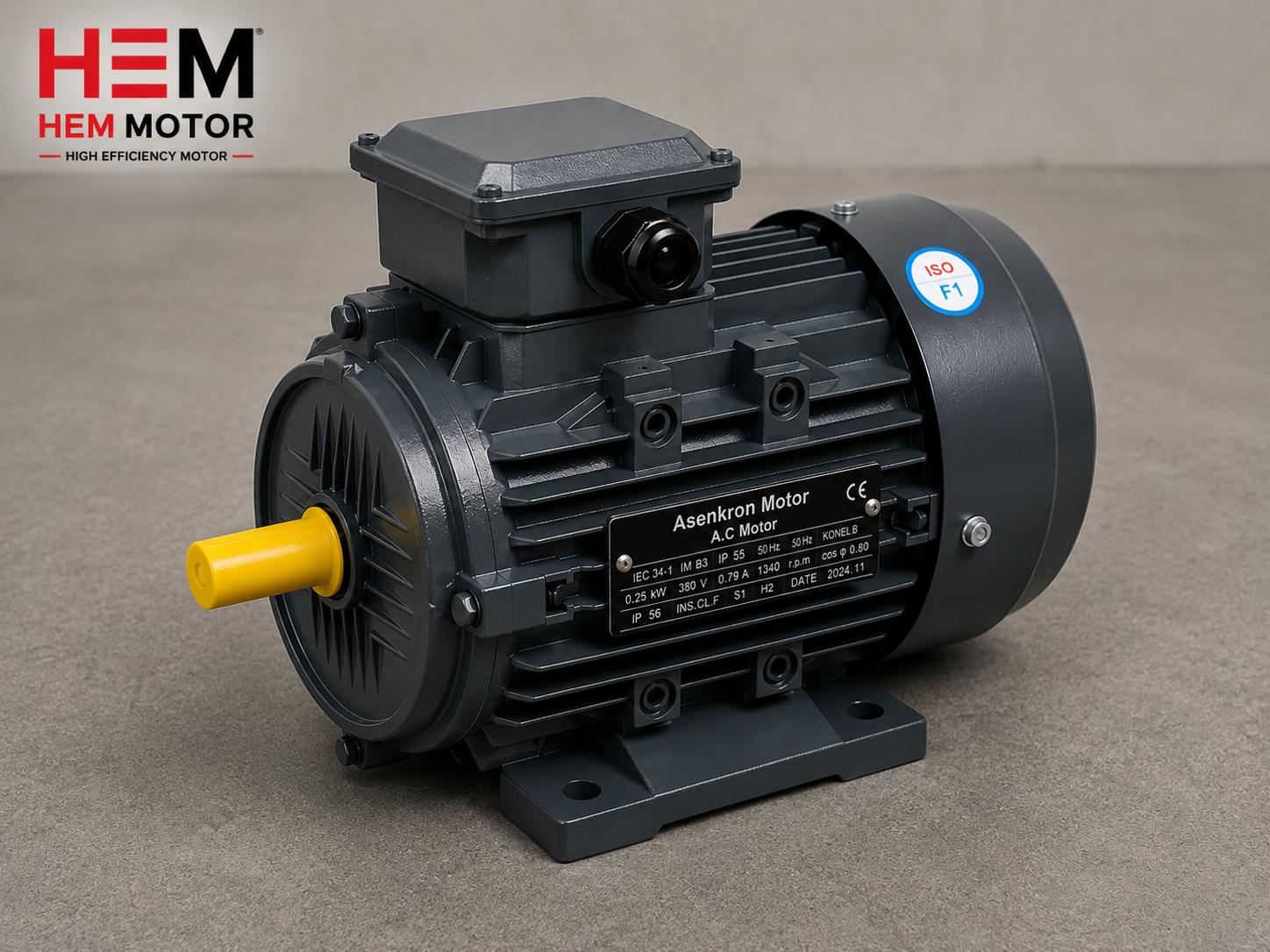

In vertically mounted applications, motor selection requires far more technical detail than horizontal mounting. In pumps, mixers and some special process machines, the motor is mounted vertically, with the shaft facing down or up. These configurations are defined in the IEC standard by the mounting codes IM V18 and IM V19. A cast iron motor stands out in these applications in both mechanical durability and sealing, because vertical mounting demands special attention to matters such as the shaft seal and axial thrust.
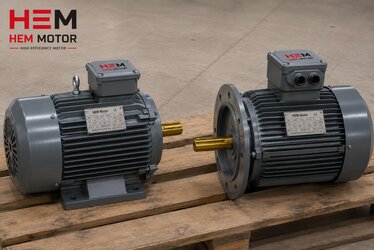
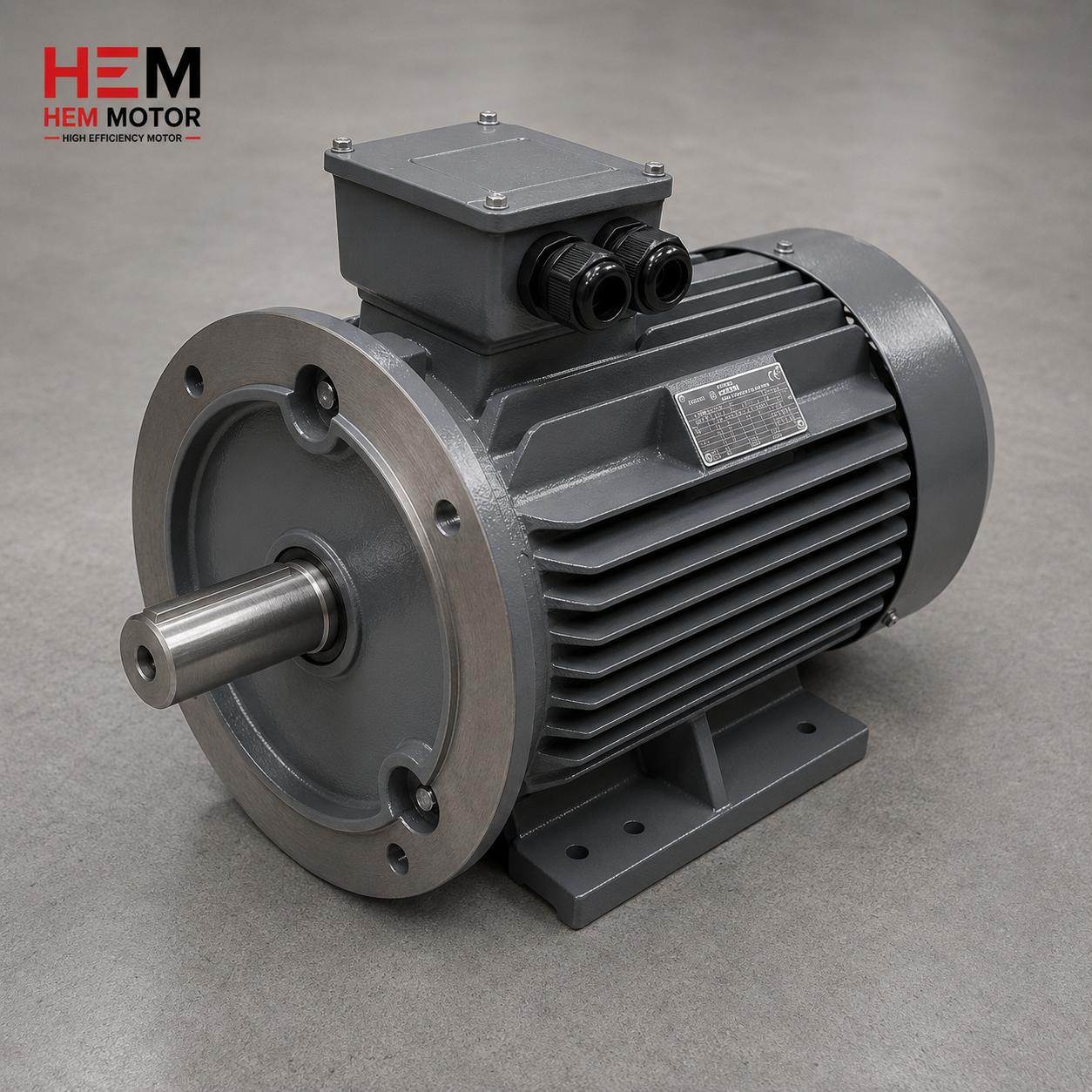
IM V18 and IM V19 are footless, flange-only (B5 type) vertical mounting forms. In IM V18 the motor's shaft faces down, and in IM V19 it faces up. In both configurations the motor carries all its load through the flange rather than feet. This structure allows the motor to be connected by flange directly onto a machine or pump. Clearly defining the correct mounting code, axial load and protection class from the start is critical to obtaining the right motor on the first attempt.
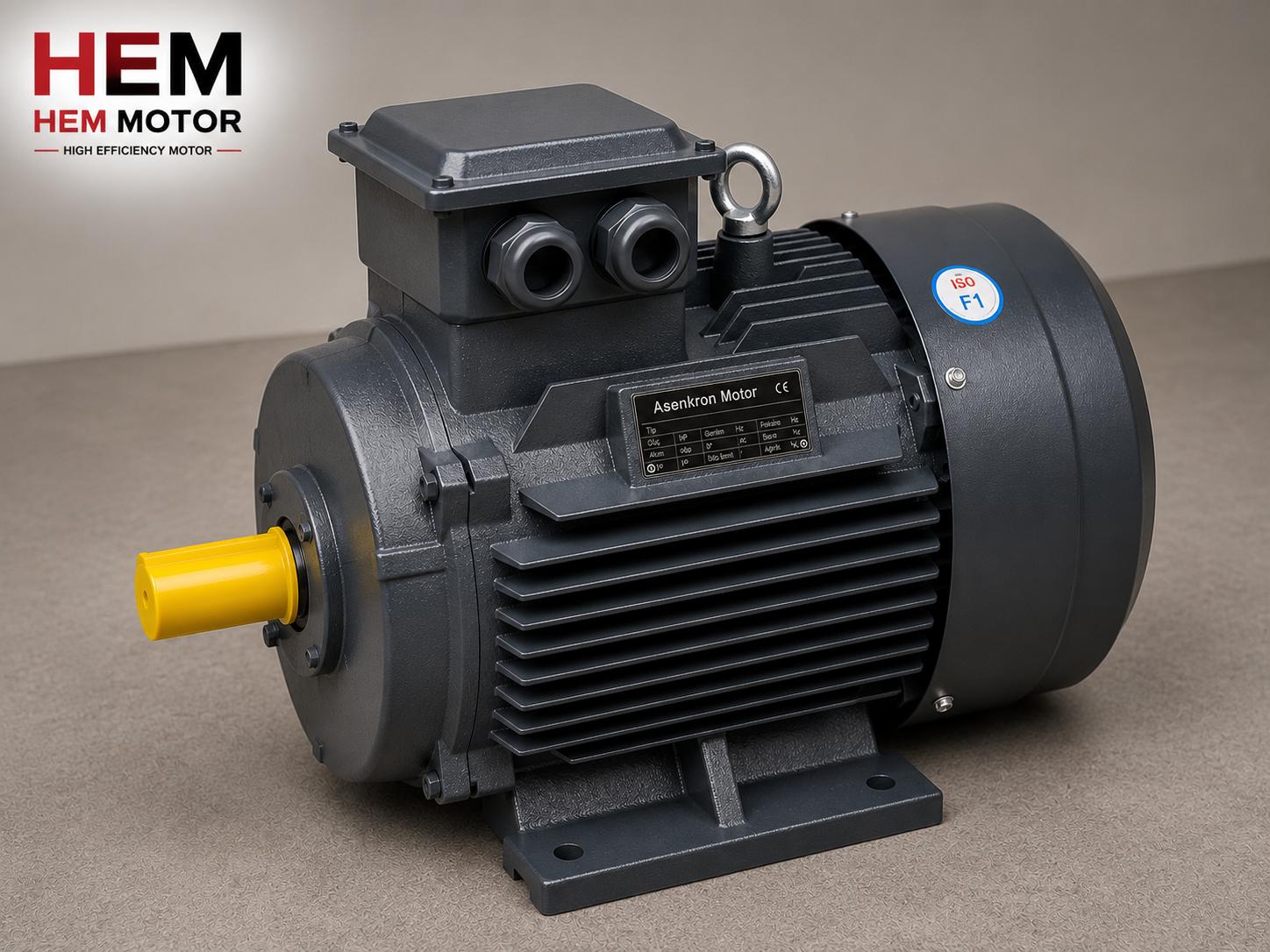
In vertical mounting applications, correct motor selection is decisive for both mounting safety and long-lived operation. HEM Motor manufactures cast iron body vertical flange motors suited to different mounting codes and offers them with correct technical guidance. For more about our product range you can visit our homepage.
The Meaning of the IM V18 and IM V19 Mounting Codes
The IEC 60034-7 standard defines the mounting forms of motors with IM codes. These codes indicate the motor's orientation, shaft direction and connection form. In cast iron motor selection, determining the correct IM code is essential for trouble-free mounting.
IM V18: Shaft Down
In the IM V18 configuration the motor is vertical and its shaft faces down. This mounting form is used in applications where the motor is placed on top of a pump or machine and the shaft provides drive downward. When the shaft faces down, the direction of the vertical axial load and the position of the shaft seal are especially important, because water or liquid that may come from above must be prevented from entering the motor.
IM V19: Shaft Up
In the IM V19 configuration the motor is again vertical but its shaft faces up. This form is preferred in applications where the shaft drives a machine upward. When the shaft faces up, the axial load is carried by a different bearing and the sealing measures are planned accordingly.
Difference from V1/V5: Footless, Flange-Only Structure
Among vertical mounting codes, the most frequently confused are IM V1/V5 and IM V18/V19. The basic difference between them is whether feet are present. The IM V1 and V5 configurations can generally include both flange and feet, while IM V18 and V19 are completely footless and carry all load through the flange only.
This difference is critical in mounting planning. A footless motor is bolted directly to the machine's flange and has no additional foot support. The flange and connection bolts must therefore be dimensioned to safely carry the motor's full weight and the forces that arise during operation. A wrong mounting code selection can lead to the motor not connecting to the machine at all, so the code must be clearly stated at the ordering stage.
- IM V18: Footless, B5 flange, vertical, shaft down.
- IM V19: Footless, B5 flange, vertical, shaft up.
- IM V1/V5: Vertical, but may include feet; load distribution is different.
- Flange load: In a footless structure all load is carried by the flange; flange dimensioning is critical.
Shaft Seal and Sealing
One of the most critical matters in vertical mounting is sealing. While in a horizontal motor gravity naturally directs water downward, in vertical mounting water and moisture tend to accumulate toward the shaft exit. The correct positioning of the shaft seal, V-ring gasket and drain hole is therefore critical to shed water in the right direction.
The Role of the Shaft Seal
The shaft seal retains the internal lubrication at the point where the shaft enters the housing and prevents water, dust or dirt from entering from outside. In vertical mounting, especially when the shaft faces up, water that may fall on the shaft presses against the seal. For motors designed for vertical applications, the seal structure and V-ring gasket therefore provide additional protection.
Drain Hole Position
Water can accumulate inside the motor housing due to condensation. The housing has drain holes so this water can be discharged. In vertical mounting, the drain hole must be positioned at the lowest point; otherwise the water cannot be discharged and accumulates inside the housing, damaging the winding. The motor's mounting orientation must therefore be selected in harmony with the correct positioning of the drain holes.
Axial Thrust and Bearing Arrangement
In vertical mounting, the weight of the motor and connected equipment and the axial forces that arise during operation load the bearings directly. While the axial load is less pronounced in horizontal mounting, in vertical mounting this load is the main determinant of bearing selection. In cast iron motor selection, the direction and magnitude of the axial load must be stated at the ordering stage to determine the correct bearing arrangement.
In the shaft-down (V18) and shaft-up (V19) configurations, the axial load is carried by different bearings. When the shaft faces down, the weight loads the lower bearing, while when the shaft faces up, the upper bearing may be strained more. For vertical applications the motor must therefore be selected with a reinforced bearing arrangement able to carry the axial load. Correct bearing selection both reduces vibration and extends motor life. To fully evaluate the power-speed relationship, you can use our power and speed selection guide.
Protection Class and Insulation
Vertically mounted motors generally work in pump and process applications, in environments with moisture and water. The protection class must therefore be determined correctly. At least IP55 protection protects the motor against dust and water spray. In harder environments, IP65 protection is preferred.
The insulation class is also important for motor life. F class insulation offers a safe operating margin even at high ambient temperature. In vertical mounting, evaluating sealing and protection class together prevents water and moisture from reaching the winding and ensures long-lived operation. For correct supply, the mounting code, axial load and IP55/F class information must be clearly defined from the start.
What You Need to Know for Correct Supply
Correctly obtaining a vertical flange motor requires clearly sharing a few basic pieces of information. A selection made without this information can result in a motor with the wrong mounting code or an inadequate bearing arrangement.
- Mounting code (IM V18/V19): Shaft direction and flange type must be clear.
- Axial load: Load direction and magnitude determine the bearing arrangement.
- Protection class (IP55/IP65): Determined according to ambient conditions.
- Insulation class (F/H): Selected according to ambient temperature.
- Flange dimensions: Flange diameter and bolt pattern must be known for machine compatibility.
A purchase made with this information both speeds up the delivery process and eliminates the risk of the wrong product. A supply relationship built directly with the manufacturer brings together correct technical guidance and fast delivery.
Advantages of the Cast Iron Body in Vertical Mounting
In vertical flange mounting, the choice of body material is especially important for motor durability. The cast iron body offers clear advantages over the aluminium body in these applications. In a footless structure where all the load is carried by the flange, the mechanical durability of the body directly determines mounting safety. Cast iron is an ideal material for vertical mounting with its high mechanical strength and vibration-damping property.
Mechanical Durability and Flange Integrity
In footless vertical mounting, the flange carries the motor's full weight and operating forces. The flange region of the cast iron body has the rigidity to safely carry these loads. The risk of deformation that may develop over time in the flange region of aluminium bodies is much lower in cast iron. This increases mounting safety and vibration stability in the long term.
Vibration Damping
Cast iron material damps vibration well by nature. In vertical mounting, vibration is an important factor affecting the life of both the motor and connected equipment. The vibration-damping property of the cast iron body extends bearing life and reduces noise. This property gains value especially in continuously running pump and mixer applications.
Commissioning and First-Start Checks
Correctly commissioning a vertical flange motor is the foundation of long-lived operation. After mounting is complete, a few basic checks should be made before the motor is put under load. These checks are important for both protecting the warranty and preventing early failures.
First, it should be checked that the flange connection bolts are tightened to the correct torque value. Since all load is on these bolts in a footless structure, a loose connection poses a serious risk. Then the motor's direction of rotation is checked; the wrong direction of rotation can damage the pump or machine. Finally, the insulation resistance is measured to ensure the winding has not been affected by moisture. When these checks are done carefully, the motor can be safely put under load.
Condensation and Long-Term Standstill
If a vertically mounted motor stands without running for a long time, water can accumulate inside the housing due to condensation. In this case, before running the motor, it must be ensured that the drain holes are open and the accumulated water has been discharged. If necessary, the winding insulation resistance should be measured again. This simple check prevents damage that could occur at first start after a long standstill. For motors that stand in humid environments, ensuring the inside of the housing is dry before commissioning is an important step for winding safety.
Typical Application Areas of the Vertical Flange Motor
Motors with IM V18 and IM V19 mounting codes are used in many industrial machines that work on a vertical axis. The common feature of these applications is that the motor provides direct drive by connecting by flange onto or under a machine. A motor selected with the correct mounting code and the correct body material offers long-lived and safe operation in these applications.
Vertical Shaft Pumps
Vertical shaft pumps are the most common use area of the IM V18 configuration. The motor is placed on top of the pump and its shaft drives the pump downward. In this application axial thrust and sealing are especially important, because water and moisture that may come from the pump are directed to the motor's shaft exit. The cast iron body and correct shaft seal protect the motor in this hard condition.
Agitators and Mixers
In vertical agitator and mixer applications the motor directly drives the mixing shaft. In these applications the axial load can be high, because the weight of the mixing shaft and the resistance of the liquid are reflected directly on the motor. A reinforced bearing arrangement able to carry the axial load and a robust cast iron body are therefore preferred.
Special Process Machines
Some special process machines are also driven by vertical flange motors. In these applications the motor's mounting code, axial load capacity and protection class are determined according to the machine's special requirements. Since each application has its own conditions, motor selection must be evaluated together with the machine. This way both mounting compatibility and long-lived operation are ensured. Especially in process machines where the axial load and sealing need are high, selecting the motor specifically for these conditions is of great importance.
The Risks of Wrong Mounting Code Selection
The most common problem in vertical flange motor purchasing is wrong mounting code selection. Choosing V19 or V1 instead of IM V18 can lead to the motor not connecting to the machine at all, or to the axial load loading the wrong bearing. In this case either the motor cannot be used or a bearing failure occurs quickly. Clearly stating the mounting code at the ordering stage therefore prevents major problems later.
Similarly, missing or wrong reporting of the axial load results in a motor with an inadequate bearing arrangement. Since axial load is the main determinant of bearing selection in vertical mounting, correct sharing of this information is critical. In cast iron motor selection, defining the mounting code, axial load and protection class together and completely is the guarantee of obtaining the right product on the first attempt and of long-lived operation.
Frequently Asked Questions
What is the difference between IM V18 and IM V19?
Both codes define footless, flange-only (B5) vertical mounting. The only difference is shaft direction: in IM V18 the shaft faces down, in IM V19 it faces up. This difference determines which bearing the axial load loads and how the sealing measures are planned. The correct code must be selected according to the shaft direction the application requires.
Why is sealing more critical in vertical mounting?
In vertical mounting, water and moisture tend to accumulate toward the shaft exit, unlike in horizontal mounting. The correct positioning of the shaft seal, V-ring gasket and drain hole is therefore critical to shed water in the right direction. Poorly planned sealing can lead to water entering the housing and damaging the winding.
What information should I provide when ordering a vertical flange motor?
You need to clearly state the mounting code (IM V18 or V19), the direction and magnitude of the axial load, the protection class (IP55/IP65), the insulation class (F/H) and the flange dimensions from the start. This information ensures a motor with the correct bearing arrangement and correct mounting form is obtained on the first attempt.