English
 Türkçe

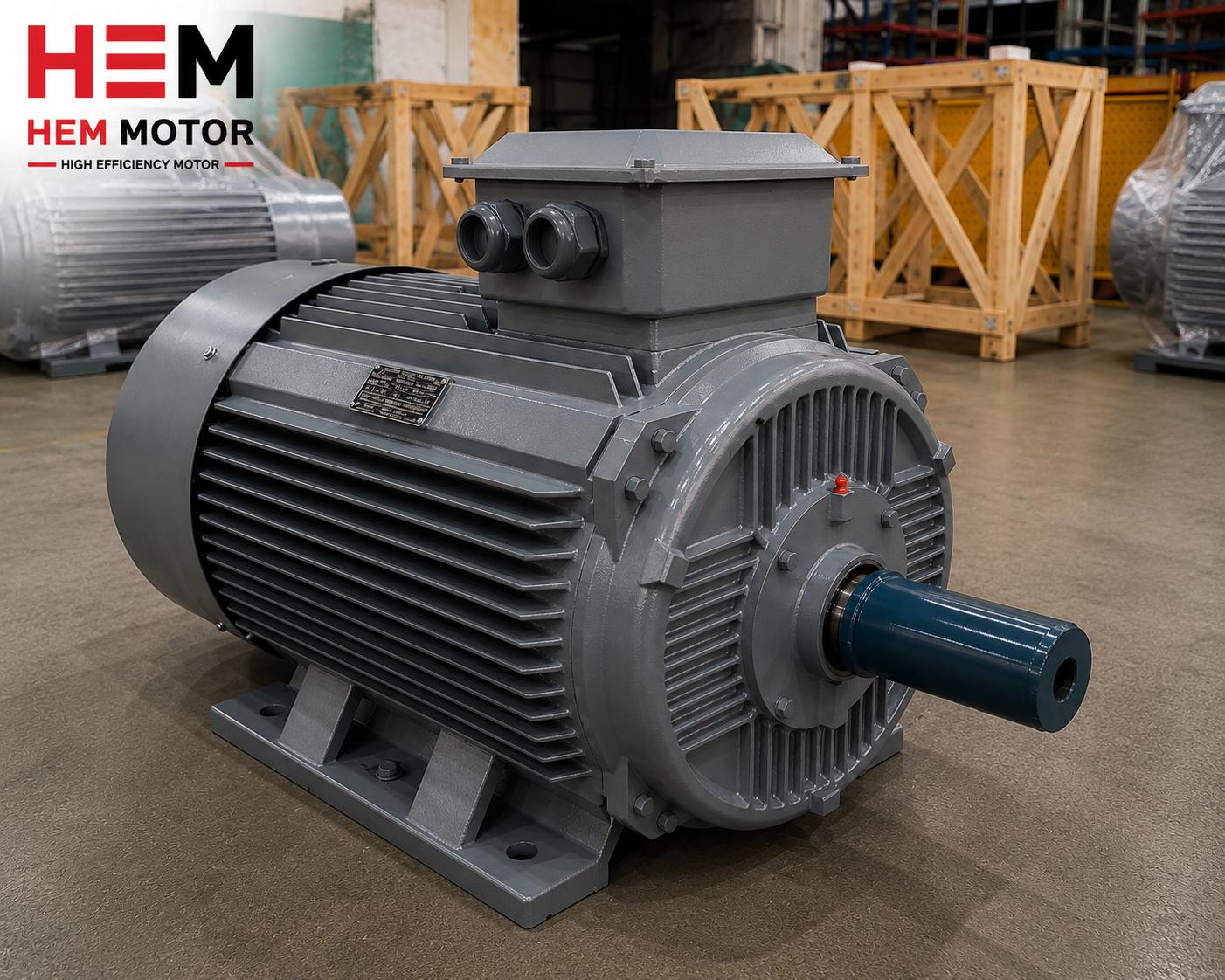

The cooling fan cowl at the rear of a cast iron electric motor is a part most plants overlook, yet it directly governs how hot the motor runs. This cover collects the air blown by the fan on the rear shaft end and channels it along the cooling fins on the motor body. When the duct cross-section becomes clogged with dust, oil, fibre or chips, airflow drops, the housing temperature climbs and the winding insulation ages rapidly. A cast iron electric motor running in a dusty environment therefore generates far more overheating complaints than the same motor in a clean plant. In this article we explain why fan cowl clogging leads to overheating, what the correct cleaning interval is, and which motor to buy for dusty applications, all from a purchasing perspective.
What Is a Fan Cowl and Its Role in Cooling?
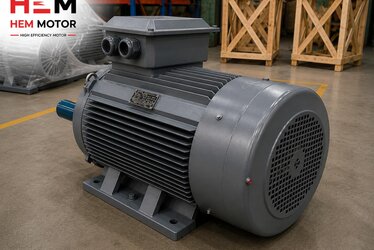
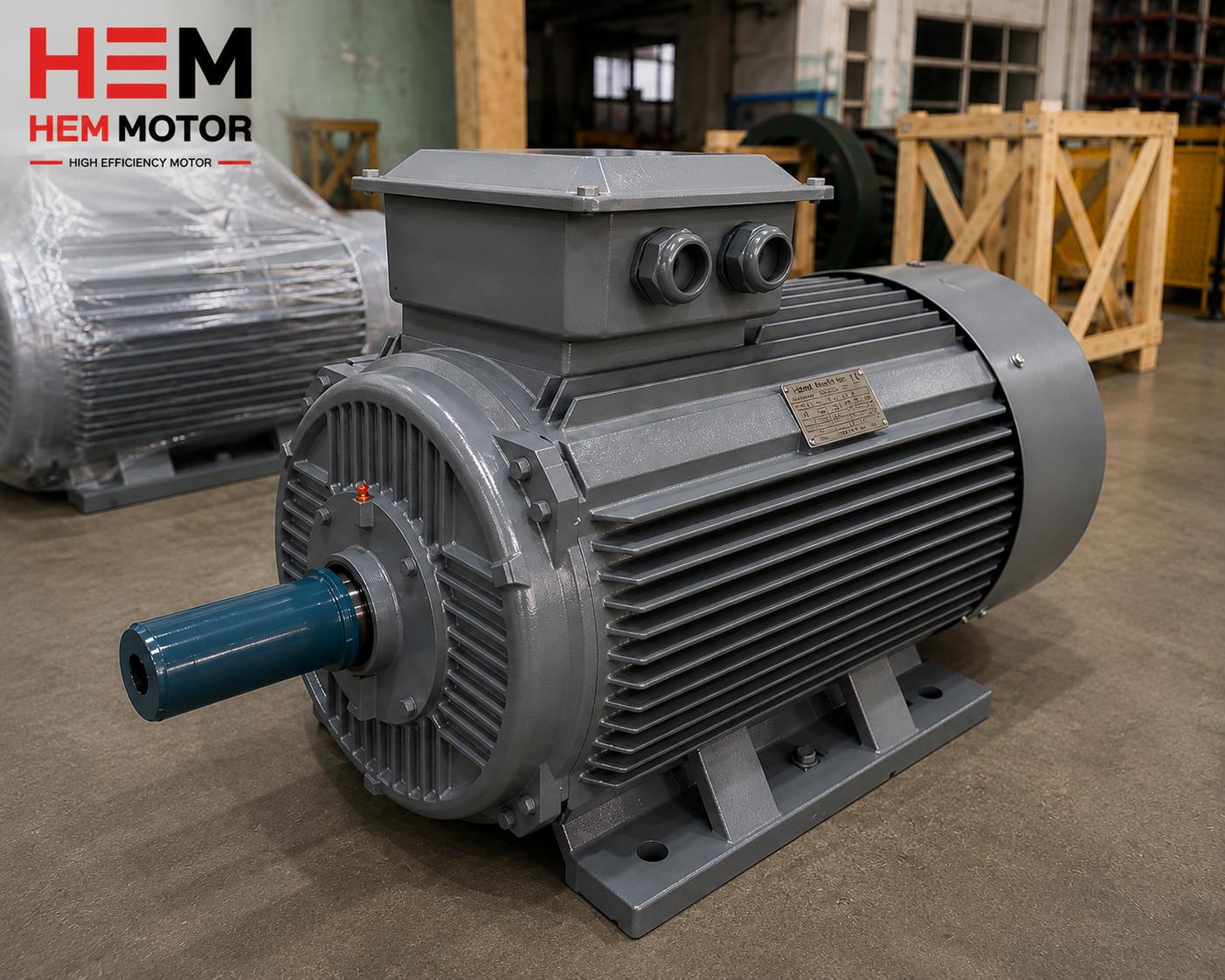
In a standard totally enclosed, fan-cooled (TEFC / IC411) asynchronous motor, cooling happens when a radial fan mounted on the shaft draws air from outside the housing and blows it over the cast iron fins. The sheet metal or plastic cover fitted over the fan is called the fan cowl. This cover has two jobs: first, to channel air toward the fins; second, to protect against contact with the rotating fan. When the cowl's inlet grilles fill with dust, cotton fibre, wood chips or dried mud, the fan spins in place and the volume of air delivered falls.
When cooling air drops by 20-30%, the housing temperature can rise by tens of degrees. The basic rule for winding insulation is clear: every significant rise in operating temperature roughly halves the insulation life. So a clogged fan cowl opens the path to premature winding failure even when the motor has no mechanical fault at all. For this reason, fan cowl maintenance is the cheapest preventive action that avoids an expensive rewind or motor replacement.
Why Does Clogging Turn Into Overheating?
- Airflow drops: As the grille cross-section narrows, the fan moves less air and the fins cannot shed heat.
- Insulating dust layer: Dust on the body acts like a heat-trapping blanket and renders the fin surface ineffective.
- Heat build-up: In continuous duty (S1) the housing temperature keeps rising until the equilibrium point reaches the insulation limit.
- Bearing grease thins: High temperature lowers grease viscosity, shortening bearing life; heat and vibration feed each other.
Why Do Fan Cowls Clog Faster in Dusty Environments?
Cement, marble, woodworking, textile, feed and grain plants have high airborne particle density. Because the fan cowl is constantly drawing air, it effectively pulls dust toward itself in these environments. Moisture and oil vapour turn the dust into a sticky paste, forming a crust that a dry brush cannot remove. In motors running outdoors or in oily, humid air this build-up can reach a critical level within weeks.
Body material matters here too. Cast iron housing is heavier and stronger than aluminium and also has higher thermal mass; during sudden heat spikes the body buffers some of the heat and keeps shedding it through its large-area fins. That is why cast iron is preferred for dusty, hot applications. For a deeper comparison of body material selection by environment, our guide on cast iron vs aluminium frame motor selection clarifies the purchasing decision.
Which Sectors Carry High Risk?
- Woodworking and furniture shops: Fine chips and dust quickly cover the grilles.
- Cement, marble, aggregate: Mineral dust forms a crust when mixed with oil.
- Textile and yarn: Cotton fibre felts onto the fan cowl and sticks.
- Feed and flour mills: Organic dust both clogs and combines with moisture into mould.
- Open sites and construction: Dry mud and soil particles fill the grilles.
Correct Cleaning: Interval, Method and Safety
Fan cowl cleaning looks simple but can cause damage if done wrong. The first rule is always to stop the motor and isolate the power; working on a spinning fan causes injury. Second, when using compressed air, blow the dust off the body fins outward, not inward. For a sticky crust, a dry brush and plastic spatula are enough; scratching the fins with a hard metal tool starts corrosion.
The cleaning interval depends on the environment. In a very dusty plant a weekly visual check and monthly cleaning makes sense, while in a clean mechanical shop a three-month period may be enough. The key is to tie the interval to a fixed schedule and to monitor the housing temperature, not by hand, but with a simple contact thermometer. A gradual rise in housing temperature is the earliest sign that the fan cowl is starting to clog.
Maintenance Checklist
- Isolate and tag: Lock the switch and post a warning on the panel before cleaning.
- Grille check: Visually assess the open ratio of the inlet grilles.
- Fin cleaning: Fully remove the dust blanket on the body.
- Temperature reading: Periodically record the operating temperature and track the trend.
- Fan integrity: A cracked or broken fan blade lowers airflow; replace it.
Choosing the Right Motor for Dusty Applications
As important as maintenance is buying a motor suited to the environment from the start. The right feature set for dusty, hot environments is: IP55 protection, F (or H if needed) insulation, cast iron housing and power sized for continuous duty (S1). IP55 protection shields the winding under the fan cowl against dust ingress, while the insulation class determines the winding's endurance at high temperature. Our guide on motor insulation class in hot and dusty environments helps you select the correct class.
If you are curious how cooling performance is improved by design, our article on cooling and fan design in IE4 motors explains the effect of fan and cowl geometry on efficiency. In this scope the HEM Motor range offers cast iron, IP55-protected options for dusty industrial applications; for current electric motor prices and stock status, stating your environment (dust, moisture, temperature, duty type) at the quotation stage ensures the right product arrives.
Information to State When Buying
- Ambient dust and moisture: Dust type (mineral, organic, fibre) and humidity define the protection class.
- Ambient temperature: Power derating may be required at high ambient temperature.
- Duty type: Continuous (S1) or intermittent; this affects cooling time.
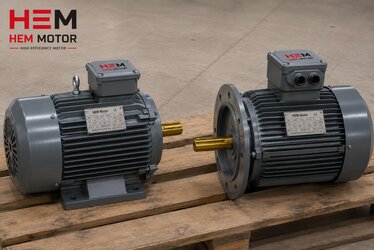
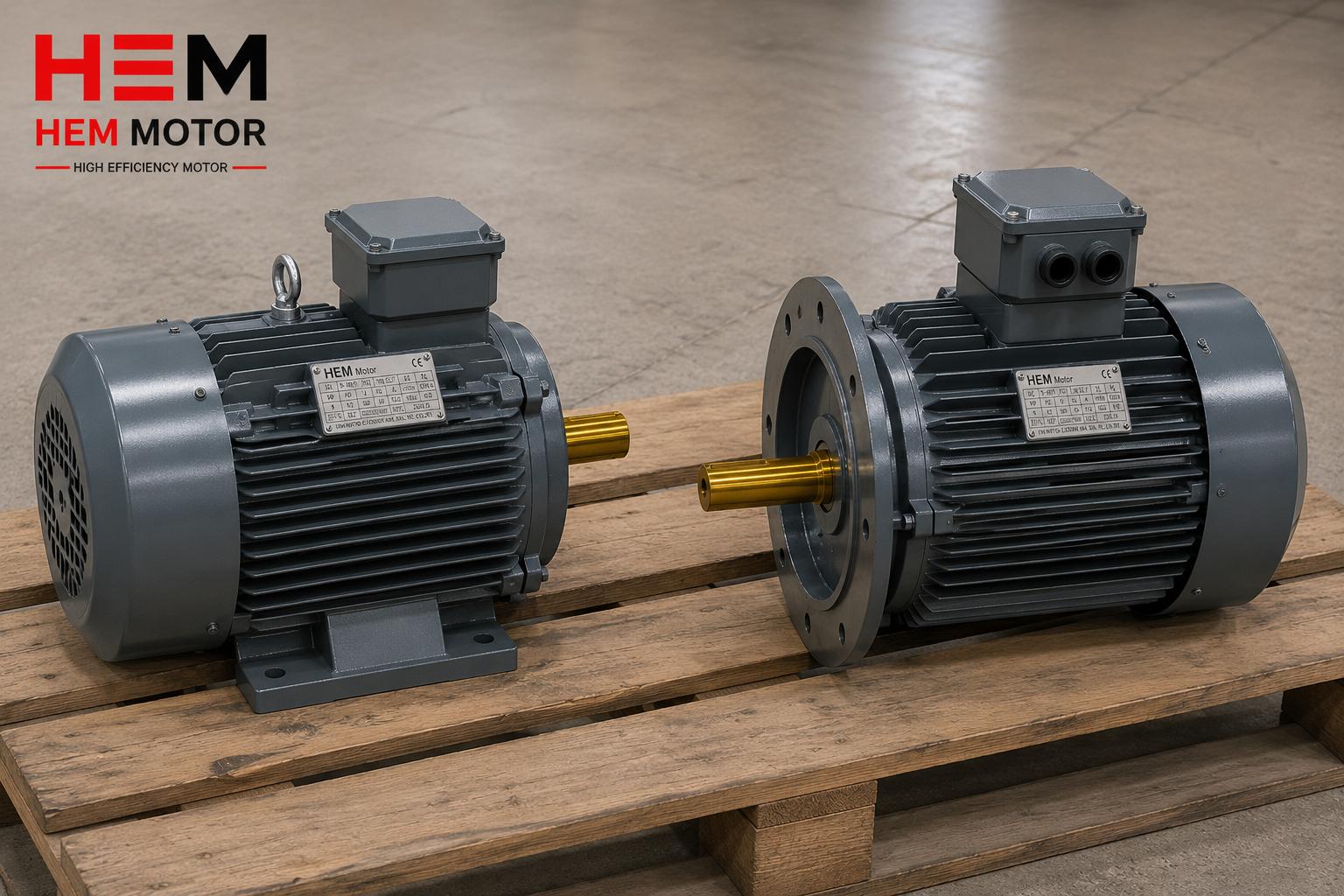
- Frame and mounting: B3/B5/B35 mounting and frame size must match the existing system.
Design and Maintenance of the Cooling Fins
The cooling fins on the back of the cast iron body are the main surface that transfers the heat the motor produces into the air. The wider and cleaner the surface area of these fins, the cooler the motor runs. In the design stage the fins are planned to align with the airflow coming from the fan cowl; the blown air flows through the channels between the fins and carries the heat outward. When these channels fill with dust, not only is the airflow blocked, but the heat transfer surface of the fins also becomes ineffective.
From a maintenance standpoint, cleaning the fins is as important as cleaning the fan cowl. In an oily environment, dust sticking between the fins hardens over time and forms an almost insulating layer. This layer traps the motor's heat and keeps the housing temperature constantly high. So during cleaning, not only the fan cowl grilles but also the fin gaps on the body should be cleaned carefully. A plastic brush and compressed air are enough to remove this layer without scratching the fins.
Fin design is also a criterion in motor selection. Of two motors of the same power, the one with a larger fin surface has a safer thermal margin in a harsh environment. When selecting a motor for dusty and hot applications, whether the body's cooling surface suits the application should be evaluated. This evaluation lets the manufacturer recommend the right body and cooling solution when ambient conditions are conveyed correctly at the purchasing stage.
Measuring Overheating and Early Warning Signs
Catching the overheating caused by fan cowl clogging early is the key to preventing an expensive failure. Most plants only notice the motor is hot when it has become too hot to touch; by that point the winding insulation has already begun to suffer. So overheating must be turned from a subjective "hand check" into measurable data. A simple contact thermometer or a temperature label stuck on the body lets you periodically record the motor's operating temperature.
Early warning signs are not limited to temperature. A change in the motor's noise tone, increased vibration in the body, and an abnormal lack of airflow from the fan cowl area also herald clogging. In a dusty environment these signs can become pronounced within weeks. A regular inspection schedule makes reviewing these signs at set intervals systematic and removes the risk of "not noticing".
Indicators to Monitor
- Housing temperature trend: Not a single reading but the rising trend over time matters.
- Noise and vibration: Fan imbalance or bearing strain changes the noise tone.
- Airflow: Weakening air from the fan cowl outlet indicates clogging.
- Drawn current: Overload or insufficient cooling pulls the current up.
The Cost of the Wrong Motor Choice
Putting a clean-environment motor into a dusty environment is one of the most common and most expensive mistakes. An aluminium-bodied, low-protection-class motor in a plant with dense mineral dust generates constant overheating complaints within months; the winding burns early, production stops and an emergency motor replacement is required. A motor with the right specifications from the start, however, runs trouble-free in the same environment for years. This difference is the choice between a few extra steps of care at purchase and a lifetime of reliability.
The right choice does not end with body material either. Duty type, mounting form, frame size and cooling method must all suit the environment as a whole. For example, in some very dusty applications, instead of a shaft-mounted fan a separately powered cooling fan (forced cooling) may be preferred; this keeps the cooling airflow constant even when the motor runs at low speed. Such special solutions come into play only when ambient conditions are conveyed correctly at the purchasing stage.
Frequently Asked Questions
My motor with a clogged fan cowl keeps overheating, is it faulty?
In most cases the motor is not faulty; the cooling air is insufficient. When the cowl grilles and body fins are covered with dust, the air delivered drops and the housing temperature rises. If the temperature returns to normal after cleaning the cowl and fins, the problem was clogging. If overheating persists after cleaning, investigate overload, phase imbalance or bearing issues.
Is cast iron better than aluminium in dusty environments?
In dusty, hot environments cast iron is generally more advantageous. Its high thermal mass buffers sudden heat, its large fin surface sheds heat more effectively, and its mechanical strength protects the body in impact-prone settings. Aluminium is light and compact, better suited to clean, lower-power applications.
How often should I clean the fan cowl?
It varies by environment. A weekly visual check and monthly cleaning suit very dusty plants, while a three-month period suits clean shops. The most reliable method is periodic housing temperature measurement; a gradual temperature rise indicates cleaning is due.