English
 Türkçe

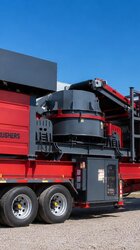
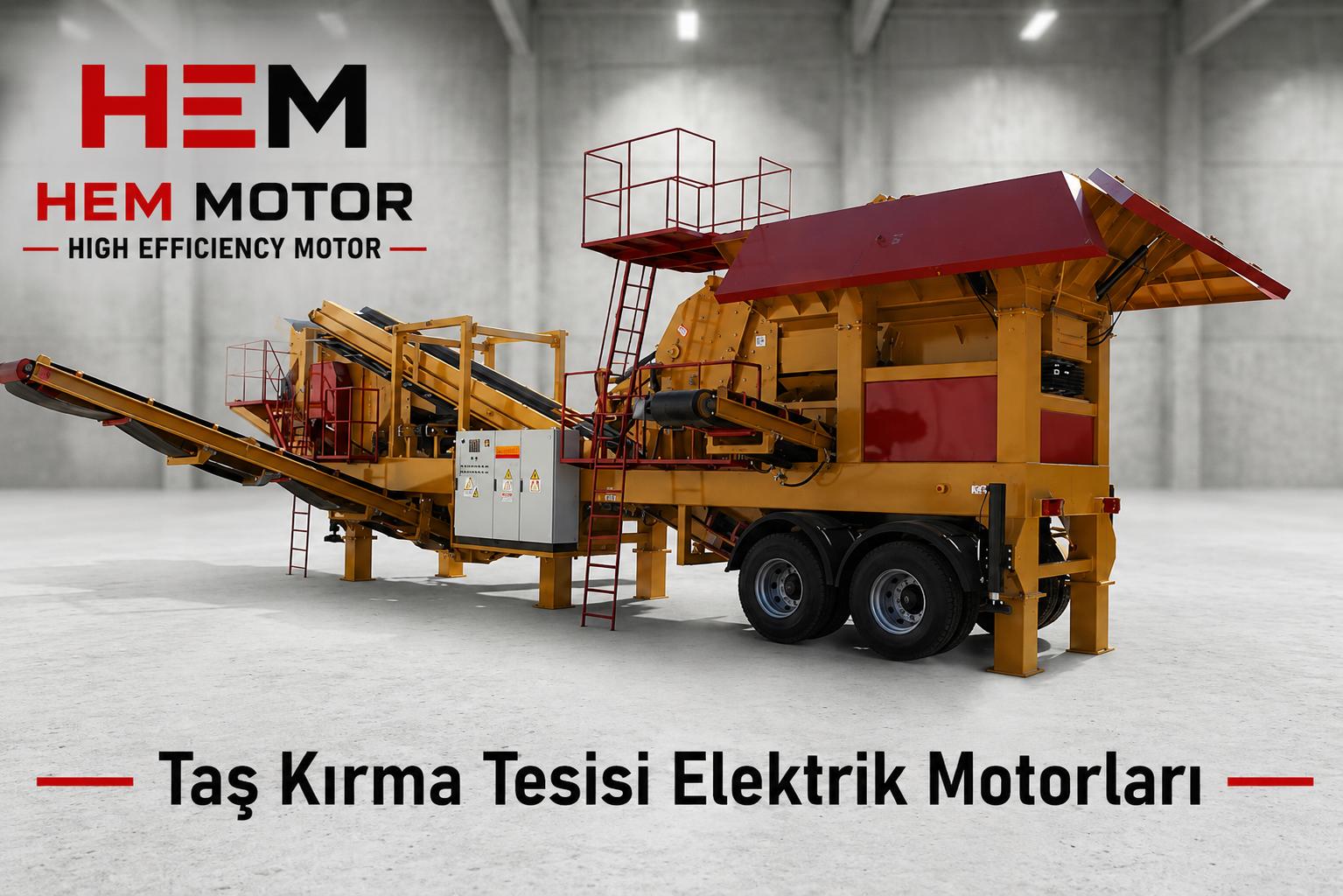

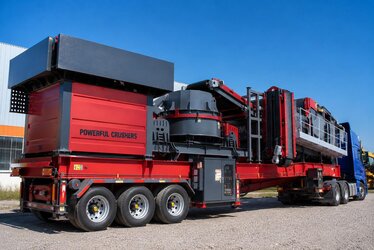
Mobile crushers and portable crushing-screening plants require a completely different supply logic than fixed plants. In a fixed quarry plant, the motor is installed once and runs for years at the same point. In a mobile plant, the situation is far harder: the entire plant is moved from one site to another, fed sometimes by grid electricity and sometimes by a generator, and endures heavy duty under constant dust, vibration and shock.
These conditions directly affect motor selection and supply strategy. In a mobile crushing plant, a single motor failure stops the entire portable plant; once production stops on site, transport, shift and contract plans break down in a chain. Therefore, in a mobile plant, the motor's durability, fast replaceability and generator-compatible starting capability are vital.
In this article we examine why electric motor supply in mobile crusher plants must be thought of differently, which technical features stand out, and what to watch for to keep production uninterrupted on site. Our aim is to enable the portable plant operator to choose the right motor and the right supply approach.
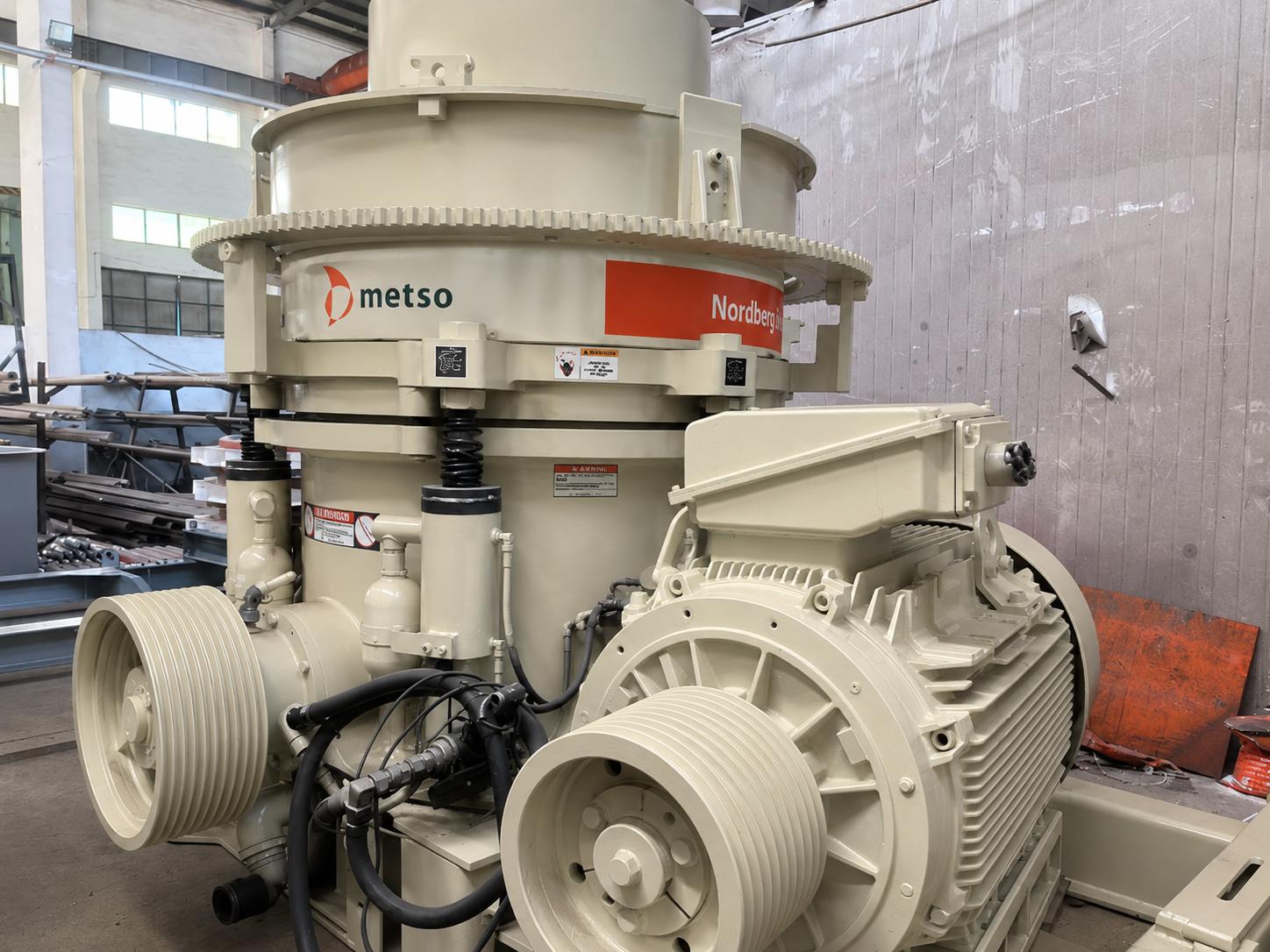
How a Mobile Plant Differs From a Fixed Plant
The most decisive feature of a mobile crusher plant is that it is movable. The plant is moved from one mine to another, from one site to a different one. This mobility makes the conditions the motor faces unpredictable. Each site offers a different ground, a different supply source and a different ambient condition.
The fundamental differences between fixed and mobile plants can be summarized as follows:
- Portability: The plant is continuously dismantled and reassembled; motors are subjected to shock during transport.
- Variable supply: Some sites are fed by grid, others by generator; voltage and frequency stability vary.
- Harsh environment: Intense dust, humidity, temperature swings and constant vibration strain the motor.
- Access difficulty: The site is often far from city centers; fast replacement becomes critical in a failure.
These differences require the motor chosen for a mobile plant to be more robust, more flexible and more easily obtainable than a standard industrial motor.
Heavy Duty Under Dust, Vibration and Dual Supply
In mobile crusher plants, motors are exposed to one of industry's toughest duty cycles. The crushing process by its nature produces large loads, sudden impact torques and constant vibration. These conditions continuously test the motor's mechanical and electrical durability.
Protection Against Dust
In stone crushing sites, the air carries intense dust. If this dust enters the motor, it damages the winding insulation and disrupts cooling. For this reason, a high IP protection class is a necessity in mobile plant motors. A corrosion-resistant frame is also required in the open field; the corrosion and open-field durability of cast iron motors offers a decisive advantage at this point.
Resistance to Vibration
The vibration created by the crushing process strains the motor's bearings and fasteners. Reinforced bearings, a robust frame design and correct mounting preserve the motor's life under vibration. We detailed how motor protection is handled in mining and quarry applications in our content on motor protection in quarries and mining.
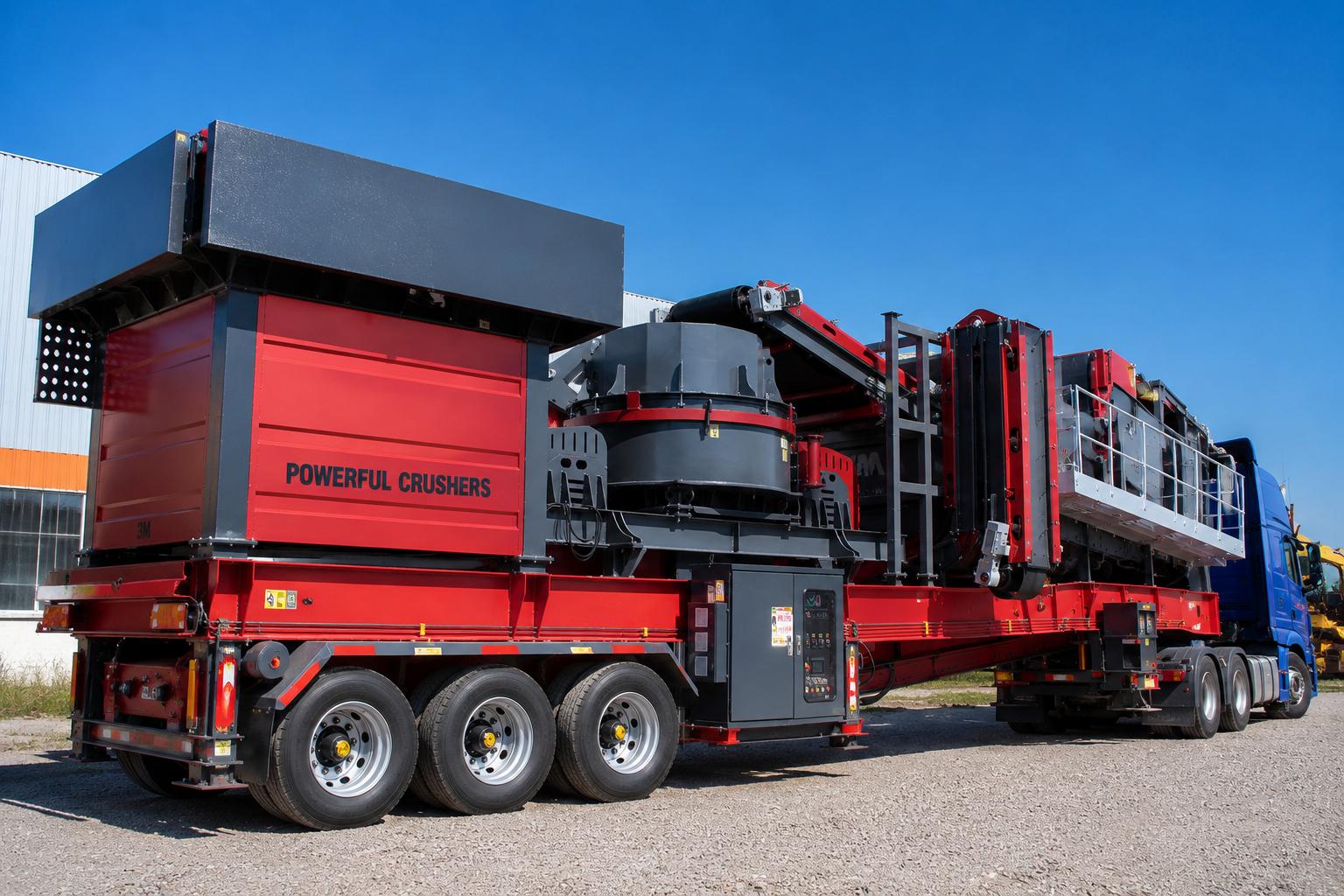
Generator-Compatible Starting
One of the most critical technical subjects in a mobile plant is how the motor starts. If there is no grid on site, the plant is fed by a generator. A generator is a limited power source compared with the grid; the sudden inrush current of a large motor (about 6-7 times rated current) can strain the generator and cause a voltage dip.
For this reason, the starting method must be chosen carefully in a mobile plant:
- Star-delta starting: Reduces inrush current but also lowers torque; requires a suitable load profile.
- Soft starter: Ramps the current gradually, treating the generator gently.
- Frequency inverter (VFD): The most flexible solution; it both smooths starting and provides speed control.
To examine the advantages the frequency inverter offers together with an asynchronous motor in more detail, our content on VFD frequency inverter with an asynchronous motor provides comprehensive information. The correct starting choice both protects the generator and extends the life of the motor and mechanics.
Fast Replacement and Site Continuity
When a motor fails in a mobile plant, the plant is usually far from city centers and service points. In this case, the most valuable thing is being able to obtain the needed motor quickly. Delivery from stock in common power and frame types minimizes downtime on site.
The elements that make fast replacement possible are:
- Using standard frame and mounting types in common power ranges.
- Keeping a spare motor on site or arranging a fast-supply agreement.
- Standardizing the motor's connection and mounting configuration to ease replacement.
Choosing a standard, easily obtainable motor type is one of the smartest investments a mobile plant operator can make. To see how regular maintenance contributes to site continuity, our content on the electric motor maintenance and periodic inspection schedule offers a practical guide.
The Effect of Transport and Reassembly on the Motor
The nature of a mobile plant means the motor is strained not only while running but also while being transported. When the plant is moved from one site to another, it is dismantled, loaded onto a truck, shaken on the road and reassembled at the new site. This cycle causes mechanical stresses never experienced in fixed plants.
The effects of transport and reassembly on the motor are:
- Shock: Road conditions strain the motor's bearings and fasteners.
- Misalignment: At each reassembly, the coupling alignment must be redone.
- Connection loosening: Vibration and shock can loosen bolt and terminal connections.
For this reason, a robust frame, quality bearings and a reliable terminal connection are critically important in mobile plant motors. Protecting the terminal box against dust and moisture increases safety in the frequent assemble-disassemble cycle. For details on making the terminal and cable connection correctly, our content on terminal and cable connection in cast iron motors is a useful resource. A careful inspection at each reassembly prevents surprise failures on site.
Motor Design Suited to Dual Supply Conditions
One of the most challenging aspects of a mobile plant is that the supply source changes from site to site. While one site has a stable grid voltage, at another the generator's voltage and frequency fluctuations can strain the motor. This dual supply condition requires the motor to have a wide voltage tolerance.
Points to watch in motors that will run under dual supply:
- Wide voltage tolerance: The motor must be able to run safely even at values outside a certain range of the nominal voltage.
- Robust insulation: Voltage fluctuations strain the winding insulation; a high insulation class provides protection.
- Thermal protection: Protection elements that monitor the overheating that can arise under unbalanced supply are critical.
When the generator's voltage drops, the motor draws more current and heats up. For this reason, under dual supply conditions, robust winding and high thermal durability directly protect the motor's life.
Motor Application Points in a Crushing Plant
A mobile crusher plant is not made up of a single motor; many units are driven by different motors. Each unit's duty cycle is different, and motor selection must be made accordingly.
- Crusher main motor: Carries the highest power and the heaviest impact torque; robustness is the priority.
- Feeder motor: Feeds material regularly; runs under vibration.
- Belt conveyor motors: Run continuously; efficiency and durability matter together.
- Screen (vibration) motor: Produces high vibration; requires special vibration motors.
This diversity requires holistic planning of motor supply for a mobile plant. Evaluating each point's need separately increases both performance and the continuity guarantee. We addressed the details of motor protection in mining and quarry conditions in our content on motor protection in quarries and mining.
The Relationship Between Efficiency and Fuel Cost
In mobile plants fed by a generator, motor efficiency translates directly into fuel cost. A low-efficiency motor draws more power from the generator to do the same work, which means more fuel consumption. On site, fuel is a valuable resource in terms of both cost and logistics.
For this reason, choosing a high-efficiency motor in a mobile plant reduces not only the electricity bill but also the generator fuel expense. To see the long-term financial and environmental effect of efficiency, our content on the effect of high-efficiency motors on the carbon footprint offers a valuable perspective. In site conditions, every saving item creates a marked difference in the total operating cost.
The Right Supply Strategy
Motor supply in a mobile crusher plant is not merely about buying a product; it is a continuity strategy. When durable motor selection, the right starting method and fast replacement capability come together, production flows uninterrupted on site. To determine the most suitable motor and supply approach for your portable plant's conditions, you can contact the HEM Motor expert team.
Frequently Asked Questions
Which protection class motor is needed in a mobile crusher plant?
Because of intense dust and humidity, a high IP protection class is a necessity in mobile plants. A robust, corrosion-resistant frame should also be preferred for the open field. Dust entering the winding damages the insulation and disrupts cooling; so the protection class choice is a critical decision.
How should the motor be started when running on a generator?
Because a generator is a limited power source, the motor's sudden inrush current can strain it. For this reason, a soft starter or frequency inverter is preferred. These methods ramp the current gradually, protecting the generator and preventing voltage dips. The frequency inverter also provides speed control.
How do I minimize downtime when a motor fails on site?
The most effective method is to use motors in common power and standard frame types and to plan fast supply capability in advance. Keeping a spare motor on site or arranging a supply agreement that ensures fast delivery from stock minimizes production downtime at the moment of failure. A standard mounting configuration also speeds up replacement.