 English
 Türkçe

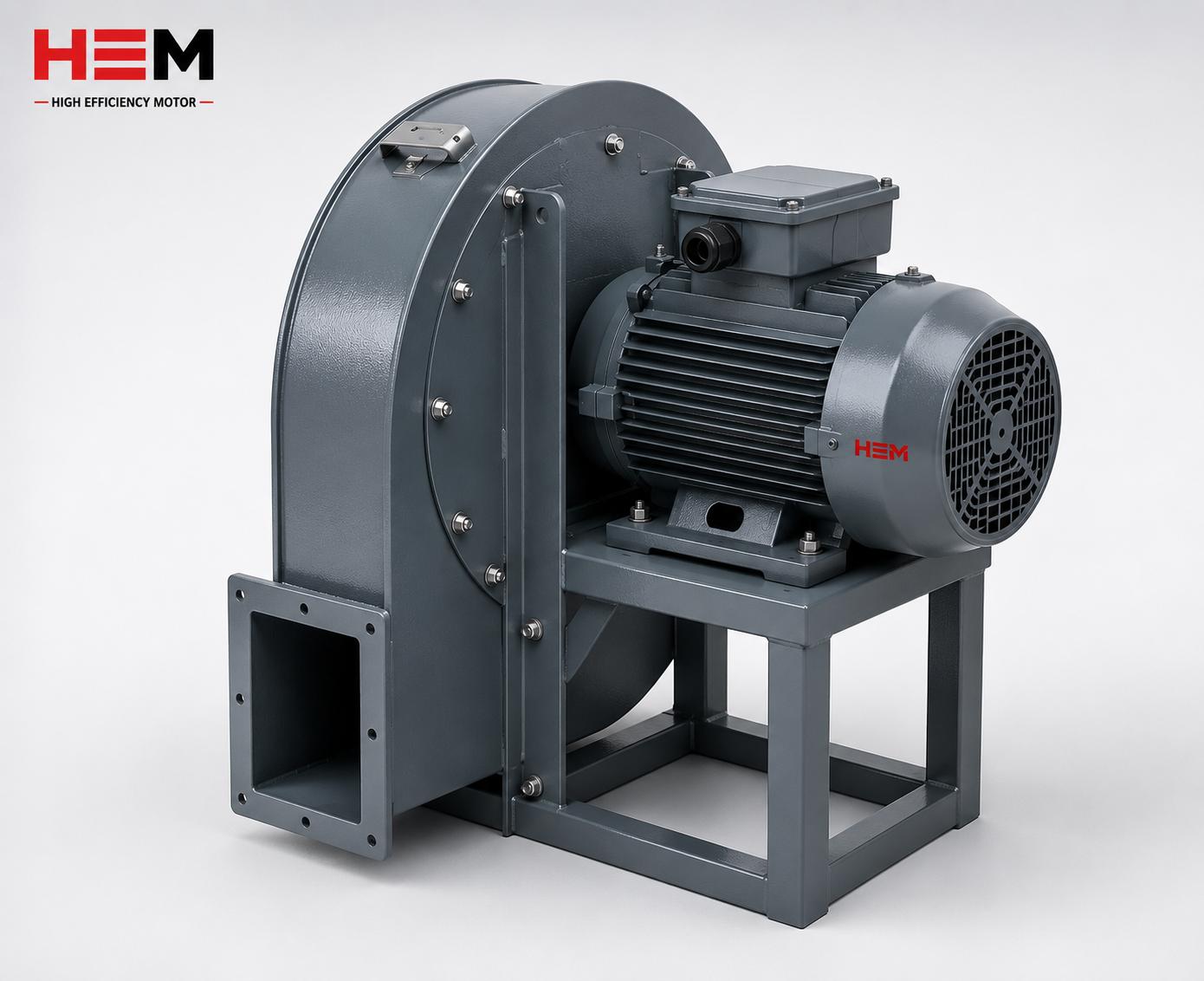
Air handling units (AHU) are the heart that provides clean and comfortable air for large buildings, malls, hospitals and industrial facilities; the fan electric motors give this heart its power. Driving plug fan and centrifugal fan groups, these motors, when chosen correctly for efficiency, quietness and speed control, directly determine both comfort and energy cost. At HEM Motor we supply low-noise electric motors suited to VFD speed control in IE efficiency classes for AHU fan applications from stock, offering you the right price-performance and a fast supply process.
On this page we cover the role of the AHU fan motor in the HVAC system, the difference between plug fan and centrifugal fan, efficiency and quietness criteria, the effect of VFD speed control on energy savings, and the advantages of project-based supply. We clarify the AHU fan electric motor price framework so you can choose the right motor at the right price. For stock and quotations, reach us via HEM Motor electric motor prices.
The Role of the AHU Fan Motor in the HVAC System
In an air handling unit, the fan is the core component that pushes air into the duct system and draws it back. Because the fan motor accounts for a large part of the system's total energy consumption, efficiency-class selection is directly reflected in operating cost. Also, since the fan's operating sound is carried to the occupied space, a low-noise motor and fan group is critical for comfort.
The points where the fan motor is decisive in the AHU are:
- Supply fan: The main fan delivering conditioned air to the space; must run continuously and efficiently.
- Exhaust fan: The fan expelling stale air; must suit flow control.
- Recovery units: Additional fan motors feeding heat-recovery cells.
To match the right motor at these points, review our ventilation electric motors group and request a fast quotation via HEM Motor for a configuration suited to your HVAC project.
The Difference Between Plug Fan and Centrifugal Fan
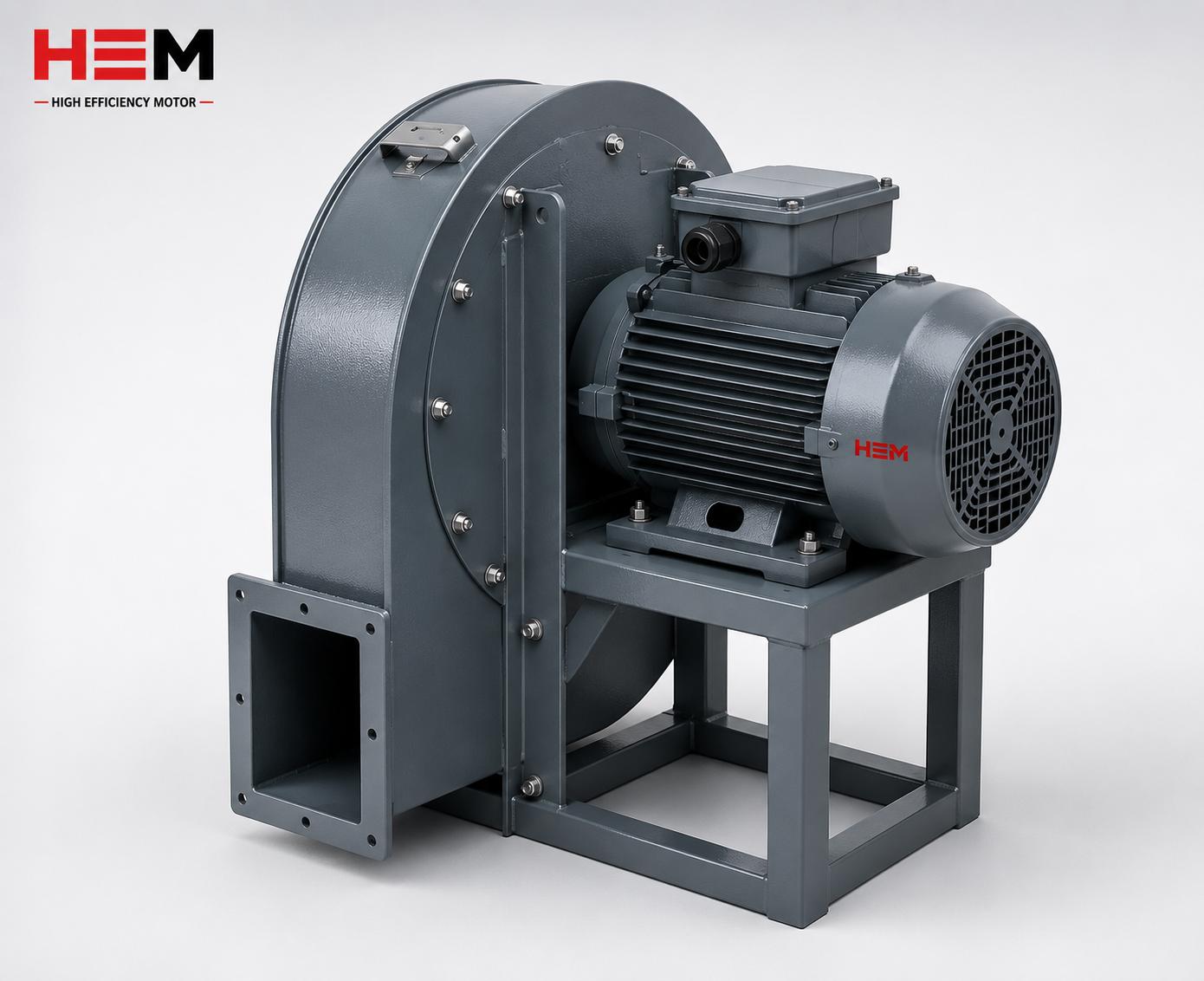
In modern air handling units, two basic fan types stand out: the scroll-less plug fan (free-running fan) and the classic scroll-housing centrifugal fan. Motor selection for each rests on different priorities.
| Fan Type | Prominent Feature | Motor Drive |
|---|---|---|
| Plug fan | Compact, directly coupled, flexible placement | Usually on the motor shaft directly |
| Centrifugal fan (scroll) | High pressure, stable flow | Belt-pulley or direct coupled |
While plug fan applications spread in modern AHUs with their compact structure and low maintenance, centrifugal fans are preferred in duct systems requiring high pressure. For correct fan-motor matching, our guide on centrifugal and axial fan motor selection provides guidance.
Efficiency and Quietness Criteria
In HVAC fan motors, two criteria are evaluated together: energy efficiency and acoustic comfort. Because air handling units mostly feed spaces where people are present, quiet motor operation is not a luxury but a necessity.
- IE efficiency class: IE3 and IE4 motors markedly reduce energy cost in continuously running fan applications.
- Low vibration and noise: A well-balanced rotor and suitable bearings reduce the sound carried to the space.
- Cooling design: Effective cooling in a continuously running fan motor extends its life.
You can find details on low-noise motor selection in our article on noise and vibration in electric motors. For the HVAC advantages of efficient motors, review our HVAC sector electric motors group.
VFD Speed Control and Energy Savings
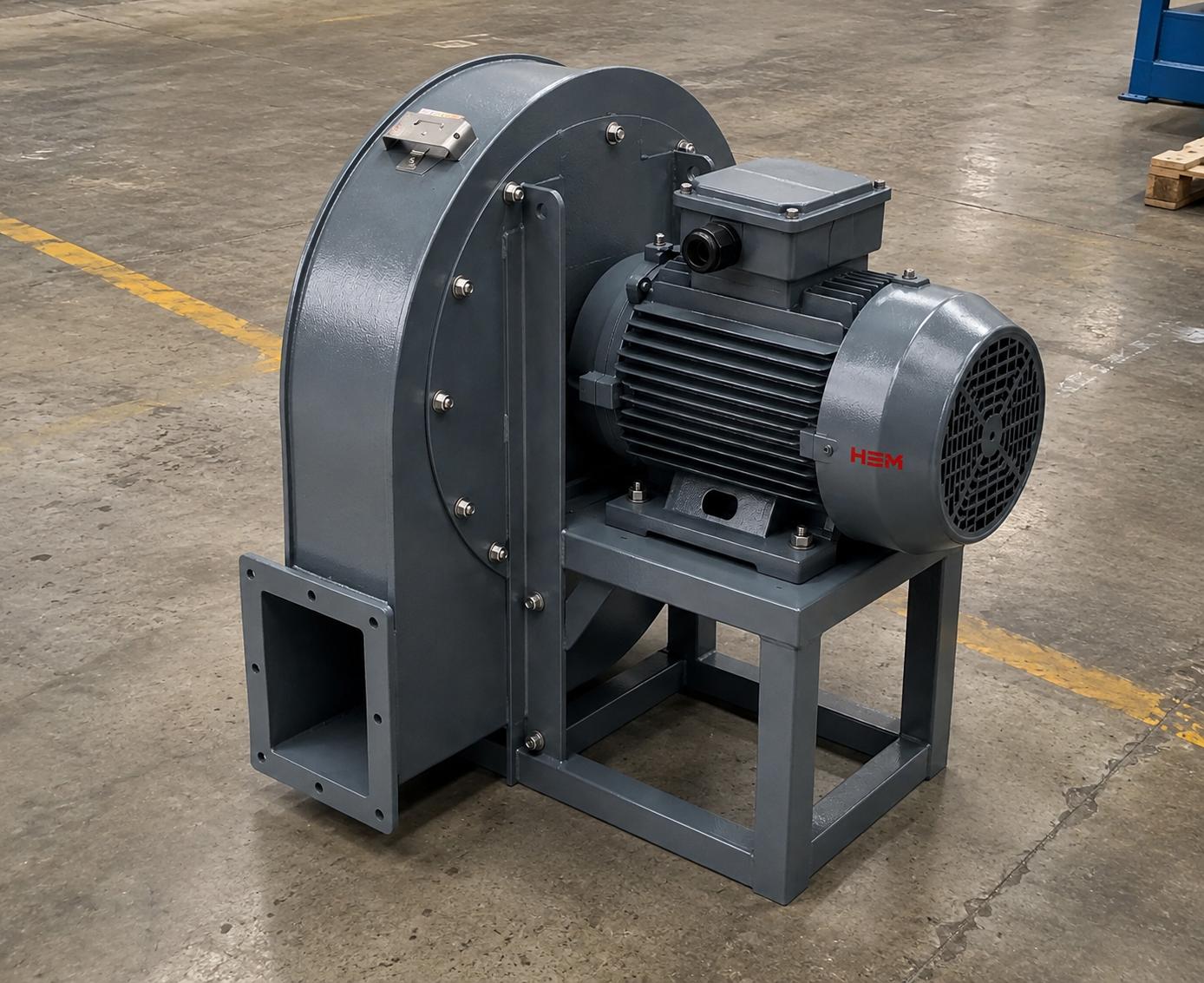
In air handling units, air demand varies during the day and by season. While a fixed-speed fan runs continuously at full power, with speed control via a variable frequency drive (VFD) the fan slows to the instantaneous need. By the fan law, a small drop in speed yields a much larger saving in energy consumption; so a VFD-driven fan motor is one of the most effective energy-saving methods in HVAC.
| Control Method | Operating Character | Energy Effect |
|---|---|---|
| Fixed speed | Continuous full power | High consumption even when demand drops |
| VFD speed control | Flow adjusted to demand | Marked saving at partial load |
In VFD operation, the motor's winding insulation and bearing selection also matter. For correct configuration, our article on VFD with asynchronous motor explains VFD selection in fan applications.
Project-Based Supply and Equivalent Selection Advantage
HVAC projects usually need many air handling units and fan motors at once. Here, sourcing motors of equivalent dimensions and performance in bulk from a single supplier reduces both time and compatibility risk. At HEM Motor we supply equivalent motors in standard IEC dimensions from stock for project-based bulk purchases.
- Bulk project supply: Motors of equivalent dimensions from one source for many AHUs.
- Equivalent replacement: An exactly compatible motor in place of a failed motor in the existing unit.
- Fast delivery from stock: Quick shipment in standard configurations without disrupting the project schedule.
You can find the project approach to HVAC fan motor supply in our article on fan motor supply in HVAC projects, and smoke-exhaust and special fan applications in our guide on smoke exhaust fan motor supply.
Technical Details to Watch in Fan Motor Selection
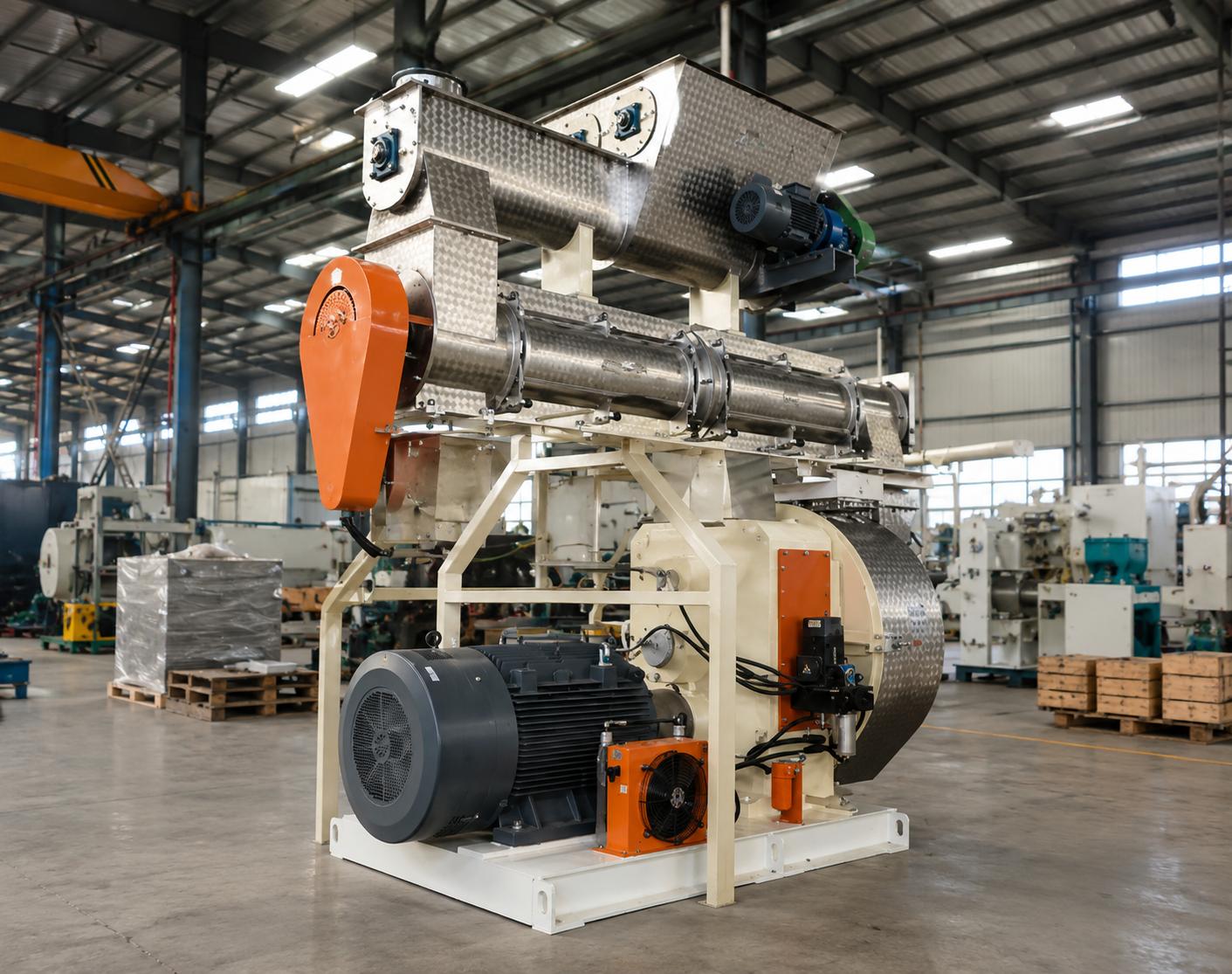
Choosing the AHU fan motor correctly is not limited to the power value alone. When fan type, connection style, operating environment and speed-control strategy are evaluated together, you get both the right price and a long-lasting, quiet operation. The main criteria to clarify before ordering are:
- Shaft diameter and mounting type: A suitable shaft diameter for direct coupling in plug fans; B3 foot or B5 flange connection in centrifugal fans.
- Speed and pole count: Two or four-pole selection per the desired air flow and pressure; compatibility with the VFD range.
- IP protection class: IP55 and above in units taking outdoor air and humid units; higher protection in rooftop-type units.
- Ambient temperature: Power derating must be considered in fans running in the hot environment of an exhaust air stream.
- Acoustic class: A low-noise, balanced rotor preference in units near occupied spaces.
When you send these criteria with your fan type and flow need, we match the most suitable fan motor from stock and prepare a fast quotation. For mounting choice, review our B3 foot-mounted electric motors and B5 flange-mounted electric motors options.
Downtime Risk and Maintenance: The Continuously Running Fan Motor
Air handling units mostly run uninterrupted; in a hospital, mall or production facility, a stopped fan motor directly affects indoor air quality and comfort. So it is important that the fan motor is both reliable and quickly replaceable when needed.
| Risk | Measure |
|---|---|
| Bearing wear in continuous operation | Correct bearings and periodic greasing |
| VFD-induced bearing current | Suitable winding insulation, insulated bearing if needed |
| Line stop on sudden failure | Fast replacement with an exact equivalent from stock |
On maintenance schedules and bearing life in continuously running motors, our article on electric motor maintenance and periodic checks provides guidance. For urgent replacement needs, we supply an exact equivalent from stock using the nameplate of the existing motor; for stock and the AHU fan electric motor price, reach us via HEM Motor.
Frequently Asked Questions
What determines the price of an AHU fan electric motor?
Power-speed, efficiency class (IE3/IE4), mounting type, VFD compatibility and low-noise requirements set the price. When you share your fan type and flow need, we issue a price-performance oriented fast quotation.
Does a plug fan need a directly coupled motor?
Plug fans usually run directly coupled to the motor shaft; so the correct shaft diameter, speed and a balanced rotor matter. We match the right motor according to your fan's connection type.
Should a fan motor running on a VFD be special?
In VFD operation, suitable winding insulation and, if needed, insulated bearings are recommended. We configure the motor accordingly based on your speed-control range.
What do you watch for quiet operation?
A well-balanced rotor, suitable bearings and correct cooling design reduce the noise carried to the space. In projects where acoustic comfort matters, we recommend a low-noise configuration.
Can you supply many fan motors together for a project?
Yes. In projects with many AHUs, we supply motors in equivalent IEC dimensions in bulk from stock and plan delivery to suit your project schedule.
Fast Quotation and Supply
For your AHU fan applications, we supply low-noise electric motors suited to VFD speed control in IE efficiency classes from stock. To get the right motor at the right price without disrupting your HVAC project, state your fan type and flow need and reach HEM Motor; we will share the same-day AHU fan electric motor price and stock status. For extraction and dust-collection fans, our guide on blower fan motor selection also guides you.