 English
 Türkçe

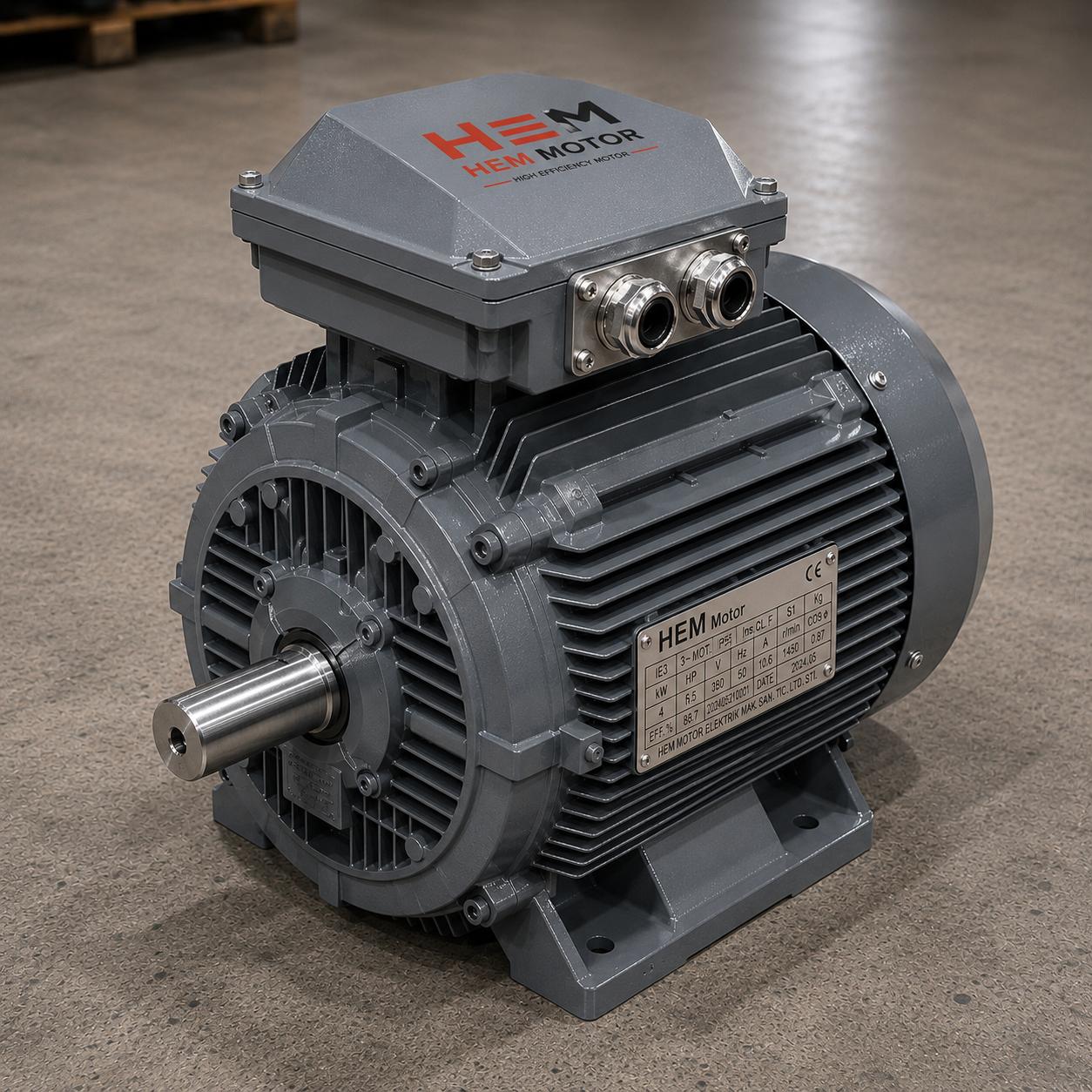
From a carpentry workshop to a mass-production furniture factory, the woodworking machine electric motor is the invisible driver of production speed and cut quality. From circular and band saws to planers, spindle moulders and sanders, from dust-extraction blowers to calibrating machines, every rotating shaft delivers both clean cuts and long life when paired with the right motor. As HEM Motor, we offer the woodworking sector manufacturer-backed supply from stock, a balanced price-performance and a fast quotation. The best starting point for your workshop's motor needs is the HEM Motor electric motor prices page.
Woodworking is a field that demands high speed, precise balance, quiet operation and heavy dust handling. Shaft vibration on a saw directly affects cut quality; a weakly chosen extractor motor leaves the whole workshop in dust. That is why technical fit matters as much as price in a woodworking motor. Below you will find the motor selection logic by machine group, our supply and price advantages, and frequently asked questions.
Motor Needs by Woodworking Machine
A woodworking workshop is an environment where machines with different load and speed profiles operate together. The peripheral speed of cutting tools determines cut quality, which makes correct-speed motor selection essential. Dust is the common enemy of every machine and brings the protection class to the fore in motor selection.
Circular Saw, Band Saw and Table Saw Motors
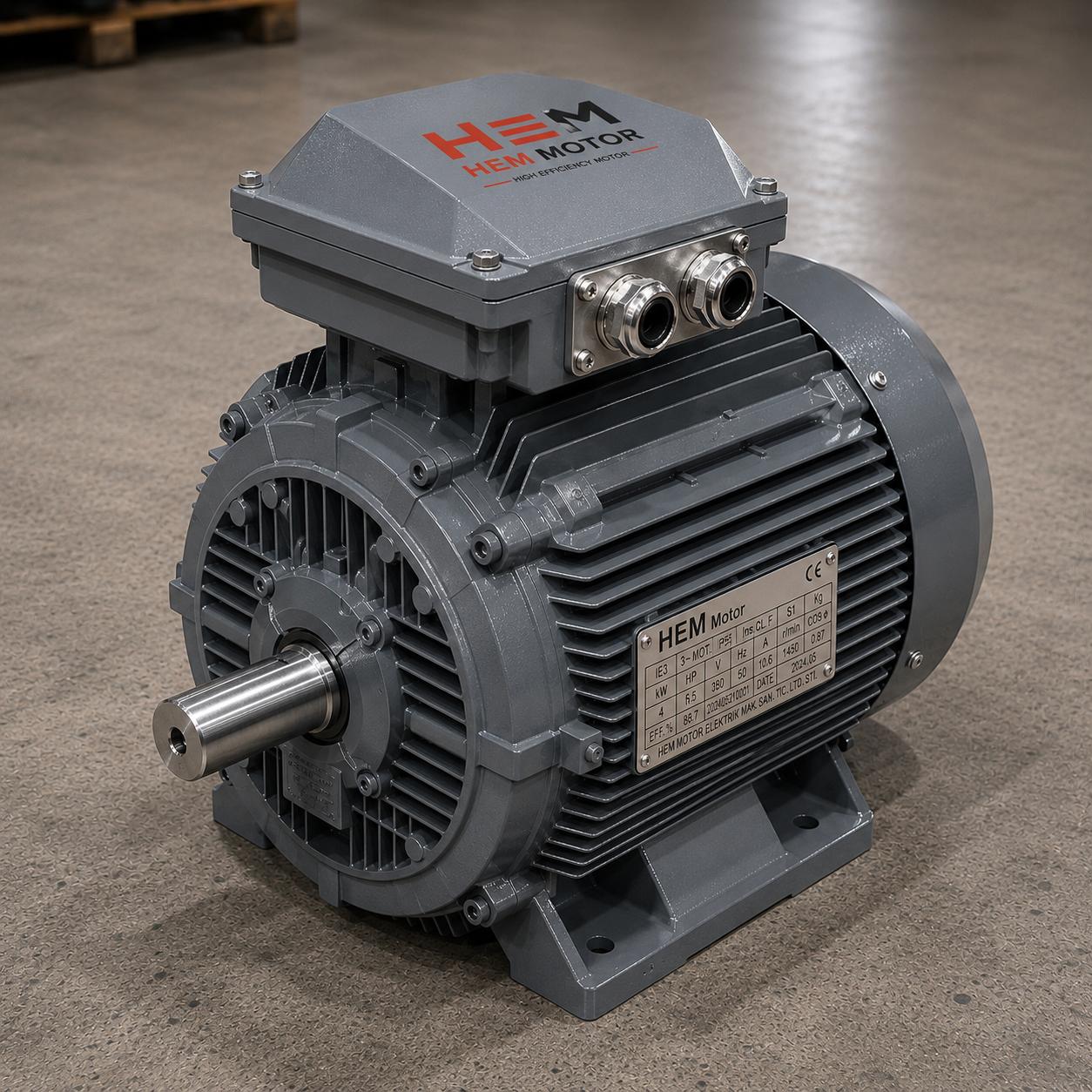
In the saw group, cut quality depends on the peripheral speed of the tool. Circular saws usually run at high speed (2 poles, around 3000 rpm); band saws demand higher torque with steady, vibration-free rotation. On these machines, shaft balance and low vibration directly affect both cut quality and blade life. For high-speed saw applications, you can select the right speed and power from our standard electric motors range. To see which motor each machine needs during workshop setup, we recommend our woodworking workshop motor requirement list article.
- A 2-pole motor is preferred for circular saws requiring high speed.
- On band saws, steady torque and low vibration determine cut quality.
- A motor with high balance precision extends tool life.
Planer, Spindle Moulder, Thicknesser and Sander Motors
On planers and thicknessers the shaft both cuts and feeds, demanding continuous and balanced torque. On spindle moulders and shaping machines, high speed is critical for a clean surface. Sanders and calibrating machines run for long hours at continuous load, so they require an efficient motor resistant to heating. For correct supply of all these machines in furniture mass production, our furniture factory electric motor supply list article offers a comprehensive roadmap. For production seeking efficiency at continuous load, our high-efficiency electric motors category is suitable.
Dust Extraction and Chip Collection Motors
The dust extraction system is indispensable in a woodworking workshop. The extractor fan motor draws chips and dust from all machines in the shop, so it must be dust-resistant, high-protection-class and of the right power for the required flow. A weakly chosen extractor motor creates health and fire risks. For correct power selection in extraction and dust collection applications, review our extractor and dust collection fan motor selection article, and look at our woodworking machine motors category for the right frame.
Why Quiet and High-Speed Operation Matters
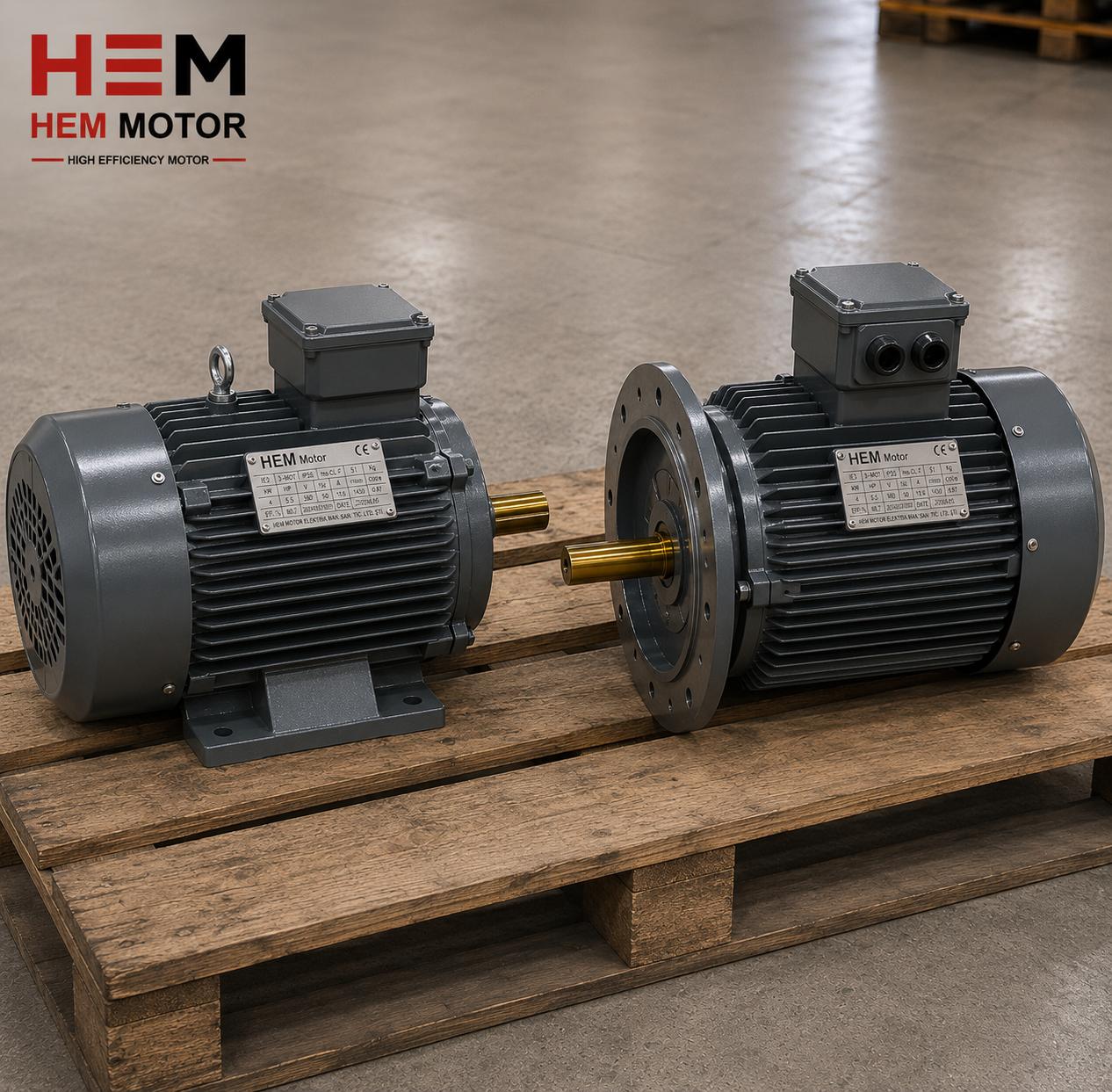
In a woodworking workshop, noise affects both operator comfort and occupational safety. A low-vibration, well-balanced motor runs quietly and extends tool life. In high-speed applications, fan design and aerodynamic body directly affect the sound level. The right motor means clean cuts, long blade life and a calm workshop.
| Machine Group | Typical Speed Need | Key Motor Feature |
|---|---|---|
| Circular saw | High (2 pole) | Precise balance, low vibration |
| Band saw | Medium, steady | High torque, quiet operation |
| Planer / moulder | High | Clean surface, balanced torque |
| Extractor / dust collection | Continuous | High IP, dusty-environment durability |
Factors That Drive the Price of a Woodworking Motor
Two motors of the same kW power can differ significantly in quality and life. To capture the right price-performance balance in the woodworking sector, we evaluate the following factors together:
- Speed and pole count: The most critical parameter determining cut quality.
- Balance and vibration class: Decisive for tool life and surface quality.
- Protection class (IP): High IP for a dusty workshop prevents early failure.
- Fan and body design: Affects quiet operation and cooling performance.
- Winding quality and insulation class: Determines heating resistance at continuous load.
You can find how to protect the motor in a dusty environment and how to choose the fan cowl in detail in our fan cowl and protection guard selection article.
Motor Durability in Continuous Operation and Mass Production
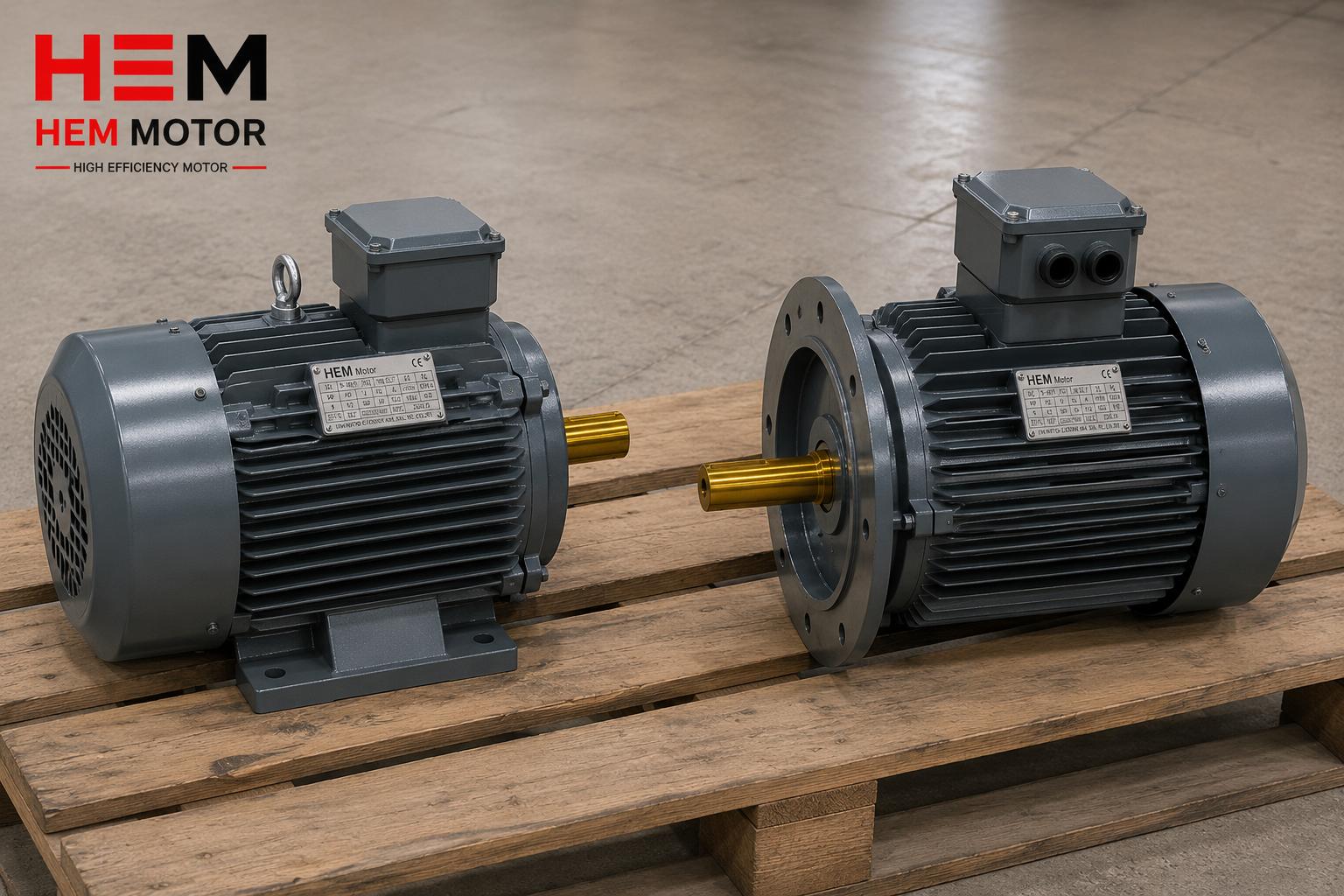
In furniture and joinery workshops, machines often run non-stop throughout the shift. Under this continuous duty (S1) condition, the motor's heating behavior, winding insulation class and cooling design come to the fore. A motor selected with inadequate cooling can heat up in the afternoon and trip its thermal protection, halting production at the busiest hour. On mass-production lines, ease of maintenance and spare-part availability also determine the total cost of ownership. That is why, instead of a cheap-looking but short-lived motor, a balanced price-performance motor that is reliable at continuous load is always more economical in the long run. For production lines seeking efficiency at continuous load, our electric motor duty type (S1-S6) selection article helps you determine the right power and duty type.
HEM Motor Supply and Sales Advantage
A machine standing idle in the workshop means a delayed order. That is why we keep the power and speed ratings most used by the woodworking sector in stock and stand by you with a fast quotation. From a new workshop setup to a single-machine motor replacement, we are with you with our woodworking machine motors range and a suitable electric motor sales and price quote.
- Minimize machine downtime with supply from stock.
- A manufacturer-backed motor range focused on price-performance.
- Bulk motor planning during workshop setup with a fast quote.
- Fast shipment across all of Turkey.
Frequently Asked Questions
What speed motor should I buy for a circular saw?
Circular saws usually require high speed (2 poles); however, blade diameter and the desired peripheral speed are decisive. Sharing your machine's nameplate and shaft data is enough for the correct speed and a clear quote.
How do I size an extractor motor correctly?
The extractor motor is selected according to the total flow and pressure loss in the system. Describing the number of machines and the duct layout in your workshop is enough for the right power and fast supply. A weak choice leaves the shop in dust, while an oversized choice wastes energy.
Does a dusty workshop require a special motor?
Yes. A woodworking workshop contains heavy chips and dust. In this environment, a high IP protection class and suitable fan protection are recommended. This prevents dust from sticking to the fan blade and disrupting cooling.
Can you replace my old machine's motor with an equivalent?
Using the existing motor's nameplate data (kW, speed, frame, mounting type), we supply an exact equivalent from stock. Sharing a photo of the nameplate is enough for a mechanically compatible, error-free match.
Should I buy motors in bulk when setting up a new workshop?
When setting up a new workshop, drawing up the machine list from the start and planning motors in bulk is advantageous for both price-performance and supply speed. If you share your requirement list, we determine the right power for each machine and prepare a single bulk quote, so the setup is completed without delay.
For your woodworking machine electric motor needs, we bring price, stock and fast supply together in one place. To get a fast quote and electric motor prices for all your machines from saws to extractors, contact us today.